
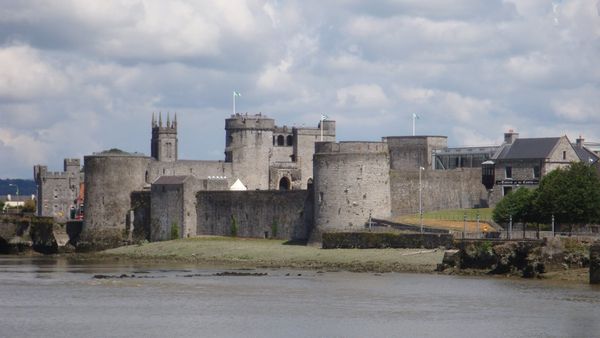
Planning the Perfect Trip to Limerick
How to plan a trip to Limerick: when to go, how many days you need, where to stay, which County Clare tours are worth booking, and what it all costs.
Step-by-step itineraries and destination planning resources to help you organize the perfect trip. From multi-day city guides to first-timer walkthroughs, these articles cover everything you need to know before booking flights, choosing neighborhoods to stay in, and mapping out daily schedules that balance must-see landmarks with local discoveries. You will also find packing checklists tailored to specific climates, visa requirement overviews for popular corridors, and sample day-by-day routes that have been tested by seasoned travelers. Whether you are coordinating a solo backpacking adventure or arranging a family vacation with young children, these planning resources break large decisions into manageable steps so nothing falls through the cracks. Each guide includes realistic time estimates for transit, sightseeing, and rest so your days feel full without feeling rushed.
A good itinerary is built from four decisions taken in order, not from a list of sights pasted into a calendar. First you fix how many days you really have on the ground, because a long weekend and a full week are different trips, not the same trip at different lengths. Then you choose where to base yourself, since the neighbourhood you sleep in quietly decides how much of each day you lose to transit. Only then do you pace the days, grouping sights by district so you are not crossing the city twice, and finally you pre-book the handful of things that sell out — timed-entry monuments, long-distance trains, sunrise slots. The guides in this category walk real destinations through exactly that sequence, so you can copy a tested structure rather than start from a blank page.
| Trip shape | Best for | Typical length | The decision it turns on | Worked example |
|---|---|---|---|---|
| City break | fitting a capital into a long weekend | 3 days | ruthless prioritising — one district per day | Budapest in 3 days, Kraków in 3 days, Lisbon in 3 days |
| First-timer's orientation | a first visit to a large, unfamiliar city | 3–5 days | where to stay and how to read the transit map | Cape Town, Delhi, Kyoto |
| Regional loop | pairing a hub city with a nearby landmark | 4–7 days | sequencing day trips and overnight legs | Hanoi & Hạ Long Bay, Machu Picchu from Cusco, Petra & Amman |
| Adventure base | building a trip around activities, not sights | 4–7 days | matching effort and weather to each day | Queenstown, Bariloche |
| One perfect day | a day trip or a single free day in transit | 1 day | a tight walking loop that wastes no time | Delft in one day |
The commonest planning mistake is to collect must-sees first and discover only later that there are twelve of them and three days to fit them in. Work the other way round. A compact capital rewards a three-day structure that spends one day per district; a sprawling metropolis such as Mexico City or Istanbul needs the extra days just to absorb the travel time between its neighbourhoods. When a single city cannot fill the time, the better move is often a regional loop rather than cramming the home city — our Paris and Berlin guides both show where the natural cut-off between "enough" and "too much" falls.
The cheapest hotel on the map is rarely the cheapest place to stay once you count the hours and fares spent reaching the sights each morning. Most of these guides lead with a neighbourhood recommendation for exactly that reason: a central base in Vienna or Seoul puts the headline sights within a walk or one transit hop, while an outlying bargain can quietly cost you a sightseeing hour a day. Pick the district first, then the room.
A realistic day has two or three anchor sights with buffer time around them, not a back-to-back schedule that collapses after the first queue. Group sights by district so you walk between them, leave a long lunch as a built-in rest, and reserve the handful of experiences that genuinely sell out — timed monument entry, a Machu Picchu permit, a sunrise slot — well before you fly. For the raw month-by-month weather and crowd numbers that decide when to take any of these trips, cross-check our when-to-visit calendar; to find a guide for a specific country or city, start from the destinations directory and browse the rest of the travel guides library.
How to plan a trip to Limerick: when to go, how many days you need, where to stay, which County Clare tours are worth booking, and what it all costs.

How to plan a Killarney trip — jaunting cars, the Gap of Dunloe, and the Ring of Kerry, plus timing, budget, and transport advice for County Kerry.
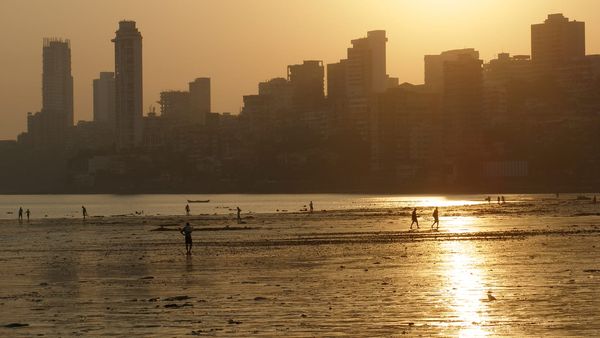
A practical planning guide to Mumbai — how many days to give the city, when to go, where to stay, which tour to pick, and how to budget.
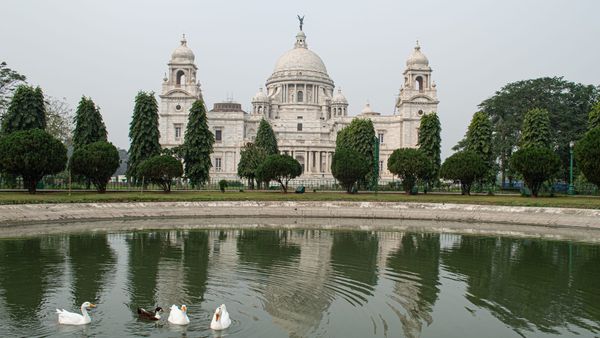
How to plan a Kolkata trip — how many days to give the city, when to go, which tours to book, and what to budget for eastern India's cultural capital.

A practical Vík trip planner — choosing your season on the South Coast, picking the right guided tours, budgeting in Icelandic króna.

A practical planner for Santorini — when to go, how many days to stay, which caldera village to base yourself in, what tours are worth booking.
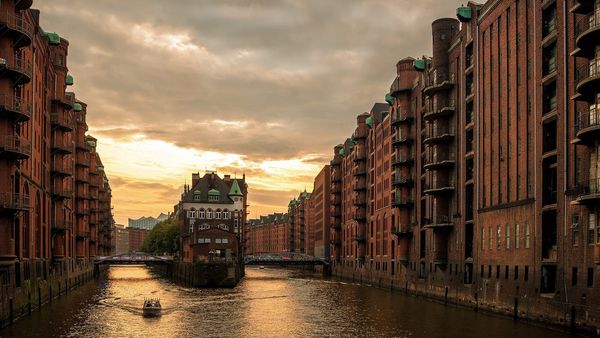
A practical Hamburg planning guide covering when to go, where to stay, which harbour tour to pick, how the HVV ferries work, realistic costs.
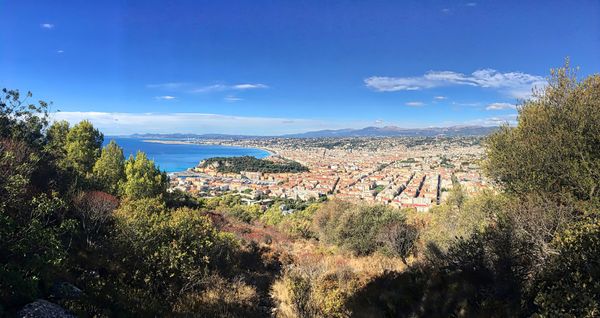
How to plan a Nice trip that pairs the city with the Riviera — when to go, how many days you need, which tours are worth booking, what it costs.
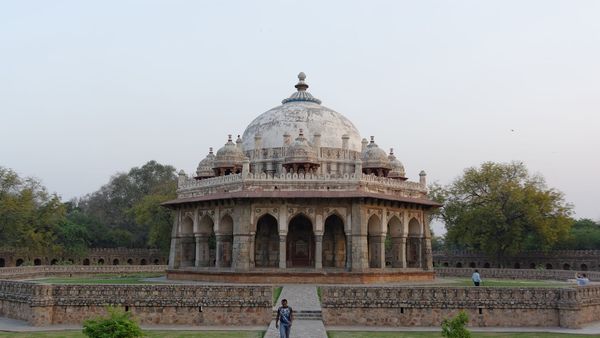
How to plan a first trip to Delhi — the Red Fort and Old Delhi, the Qutub Minar and Humayun's Tomb, India Gate and New Delhi.

How to plan a Jordan trip built around Amman and Petra — the capital's citadel, Roman theatre, and downtown, a day at the ruins of Jerash.

How to plan an adventure trip to Queenstown — bungy, jet boats, and skydiving alongside the Skyline Gondola, a Milford Sound day, and the TSS Earnslaw.
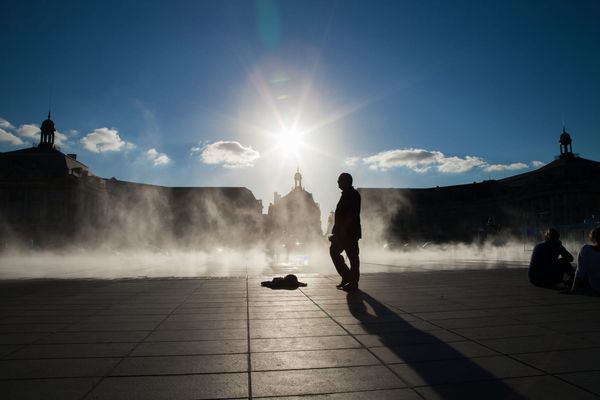
How to plan a Bordeaux trip that balances the city and the vineyards — when to go, how many days you need, which tours are worth booking, what it costs.
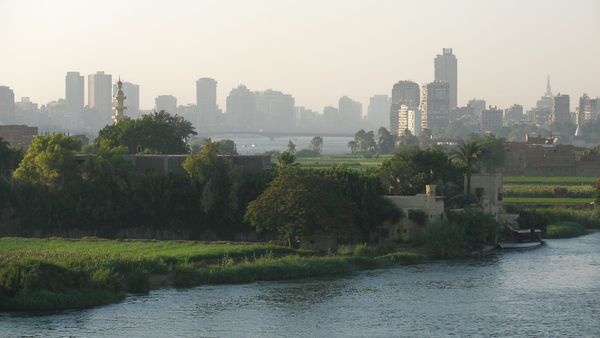
A practical planning guide to Cairo — how many days to give the city, when to go, which neighbourhood to stay.

A practical Quito trip planner — acclimatising to 2,850 metres, timing the dry season, choosing between walking tours and volcano day trips.

A practical Zagreb trip planner — how many days the Upper and Lower Town really need, when to come for the terraces or the Advent markets.

A practical Pula trip planner — how many days to give the Roman core, when to visit around the arena concerts and the film festival.

A practical Cali trip planner — when to go, how many days you need, choosing between salsa lessons and city tours, budgeting in Colombian pesos.
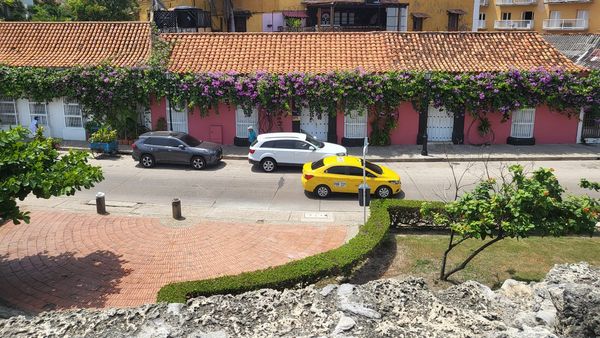
How to explore Cartagena's walled old town and Getsemaní on foot — the coloured colonial streets, the sea walls and the Castillo San Felipe.

How to plan Hanoi and Halong Bay together — the Old Quarter, Hoan Kiem Lake, the Temple of Literature and Hoa Lo Prison in the capital.

How to plan a first trip to Dublin — a walkable few days built around Trinity College and the Book of Kells, Dublin Castle, Kilmainham Gaol.

How to plan a Hangzhou trip around West Lake, hillside tea farms, and lakeside temples, with practical advice on when to go, which tours pay off.

How to plan a Chengdu trip around giant pandas, fiery Sichuan hotpot, and unhurried teahouse afternoons, with practical advice on timing, guides.

A practical Vancouver trip planner covering when to go, choosing between seawall bike tours and walking tours.

A practical Montreal trip planner covering when to visit, how to choose between walking and food tours, realistic guide budgets in Canadian dollars.

How to plan a Brussels trip that works — when to go, where to base yourself, which tours are worth it, what it costs.

A practical Salzburg planner — how many days to give the baroque old town, when to visit around the Festival and the Christmas markets.

A practical Graz trip planner — timing the visit around festivals and weather, choosing between walking tours and wine excursions.

How to plan a first trip to Cape Town — Table Mountain and the cableway, the Robben Island ferry, Kirstenbosch gardens, the Cape Peninsula drive.
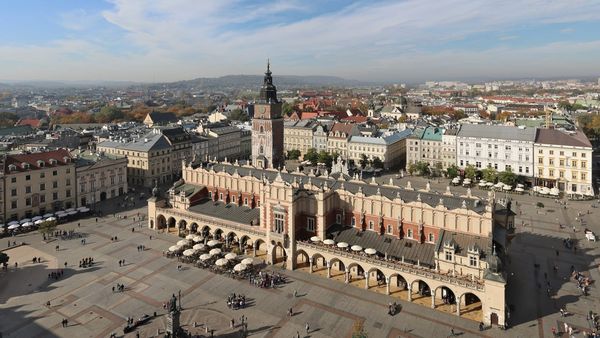
A practical three-day plan for Krakow — the Old Town and Wawel on day one, Kazimierz and the Jewish quarter on day two.

A morning-to-evening walking route through Delft — the Markt and its two great churches, Royal Delft, Vermeer's old town, the Prinsenhof.

A practical Salta trip planner — timing the dry season, choosing between city walks and long canyon excursions, budgeting in Argentine pesos.

A practical Bariloche trip planner — choosing between summer trekking and winter skiing, picking the right guided tours, budgeting in Argentine pesos.
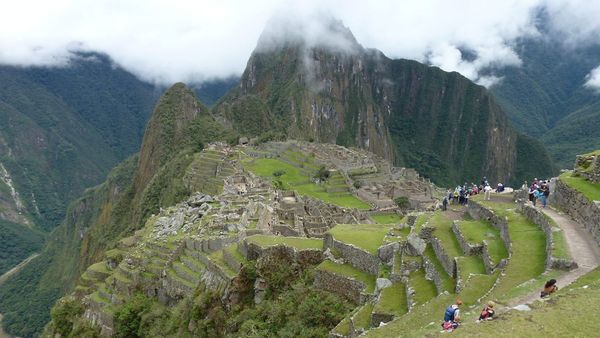
A step-by-step guide to reaching Machu Picchu from Cusco — acclimatising to the altitude, choosing between the train and the Inca Trail.

How to visit the Taj Mahal without the frustration — when to go, which gate to use, what tickets cost.
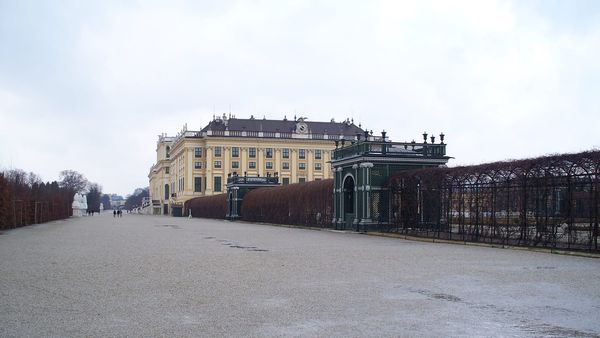
A practical Vienna planning guide covering the imperial palaces, the city's living coffee-house culture, classical music in the right venues.

Everything you need to plan a Rio trip — from the best time to visit Sugarloaf Mountain without queues, which neighbourhoods to stay.

A comprehensive Mexico City trip planner — from understanding the city's sprawling geography and safest neighbourhoods to visiting Teotihuacán.

A practical San Francisco trip planner covering the best neighbourhoods, how to time a Golden Gate visit, Alcatraz booking logistics.

A complete 3-day Chicago itinerary covering the Chicago Riverwalk architecture tour, the Art Institute, Navy Pier, the blues clubs of Bronzeville.

Everything you need to plan a Seoul trip — navigating the subway, choosing a neighbourhood, and timing your visit around blossoms or autumn foliage.

How to plan a Florence trip that goes beyond the tourist queue for the Uffizi — covering the best time to visit, where to stay.

A day-by-day Budapest guide covering Buda Castle, thermal baths, ruin bars, the Parliament building, and the Great Market Hall.

A day-by-day Lisbon itinerary covering the city's historic tram routes, hilltop viewpoints, fado houses, Belém monuments.

A practical planning guide for Istanbul — spanning the dual-continent city's must-see mosques and bazaars, neighbourhood choices, Bosphorus cruises.

Everything you need to plan a memorable Berlin trip — from the best neighborhoods to stay in and must-see Cold War sites to honest tips on costs.

A practical guide to visiting Kyoto for the first time — the essential temples, best neighborhoods, when to visit, transport from Tokyo.

Osaka or Tokyo – which should you visit? Side-by-side comparison of culture, food, costs, attractions.

A first-timer's New York plan: how to pair neighbourhoods by day, what Empire State and Statue of Liberty tickets cost, and how to ride the subway.

Complete Paris itinerary for first-time visitors with top attractions, tour guide recommendations, and insider tips for an unforgettable experience.

Complete Rome itinerary for first-time visitors covering the Colosseum, Vatican, Roman Forum.
Three full days is the workable minimum for most capitals: enough for one district per day plus the headline sights, which is why so many of our itineraries — from Budapest to Lisbon — are built around a three-day frame. Larger, more spread-out cities such as Mexico City or Istanbul reward four or five, because a good share of each day goes to crossing between neighbourhoods.
Base yourself where your days will start, not where the nightly rate is lowest — a central room usually pays for itself in saved transit time and fares. Each city guide leads with a neighbourhood recommendation for that reason; the Vienna and Seoul guides, for example, explain which districts keep the main sights within a walk or a single transit hop.
Pre-book only the things that genuinely sell out — timed-entry monuments, long-distance trains, and permit-limited experiences such as a Machu Picchu visit or a sunrise slot — and leave everyday museums and meals flexible. Peak season tightens every window, so reserve the scarce items weeks ahead and keep the rest open to match your energy on the day.
Limit each day to two or three anchor sights with genuine buffer time around them, and group those sights by district so you walk between them instead of criss-crossing the city. A built-in long lunch doubles as a rest; our Paris and Rome itineraries show how a realistic day leaves room for the queues and detours that always appear.
Plan the fixed points — pre-booked entries, the one restaurant you care about, transit between districts — and leave the gaps deliberately empty. The structure protects the things that would be ruined by a sold-out slot or a missed train, while the open time is where the best unplanned discoveries happen. Every itinerary in this category is written as a flexible skeleton, not an hour-by-hour script.