
Planning the Perfect Trip to Cali: Salsa, Sun, and the Cauca Valley
A practical Cali trip planner — when to go, how many days you need, choosing between salsa lessons and city tours, budgeting in Colombian pesos, and getting around the world capital of salsa.
Read the full guideUpdated · 10 min read
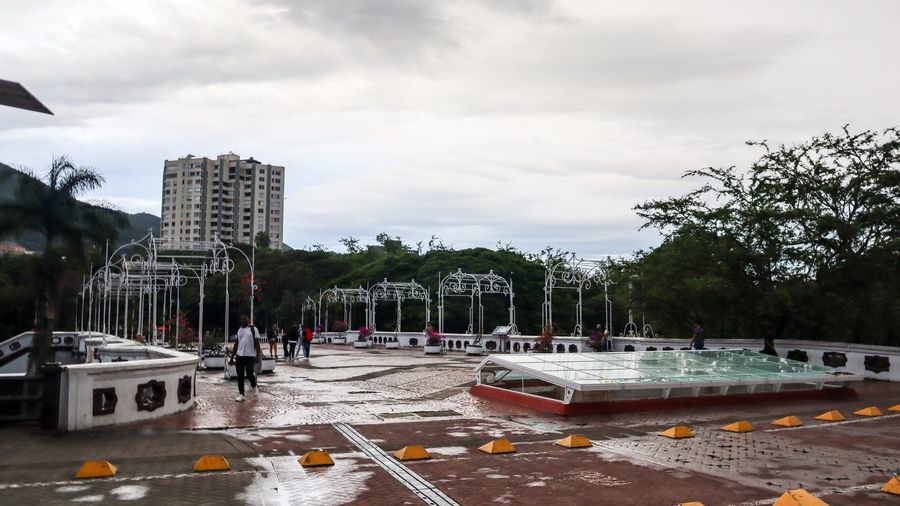
Plan Cali around its rhythm: give it two to three days, keep the evenings for salsa, and use the cooler mornings for the Cristo Rey climb and the San Antonio hill. The city sees far fewer foreign visitors than Cartagena or Bogotá, so a little Spanish or a bilingual guide goes a long way, and the whole trip is one of Colombia's best-value experiences.
Santiago de Cali is not a city you tick off a checklist — it is one you fall into step with. Colombia's third-largest city sits low and warm in the Cauca Valley, where sugarcane fields stretch toward the western Andes and the heat never really lets go. It is known the world over as the capital of salsa, and that reputation is not marketing: the dance is woven into daily life here, taught in more than a hundred academies and spilling out of neighbourhood salsatecas every weekend. Planning a trip to Cali is mostly a matter of pacing yourself around that energy — leaning into the late nights while saving the sunlit hours for the viewpoints, the hills, and the riverside. This guide walks through when to go, how long to stay, which experiences are worth booking, and how to handle the practical side without losing the plot.
When is the best time to visit Cali?
Cali is warm all year, so timing is about events and rain rather than temperature. The Feria de Cali (25–30 December) is the city at full volume, the World Salsa Festival lands in September, and the drier stretch from June to September gives the most reliable days for outdoor sights. March through May brings the heaviest afternoon storms, though mornings usually stay clear.
Sitting at roughly 1,000 metres in the valley, Cali holds a steady 25–30°C almost every day of the year, which means you never really plan around a "season" the way you would further south. What you plan around instead is the calendar of events and the rain. The Feria de Cali, held every year from 25 to 30 December, is the headline: six days of salsa-orchestra competitions, horseback cabalgatas, and street parties that draw more than two million people. It is exhilarating but crowded and expensive, so book accommodation months ahead if you want to be here for it. For dancers, the World Salsa Festival in September is the other magnet, bringing elite competitors from across the globe.
If you would rather have the city to yourself, aim for the drier months of June through September, when clear skies make the Cristo Rey climb and hillside wandering most pleasant. The wettest stretch, March to May, brings heavy afternoon downpours — plan sightseeing for the morning and let the storms pass while you rest before the evening's dancing.
How many days do you need, and where should you stay?
Two to three days is the sweet spot: enough for the salsa scene, a viewpoint or two, and one relaxed neighbourhood afternoon. Base yourself in San Antonio for character and walkability or Granada for restaurants and nightlife — both are central, safe by Cali standards, and close to the action.
Cali is a city of moods rather than a dense cluster of must-see monuments, so you do not need a long stay to feel it. Two full days cover the essentials — a night of salsa, a Cristo Rey morning, and a sunset in San Antonio — while a third day lets you slow down, take a dance lesson, or head out into the valley. Add a fourth only if you want a proper day trip to the sugarcane haciendas or the nearby town of Ginebra.
Where you sleep shapes the trip more than in most cities. San Antonio is the postcard neighbourhood: a hilltop of pastel colonial houses, cafés, and craft shops around a small church and park, walkable and full of character. Granada is the polished dining-and-nightlife district, handy if good restaurants and an easy taxi to the clubs matter most. Both are central and among the safer areas to base yourself. Wherever you land, the Bulevar del Río — the pedestrian promenade along the Cali River pictured above — is the natural spine connecting the centre, and a pleasant place to orient yourself on the first afternoon.
Which tours and experiences are worth booking?
Cali's signature experiences split between dance and daylight. A salsa lesson plus a guided club night is the one thing almost everyone should book, since the best floors are in districts you would not find alone. Beyond that, a private city tour ties together Cristo Rey, San Antonio, and the river, and the monthly Delirio show is the cultural showpiece.
Some of Cali works fine on your own, but its defining nights are far better with a local. Here is how the main options compare:
| Experience | Why book it | Best for |
|---|---|---|
| Salsa lesson + guided night out | Learn the basics, then dance where locals do in outer districts like Juanchito | Everyone — even non-dancers |
| Private city tour | Links Cristo Rey, San Antonio, and the river in one half-day | First-timers, short stays |
| Group salsa/culture tour | Cheaper, sociable, covers the salsa scene and Afro-Colombian heritage | Solo travellers, budgets |
| Delirio show (monthly) | Cali's salsa-meets-circus spectacular, its cultural crown jewel | Book weeks ahead |
| Cauca Valley day trip | Sugarcane haciendas and countryside beyond the city | Fourth-day add-ons |
The 26-metre Cristo Rey statue, completed in 1953 on a hill at 1,440 metres, is the classic morning outing for its sweeping valley views — go early, before the haze and heat build. The hilltop San Antonio park is the place to end a day, with a cold beer and the whole city glowing below at sunset. For a gentle riverside stroll, the Cat Park and its whimsical feline sculptures make an easy hour. But the heart of any Cali trip is the salsa scene, and a guide who knows the salsatecas is the surest way in.
How much should you budget?
Cali is one of Colombia's best-value destinations. Group salsa and culture tours run COP 80,000–150,000 ($20–37) per person, a private half-day city tour COP 200,000–350,000 ($50–85), and a salsa lesson with a night out COP 120,000–200,000 ($30–50). Food, drinks, and local transport are cheap by international standards.
Guided experiences here cost a fraction of what you would pay in Europe or North America, so it is worth spending on the things a local unlocks. Rough current ranges:
| Tour Type | Price (COP) | Approx. USD | Notes |
|---|---|---|---|
| Group salsa / culture tour | 80,000–150,000 | $20–37 | Per person |
| Private city tour | 200,000–350,000 | $50–85 | Half-day |
| Salsa lesson + night out | 120,000–200,000 | $30–50 | Per person |
| Private full-day guide | 350,000–600,000 | $85–150 |
Beyond tours, day-to-day costs are low: a hearty almuerzo ejecutivo (set lunch) runs a few dollars, a local lulada or champús — the tangy fruit drinks unique to the region — costs little, and MIO bus fares are under a dollar. A daily tip of COP 15,000–25,000 for a guide is standard and appreciated. Carry cash for smaller venues and the outer clubs, where card readers are unreliable, but keep the bulk of your money in the hotel safe.
How do you get around Cali?
The MIO rapid-bus network is the backbone of city transport, cheap and useful for longer hops, while taxis and ride-hailing apps cover the gaps. The centre and San Antonio reward walking in the cooler hours, but for club nights in outer districts, always take a booked taxi or app car rather than the bus.
Cali's MIO system — a network of dedicated-lane articulated buses — covers the main corridors across the city and is the local way to move around by day. It is inexpensive and efficient for longer distances, though it can be crowded at peak times and takes a little decoding for first-timers. For everything else, taxis and ride-hailing apps are easy to hail and affordable; using an app gives you a fixed fare and a record of the trip, which is the safer choice after dark.
The compact Centro and hilly San Antonio are genuinely walkable, best explored in the morning or early evening before the midday heat peaks. The one firm rule is nightlife logistics: the legendary salsa clubs of districts like Juanchito sit well outside the tourist core, so travel there and back by booked car, ideally as part of a guided night rather than solo. Arriving travellers land at Alfonso Bonilla Aragón International Airport, about 20 km northeast near Palmira, a 30-to-45-minute transfer from the centre by official taxi or shared shuttle.
Do you need a local guide, and how do you find one?
A guide matters more in Cali than in Colombia's tourist-heavy cities, because English is rare and the best of Cali — the authentic salsa floors, the Afro-Colombian heritage, the neighbourhoods off the map — is hard to reach cold. Look for guides through your accommodation or operators registered under Colombia's Registro Nacional de Turismo (RNT).
Cali draws far fewer international visitors than Cartagena or Bogotá, and that has a double effect: English is spoken much less, and a good local guide is correspondingly more valuable. Beyond translation, a guide connects you with dance instructors, gets you safely into salsatecas where you would otherwise feel lost, and opens up the Afro-Colombian culture that gives the city its soul. With over a hundred salsa academies in town, they also know which schools suit a nervous beginner versus a confident dancer.
To find someone reliable, start with your hotel or hostel — Colombian accommodations tend to keep relationships with trusted guides — and look for operators carrying an RNT number, the national tourism registration that signals a legitimate business. A little Spanish will always deepen the experience, but a bilingual guide is the shortcut that turns a warm, welcoming, and slightly bewildering city into a legible one.
Related Guides
- Planning a Trip to Cartagena's Old Town — a very different side of Colombia, all colonial walls and Caribbean colour
- Planning the Perfect Trip to Bariloche — another South American planner built around choosing your rhythm before you book
- Hanoi and Halong Bay Planning — a parallel two-to-three-day city-plus-excursion structure
Cali is a city you plan lightly and feel deeply. Give it a few days, keep the mornings for the hills and the evenings for the music, budget generously for the experiences that a local unlocks, and travel between neighbourhoods with a booked car after dark. Do that, and the world capital of salsa gives back more than almost any city its size — a warm, unhurried valley town that will have you moving to its beat long before you leave.
Frequently Asked Questions
How many days do you need in Cali?
Two to three days covers the salsa scene, a Cristo Rey morning, and sunset in San Antonio. A fourth day leaves room for a salsa lesson or a trip into the Cauca Valley's sugarcane country and colonial haciendas.
Is Cali worth visiting if you do not dance?
Yes. Beyond the dance floors there is the Cristo Rey viewpoint, the leafy San Antonio hill, riverside walks past the Cat Park sculptures, and warm weather year-round — though the nightlife is the main draw, and even reluctant visitors usually take one lesson.
How do you get from Cali airport to the city?
Alfonso Bonilla Aragón International Airport sits about 20 km northeast of the centre near Palmira. Official airport taxis and pre-booked transfers take 30 to 45 minutes, while shared shuttle vans run to the city for a fraction of the taxi fare.
Is Cali safe for tourists?
Cali rewards normal big-city caution. Stay in well-known neighbourhoods like San Antonio and Granada, use ride-hailing apps or booked taxis after dark, keep valuables out of sight, and lean on a local guide for salsa clubs in less-central districts.