
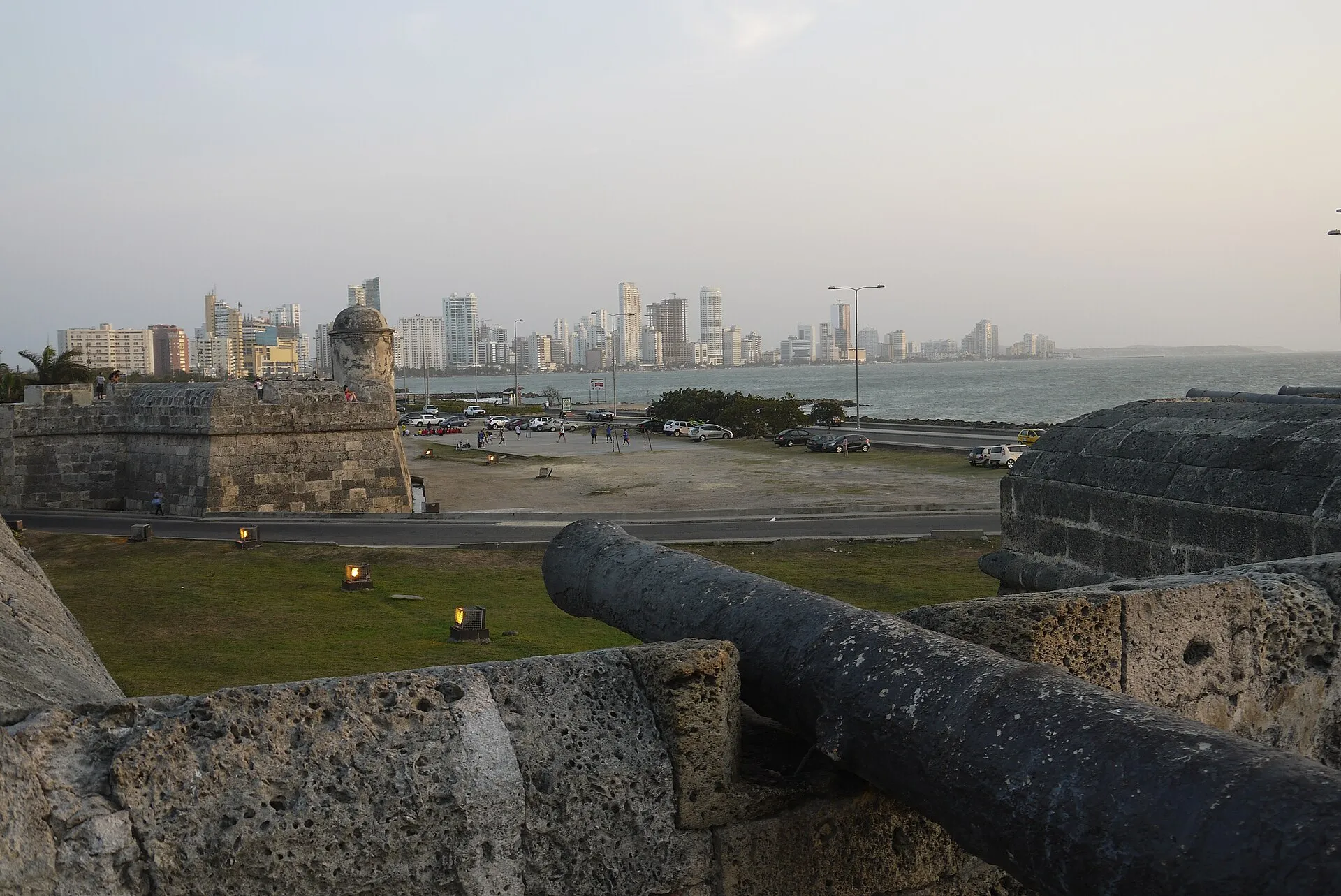
Cartagena timeline
-
Cartagena founded
The Caribbean port became a fortified hinge of Spanish Atlantic trade.
-
Siege resisted
Cartagena's defenses withstood a major British attack, cementing its fortress identity.
-
Independence declared
The city declared independence from Spain and became central to Colombian republican memory.
-
Walled city listed
UNESCO recognition protected the fortifications, streets, and colonial harbor.
Cited city facts
Key facts for visiting Cartagena
UNESCO World Heritage Site since 1984
Cartagena's walled colonial center and port fortifications were among the first sites in Colombia inscribed on the UNESCO list, recognizing their outstanding universal value
11 km of defensive stone walls
Construction of the city walls took nearly two centuries to complete, from 1586 to 1796, designed to repel attacks by pirates including Sir Francis Drake who sacked the city in 1586
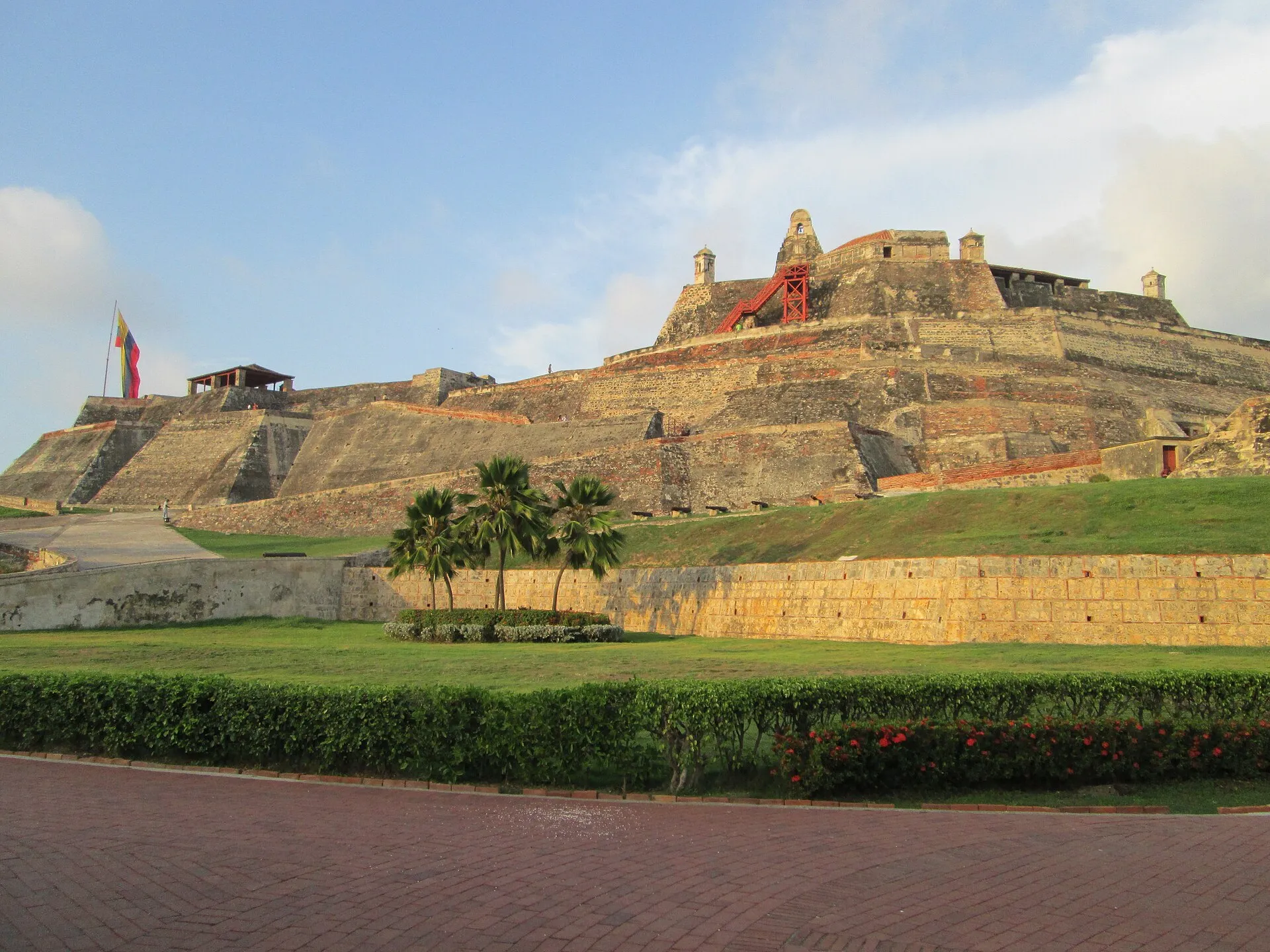
Castillo San Felipe de Barajas built 1536-1657
The largest Spanish-built fortress in the Americas covers an entire hillside with an intricate network of tunnels engineered to amplify the sound of approaching enemies
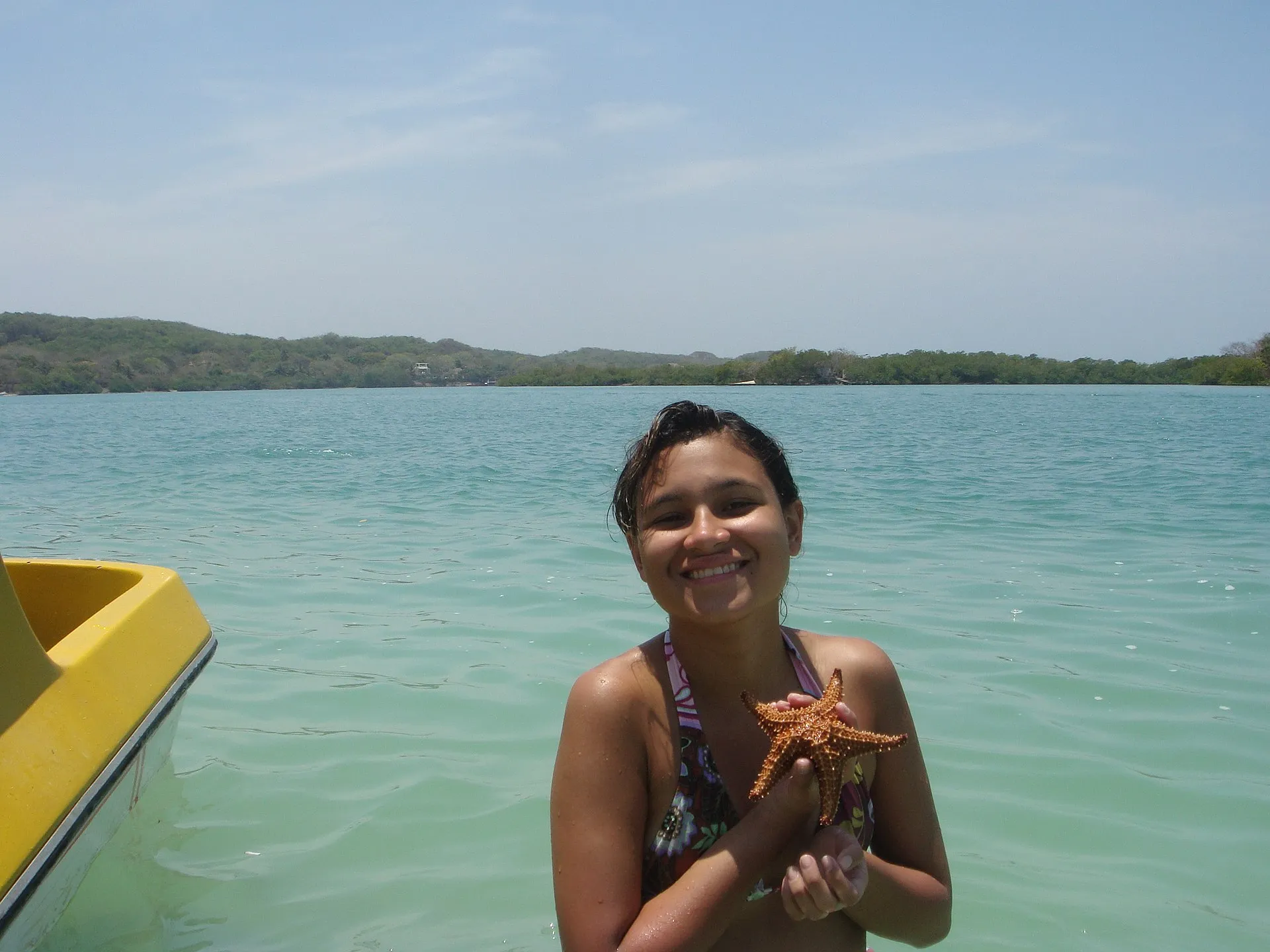
27 coral islands in the Rosario archipelago
Islas del Rosario National Park protects one of the most important coral reef systems on the Colombian Caribbean coast, located just 45 minutes by boat from the city
Source: tour-guide.com — Free to cite with attribution
Things to see
What are the top attractions in Cartagena?
- Walls at golden hour — Walk the ramparts at sunset when the stone glows amber
- San Felipe's tunnels — Underground passages designed to amplify approaching footsteps
- Café Havana in Getsemaní — Live salsa bands in a legendary bar
- Playa Blanca — White sand beach on Isla Barú, reachable by boat
- Bazurto Market — Cartagena's chaotic, authentic food market far from tourist areas
- San Pedro Claver Church — Honoring the "slave of the slaves" who fought for African freedom
Castillo San Felipe de Barajas
The Americas' mightiest fortress — 400 years of military genius
Getsemaní
Cartagena's soul — where street art, champeta, and rebellion mix
Rosario Islands
A Caribbean coral archipelago just an hour from Cartagena
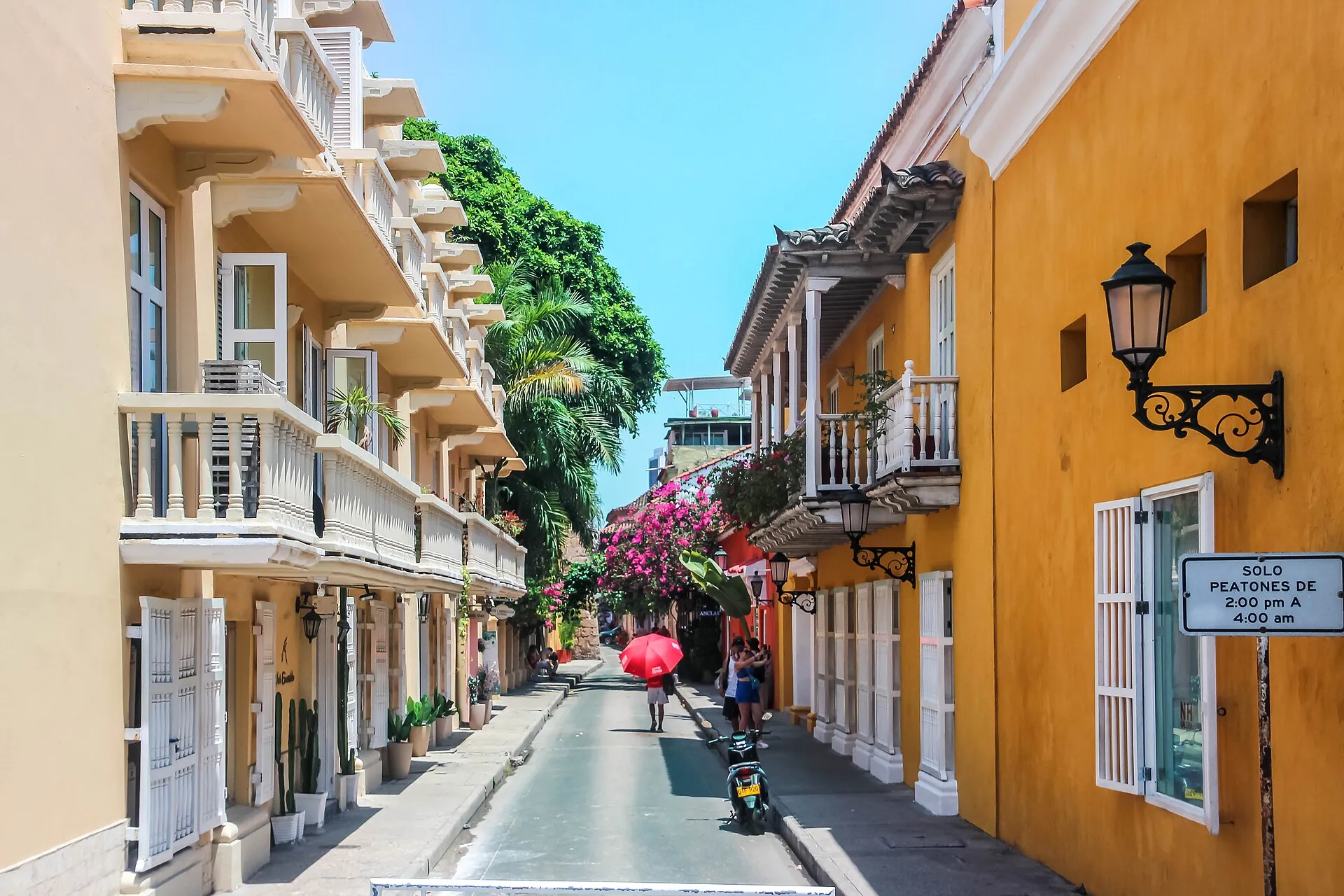
Walled City of Cartagena
A UNESCO World Heritage fortress city on the Caribbean Sea
Guide planning
How much does a tour guide cost in Cartagena?
| Tour Type | Price | Details |
|---|---|---|
| Group Walking Tours | COP 60,000–120,000 ($15–30) | Per person |
| Private City Tour | COP 300,000–500,000 ($75–125) | Half-day |
| Rosario Islands Trip | COP 150,000–300,000 ($37–75) | Per person, full day |
| Private Full-Day | COP 500,000–850,000 ($125–210) |
Season planner
When is the best time to visit Cartagena?
The dry season from December through April is peak time for Cartagena, bringing blue skies, calm seas for Rosario Islands boat trips, and comfortable conditions for walking the walled city. January hosts the Hay Festival, a major literary gathering that fills colonial courtyards with author talks and cultural events. The humid rainy season from May through November brings afternoon thunderstorms and fewer tourists, which means lower hotel prices and emptier ramparts for photography. November's independence celebrations on the 11th ignite the city with parades, music, and dancing in the streets of Getsemaní. Regardless of season, Cartagena averages 32°C, so schedule walking tours for early morning or late afternoon and carry water at all times to handle the Caribbean heat.
Spring
Mar-May
Summer
Jun-Aug
Autumn
Sep-Nov
Winter
Dec-Feb
Each score averages that season’s monthly ratings out of 5. The top-rated window is usually the peak season too, so read the guidance above for its trade-offs before you book.
On the ground
How do you get around Cartagena?
- Heat — Cartagena averages 32°C (90°F) year-round — tour early morning or late afternoon
- Hydration — Carry water constantly. Guides often schedule shade breaks and cold drink stops
- Street vendors — Persistent but harmless — a firm "no gracias" works. Guides help manage encounters
- Tipping — COP 20,000–40,000 per day for guides is generous and appreciated
Frequently Asked Questions
What is the best time to visit Cartagena?
The dry season from December through April brings blue skies and calm seas for island trips. January hosts the Hay Festival literary event, and November's independence celebrations are lively. The rainy season from May through November means fewer crowds and lower prices, though afternoon storms are common.
How much does a tour guide cost in Cartagena?
Group Walking Tours: COP 60,000–120,000 ($15–30 per person). Private City Tour: COP 300,000–500,000 ($75–125 half-day). Rosario Islands Trip: COP 150,000–300,000 ($37–75 per person, full day).
How do you get around Cartagena?
Heat: Cartagena averages 32°C (90°F) year-round — tour early morning or late afternoon. Hydration: Carry water constantly. Guides often schedule shade breaks and cold drink stops.