
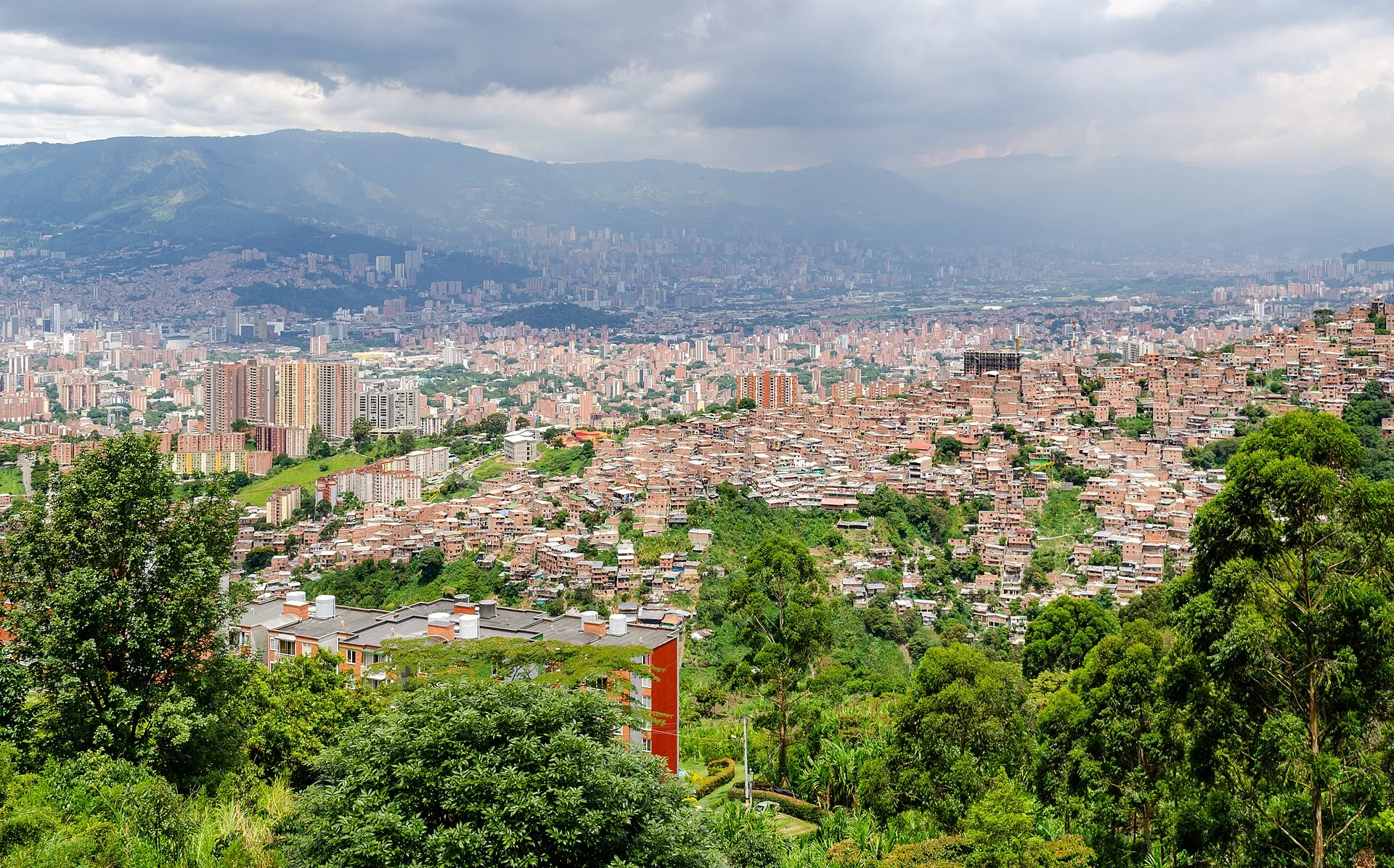
Medellín timeline
-
Aburra settlement begins
The Poblado de San Lorenzo marked an early colonial settlement in the valley.
-
Antioquia capital
Medellin became the provincial capital, concentrating trade and civic institutions.
-
Metro opens
The elevated metro became the backbone of Medellin's modern urban transformation.
Cited city facts
Key facts for visiting Medellín
Homicide rate dropped 95% between 1991 and 2015
Medellin transformed from the world's most violent city to a globally recognized model of urban renewal through public transit investment, community programs, and architectural innovation
740 steps to the top of Piedra del Penol
The 220-meter granite monolith near Guatape offers panoramic views over a reservoir with hundreds of islands, and the staircase built into a crack in the rock face draws over 300,000 visitors per year
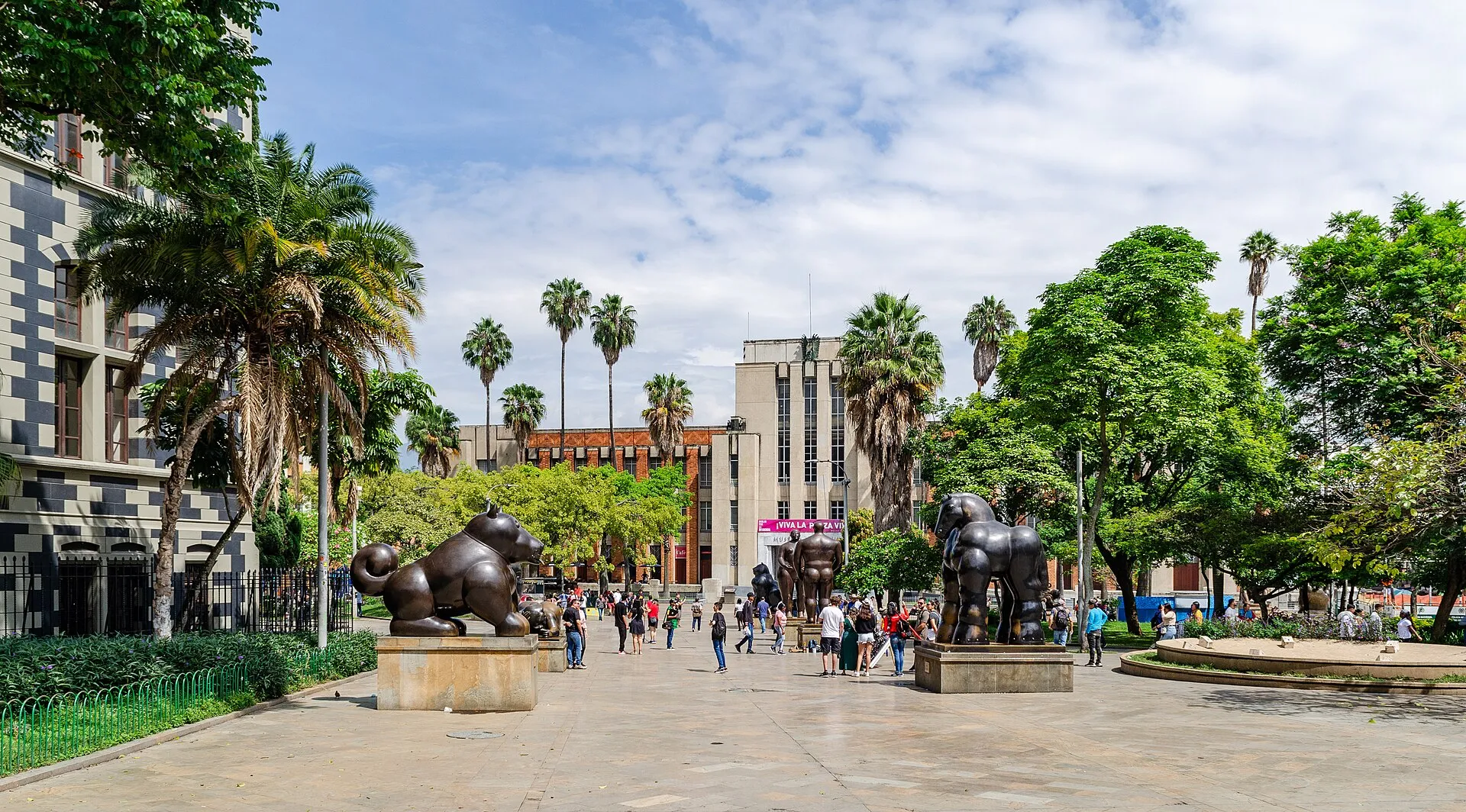
23 Botero sculptures in a single public plaza
Plaza Botero in downtown Medellin displays the largest open-air collection of Fernando Botero's monumental bronze figures, donated by the artist to his hometown in 2000
Metrocable system opened in 2004 as the first of its kind
Medellin pioneered the use of urban aerial gondolas as mass transit, connecting steep hillside neighborhoods to the metro system and reducing commute times from two hours to twelve minutes
Source: tour-guide.com — Free to cite with attribution
Things to see
What are the top attractions in Medellín?
- Comuna 13 with a local — Hear firsthand stories of resilience from neighborhood residents
- Metrocable ride — Cable car above the hillside barrios with valley panoramas
- Plaza Botero at dawn — Fewer crowds, better photos of the 23 sculptures
- Parque Arví hiking — Cloud forest trails just 30 minutes by metrocable from the city
- Piedra del Peñol — 740 steps to the top of a 200m granite monolith
- Bandeja paisa — Medellín's iconic platter of beans, rice, plantain, chorizo, and more
Comuna 13
Medellín's most powerful story — told in murals, music, and memory
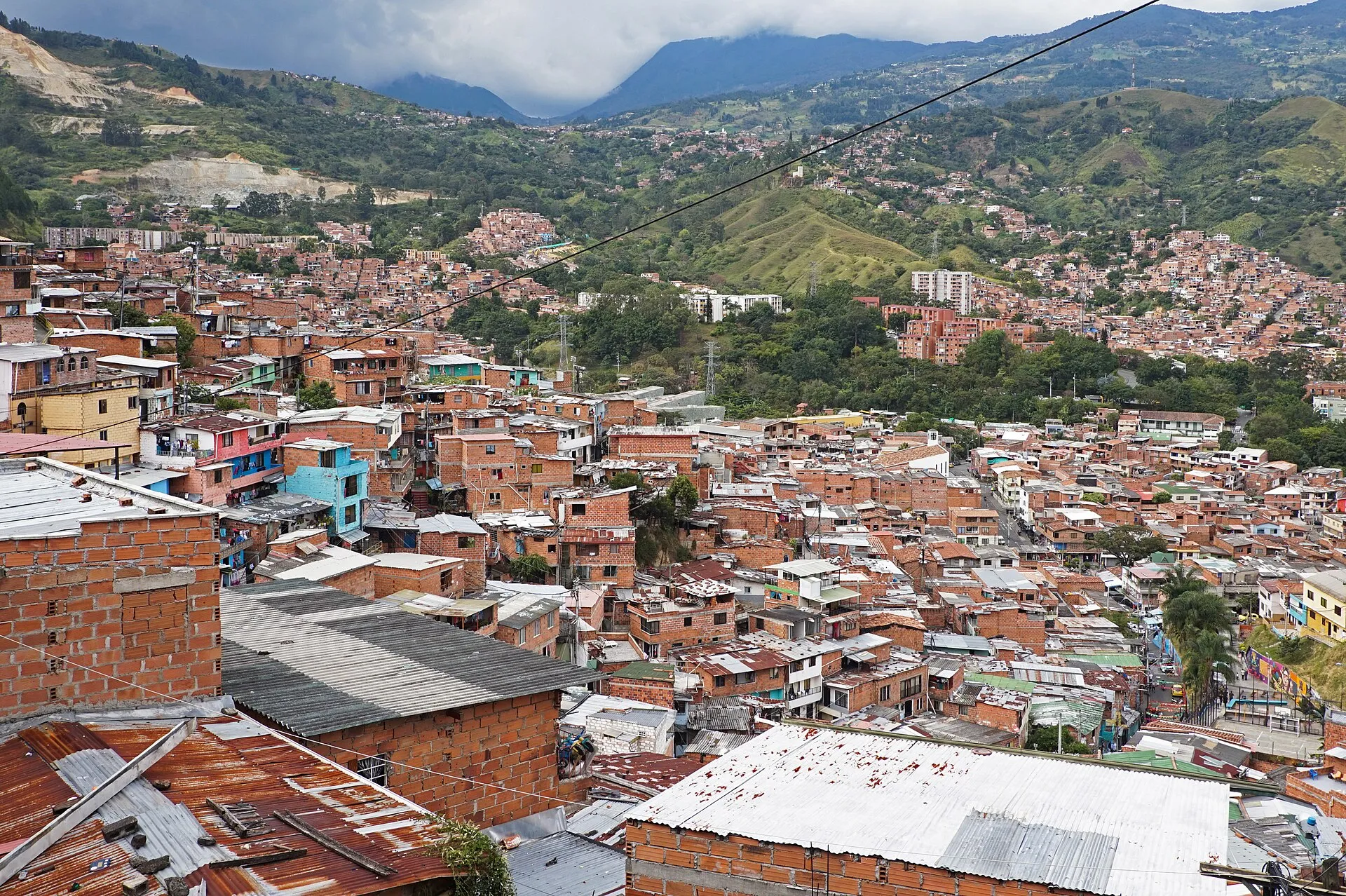
Guatapé
740 steps to the top of a granite giant — with a rainbow town at its feet
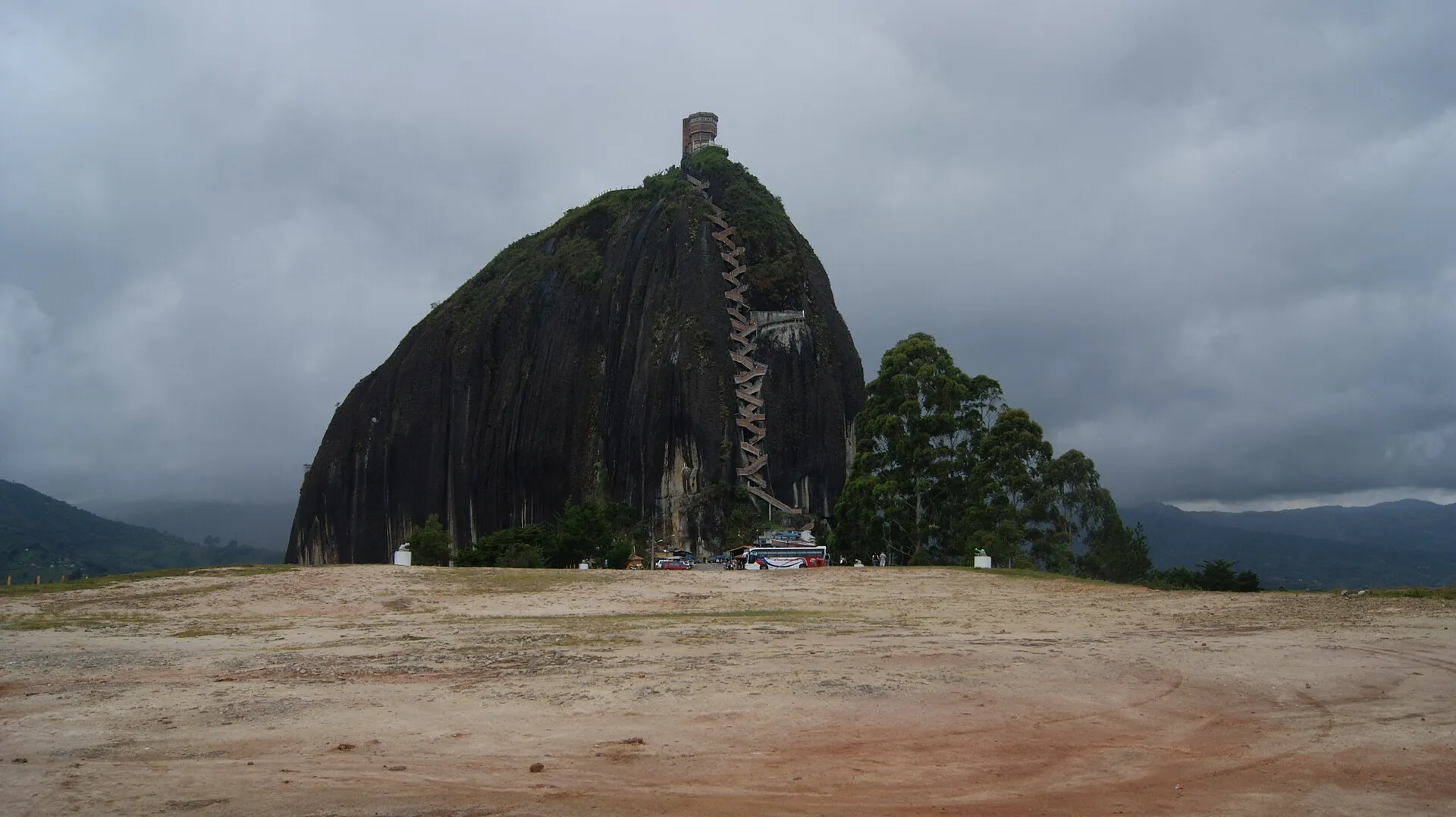
Parque Arví
Cloud forest in the sky — a metrocable ride above Medellín
Plaza Botero
23 monumental sculptures by Colombia's most famous artist — free and open-air
Guide planning
How much does a tour guide cost in Medellín?
| Tour Type | Price | Details |
|---|---|---|
| Comuna 13 Tours | COP 60,000–100,000 ($15–25) | Per person |
| Private City Tour | COP 250,000–400,000 ($60–100) | Half-day |
| Guatapé Day Trip | COP 180,000–300,000 ($45–75) | Per person with transport |
| Private Full-Day | COP 400,000–700,000 ($100–175) |
Season planner
When is the best time to visit Medellín?
Medellín earns its nickname "City of Eternal Spring" with daytime temperatures hovering around 22-28°C throughout the year, thanks to its 1,500-meter elevation in the Aburrá Valley. The Feria de las Flores in early August is the city's grandest celebration, when flower farmers from the surrounding highlands carry elaborate silletas (flower arrangements) on their backs through the streets in a massive parade. The driest months from December through March offer the most reliable sunshine for Metrocable rides and Guatapé day trips. June brings the heaviest rains, with powerful afternoon downpours that can disrupt outdoor plans, though mornings usually stay dry. Light rain is possible any afternoon year-round, so a packable rain jacket is essential gear for guided tours through neighborhoods like Comuna 13.
Spring
Mar-May
Summer
Jun-Aug
Autumn
Sep-Nov
Winter
Dec-Feb
Each score averages that season’s monthly ratings out of 5. The top-rated window is usually the peak season too, so read the guidance above for its trade-offs before you book.
On the ground
How do you get around Medellín?
- Rain gear — Light rain possible any afternoon — carry a packable jacket
- Metro system — Clean, efficient, and affordable — guides often use it as part of tours
- Guatapé timing — Leave early (7–8 AM) to beat crowds at the Piedra del Peñol
- Sensitivity — Avoid "narco tourism" — locals are tired of that narrative. Respect the city's transformation
- Tipping — COP 15,000–30,000 per day for guides is generous
Frequently Asked Questions
What is the best time to visit Medellín?
Medellín enjoys spring-like weather year-round at 22-28°C. The Feria de las Flores in August is the city's premier festival with its famous silleta flower parade. December through March is driest and sunniest, while June brings the heaviest rains. Light afternoon showers are possible in any month.
How much does a tour guide cost in Medellín?
Comuna 13 Tours: COP 60,000–100,000 ($15–25 per person). Private City Tour: COP 250,000–400,000 ($60–100 half-day). Guatapé Day Trip: COP 180,000–300,000 ($45–75 per person with transport).
How do you get around Medellín?
Light rain possible any afternoon — carry a packable jacket. Metro system: Clean, efficient, and affordable — guides often use it as part of tours.