
Planning the Perfect Trip to Bariloche: Lakes, Trails, and Chocolate
A practical Bariloche trip planner — choosing between summer trekking and winter skiing, picking the right guided tours, budgeting in Argentine pesos, and sorting out the logistics of getting around the Nahuel Huapi lake district.
Read the full guideUpdated · 7 min read
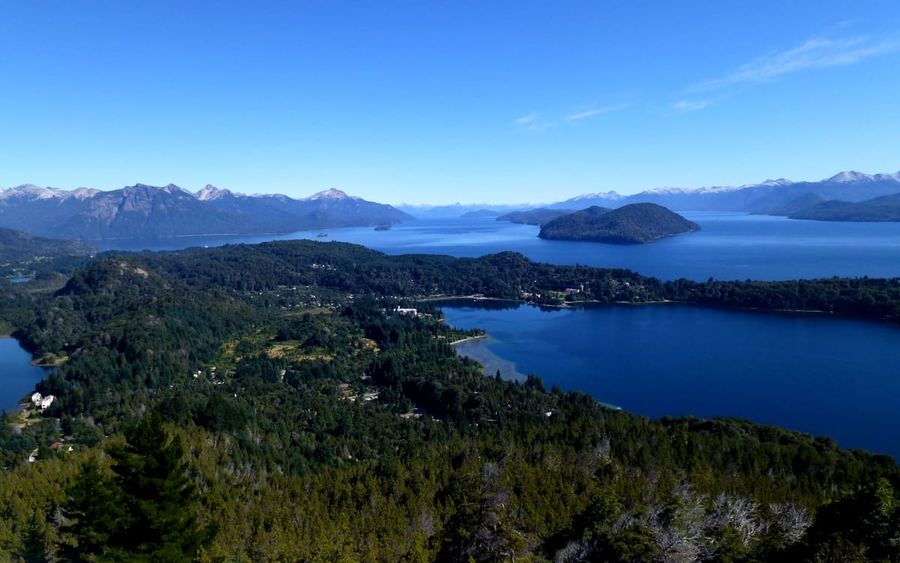
Planning Bariloche starts with choosing your season: summer (December–March) for hiking, kayaking, and long daylight, or winter (June–September) for skiing Cerro Catedral, South America's largest resort. Give it three to four days for the Circuito Chico, a chocolate crawl, and one full-day excursion, and carry pesos for guides and refugios.
San Carlos de Bariloche is the kind of place that rearranges your expectations of Argentina. Most travellers arrive picturing tango, beef, and the flat immensity of the pampas, then step off the plane into a landscape of glacial lakes, dark coihue forests, and the snow-streaked peaks of the northern Patagonian Andes. The Swiss-Alpine chalets and chocolate shops along the main street only deepen the sense of having landed somewhere that doesn't quite match the rest of the country. Planning a trip here is mostly a matter of deciding which version of Bariloche you want — the summer one of long hikes and cold-water beaches, or the winter one of ski lifts and woodsmoke — and then building the practical details around that choice.
Which season should you decide on first?
Everything flows from timing, so settle the season before booking. Summer (December to March) opens hiking, kayaking, biking, and lake swimming with daylight past 9 PM, though afternoon wind and lakeside horseflies intrude. Winter (June to September) is ski season at Cerro Catedral. The shoulder months are quietest, cheapest, and least predictable.
Everything about a Bariloche trip flows from when you go, so settle the season before you book anything else.
Summer (December to March) is the window for hiking, kayaking, mountain biking, and lake swimming. Daylight stretches until well after 9 PM, which makes it possible to do a full hike in the morning and still have a leisurely afternoon. The trade-off is wind, which tends to build through the afternoon, and the tábanos — large but harmless horseflies that swarm near the lakeshores in December and January. Plan demanding walks for the cooler, calmer mornings.
Winter (June to September) turns the town into one of South America's busiest ski destinations. Cerro Catedral, just outside the centre, is the largest ski resort on the continent, with around 120 kilometres of runs spread across 600 hectares. July is the peak, coinciding with Argentine school holidays, so both the slopes and the town fill up. If you want a ski trip, this is the only time to come, but reserve accommodation and lessons months ahead.
The shoulder months — April, May, and October — are the quietest and cheapest. The forests turn gold in autumn and the first wildflowers appear in spring, but the weather is genuinely unreliable: you might get a string of crisp, clear days or a week of rain and low cloud. These months reward flexible travellers who don't mind adjusting plans around the forecast.
How do you choose the right tours?
Bariloche works self-guided, but a few outings improve with a local guide. The 60-kilometre Circuito Chico is the essential introduction, best timed to dodge the tour-bus crush, with the Cerro Campanario chairlift for its famous panorama. A Nahuel Huapi lake crossing and multi-day trekking to high refugios reward guided expertise most.
Bariloche works perfectly well as a self-guided destination, but a few experiences are markedly better with a local guide who knows the terrain and the weather windows.
The Circuito Chico is the essential introduction — a 60-kilometre scenic loop that hugs the lakeshore past viewpoints, beaches, and craft breweries. You can drive it, cycle it, or take a half-day guided tour. A guide earns their fee here by timing the stops to avoid the tour-bus crush at the popular overlooks and by pointing out the trailheads and cervecerías that don't appear on the standard maps. Build in the short chairlift up Cerro Campanario, whose summit panorama over the lake district was once called one of the best views in the world.
A lake crossing on Nahuel Huapi is the other signature outing. The Cruce Andino journey threads across the glacial lake and over the Andes toward Chile, linking a chain of boats and buses through scenery that is hard to reach any other way. It runs as a long full day or a two-day trip with an overnight at Peulla, and because the logistics are intricate, it is almost always booked as an organised excursion rather than pieced together independently.
For trekking, a guide moves from convenience to safety. Multi-day routes to the high refugios cross exposed passes where Patagonian weather can shift within an hour, and a guide who reads the conditions keeps you off the ridgelines on the wrong days. If you only have time for one walk, the forested trails around the lake offer gentler day hikes that need no guide at all.
How much should you budget for Bariloche?
Argentina's currency swings make precise budgeting hard, so think in ranges and carry extra cash. A half-day Circuito Chico tour runs AR$40,000–70,000, a full-day lake crossing AR$80,000–150,000, and guided trekking AR$50,000–90,000 per day. Ski passes and lessons at Cerro Catedral are a separate winter cost, while the chocolate crawl costs little.
Argentina's currency swings make precise budgeting difficult, so think in ranges and carry more cash than you expect to need — many guides, refugios, and small operators still prefer pesos, and card acceptance thins out once you leave the town centre.
As a rough guide, a half-day Circuito Chico tour runs about AR$40,000-70,000 ($40-70), a full-day lake-crossing excursion AR$80,000-150,000 ($80-150), and guided trekking AR$50,000-90,000 per day. A private full-day guide is typically AR$80,000-140,000. Ski passes, equipment rental, and lessons at Cerro Catedral are a separate and significant winter cost, so factor those in if you're coming for the snow.
Beyond tours, the town is reasonably priced by international standards. The chocolate crawl along Avenida Mitre — Rapa Nui, Mamuschka, and Del Turista are the local institutions — costs little and is one of the genuine pleasures of the place. Accommodation is the line item most worth booking early: prices climb steeply and availability vanishes during the July ski peak and the December-to-February summer high season.
How do you get around, and what logistics matter?
Most visitors fly into Bariloche's airport from Buenos Aires in about two hours, then choose their transport. A rental car gives the most freedom for the Circuito Chico and national park, though expect gravel. Local buses run along Avenida Bustillo, and the compact centre around Avenida Mitre is walkable for the chocolate trail.
Bariloche's airport (BRC) connects to Buenos Aires in about two hours, which is how most visitors arrive. From there, your transport choice shapes the trip.
Renting a car gives the most freedom for the Circuito Chico and the wider national park, letting you stop at viewpoints and trailheads on your own schedule. Be ready for gravel sections and changeable mountain weather. Local buses run along Avenida Bustillo, the main lakeside road, linking the town to many Circuito Chico stops and nearby trailheads, though service thins outside peak season and requires patience. The compact town centre around Avenida Mitre is easily walkable for restaurants, gear shops, and the chocolate trail, so you only need wheels for the outlying sights.
A few practical habits make the trip smoother. Pack layers and rain gear even for a half-day outing, because the weather genuinely turns fast here. Book guides, ski lessons, and refugio spots well in advance during both high seasons. And keep some pesos on hand for the smaller operators and mountain huts where cards simply don't reach. Get those basics right and Bariloche delivers on its outsized promise — a corner of Patagonia where the lakes, the peaks, and the chocolate all live up to the postcard.
Frequently Asked Questions
When is the best time to visit Bariloche?
December to March suits hiking and kayaking with daylight until after 9 PM, while June to September is ski season at Cerro Catedral. The shoulder months of April, May, and October are quieter but weather is less predictable.
How many days do you need in Bariloche?
Three to four days covers the Circuito Chico, a chocolate crawl, and one full-day excursion such as a lake crossing or trek. A week lets you add multi-day hikes to mountain refugios or a ski course.
How much does a guided tour in Bariloche cost?
A half-day Circuito Chico tour runs roughly AR$40,000-70,000 (about $40-70), a full-day lake crossing AR$80,000-150,000, and guided trekking AR$50,000-90,000 per day. Carry cash, since many operators prefer pesos.
Do you need a car in Bariloche?
A car is the most flexible way to drive the Circuito Chico and reach trailheads, but local buses along Avenida Bustillo and organised tours cover most highlights if you would rather not drive on gravel mountain roads.