
Cited city facts
Key facts for visiting Bariloche
700,000+ hectares of protected wilderness
Nahuel Huapi National Park, established in 1934 as Argentina's first national park, covers an area larger than the entire country of Brunei
6 million kg of chocolate produced annually
Bariloche is Argentina's chocolate capital, with over 30 artisan chocolaterías concentrated along a single main street — Avenida Mitre
120 km of ski runs at Cerro Catedral
South America's largest ski resort operates 40 lifts across 600 hectares of skiable terrain between June and October
Lake Nahuel Huapi reaches 464 meters depth
The glacially carved lake is one of the deepest in South America and stretches over 100 km in length across the Patagonian Andes
A national high-tech hub, not just a resort
Beyond tourism, Bariloche anchors part of Argentina's advanced-technology sector — INVAP builds nuclear research reactors exported abroad and the ARSAT communications satellites, while the Instituto Balseiro trains the country's elite physicists and nuclear engineers
Source: tour-guide.com — Free to cite with attribution
Things to see
What are the top attractions in Bariloche?
- Nahuel Huapi boat crossing — The Cruce Andino lake crossing from Bariloche to Chile is one of the most scenic journeys in South America
- Circuito Chico by bike — Rent a bike and pedal the lakeside loop, stopping at viewpoints and cervecerías artesanales (craft breweries) along the way
- Calle Mitre chocolate crawl — Bariloche's main street is lined with artisan chocolaterías; Rapa Nui, Mamuschka, and Del Turista are local institutions
- Cerro Campanario viewpoint — A 20-minute chairlift ride to what National Geographic once called "the best view in the world" — the entire lake district spread below you
- Centro Cívico — Bustillo's stone-and-cypress plaza from 1940, home to the Museo de la Patagonia and the historical heart of the town
- Arrayanes Forest — Take a boat across Nahuel Huapi to the Quetrihué Peninsula, home to a rare cinnamon-barked myrtle forest that inspired Walt Disney's Bambi backdrop
Centro Cívico
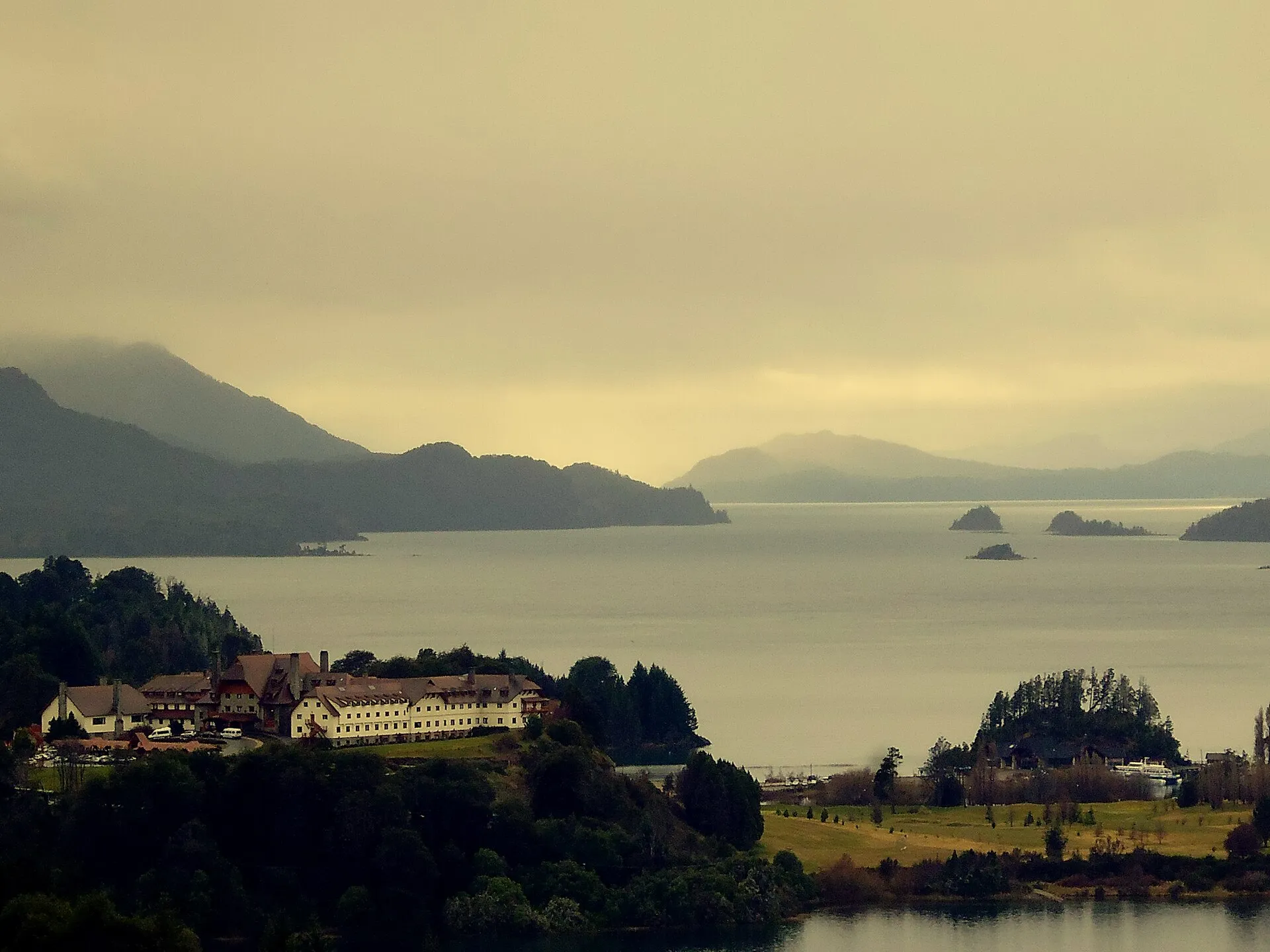
An alpine stone plaza on the lakeshore — Bariloche's architectural soul since 1940

Circuito Chico
Sixty kilometers of Patagonian perfection — lakes, peaks, and craft beer along the way
Nahuel Huapi
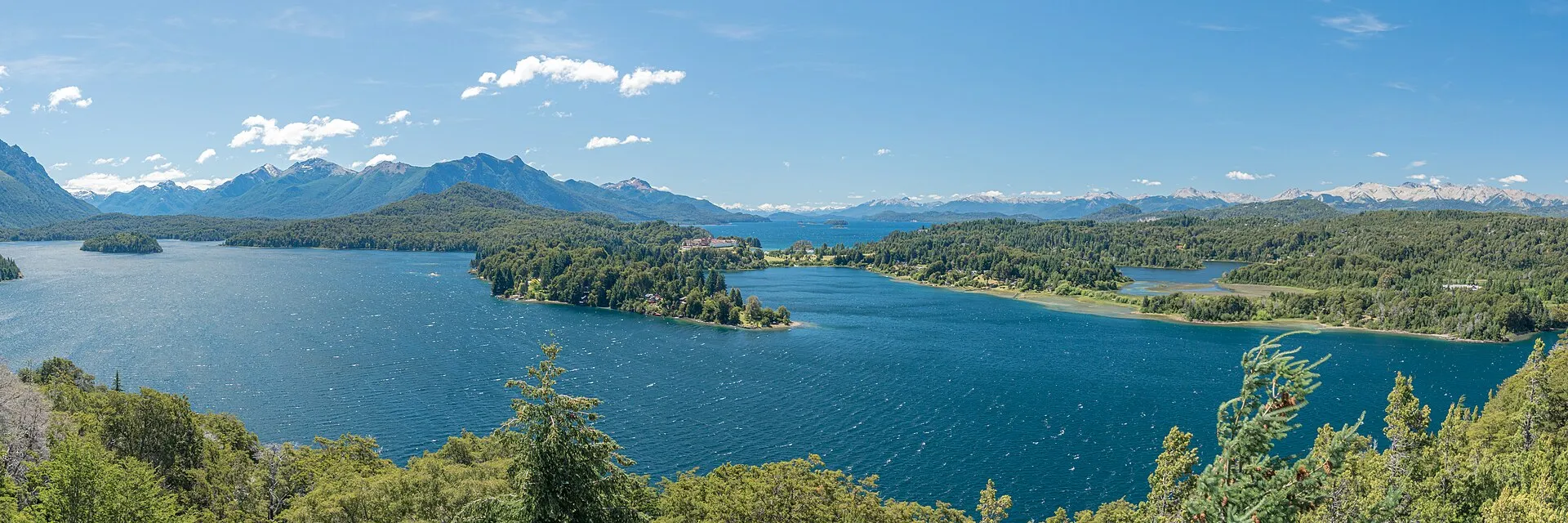
A glacial lake of impossible blue, cradled by ancient forests and volcanic peaks
Guide planning
How much does a tour guide cost in Bariloche?
| Tour Type | Price | Details |
|---|---|---|
| Circuito Chico Tour | AR$40,000-70,000 ($40-70) | Half day |
| Lake Crossing Excursion | AR$80,000-150,000 ($80-150) | Full day |
| Guided Trekking | AR$50,000-90,000 ($50-90) | Per day |
| Private Full Day | AR$80,000-140,000 ($80-140) | — |
Season planner
When is the best time to visit Bariloche?
- Weather changes fast — Patagonian weather is notoriously unpredictable — pack layers, rain gear, and sunscreen even for a half-day outing
- Book ski season early — July is peak season at Cerro Catedral, South America's largest ski resort
- Summer (December-March) — Long daylight hours (sunset after 9 PM) make this ideal for trekking, but wind picks up every afternoon — plan hikes for mornings
- Tábano flies — In December and January, large horseflies (tábanos) swarm near lakeshores — they're harmless but annoying
Spring
Mar-May
Summer
Jun-Aug
Autumn
Sep-Nov
Winter
Dec-Feb
Each score averages that season’s monthly ratings out of 5. The top-rated window is usually the peak season too, so read the guidance above for its trade-offs before you book.
On the ground
How do you get around Bariloche?
- Local buses — Buses run along Avenida Bustillo, the main lakeside road, connecting the town centre to Circuito Chico stops and nearby trailheads, though service can be infrequent outside peak season
- Car rental — Renting a car is the most practical option for exploring the lake district and national park at your own pace
- Walkable center — The compact town centre along Avenida Mitre is easily walkable for restaurants, chocolate shops, and gear stores
- Getting here — Bariloche airport (BRC) has direct flights from Buenos Aires (2 hours). Book accommodation and guides well ahead — they fill up months in advance during ski season and summer
Frequently Asked Questions
What is the best time to visit Bariloche?
December through March is ideal for hiking, kayaking, and long daylight hours with sunset after 9 PM. June through September is ski season at Cerro Catedral, South America's largest ski resort, with July being the busiest month.
How much does a tour guide cost in Bariloche?
Circuito Chico Tour: AR$40,000-70,000 ($40-70 half day). Lake Crossing Excursion: AR$80,000-150,000 ($80-150 full day). Guided Trekking: AR$50,000-90,000 ($50-90 per day).
How do you get around Bariloche?
Local buses run along the main lakeside road and connect to nearby trailheads, though service can be infrequent. Renting a car is the most practical option for the Circuito Chico and national park access, while the compact town centre along Avenida Mitre is easily walkable.
What is Bariloche best known for?
Bariloche is famous for three very different things. It is Argentina's chocolate capital, with more than thirty artisan chocolaterías along Avenida Mitre; it is home to Cerro Catedral, South America's largest ski resort; and it is the gateway to Nahuel Huapi, the country's first national park. Less known is its role as a national science hub — the Instituto Balseiro and the high-tech firm INVAP, builder of research reactors and satellites, are both based here.
How many days should you spend in Bariloche?
Plan on at least three to four days. One day covers the Circuito Chico and the Cerro Campanario viewpoint, a second is enough for a boat excursion on Nahuel Huapi or the Arrayanes Forest, and a third leaves room for a longer trek to a mountain refugio or, in winter, a full day skiing at Cerro Catedral. A week lets you add the Cruce Andino crossing to Chile or the Ruta de los Siete Lagos.