
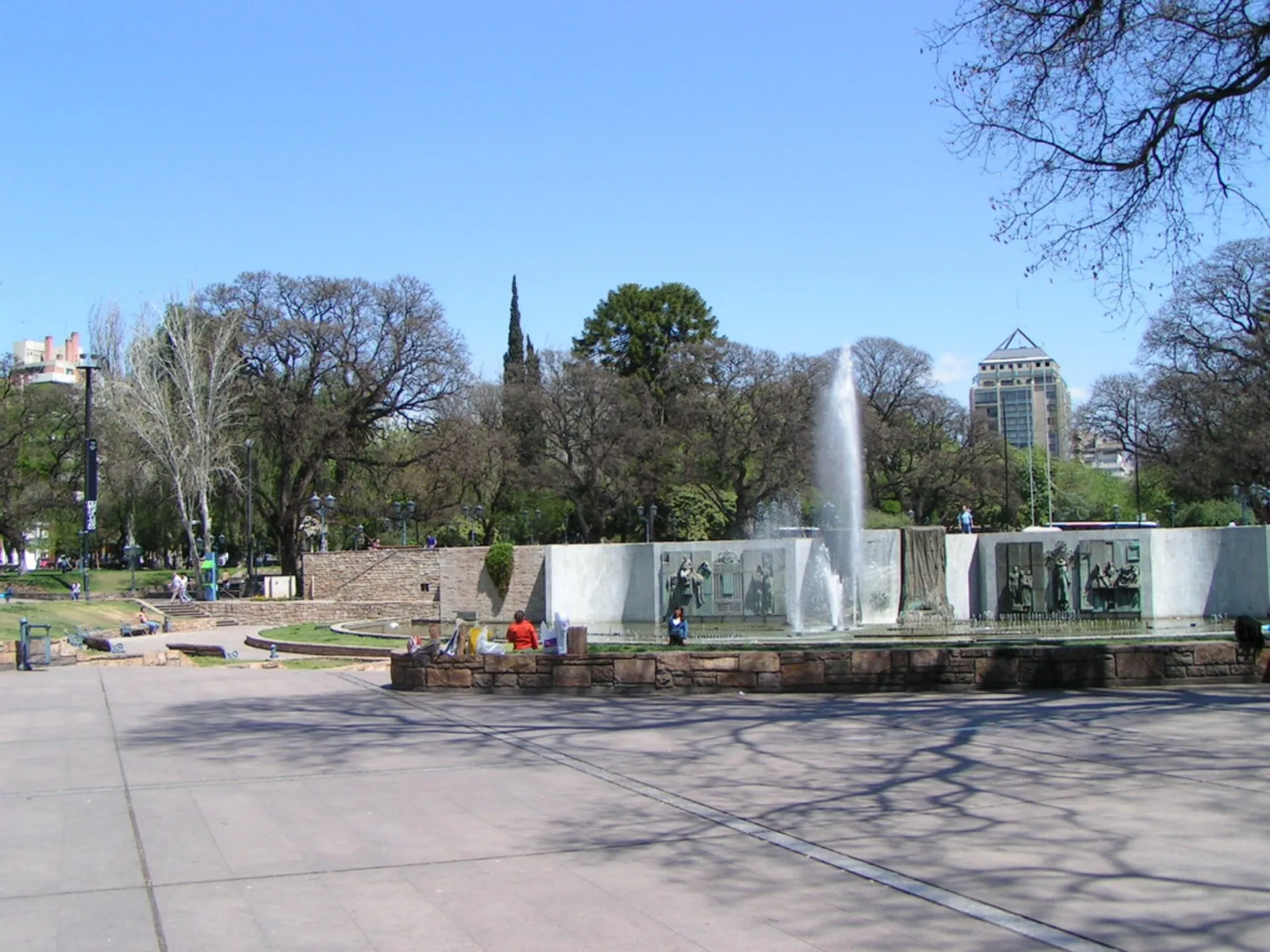
Mendoza timeline
-
Mendoza founded
Spanish settlers established the Cuyo oasis town, building on older Huarpe irrigation knowledge.
-
Earthquake reshapes the city
A devastating earthquake destroyed colonial Mendoza and led to the wider plazas and low-rise grid visitors walk today.
-
Railway reaches wine country
Rail links with Buenos Aires helped Mendoza scale its vineyards and turn Malbec into a national export story.
-
Vendimia festival begins
The harvest celebration gave Mendoza a civic ritual around wine, music, and regional pride.
Cited city facts
Key facts for visiting Mendoza
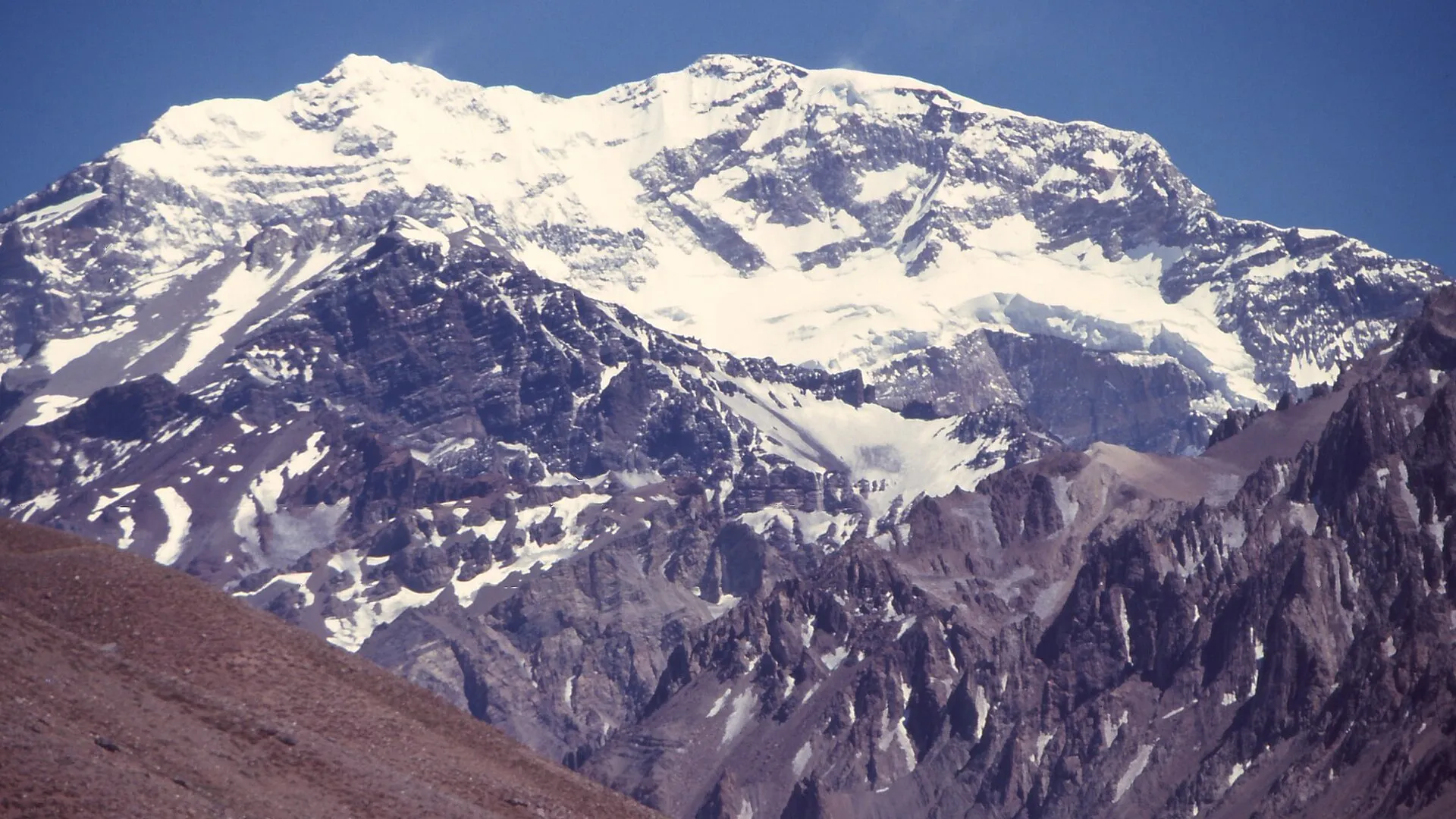
Aconcagua summit: 6,961 meters above sea level
The highest peak outside Asia, Aconcagua draws around 3,500 permit-holding climbers each season, though only about 30% reach the summit
Over 1,200 wineries in the Mendoza province
Mendoza produces roughly 70% of all Argentine wine, with Malbec plantings exploding from under 10,000 hectares in the 1990s to more than 45,000 hectares today
Less than 220 mm of annual rainfall
Mendoza's vineyards survive in near-desert conditions thanks to a 400-year-old network of irrigation canals originally built by the Huarpe indigenous people
Source: tour-guide.com — Free to cite with attribution
Things to see
What are the top attractions in Mendoza?
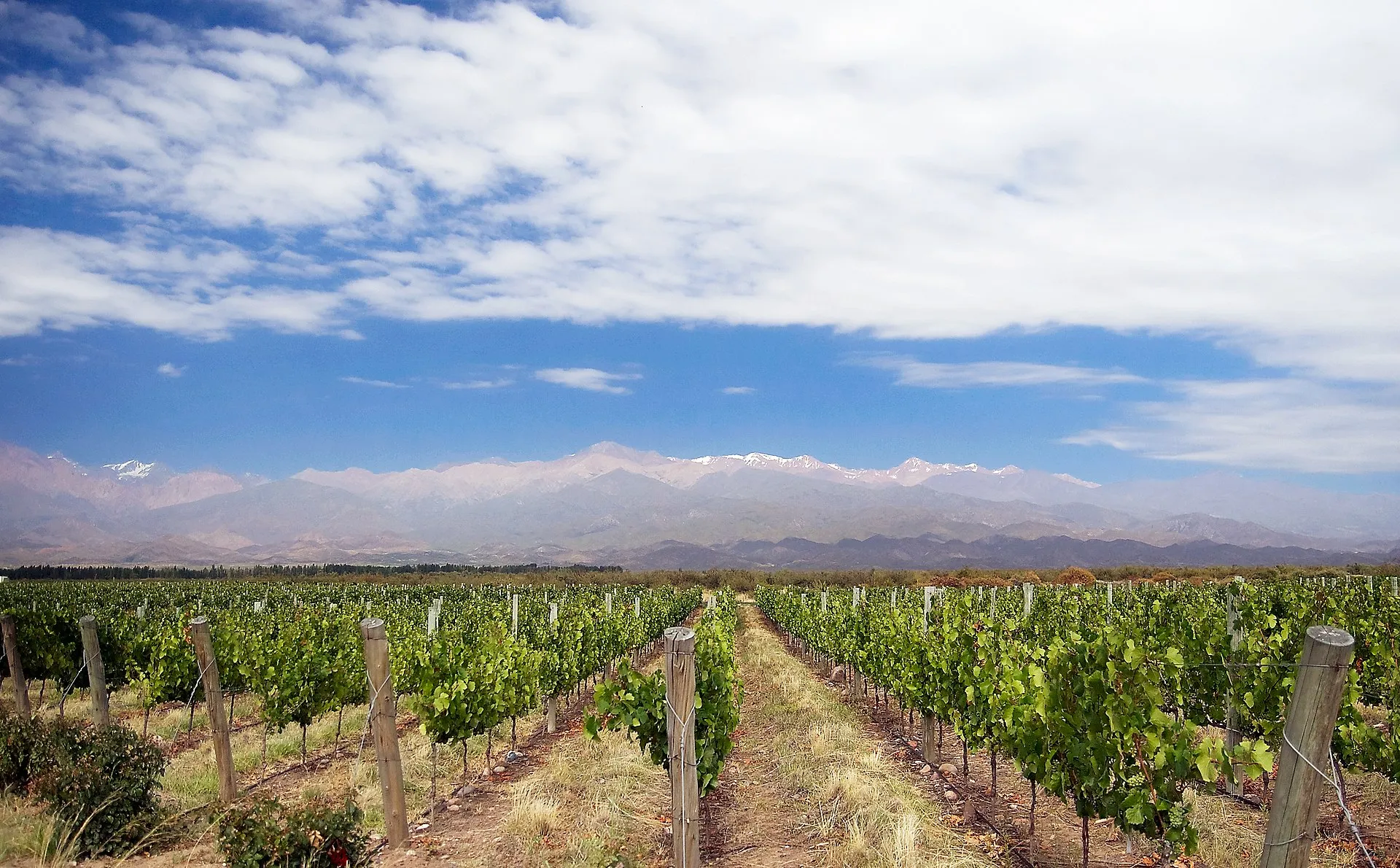
- Luján de Cuyo wineries — The birthplace of Argentine Malbec, with century-old vines producing deep, velvety reds you can taste at family-run bodegas
- Aconcagua Provincial Park — You don't need to summit; the Confluencia viewpoint trek is a spectacular day trip accessible to anyone in decent shape
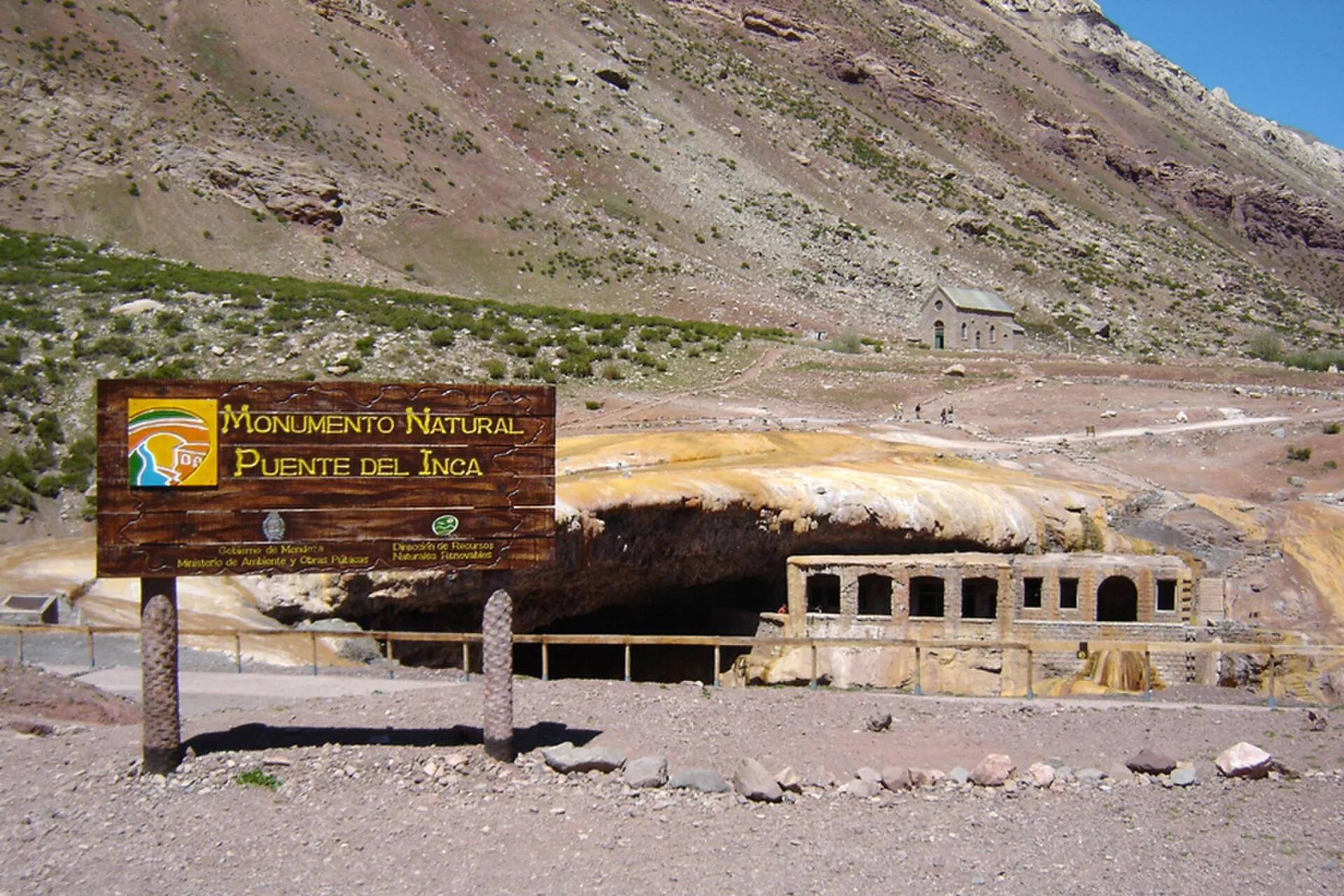
- Puente del Inca — A natural stone bridge stained vivid yellow and orange by mineral springs, set against the barren Andean high desert
- Asado and Malbec pairing — Have your guide arrange a traditional asado at a vineyard, with cuts of beef matched to the estate's own wines
- Villavicencio Nature Reserve — Wind through 365 curves up the precordillera to see condors soaring above a landscape that appears on Argentine mineral water bottles
Aconcagua
The roof of the Americas — 6,961 meters of rock, ice, and thin air
Malbec Wine Routes
From vine to glass against a wall of Andes snow — Argentina's wine heartland
Puente del Inca
A natural stone bridge painted gold by mineral springs in the high Andes
Guide planning
How much does a tour guide cost in Mendoza?
| Tour Type | Price | Details |
|---|---|---|
| Half-Day Wine Tour | AR$40,000-80,000 ($40-80) | Visiting 3 bodegas |
| Full-Day Uco Valley | AR$80,000-150,000 ($80-150) | With lunch |
| Aconcagua Day Trip | AR$70,000-120,000 ($70-120) | With transport |
| Private Sommelier Tour | AR$100,000-200,000 ($100-200) | Full day |
Season planner
When is the best time to visit Mendoza?
- Best wine season — March through May is harvest (vendimia), with grape-stomping festivals and the freshest wines. December through February is peak summer — hot but beautiful
- The sun is fierce, the air bone-dry — Carry water everywhere and wear sunscreen even in winter
Spring
Mar-May
Summer
Jun-Aug
Autumn
Sep-Nov
Winter
Dec-Feb
Each score averages that season’s monthly ratings out of 5. The top-rated window is usually the peak season too, so read the guidance above for its trade-offs before you book.
On the ground
How do you get around Mendoza?
- Don't drive yourself — Wineries are spread across rural roads with little signage — a guide-driver keeps you safe, sober, and on schedule
- Altitude awareness — Mendoza city sits at 750 meters, but Aconcagua trips climb above 3,000 meters rapidly. Hydrate aggressively and watch for altitude symptoms
- Desert climate — Mendoza receives less than 250mm of rain per year
- Booking ahead — Premium bodegas like Catena Zapata, Zuccardi Valle de Uco, and Viña Cobos require reservations days or weeks in advance
Frequently Asked Questions
What is the best time to visit Mendoza?
Best wine season: March through May is harvest (vendimia), with grape-stomping festivals and the freshest wines. December through February is peak summer — hot but beautiful.
How much does a tour guide cost in Mendoza?
Half-Day Wine Tour: AR$40,000-80,000 ($40-80 visiting 3 bodegas). Full-Day Uco Valley: AR$80,000-150,000 ($80-150 with lunch). Aconcagua Day Trip: AR$70,000-120,000 ($70-120 with transport).
How do you get around Mendoza?
Don't drive yourself: Wineries are spread across rural roads with little signage — a guide-driver keeps you safe, sober, and on schedule.