
Trails
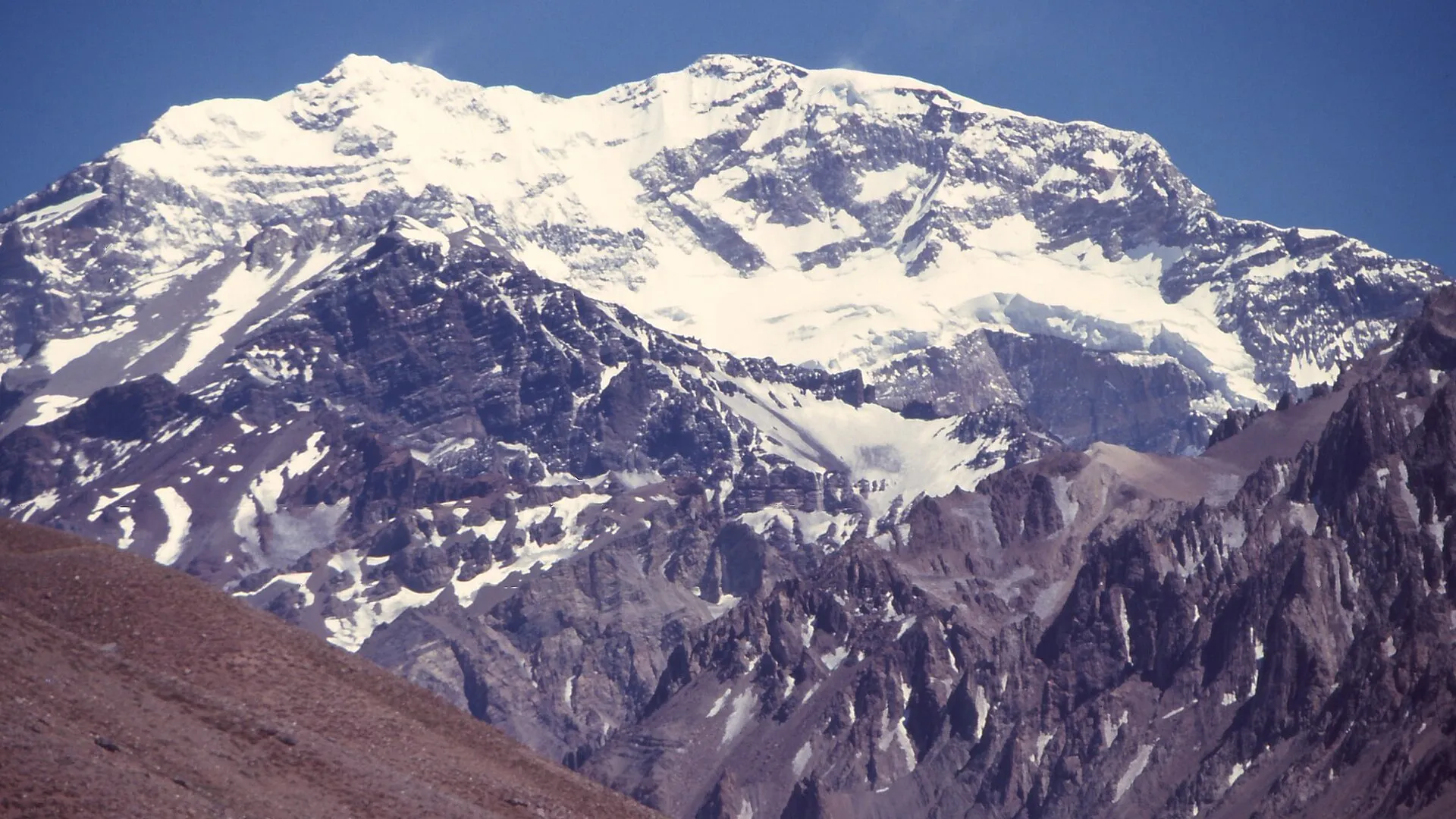
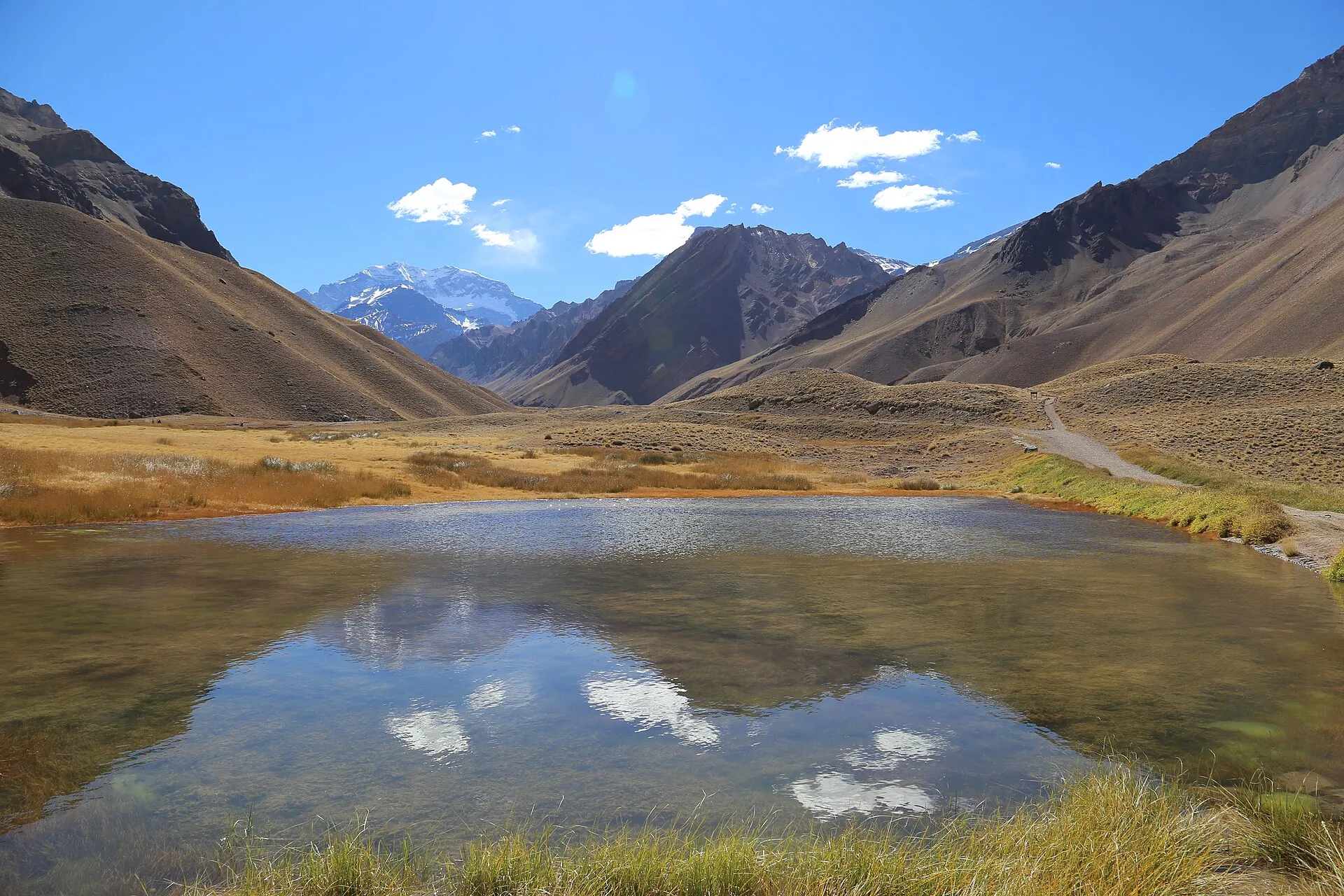
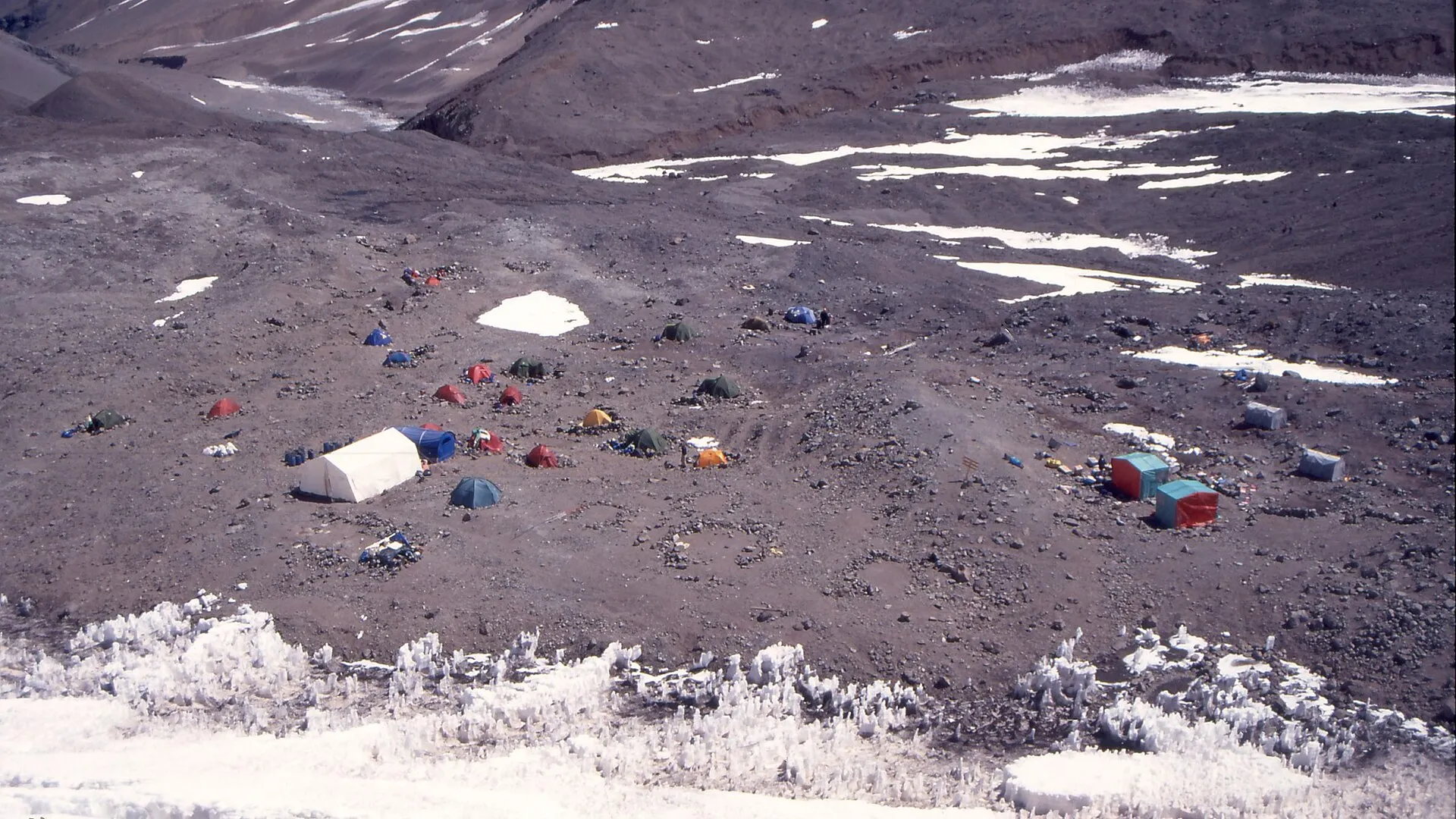
South wall view from Confluencia: The 3,000-meter vertical south face is one of the biggest mountain walls on Earth — seeing it in person, with avalanches occasionally thundering down the ice fields, is spine-tingling. Andean condors: These massive birds — 3-meter wingspan — ride thermals above the park regularly, especially in the morning hours near the Horcones valley. Plaza de Mulas base camp: At 4,370 meters, the highest base camp in the Americas buzzes with climbers from around the world preparing for summit bids — a multi-day trek to reach it is an adventure in itself. Horcones Valley: The approach trail follows a stark, beautiful valley of scree, glacial streams, and wind-sculpted rock — utterly devoid of vegetation at higher elevations. Penitentes ice formations: Blade-like ice pillars formed by intense high-altitude sun, sometimes reaching 2 meters tall — a phenomenon unique to Andean environments.
Wildlife
Despite the harsh environment, Aconcagua Provincial Park supports specialized high-altitude wildlife. Andean condors are the undisputed rulers of the sky here, riding thermals with wingspans exceeding 3 meters and visible almost daily from the Horcones valley. Guanacos — wild relatives of the llama — graze on sparse vegetation at lower elevations, while the rare vizcacha (a rabbit-like rodent) hides among rock fields. Andean foxes (culpeo) are frequently spotted near the Confluencia campsite, bold enough to investigate unattended backpacks. Above the treeline, the landscape may appear lifeless, but patient observers find chinchillones and high-altitude lizards sunning themselves on warm rocks. The Malbec Wine Routes offer a dramatically different Mendoza experience at lower elevation.
Aconcagua in Pictures
When to Visit
Climbing season: November through March (permits required). Day visits (Horcones entrance): Daily during season, typically 8 AM - 6 PM. Best for day hikes: December through February when trails are snow-free and weather most stable. Summit window: Late December through mid-February offers the best weather for summit attempts. Duration: Full day for Confluencia viewpoint; 6-8 days for base camp; 15-20 days for summit.
Admission and Costs
Day visit (Horcones to Confluencia): AR$20,000-30,000 ($20-30) park entry. Base camp trek permit: AR$50,000-100,000 ($50-100) depending on season. Summit permit: $800-1,200 USD (paid in dollars, varies by season). Guided day trip from Mendoza: AR$70,000-120,000 ($70-120) including transport. Guided summit expedition (15-20 days): $4,000-8,000 USD all-inclusive.
Tips for Visitors
Altitude is real: Even the Confluencia viewpoint sits above 3,400 meters. Drink water continuously, walk slowly, and watch for headache, nausea, or dizziness — descend immediately if symptoms worsen. Permits in advance: All access beyond the park entrance requires permits purchased through the Mendoza provincial government. Buy well ahead during peak season. Day trippers: The Confluencia trek is a moderate 14km round trip from Horcones — achievable for fit hikers but demanding at altitude. Carry 3+ liters of water, snacks, sun protection, and warm layers. Professional guides are mandatory for summits: The mountain is technically non-technical via the Normal Route but kills several climbers per year due to altitude sickness, hypothermia, and storms. Use a licensed guiding company. Combine with Puente del Inca: The natural rock bridge is just 15 kilometers further along Ruta 7 — most day-trip guides include both stops.
Frequently Asked Questions
What are the opening hours and climbing season for Aconcagua?
Climbing season: November through March (permits required). Day visits (Horcones entrance): Daily during season, typically 8 AM - 6 PM. Best for day hikes: December through February when trails are snow-free and weather most stable.
How much does it cost to access Aconcagua?
Day visit (Horcones to Confluencia): AR$20,000-30,000 ($20-30) park entry. Base camp trek permit: AR$50,000-100,000 ($50-100) depending on season. Summit permit: $800-1,200 USD (paid in dollars, varies by season).
What altitude precautions should visitors take at Aconcagua?
Altitude is real: Even the Confluencia viewpoint sits above 3,400 meters. Drink water continuously, walk slowly, and watch for headache, nausea, or dizziness — descend immediately if symptoms worsen.