
Events Schedule
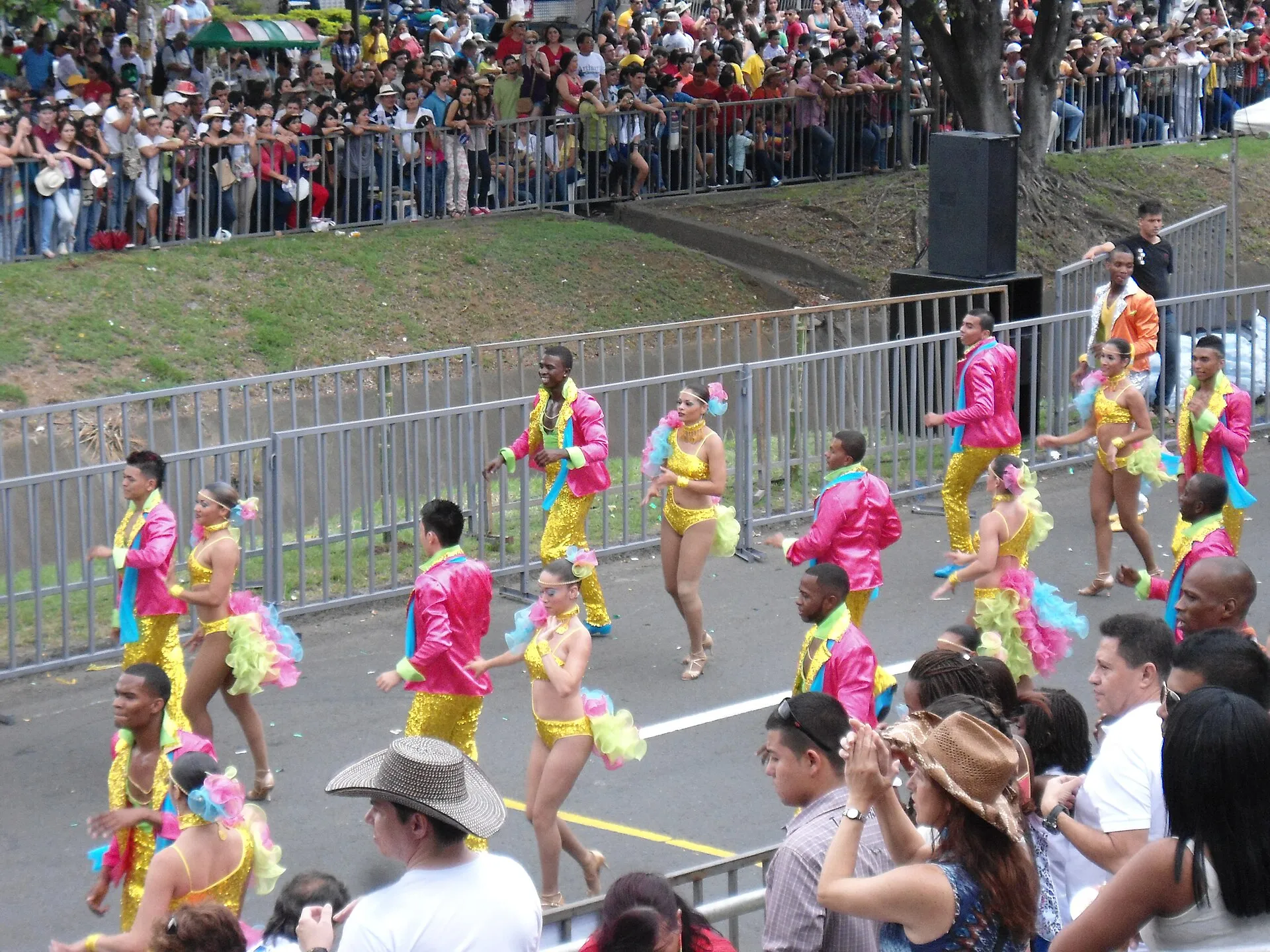
Salsateca Tin Tin Deo — One of Cali's most storied salsatecas, where dancers of every age share a single floor; arrive before 10 PM on a Thursday or Saturday if you want a table. La Topa Tolondra — A San Antonio-side favorite with live-orchestra nights and early-evening beginner classes, so you can practice before the room fills. Delirio — A salsa-cabaret staged under a big-top tent that fuses full orchestra, choreography, and circus acrobatics; the official Delirio company performs on roughly one Friday most months, and seats sell out weeks ahead. Feria de Cali — From December 25–30 the whole city turns into a stage, with the open-air Salsódromo dance parade, orchestra face-offs, and free neighborhood verbenas.
Seating Guide
Where you sit or stand shapes the whole night. At Delirio, the tables tier upward around the central stage, so a mid-level table gives the best balance of orchestra sightlines and room to get up and dance between acts; front-row seats put you close to the brass but leave you hemmed in when the entire tent rises to move. For the Salsódromo during the Feria de Cali, paid grandstand seats along the parade route guarantee a clear view of the costumed troupes, while locals who arrive early claim the free curbside stretches nearer the start. Inside a classic salsateca like Tin Tin Deo, take a table along the edge of the floor rather than at the back if you want to be pulled into a dance — and save the raised seats for when you simply want to watch the caleño footwork fly.
When to Visit
Dance lessons: Most schools offer classes 5–9 PM daily. Salsatecas: Open 9 PM – 4 AM, but don't fill until 11 PM or later. Best nights: Thursday ("jueves de rumba"), Friday, and Saturday. Feria de Cali: December 25–30 — the city's massive annual salsa festival
Admission and Costs
Group salsa lesson (1 hour): COP 30,000–60,000 ($7.50–15). Private lesson: COP 80,000–150,000 ($20–37) per hour. Salsateca cover charge: COP 15,000–30,000 ($3.75–7.50). Guided salsa night tour: COP 120,000–200,000 ($30–50) per person, includes lesson + club entry. Delirio show (monthly): COP 80,000–250,000 ($20–60) depending on seating
The Case for a Guide
Cali's best salsa happens where visitors rarely think to look: neighborhood salsatecas with no website, house parties, and dance schools whose reputations travel by word of mouth. A local guide is less a tour operator than a translator of an entire social code — they know which salsateca has the strongest orchestra on a given night, how to read the unspoken etiquette of asking someone to dance, and where the caleña style is danced at its fastest. Guides also solve the two problems that trip up most first-timers: the language barrier, since English is far rarer here than in Bogotá or Cartagena, and getting home safely after the clubs empty out at 3 or 4 AM. Many pair a beginner lesson with the night out, so you step onto the floor already able to hold the basic step instead of watching from the edge. For the wider picture of prices and the city's salsa calendar, start from the Cali city guide.
Tips for Visitors
Take a lesson first: Even one hour transforms your confidence on the dance floor — locals love seeing foreigners try. Dress to move: Light, breathable clothes and shoes you can pivot in — no flip-flops. Don't be shy: Caleños will invite you to dance regardless of skill level — it's the spirit that matters. A guide helps: Salsatecas aren't on Google Maps — a local guide takes you to the real spots, not tourist traps. Pace yourself: Nights run until 3–4 AM — start with a lesson, dinner, then the clubs
Frequently Asked Questions
Is there a peak season for experiencing Cali's salsa scene?
Salsa clubs and dance schools operate year-round in Cali, but the ultimate experience arrives during the Feria de Cali from December 25 through 30, when the entire city erupts in a week-long salsa celebration with open-air stages, competitions, and the famous Salsodromo parade. The monthly Delirio show and weekly salsateca nights run consistently across all twelve months.
When can visitors attend events at Cali Salsa Scene?
Dance lessons: Most schools offer classes 5–9 PM daily. Salsatecas: Open 9 PM – 4 AM, but don't fill until 11 PM or later. Best nights: Thursday ("jueves de rumba"), Friday, and Saturday.
What do tickets cost at Cali Salsa Scene?
Group salsa lesson (1 hour): COP 30,000–60,000 ($7.50–15). Private lesson: COP 80,000–150,000 ($20–37) per hour. Salsateca cover charge: COP 15,000–30,000 ($3.75–7.50).
How should visitors prepare for Cali Salsa Scene?
Take a lesson first: Even one hour transforms your confidence on the dance floor — locals love seeing foreigners try. Dress to move: Light, breathable clothes and shoes you can pivot in — no flip-flops.
Is it safe to experience Cali's salsa nightlife?
Cali's salsa scene is welcoming, but it pays to be street-smart at night. Stick to established salsatecas in areas like San Antonio and Granada, use a booked taxi or ride-share rather than walking between venues after dark, and carry only what you need for the evening. Heading out with a local guide or a group is the easiest way to reach the best clubs safely, since many sit in working-class neighborhoods that reward local knowledge.