Planning the Perfect Trip to Bordeaux: A Practical Guide
How to plan a Bordeaux trip that balances the city and the vineyards — when to go, how many days you need, which tours are worth booking, what it costs.
Read the full guideUpdated · 9 min read
Bordeaux is two destinations sharing one name. There is the city — a UNESCO-listed sweep of golden eighteenth-century limestone along a bend in the Garonne — and there is the wine country that surrounds it, some 7,000 estates producing the reds that made the name famous worldwide. Plan for only one and you will feel you missed the other. The trick to a good Bordeaux trip is deciding how to split your days between the two, and then handling the logistics that connect them, because the city runs on trams and bicycles while the vineyards run on advance reservations and a designated driver. This guide walks through the choices that shape the visit: when to come, how long to stay, where to sleep, which tours actually earn their price, and what the whole thing costs.
When to Visit
September and October are the standout months, when the Bordeaux harvest is in full swing and the weather stays warm and golden. The vendange fills the vineyards with pickers, many châteaux open their gates for harvest events, and afternoon light turns the rows amber — the single most atmospheric time to be here if wine is your reason for coming.
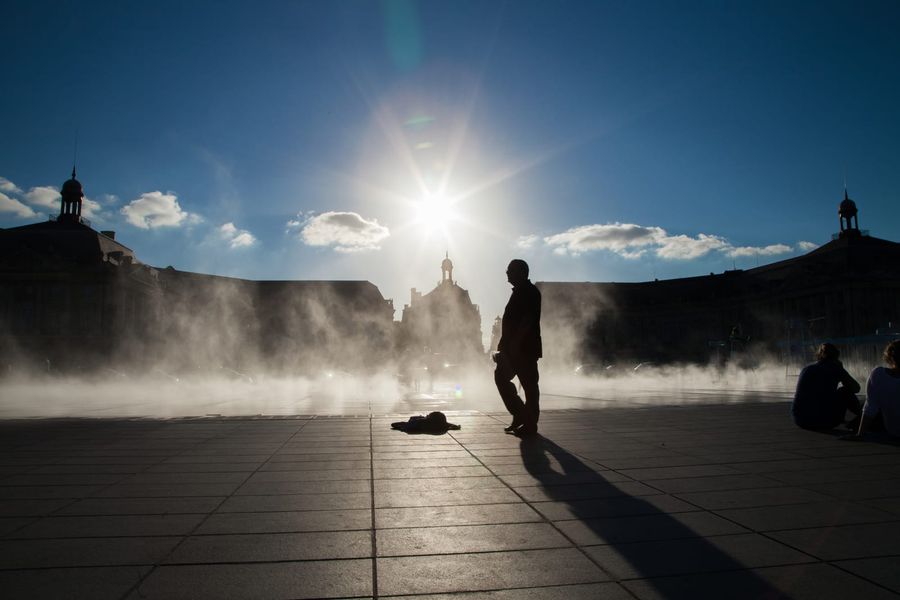
May and June are the gentler alternative. The vines are lush and green, wildflowers line the country lanes, temperatures sit comfortably in the low twenties, and both guides and restaurant tables are easier to book than in autumn. July and August bring the longest days and a lively riverside scene along the quays, but the city can hit 30°C and above, and some smaller family-run estates close while their owners take summer holidays. November through February is cool and damp, yet it rewards travellers who prefer quiet cellar visits and an uncrowded Cité du Vin — and hotel rates fall accordingly. Whatever the month, one small ritual is worth timing: the Miroir d'eau on the Place de la Bourse cycles between mirror-flat reflection and a low mist, and it is at its most photogenic at dusk.
How Many Days You Need
Give Bordeaux three to four days: roughly half for the city and half for at least one full day in the vineyards. Two days is enough to walk the historic core, see one major museum, and eat well, but it forces you to choose between the city and the wine — and the wine is why the region is on your list.
| Length of stay | What it realistically covers |
|---|---|
| 2 days | UNESCO centre on foot, one museum, riverside dining — city only |
| 3 days | The above plus a full-day wine tour to the Médoc or Saint-Émilion |
| 4–5 days | City, two contrasting wine regions, and a slower pace for markets and cafés |
Because the surrounding appellations differ so much in character — the grand classified estates of the Médoc versus the medieval hill village of Saint-Émilion to the east — many visitors devote one day to each rather than trying to combine them. If you only have time for a single vineyard day, Saint-Émilion is the more scenic and self-contained choice.
Where to Base Yourself
Stay inside or just beside the UNESCO centre, and you can walk to nearly everything that matters. Bordeaux is compact, so no central district leaves you badly placed, but each has a distinct feel worth matching to your trip.
The Golden Triangle around the Grand Théâtre is the elegant heart — grand facades, the best shopping, and a short stroll to the river. It carries the highest room rates. The Saint-Pierre quarter just south is the medieval tangle of narrow streets, small squares, and wine bars, lively in the evening and central without the premium. Chartrons, the old wine-merchant district north of the centre, has become the neighbourhood locals rate for antique shops, a Sunday quayside market, and a more residential rhythm, all a flat walk or quick tram ride from the sights. Travellers arriving by train sometimes stay near Gare Saint-Jean, which is well connected by tram but a fair way from the historic core, so weigh convenience against atmosphere.
Choosing the Right Tour
A guide is what turns Bordeaux from a pretty city with expensive wine into a place you understand, and the choice of tour depends on whether your interest is the streets or the vineyards. In the city, walking tours decode the architecture and history; in the country, the value is access and logistics — a driver who handles the roads and a guide who can get you inside estates that do not accept walk-ins.
| Tour type | Typical price (per person) | Best for |
|---|---|---|
| City walking tour | €15–25 | UNESCO heritage, architecture, first orientation (2–3 hrs) |
| Half-day wine tour | €85–150 | One appellation, two estates, tastings included |
| Full-day wine tour | €180–350 | Lunch plus three châteaux in the Médoc or Saint-Émilion |
| Private wine day | €500–900 | Up to six people, premium classified estates, tailored route |
Wine tours are where booking ahead genuinely matters. The most prestigious Médoc estates require reservations days or weeks in advance, and a good driver-guide can often secure access to cellars that independent visitors cannot reach. Shared minibus tours are the affordable entry point; private tours cost more but let you set the pace and the estates. Book specialist and private tours well ahead in the September–October harvest window, when the best English-speaking guides fill up first.
Getting Around the City and the Wine Country
The city moves on trams and bicycles; the vineyards need a car or a driver — that single divide governs your whole itinerary. Bordeaux's centre is flat, walkable, and threaded by an efficient tram network, but the appellations spread across a wide area that public transport barely touches.
For getting around town, four tram lines (A, B, C and D) link Gare Saint-Jean to the centre and the quays, with single tickets at €1.70; a Bordeaux City Pass bundles unlimited rides with museum discounts. The city is also one of France's most bike-friendly, with more than 200 km of cycle paths and the V³ bike-share stations every few hundred metres. For the vineyards, a driver-guide or organised tour is the only practical way to visit several estates in a day, because the wine regions lack regular bus service and tasting at three or four châteaux rules out driving yourself. Saint-Émilion is the exception: it sits about 40 minutes east and is reachable by a direct TER regional train, making an independent day trip feasible. And getting to Bordeaux in the first place is easy — the TGV runs from Paris in roughly two hours, so even a long weekend from the capital works.
One piece of tasting etiquette doubles as logistics: at a serious tour you spit rather than swallow, especially across several estates, and guides provide the spittoons and teach the technique. It is the difference between a memorable day and a hazy one.
Budgeting Your Trip
Bordeaux is noticeably cheaper than Paris for beds and meals, but wine tours are the variable that decides your overall spend. A city-focused trip can be modest; a trip built around private tastings at classified estates is not.
| Expense | Budget | Mid-range |
|---|---|---|
| Hotel (double, per night) | €70–110 | €130–220 |
| Lunch / dinner per person | €15–25 | €35–60 |
| City tram day of travel | €5–8 | Bordeaux City Pass ~€29/24h |
| Wine experience | Shared half-day €85–150 | Private full day €300+ |
The city is generous with free pleasures that cost nothing to enjoy — walking the quays, watching the Miroir d'eau at dusk, wandering the Sunday market in Chartrons, and admiring the facades of the Place de la Bourse. Museums such as the Cité du Vin generally run €15–25. If wine tasting is the centrepiece, decide early between a shared tour and a private one, because that choice moves the trip's total more than anything else on the list.
Eating and Drinking Like a Local
Bordeaux's food culture is built around its wine, and a few local specialities are worth seeking out deliberately. The signature sweet is the canelé — a small caramelised pastry, dark and crisp outside, custardy with rum and vanilla within; long-standing bakeries near the Grand Théâtre are a reliable place to try one. On the savoury side, look for entrecôte à la bordelaise, steak in a red-wine and shallot sauce that pairs naturally with the local reds, and oysters from nearby Arcachon Bay, often served with small hot sausages.
Markets reward an early visit: the Marché des Capucins, the city's main covered market, is the place locals go for oysters and a glass of white on a Saturday morning, while the Sunday quayside market in Chartrons is as much a social event as a shopping trip. Lunch service generally runs from around noon to 2:30 p.m. and dinner from 7:30 p.m., so plan around the afternoon gap rather than being caught out by it.
A Practical Checklist
A handful of decisions, made before you arrive, are what separate a smooth Bordeaux trip from a rushed one. Sort the wine logistics and the rest falls into place.
- Reserve wine tours and prestigious château visits well ahead, especially for a September or October harvest visit
- Plan at least one full day for the vineyards, and pick a single appellation rather than rushing between two
- Base yourself in or beside the UNESCO centre so you can walk to the main sights
- Use trams and the V³ bikes in the city; rely on a driver-guide or the Saint-Émilion train for the wine country
- Buy a Bordeaux City Pass if you plan several museum visits and a lot of tram travel
- Time an evening at the Miroir d'eau, and try a canelé while you are near the Grand Théâtre
Give Bordeaux a few unhurried days split between the city and the vineyards and it stops being simply a wine label. Between the golden quays, the reflecting pool at dusk, and a slow afternoon among the vines, it turns into exactly the kind of place you plan a return trip to before the first one is even over.
Frequently Asked Questions
How many days do you need in Bordeaux?
Two days cover the UNESCO centre and one museum comfortably, but three or four let you add a full day in the vineyards around Saint-Émilion or the Médoc, which is really why most people come.
Do you need a car to visit the Bordeaux wine region?
Not for the city, which is compact and served by trams and bikes, but the classified estates in the Médoc and Graves have almost no public transport, so a driver-guide or an organised wine tour is the practical way to visit several in a day.
When is the best time to visit Bordeaux?
September and October coincide with the grape harvest and warm, golden weather, while May and June bring green vineyards and lighter crowds. July and August are hot and busy, and some small family châteaux close for summer holidays.
Is Bordeaux expensive compared with Paris?
Hotels and restaurants run noticeably cheaper than Paris, but wine tours are the budget swing factor — a shared half-day tasting trip is affordable, while a private full-day tour of prestigious estates can cost several hundred euros per person.