
Bordeaux timeline
- 56 BCE
Roman Burdigala
The Roman city established Bordeaux as a river and trade settlement.
-
English wine era
Eleanor of Aquitaine's marriage tied Bordeaux wine and ports to the English crown.
- 18th century
Port city remade
Classical facades and quays created the elegant urban landscape visitors see today.
-
UNESCO port listed
World Heritage status recognized Bordeaux's historic urban ensemble.
Cited city facts
Key facts for visiting Bordeaux
7,000 wine-producing châteaux
The Bordeaux wine region contains more châteaux than any other wine area in the world, producing roughly 700 million bottles annually
1,810 hectares of UNESCO-listed city center
Bordeaux's entire historic center earned UNESCO status in 2007, making it the largest listed urban area in the world at the time
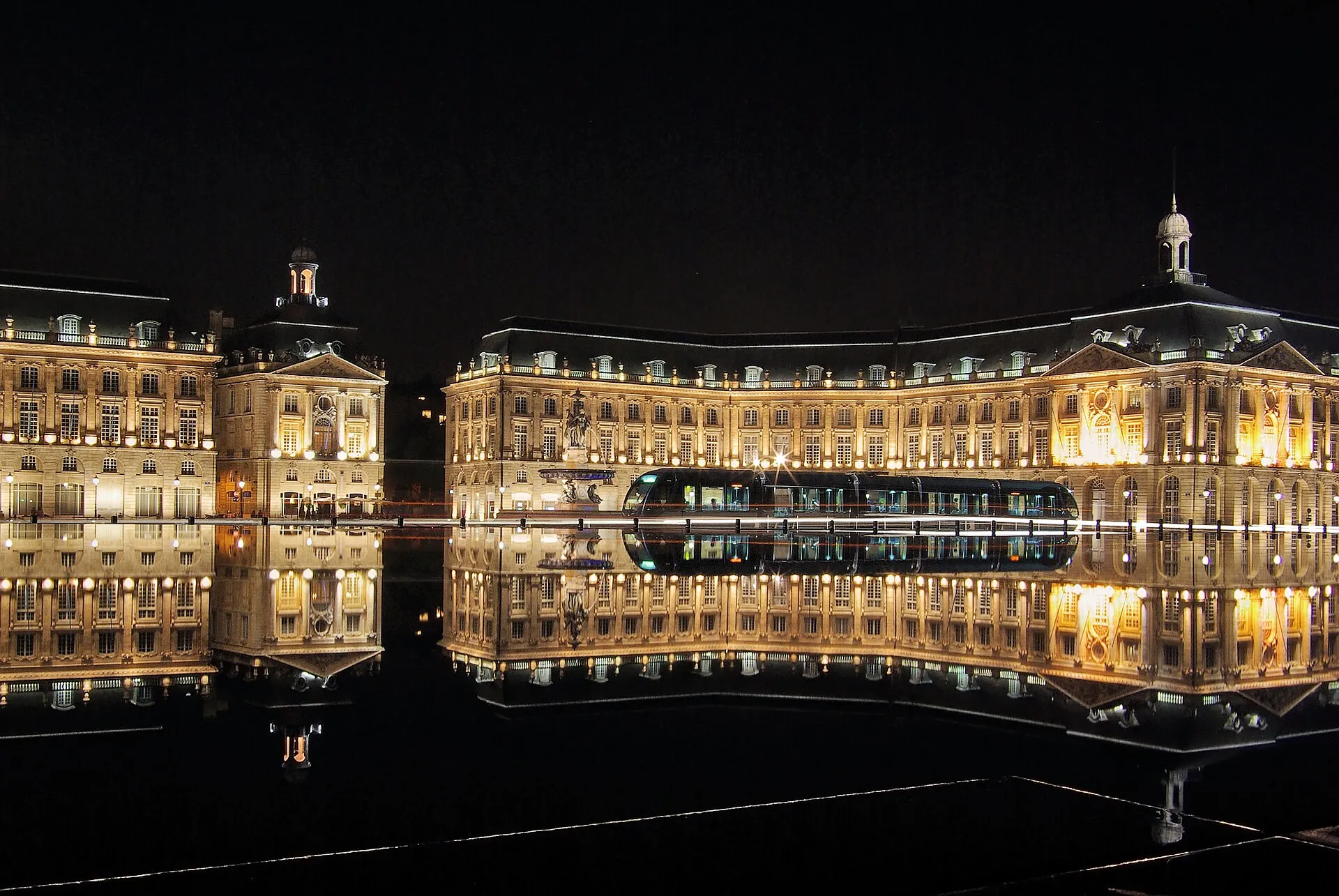
3,450 m² Miroir d'eau
The Water Mirror on Place de la Bourse is the world's largest reflecting pool, using just 2 cm of water to create its striking effect
362 classified or registered historic monuments
Bordeaux ranks behind only Paris for the number of protected buildings in France, spanning Roman, medieval, and neoclassical eras
Source: tour-guide.com — Free to cite with attribution
Things to see
What are the top attractions in Bordeaux?
Bordeaux guides specialize in wine, history, or both:
- Wine guides/sommeliers — Certified experts lead vineyard tours, tastings, and cellar visits
- Château specialists — Connections to prestigious estates often closed to public
- City walking guides — UNESCO heritage, architecture, and gastronomy tours
- Driver-guides — Essential for wine region exploration without designated driver worries
- Food and wine pairing — Combine market visits with wine tastings
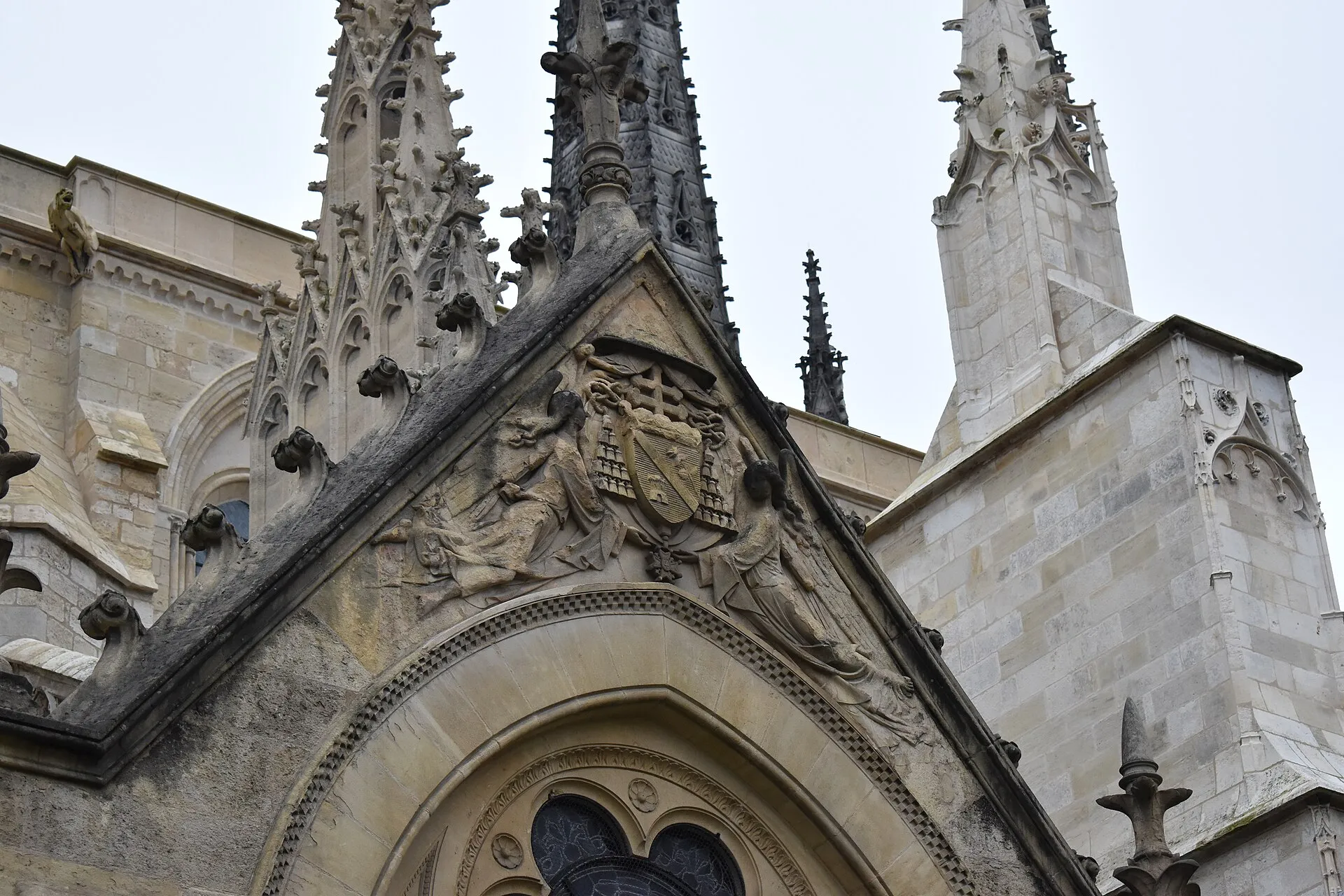
Cathédrale Saint-André
Gothic splendor - where Eleanor of Aquitaine shaped European history
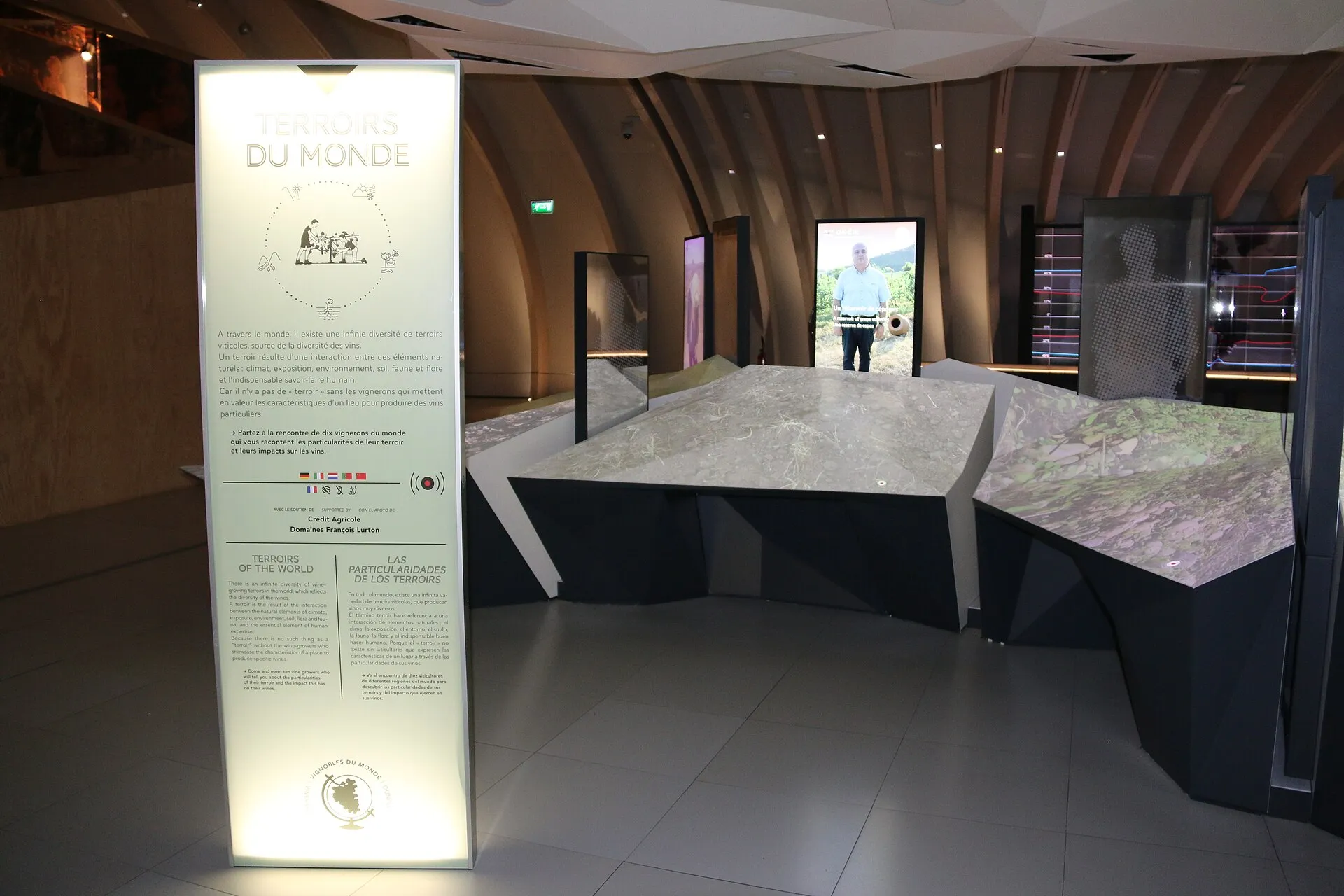
Cité du Vin
World's most spectacular wine museum - where wine culture comes alive
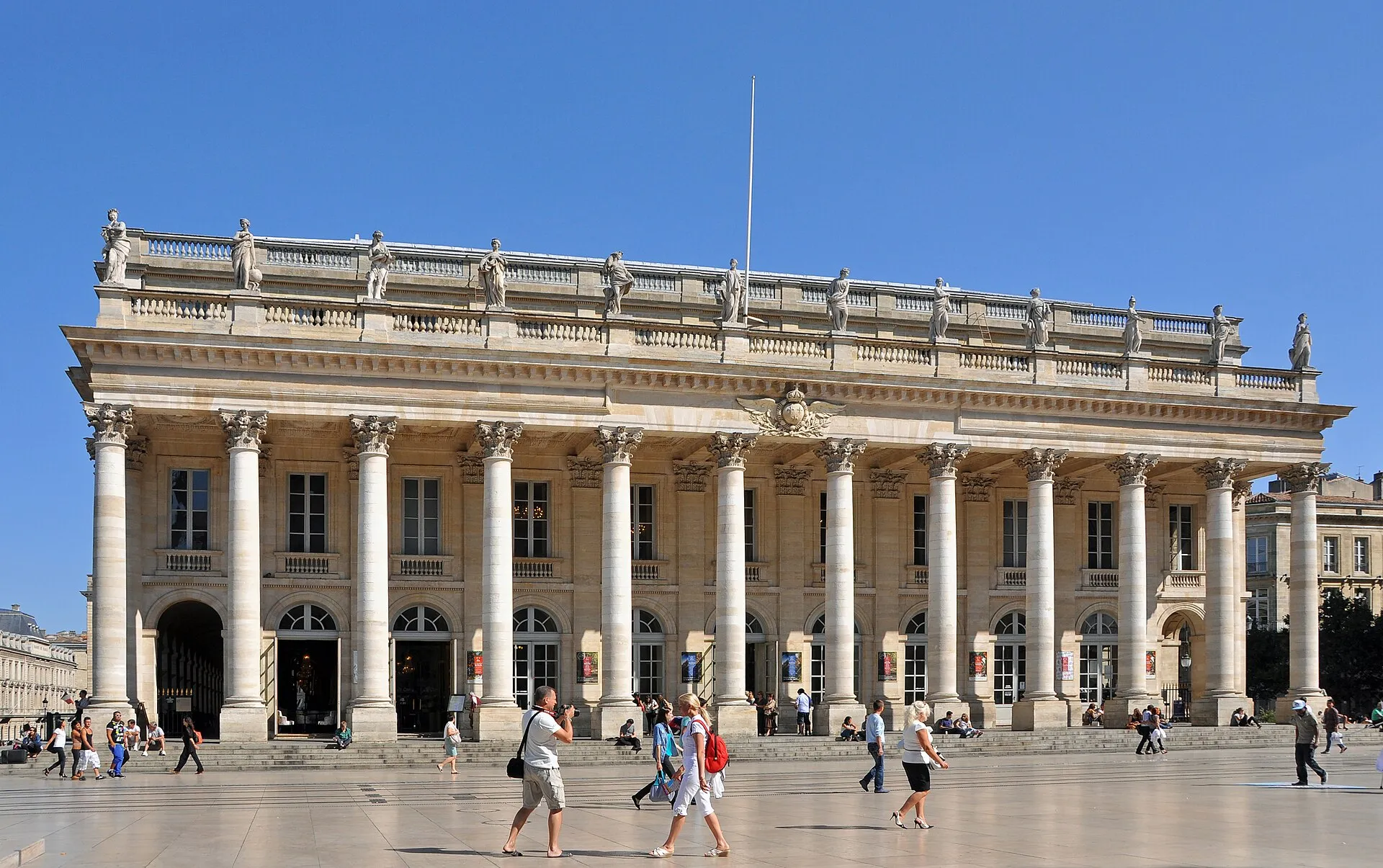
Grand Théâtre de Bordeaux
18th-century masterpiece that inspired the Paris Opera
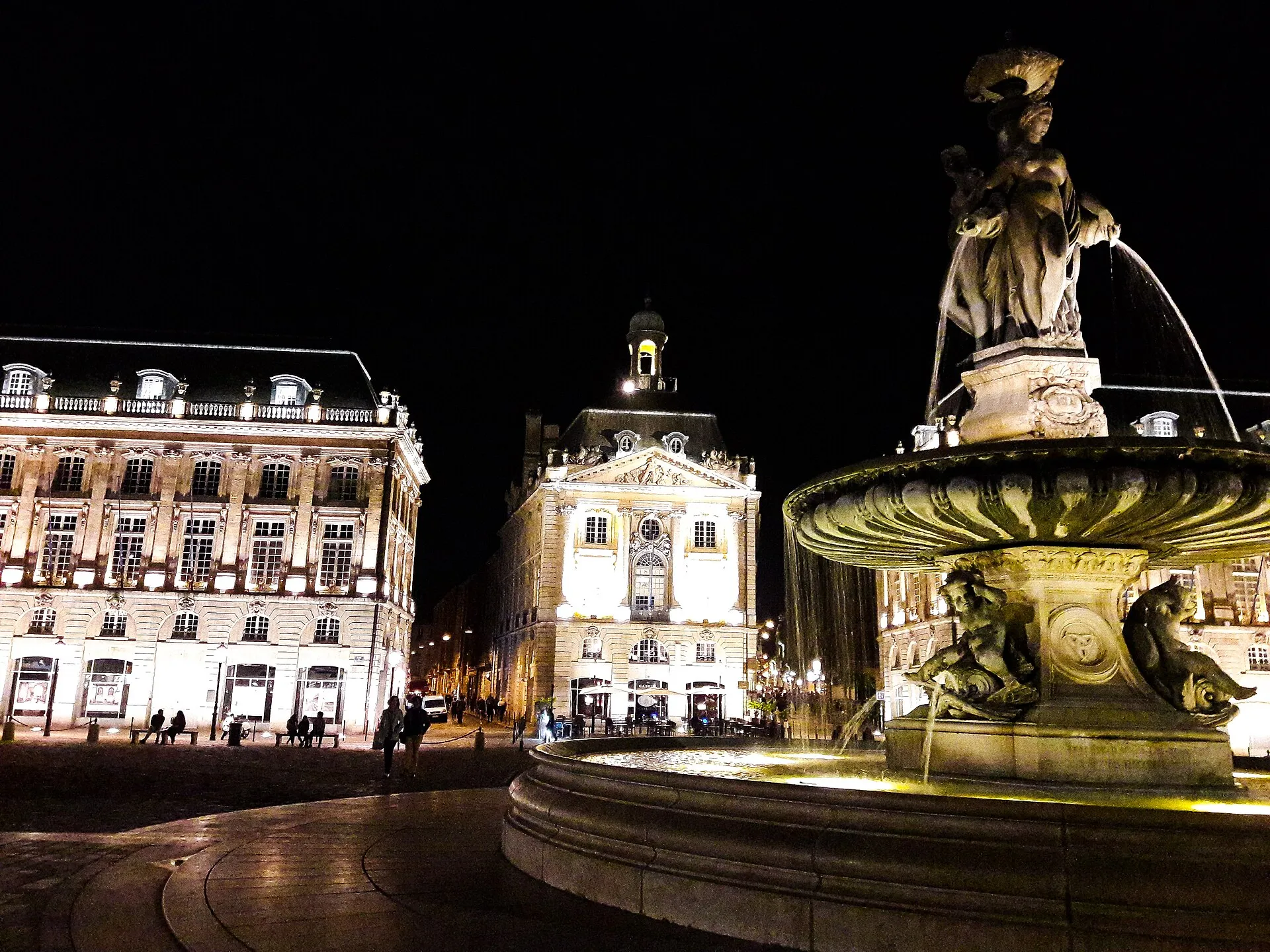
Place de la Bourse
Bordeaux's jewel - 18th-century elegance meets the world's largest water mirror
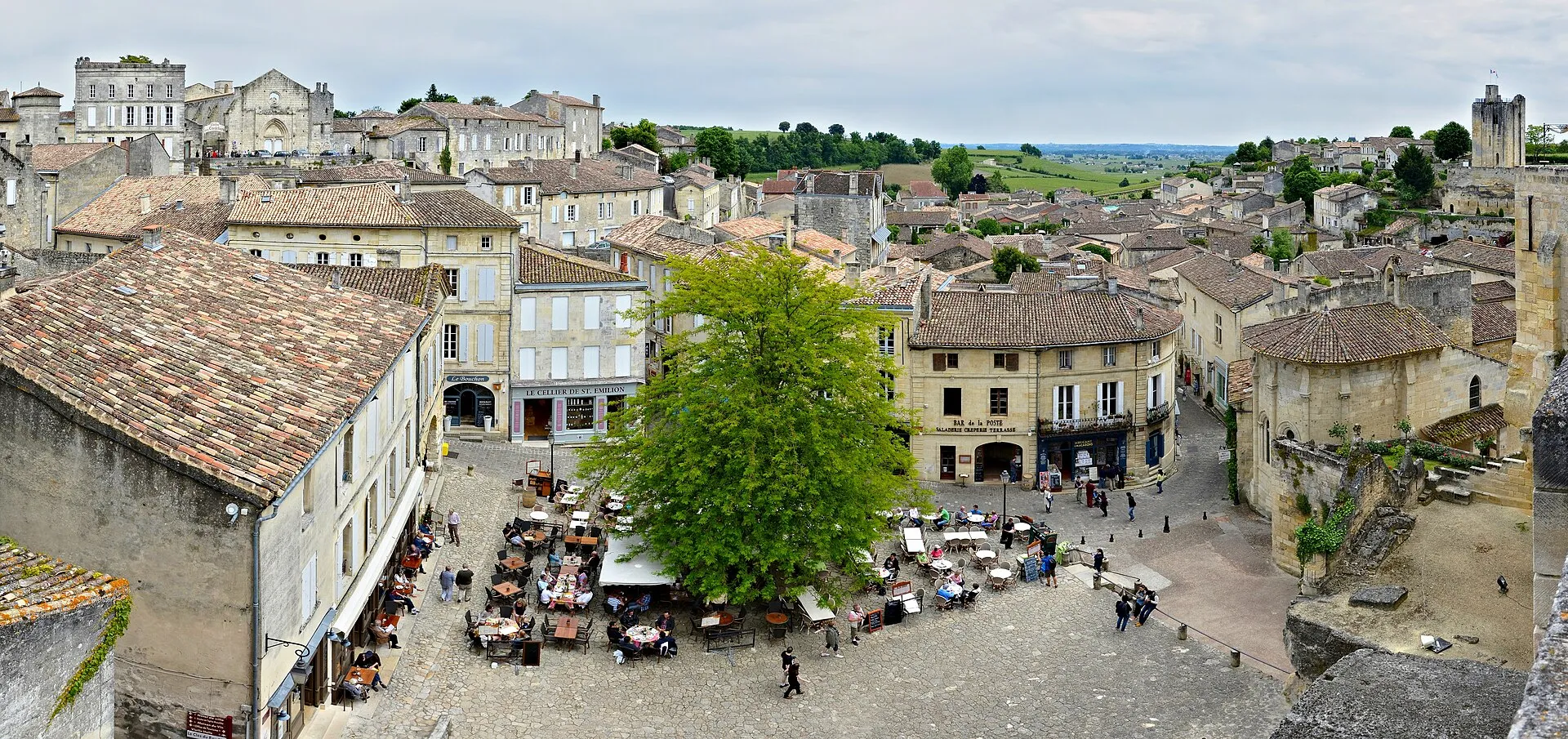
Saint-Émilion
UNESCO medieval jewel - where wine history lives underground
Guide planning
How much does a tour guide cost in Bordeaux?
| Tour Type | Price | Details |
|---|---|---|
| City Walking Tours | €15-25 | Per person, 2-3 hours |
| Half-Day Wine Tour | €85-150 | Per person, includes tastings |
| Full-Day Wine Tour | €180-350 | Per person, lunch + 3 châteaux |
| Private Wine Day | €500-900 | Up to 6 people, premium estates |
Season planner
When is the best time to visit Bordeaux?
Bordeaux enjoys an oceanic climate tempered by the Atlantic, with warm summers, mild winters, and rain spread fairly evenly across the year. The wine calendar shapes the best visiting windows as much as the weather does.
- September–October (harvest) — The most exciting time for wine enthusiasts. Vineyards are alive with pickers, and many châteaux open their doors for harvest events. Weather is warm (18–25°C) with golden afternoon light ideal for photography
- May–June (spring bloom) — Vineyard rows burst with green canopy, wildflowers line the roads, and temperatures are pleasant for long walking tours through Saint-Émilion. Tourism is moderate, and guides are easier to book
- July–August (summer peak) — Bordeaux heats up to 30°C+, and some smaller family-run châteaux close for annual holidays. The city itself is vibrant, with outdoor dining along the quays and the Miroir d'eau at its most photogenic during sunset
- November–February (off-season) — Cool and damp (5–12°C), but perfect for intimate cellar visits and uncrowded museum days at the Cité du Vin. Hotel prices drop significantly
- Spring evenings — Watch the Miroir d'eau cycle between mirror mode and mist at sunset, when the reflection of the Place de la Bourse is at its most spectacular
Spring
Mar-May
Summer
Jun-Aug
Autumn
Sep-Nov
Winter
Dec-Feb
Each score averages that season’s monthly ratings out of 5. The top-rated window is usually the peak season too, so read the guidance above for its trade-offs before you book.
On the ground
How do you get around Bordeaux?
Bordeaux's compact city centre is easily walkable, but the surrounding wine regions — Médoc, Saint-Émilion, Graves, Pomerol — spread across a vast area that public transport barely serves. Planning your transport well is essential.
- Tram — Four tram lines (A, B, C, and D) connect the train station (Gare Saint-Jean) to the city centre, the riverside quays, and residential quarters. Single tickets cost €1.70, or grab a Bordeaux City Pass for unlimited rides plus museum discounts
- Cycling — Bordeaux is one of France's most bike-friendly cities. Over 200 km of cycle paths thread through the centre and along the Garonne. The V3 bike-share system has stations every few hundred metres
- Driver-guides for wine tours — The only practical way to visit multiple châteaux in a day. Wine regions lack regular bus service, and a driver-guide solves both logistics and designated-driver concerns. Book at least a week ahead in peak season
- Book châteaux in advance — Most prestigious estates (especially classified Médoc growths) require reservations days or weeks ahead. Your guide can often secure access to estates that are otherwise closed to walk-ins
- Spit at tastings — Professional tasting etiquette means spitting rather than swallowing, especially when visiting three or four estates in a day. Guides teach the technique and provide spittoons
- TGV connections — Bordeaux is just 2 hours from Paris by high-speed train, making day-trips from the capital feasible. The Gare Saint-Jean is a short tram ride from the historic centre
- Don't skip the canelé — This caramelized, rum-and-vanilla pastry with a custardy centre is Bordeaux's signature sweet. Baillardran near the Grand Théâtre is a local favourite
Frequently Asked Questions
What is the best time to visit Bordeaux?
September-October: Harvest season - vineyards at their most active. May-June: Pleasant weather, vineyards in bloom. Spring evenings: Miroir d'eau at sunset is magical.
How much does a tour guide cost in Bordeaux?
City Walking Tours: €15-25 (Per person, 2-3 hours). Half-Day Wine Tour: €85-150 (Per person, includes tastings). Full-Day Wine Tour: €180-350 (Per person, lunch + 3 châteaux).
How do you get around Bordeaux?
Book châteaux ahead: Most prestigious estates require advance reservations. Driver essential: Wine regions not accessible by public transport. Spit at tastings: Guides teach proper tasting etiquette.