
Planning the Perfect Trip to Chengdu: Pandas, Spice, and Slow Days
How to plan a Chengdu trip around giant pandas, fiery Sichuan hotpot, and unhurried teahouse afternoons, with practical advice on timing, guides, budget, and getting around.
Read the full guideUpdated · 9 min read
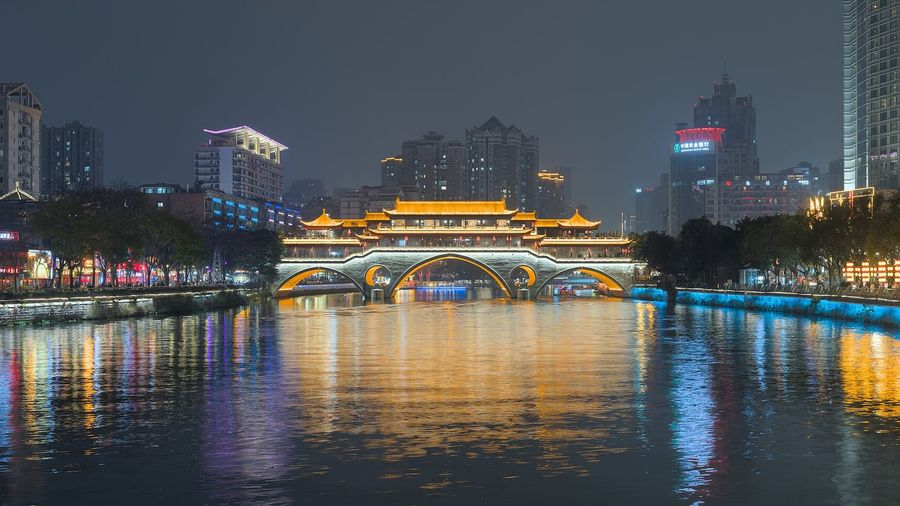
Give Chengdu at least three days: one for the panda base and the old lanes, one for a Leshan Giant Buddha day trip, and one for teahouses, temples, and food. Visit in spring or autumn, budget around ¥400–700 a day for a mid-range trip, and set up mobile payments and a VPN before you land.
Chengdu rewards travellers who slow down. The capital of Sichuan is a city of 21 million that somehow still feels unhurried — locals nurse jasmine tea in bamboo chairs for whole afternoons, debate the correct ratio of chilli to numbing peppercorn, and treat an unfinished game of mahjong as a legitimate reason to stay put. That relaxed tempo is the point of coming here, but it also means a rushed itinerary misses what makes the place special. This guide breaks the planning into the decisions that actually matter: when to go, how long to stay, which tours are worth booking, and how to handle the practical friction of travelling in western China.
When should you visit Chengdu?
Aim for March to May or September to November. Spring brings mild 15–25°C days and the most active baby pandas, while autumn adds crisp air and golden ginkgo along the streets. Summer is hot, wet, and humid; winter is cold and famously overcast but has the thinnest crowds and the best excuse to eat hotpot.
Chengdu sits in a basin that traps cloud, so it sees notoriously little direct sun — locals joke that dogs bark when it appears. Work with that rather than against it.
Spring (March–May) is the sweet spot. Temperatures hover between 15 and 25°C, rapeseed and peach blossom colour the surrounding countryside, and the cubs born the previous autumn are at their most playful in the breeding enclosures.
Autumn (September–November) is the close runner-up: dry, crisp, and quieter than spring, with ginkgo trees turning gold across the city in late October. It is the best window for temple visits and the day trips into the hills.
Summer (June–August) brings heavy rain and sticky humidity that leaves the pandas lethargic and the pavements steaming. It is the low season for a reason, though the hills are lush after a downpour.
Winter (December–February) is cold and grey but genuinely underrated. The panda base is at its least crowded, the animals are lively in the cool air, and a bubbling Sichuan hotpot has never felt more justified. Just avoid the two big domestic travel crushes — the early-October National Day week and Lunar New Year — when trains, hotels, and every major sight fill to bursting.
How many days do you need?
Three full days is the comfortable minimum. Spend one on the panda base and the old city, one on a Leshan Giant Buddha day trip, and one on teahouses, temples, and food. Add a fourth day if you want Mount Qingcheng and the Dujiangyan irrigation system, or you are using Chengdu as a base for the wider Sichuan region.
A sensible three-day skeleton looks like this:
- Day 1 — An early start at the Chengdu Research Base of Giant Panda Breeding, then an afternoon at the Wuhou Shrine rolling straight into the lantern-lit evening at Jinli Ancient Street next door.
- Day 2 — A day trip south to the Leshan Giant Buddha, the 71-metre statue carved into a cliff between 713 and 803 CE.
- Day 3 — A slow local day: tea at People's Park, the Wenshu Monastery, a Sichuan cooking class or food tour, and an opera face-changing show after dinner.
If Chengdu is one stop on a longer China route, it pairs naturally with the imperial history of Xi'an or the coastal energy of Shanghai, both a couple of hours away by air or high-speed rail.
Which tours are worth booking?
Skip a guide for the panda base — it is easy to navigate alone — but consider one for food, day trips, and anything off the tourist track, where the language barrier bites hardest. Group walking tours run ¥150–280 ($20–38) per person, dedicated Sichuan food tours ¥350–600 ($48–82) with tastings, and private guides ¥500–800 ($68–110) for a half day.
The single best-value guided experience in Chengdu is a Sichuan food tour. English menus are rare, the regional dishes rarely match what Western "Chinese food" has taught you to expect, and a guide who can order confidently, explain the difference between málà (numbing-spicy) and xiāng là (fragrant-spicy), and steer you to family-run stalls turns a good meal into the highlight of the trip. Expect ¥350–600 ($48–82) per person including tastings.
For sightseeing, weigh the options against your appetite for logistics:
| Tour type | Price | Good for |
|---|---|---|
| Group walking tour | ¥150–280 ($20–38 pp) | Old-city orientation on a budget |
| Sichuan food tour | ¥350–600 ($48–82 pp) | Decoding the local cuisine |
| Half-day private guide | ¥500–800 ($68–110) | Temples, teahouses, flexible pacing |
| Full-day private guide | ¥1,000–1,800 ($137–245) | Leshan or a Sichuan day trip, door to door |
A private full-day guide earns its keep on the Leshan excursion, where they handle the train tickets, the timed-entry booking, and the walk down the cliffside staircase, letting you focus on the Buddha rather than the queue. Book food tours and private guides a few days ahead in spring and autumn, when the best ones fill quickly.
How much should you budget?
Chengdu is inexpensive by big-city standards. A frugal traveller can manage on ¥250–350 ($35–48) a day, a mid-range trip runs ¥400–700 ($55–96), and a comfortable one with private guides climbs past ¥1,000. Entry fees are modest — the panda base is ¥55 and most temples ¥50 — so guiding, day trips, and dining drive most of the cost.
The daily maths breaks down roughly as follows:
- Accommodation — Hostel dorms from ¥60–100, clean mid-range hotels ¥250–450, international four-stars ¥600 and up.
- Food — A bowl of dan dan noodles or a street breakfast costs ¥10–20; a proper hotpot dinner for two runs ¥150–260; a teahouse afternoon is ¥20–40 including endless refills.
- Attractions — The panda base is ¥55, the Wuhou Shrine ¥50, and Jinli Ancient Street is free to wander, with snacks at ¥5–20 apiece.
- Transport — Metro rides are ¥2–7, a cross-town taxi ¥20–40, and the high-speed train to Leshan around ¥55 each way.
The largest variable is how much you guide and how far you day-trip. A self-guided traveller eating at street stalls will spend a fraction of what someone booking daily private tours does, and both are having a genuinely good time.
How do you get around, and what should you sort before you go?
Chengdu's metro reaches most attractions, taxis and the DiDi ride-share app fill the gaps, and high-speed trains connect the regional day trips. Before you arrive, set up WeChat Pay or Alipay with a linked international card, install a VPN, and check whether your nationality needs a visa or qualifies for a transit exemption.
The metro is the backbone: clean, cheap, sign-posted in English, and expanding fast. For anything it doesn't reach, the DiDi ride-hailing app (China's equivalent of Uber) is cheaper and less stressful than flagging a taxi, since it sidesteps the language barrier entirely — though ordinary street taxis are plentiful and affordable too.
A few things are worth handling before you land:
- Mobile payments — Cash and foreign cards are rarely accepted at street level. Both WeChat Pay and Alipay now let you link an international card; set this up in advance and Chengdu becomes almost frictionless.
- A VPN — Google, WhatsApp, Instagram, and most Western services are blocked on the mainland. Install and test a VPN before you arrive, because you cannot download one once you are there.
- Visas and arrival — Most nationalities need a visa, though transit exemptions exist for short stays; check the current rules for your passport. Chengdu is served by two airports, the newer Tianfu International and the older Shuangliu, so confirm which one your flight uses.
- A translation app — Download an offline Chinese pack. Outside the main tourist sites, English signage thins out quickly, and pointing your camera at a menu is often the fastest way to order.
The bottom line
Chengdu is a city to savour, not to speed-run. Anchor the trip on the pandas and the Leshan Buddha, leave real time for teahouses and hotpot, travel in spring or autumn, and sort your mobile payments and VPN before you fly. Do that, and Sichuan's capital repays you with the most relaxed few days of any China itinerary.
The travellers who leave Chengdu wanting more are almost always the ones who slowed down — who lingered over a second pot of tea, walked the Jinli lanes twice, and let an afternoon dissolve rather than racing to the next sight. Plan for that pace deliberately, and the city will feel less like a checklist and more like the break it was built to be.
Frequently Asked Questions
How many days do I need in Chengdu?
Three full days is the comfortable minimum — one for the panda base and the old city, one for a Leshan day trip, and one for teahouses, temples, and food, with a fourth day if you want to add Mount Qingcheng or the Dujiangyan irrigation system.
When is the best time to visit Chengdu?
March to May offers the mildest weather and the liveliest baby pandas, while September to November brings crisp air and golden ginkgo. Winter is grey and cold but ideal for hotpot and the least crowded panda base.
Do I need a guide in Chengdu?
A guide is not essential for the panda base but is genuinely useful elsewhere, since English is less common than in coastal China and most menus, markets, and rural day trips run entirely in Chinese characters.
How do I get from Chengdu to the Leshan Giant Buddha?
A high-speed train from Chengdu East reaches Leshan in about an hour, after which a local bus or taxi covers the final stretch to the entrance; many visitors book a guided day trip to skip the ticketing and queues.
Can I use cash in Chengdu, or do I need mobile payments?
Most vendors expect WeChat Pay or Alipay, both of which now accept linked international cards, so set up mobile payments before you arrive and carry a small amount of cash only as a backup.