
Activities
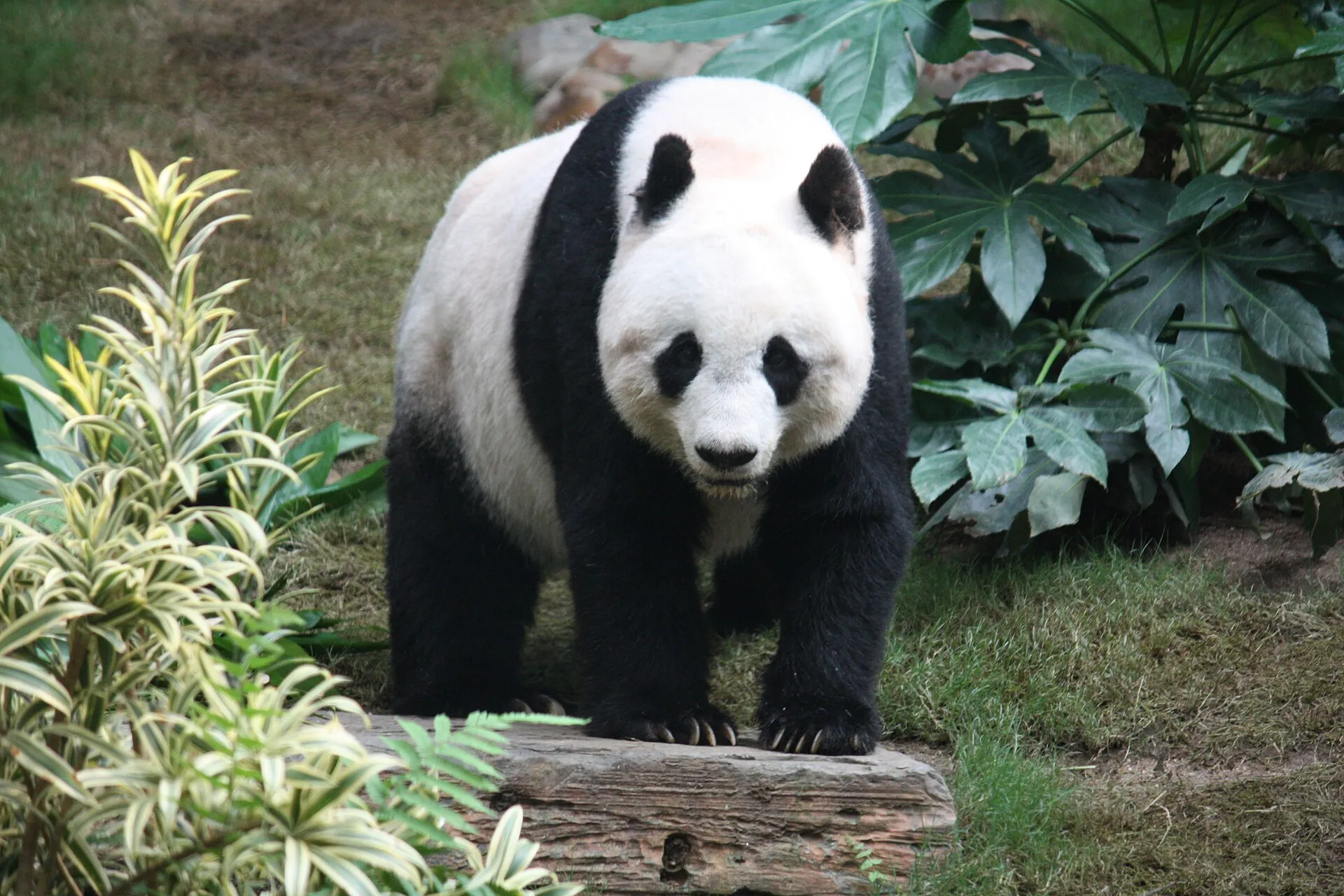
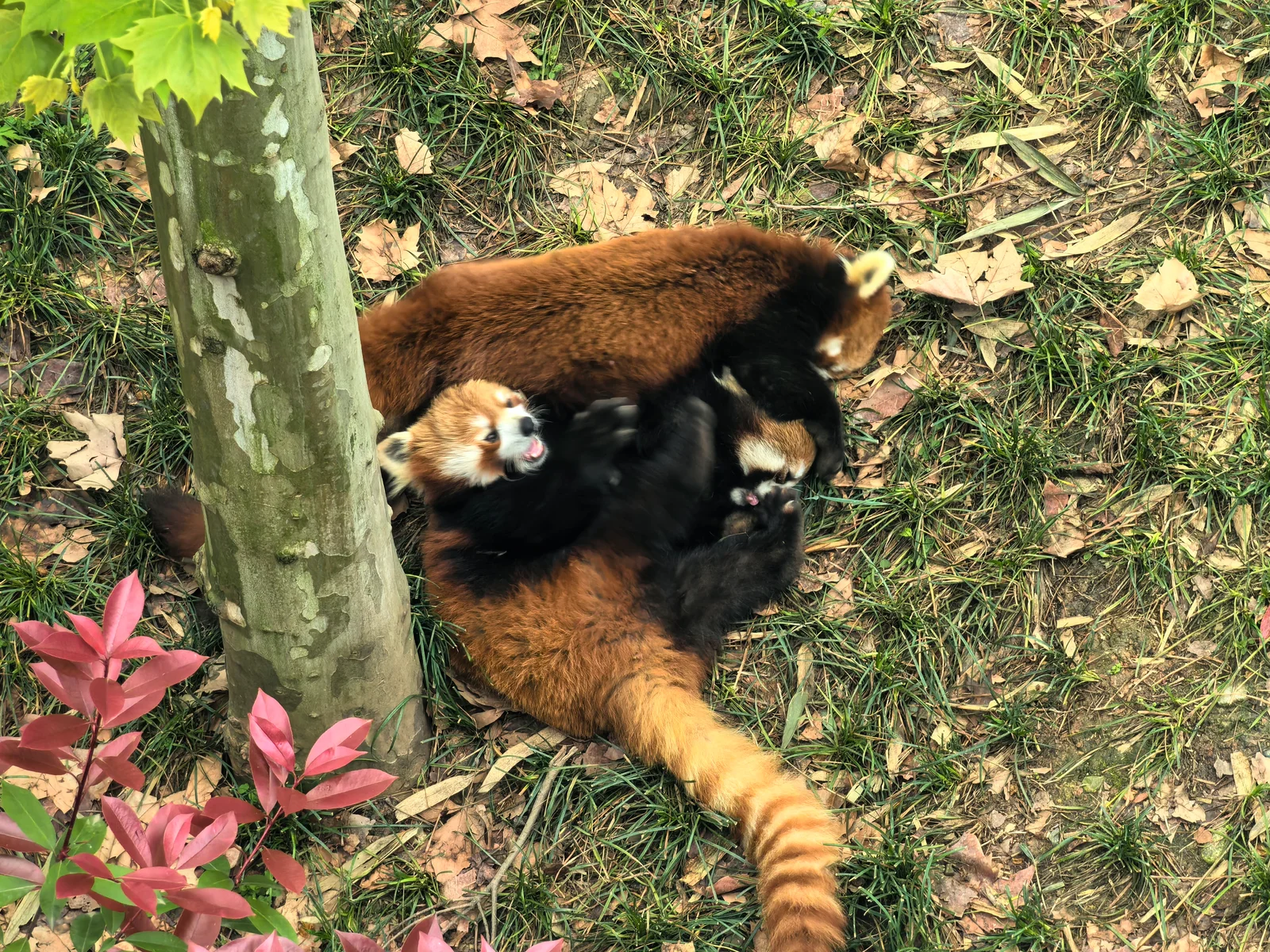
Morning feeding frenzy: Adult pandas demolishing stacks of bamboo at breakfast, crunching through stalks thicker than your wrist with astonishing speed. Cub nursery: Peer through glass at tiny pink newborns or watch wobbly youngsters tumble over each other on play platforms. Red panda encounters: These fox-like creatures wander close to walkways and are often easier to photograph than their larger cousins. Swan Lake area: A serene bamboo-fringed lake where black-necked cranes and other birds gather, offering a peaceful break between enclosures. Panda Museum: Interactive exhibits explain panda biology, the challenges of captive breeding, and the genetics behind the black-and-white fur pattern. Bamboo forest paths: The walking trails between enclosures are beautiful in their own right, winding through dense groves that filter the sunlight
Seasonal Highlights
Newborn panda cubs are typically visible from August through October, when the nursery fills with tiny pink infants that draw the longest queues of the year. Spring brings mating season and extra keeper-led enrichment activities. Winter mornings see adult pandas at their most playful, rolling and wrestling in the cooler temperatures they prefer over Chengdu's humid summers.
Chengdu Research Base of Giant Panda Breeding in Pictures
When to Visit
Open: Daily 7:30 AM - 6:00 PM (last entry 5:00 PM). Feeding time: 8:00 - 10:00 AM is when pandas are most active and eating bamboo. Best: Arrive at 7:30 AM opening - by 10 AM pandas begin napping and crowds multiply. Avoid: Afternoons, when most pandas are asleep high in trees or hidden in indoor rooms
Admission and Costs
Admission: ¥55. Sightseeing bus (on-site shuttle): ¥10. Taxi from Chengdu center: ¥40-60 (about 30 minutes). Online booking discount: Sometimes available for ¥50 if purchased a day in advance
Tips for Visitors
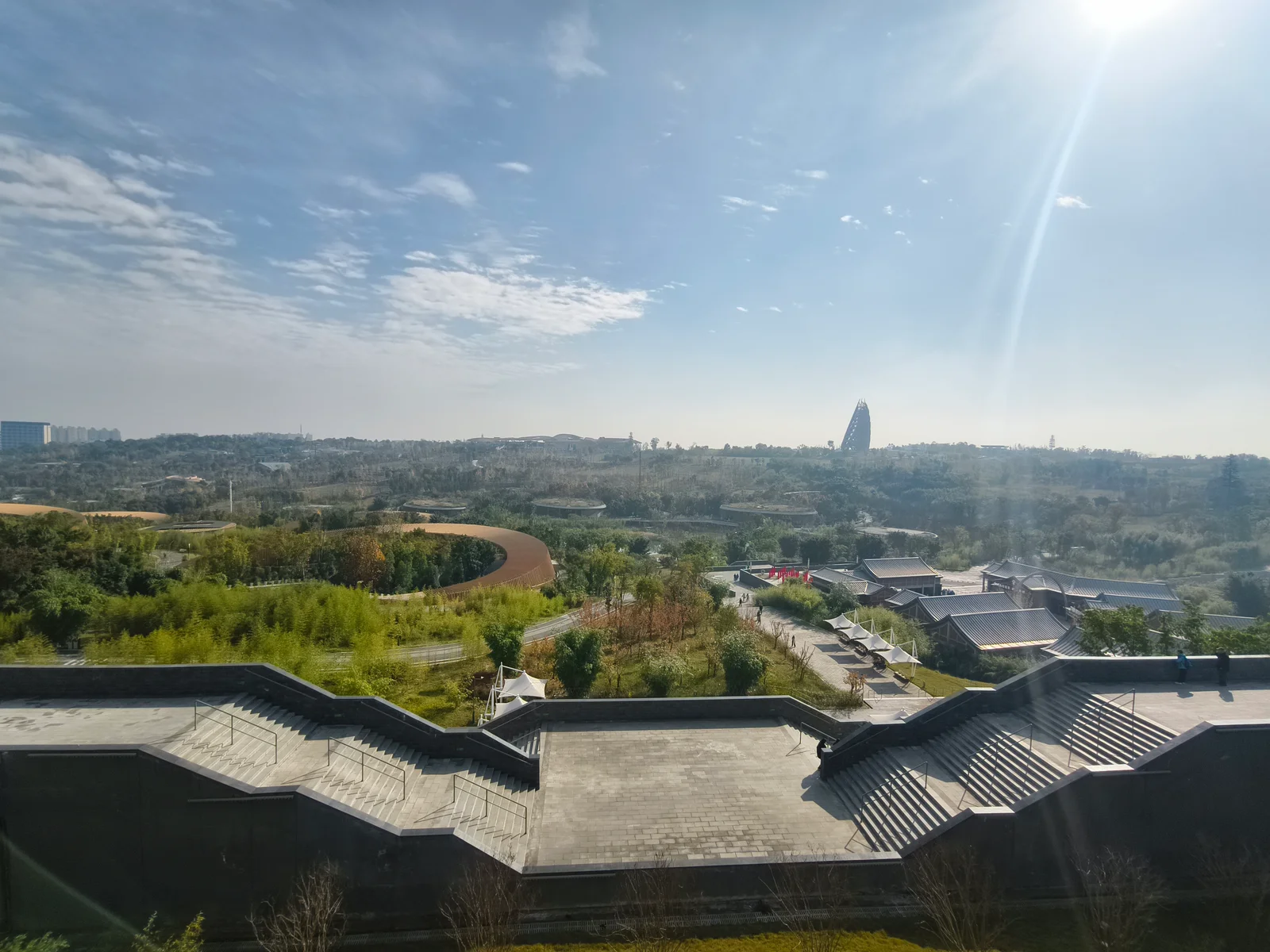
Skip the shuttle, walk down: Take the sightseeing bus to the top of the park, then walk downhill visiting enclosures on the way back - far less tiring. Book tickets online the day before: The base now requires advance reservations and limits daily visitors, especially during holidays. Bring a zoom lens: Pandas can be far from viewing platforms - a telephoto lens or binoculars make a huge difference. Check the cub schedule: Newborn pandas are only visible during certain months (typically August through January) - ask your guide about current nursery status. Wear comfortable shoes: The grounds cover nearly 250 hectares of hilly terrain and a full visit involves several kilometers of walking
Frequently Asked Questions
What months are best for seeing pandas at the Chengdu Research Base?
March through May and September through November hit the sweet spot of comfortable temperatures when pandas are most active outdoors munching bamboo rather than retreating to air-conditioned indoor enclosures. Chengdu's notoriously muggy summers (July-August) make the pandas lethargic and the park grounds uncomfortably humid, while the autumn months often coincide with the nursery season when newborn cubs can sometimes be spotted in the breeding facility.
When is the Panda Research Base open, and when is best to arrive?
Open: Daily 7:30 AM - 6:00 PM (last entry 5:00 PM). Feeding time: 8:00 - 10:00 AM is when pandas are most active and eating bamboo. Best: Arrive at 7:30 AM opening - by 10 AM pandas begin napping and crowds multiply.
Is Chengdu Research Base of Giant Panda Breeding free to enter?
Admission: ¥55. Sightseeing bus (on-site shuttle): ¥10. Taxi from Chengdu center: ¥40-60 (about 30 minutes). Online booking discount: Sometimes available for ¥50 if purchased a day in advance
What practical tip makes touring the Panda Research Base less tiring?
Skip the shuttle, walk down: Take the sightseeing bus to the top of the park, then walk downhill visiting enclosures on the way back - far less tiring.