
Activities
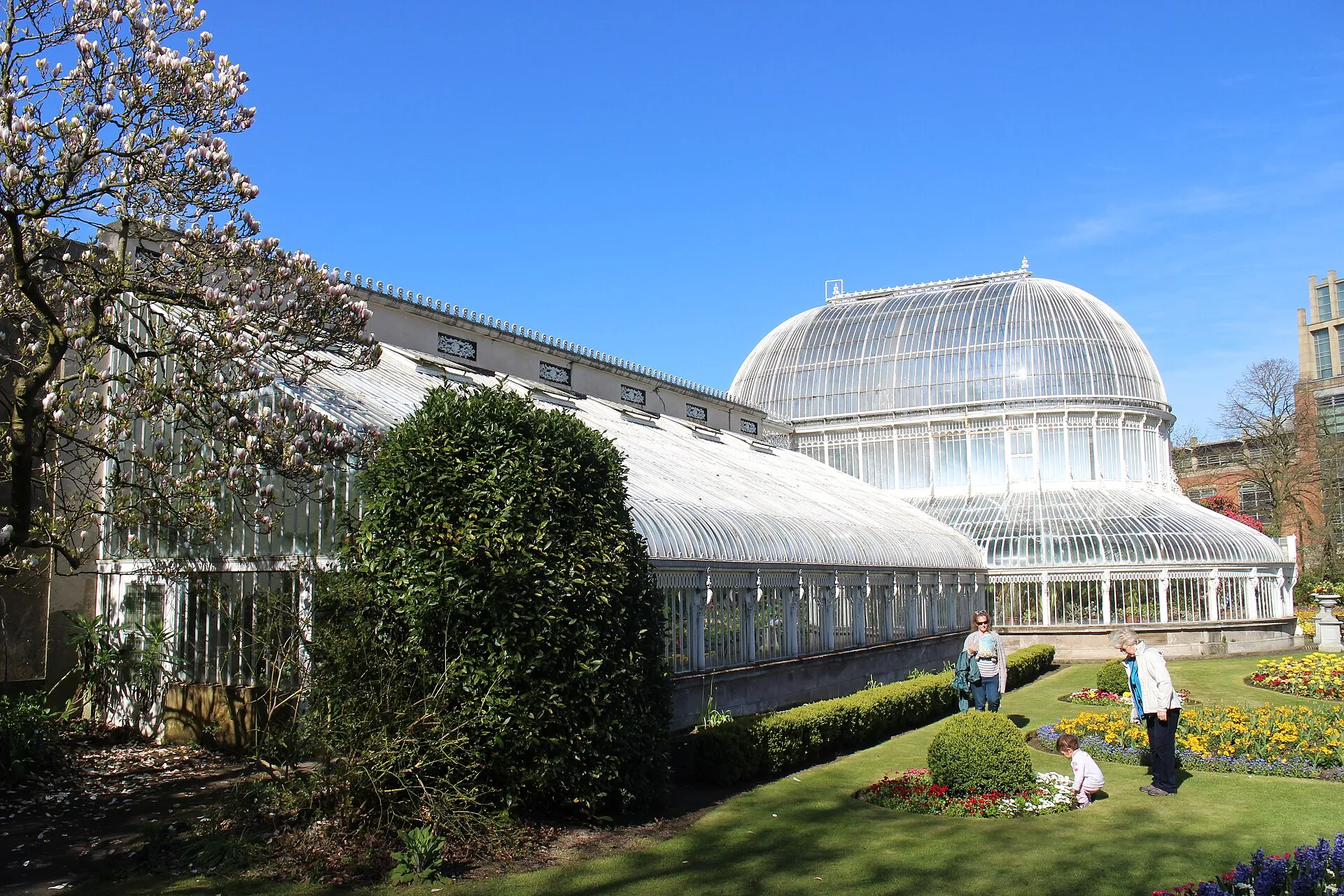
Belfast's Botanic Gardens represent a specific chapter in the city's Victorian development — the period when a rapidly industrialising town was trying simultaneously to educate its citizens, improve public health through access to green space, and demonstrate cultural ambition alongside its industrial achievements. The Palm House was built not just as a horticultural facility but as a public spectacle: the sight of tropical palms and flowering plants in a glass-and-iron building was genuinely astonishing to visitors from a damp Atlantic city. Charles Lanyon, its architect, was one of the most significant figures in Victorian Belfast's development — he also designed Queen's University, the Custom House, and much of the city's distinctive civic fabric. The gardens' proximity to Queen's University, which received its Royal Charter in 1845, was not coincidental; both institutions were part of the same Victorian programme of civic education and scientific development. The Ulster Museum houses some of the most significant artefacts in Irish history, including gold from the Girona galleon — a Spanish Armada ship wrecked off the Antrim coast in 1588 — that was recovered by a Belgian diver in 1967 and is now on permanent display.
When to Visit
Botanic Gardens (outdoor): Open year-round from dawn to dusk, free. Palm House: Monday–Friday 10 AM–5 PM; Saturday–Sunday 1–5 PM (summer); shorter winter hours. Tropical Ravine: Same hours as Palm House. Ulster Museum: Tuesday–Sunday 10 AM–5 PM, closed Monday, free. The gardens are a popular lunch and picnic destination for Queen's University staff and students on weekday afternoons. Spring (April–May) is the best time for the rose garden; summer evenings can be pleasantly warm. The gardens are particularly beautiful on clear mornings when the Palm House catches the light.
Admission and Costs
Everything free: the gardens, the Palm House, the Tropical Ravine, and the Ulster Museum. The Ulster Museum shop sells books and gifts. Café facilities are available inside the museum. Guided heritage tours of the Botanic Gardens and Palm House (organised by the council or tour companies): £8–15 per person. Private guide for the university quarter including the Botanic Gardens and Ulster Museum: £80–120 for up to 6 people (2 hours).
The Case for a Guide
A guided visit to the Botanic Gardens and Ulster Museum combines horticulture, architecture, and history:
- Victorian glasshouse technology — The Palm House's curved glass and cast-iron construction was an engineering achievement; understanding how it was built and how it influenced subsequent glasshouse design adds depth to the visit
- Ulster Museum highlights — With collections spanning prehistory to the present day, a guided introduction to the museum's key objects — the Girona gold, the Egyptian mummies, the Troubles exhibition — saves time and provides context
- University Quarter — The surrounding streets of the university area contain Victorian terraces, independent cafes, and the Queen's University main building; a guide who knows the area can place the gardens in the wider context of Belfast's spatial development
- Contemporary Belfast — The Botanic Gardens area is one of the best places to understand the everyday life of modern Belfast away from the tourist sites; a local guide brings this perspective
Tips for Visitors
Visit the Tropical Ravine — it is less well-known than the Palm House but architecturally and botanically remarkable after its recent restoration. The Ulster Museum is an outstanding free resource that most visitors don't spend enough time in; the Irish gold gallery and the Troubles exhibition are particularly significant. The surrounding Stranmillis and Botanic Avenue streets have some of Belfast's best independent cafes; the area has a distinctly different atmosphere from the city centre — where the Victorian Crown Liquor Saloon anchors Great Victoria Street — and the Cathedral Quarter around Belfast Cathedral. Queen's University main building (directly adjacent) is open to the public during working hours and its main corridor and Great Hall are worth a brief visit.
Frequently Asked Questions
Is the Palm House in Belfast's Botanic Gardens open to visitors?
Yes — the Palm House is free to enter and open to the public. It houses tropical and subtropical plants in two curved wings and a central dome. The Tropical Ravine, adjacent to the Palm House, is another significant Victorian glasshouse that was restored and reopened in 2018 after a major conservation project. Both are free to enter. Check the Belfast City Council website for seasonal opening hours as these change between summer and winter.
Is the Ulster Museum worth visiting alongside the Botanic Gardens?
The Ulster Museum is Northern Ireland's national museum and is located directly within the Botanic Gardens. Admission is free. Its collections span Irish antiquities (including gold from the Spanish Armada wreck off the Antrim coast), fine art, natural history, and significant collections related to the Troubles, the Plantation of Ulster, and the history of the linen industry. Combining the Botanic Gardens, the Palm House, and the Ulster Museum makes a full half-day visit.
Where are the Botanic Gardens located relative to central Belfast?
The Botanic Gardens are in the Queen's Quarter (university area) of Belfast, approximately 1.5 km south of City Hall. They are a 20-minute walk from the city centre or a short taxi ride. The Titanic Quarter and Titanic Belfast are about 3 km to the north. The gardens are adjacent to Queen's University Belfast, one of the UK's leading research universities, and the surrounding streets contain the city's highest density of independent cafes and restaurants.