
Guided Tours
The story of the Titanic is inseparable from the story of Belfast — both were at the apex of their ambitions at the same moment in history. The Harland and Wolff shipyard, founded in 1861 by Edward Harland and Gustav Wilhelm Wolff, grew into the largest shipyard in the world by employing over 35,000 workers at its peak and constructing some of the largest and most technically advanced vessels ever built. The Titanic and her sister Olympic were the apogee of this achievement: the largest moving objects ever made by human hands at the time of their construction. The decision to build the White Star Line's Olympic-class ships in Belfast rather than on the Tyne or the Clyde reflected Belfast's industrial pre-eminence. The sinking of the Titanic on 15 April 1912, with the loss of 1,517 lives, was felt acutely in Belfast, where many of the shipbuilders who had built her lived. The museum treats the tragedy with both the technical detail that a shipbuilding city demands and the human empathy that the loss of life requires.
When to Visit
April–September: daily 9 AM–6 PM. October–March: daily 10 AM–5 PM. Last admission one hour before closing. Advance timed-entry booking strongly recommended. Allow 2–3 hours for the main museum; additional time for the SS Nomadic (a separate White Star tender vessel, now restored as a museum ship — entry included in some combined tickets) and the Thompson Dry Dock (the largest surviving dry dock from the Edwardian era). The Titanic Quarter outdoor area can be explored free of charge; only the museum interior and the Nomadic require paid tickets.
Admission and Costs
General admission: £25 (adults). Children (5–16): £13.50. Under 5: free. Combined Titanic Belfast + SS Nomadic: £29. Group rates available; book in advance. Guided group tours (with museum guide): additional £5–8 per person on top of entry. Private external guides can accompany groups; contact the museum for their policy on external guide access. The Titanic Quarter walking tour of the outdoor slipways, pump house, and dock can be done independently with the free map from the museum entrance — allow 1 hour.
The Case for a Guide
A guided tour of Titanic Belfast adds substantial depth to what is already an immersive museum experience:
- Technical shipbuilding — Understanding the construction process — the riveting, the staging, the hydraulic launching system — is significantly clearer with a guide who can explain the technology
- Belfast's industrial context — The Titanic's construction was the product of a specific industrial ecosystem unique to Belfast; a guide connects the ship to the city's linen mills, rope works, and broader industrial base
- The human stories — Among the 1,517 who died were 22 Harland and Wolff employees who travelled on the maiden voyage; a guide who knows these individual stories brings a personal dimension to the statistics
- Post-sinking impact — The inquiry, the redesign of maritime safety regulations, and the long-term effect on Belfast's shipbuilding industry are all part of the story
Tips for Visitors
Book online in advance — timed entry is required and on-the-day availability is not guaranteed in summer. The museum's most popular sections (the shipyard ride and the sinking gallery) can have queues even within your timed slot; arrive at your booked time and go directly to the ride first before exploring in order. The outdoor slipways are free to visit without a museum ticket and are worth seeing: the marked lines of the Titanic and Olympic slipways are visible in the ground, and the scale of where these ships were built is genuinely impressive. The SS Nomadic in the Hamilton Dock is the last surviving vessel from the White Star Line fleet and was the tender that carried first- and second-class passengers from the Cherbourg harbour to the Titanic on the night of 10 April 1912. The compact city centre is a short walk or taxi west of the Titanic Quarter, where the Cathedral Quarter, Belfast Cathedral, and the Victorian Crown Liquor Saloon on Great Victoria Street round out a day of the city's landmark architecture.
Frequently Asked Questions
How long does a visit to Titanic Belfast take?
Most visitors spend 2–3 hours in the museum's nine galleries. A guided group tour typically takes 2 hours and covers the highlights with informed commentary. The outdoor Titanic Quarter — including the slipways where the ship was built, the Thompson Dry Dock (the largest in the world when built), and the SS Nomadic (the last surviving White Star Line vessel) — can add another 1–2 hours for those who want the complete experience.
Do I need to book Titanic Belfast in advance?
Yes — advance booking is strongly recommended, especially from April through October. The museum is extremely popular and timed entry tickets mean walk-up availability can be limited. Online tickets include a time slot; arrival outside your slot may result in having to wait. Group tours require advance booking weeks or months ahead in peak season. Booking online is also typically cheaper than purchasing at the door.
What makes Titanic Belfast different from other Titanic exhibitions?
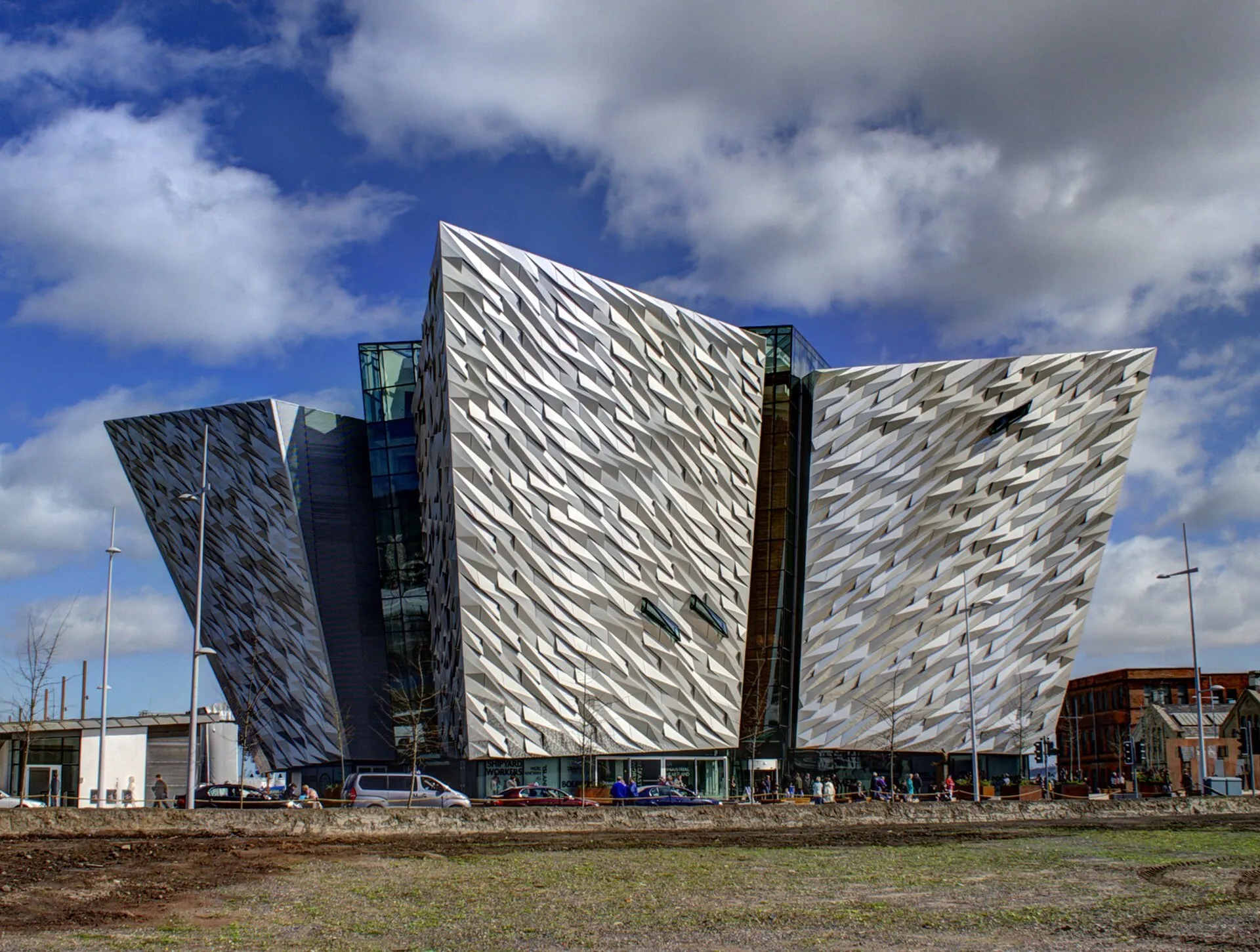
The museum is built on the actual Harland and Wolff shipyard site where the Titanic was designed and constructed — the slipways beneath your feet are those on which the ship was built. The nine galleries trace the history of Belfast's shipbuilding industry, the design and construction of the Titanic, her launch and maiden voyage, the sinking, the aftermath, and the ship's legacy and discovery. The combination of the physical site, the contemporary architecture, and the interactive displays creates an experience that no reconstructed exhibition elsewhere can replicate.