
Xi'an timeline
- 1046 BCE
Xi'an capital era
From the Western Zhou around 1046 BCE through the Tang until 904 CE, no other Chinese city served as the seat of imperial power for as long or as often, for most of.
-
The Muslim Quarter's Great Mosque was founded
The Muslim Quarter's Great Mosque was founded in 742 CE.
-
Xi'an capital era
From the Western Zhou around 1046 BCE through the Tang until 904 CE, no other Chinese city served as the seat of imperial power for as long or as often, for most of.
-
Xi'an capital era
Raised from 1370 on the foundations of the earlier Tang imperial capital, the rampart stands 12 metres high and up to 18 metres thick at the base, and is the most.
Cited city facts
Key facts for visiting Xi'an
Over 8,000 terracotta warriors, horses, and chariots are thought to lie in the pits
Only around 2,000 figures have been fully excavated and restored since well-diggers exposed the army in 1974; archaeologists deliberately leave much of the necropolis buried until preservation technology improves.
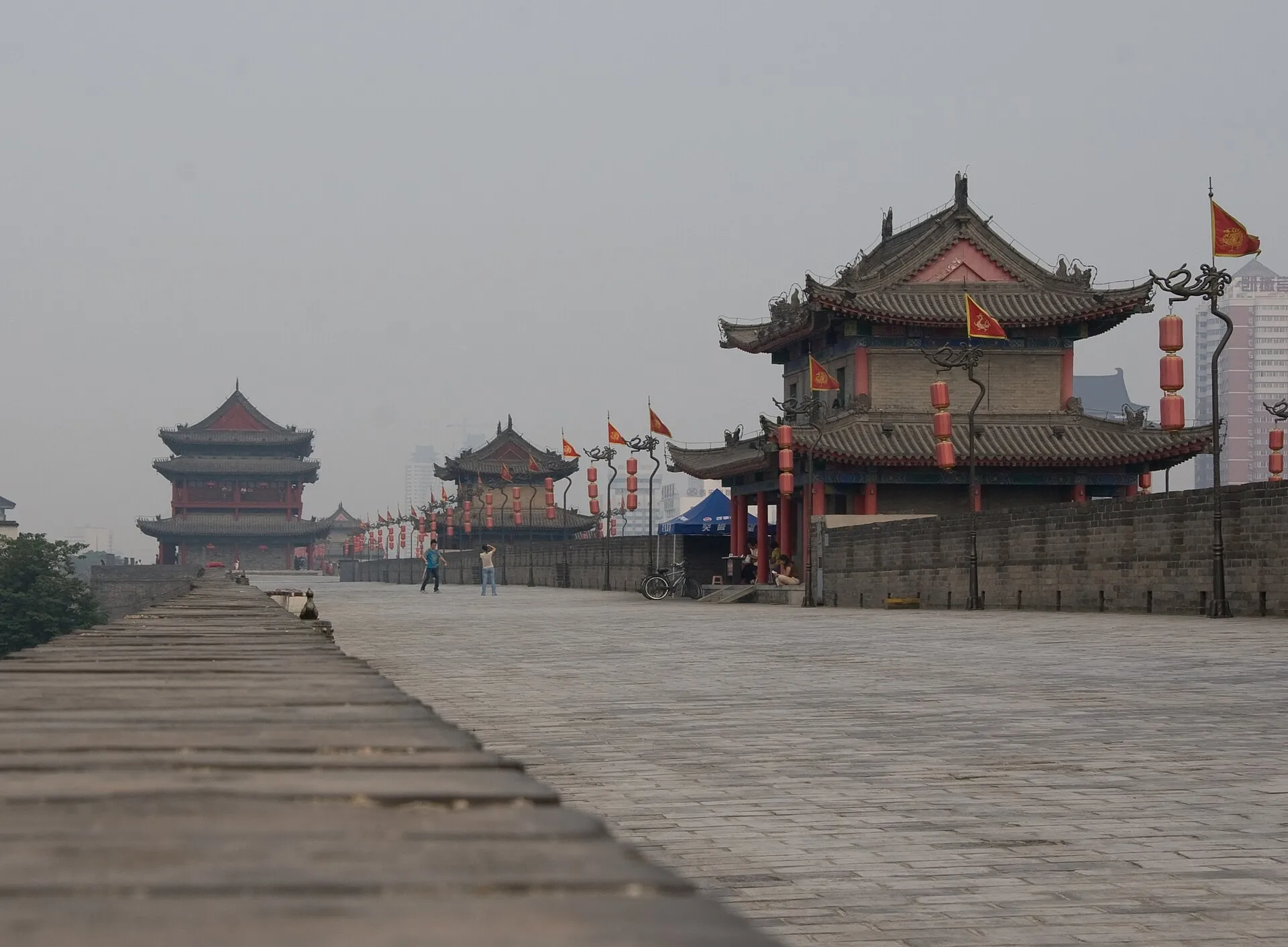
The Ming-dynasty City Wall runs 13.7 km around the old city
Raised from 1370 on the foundations of the earlier Tang imperial capital, the rampart stands 12 metres high and up to 18 metres thick at the base, and is the most complete ancient city wall surviving in China.
13 dynasties chose Xi'an as their capital
From the Western Zhou around 1046 BCE through the Tang until 904 CE, no other Chinese city served as the seat of imperial power for as long or as often, for most of that time under the name Chang'an.
Tang-dynasty Chang'an held roughly one million people
At its eighth-century height the walled Tang capital was among the largest and most cosmopolitan cities on earth, its grid of broad avenues drawing merchants, monks, and envoys from across Asia along the Silk Road.
The Muslim Quarter's Great Mosque was founded in 742 CE
Established during the Tang dynasty and rebuilt under the Ming, it is one of the oldest and largest mosques in China, laid out like a Chinese temple across some 12,000 square metres rather than in a domed Middle Eastern style.
A UNESCO Silk Roads route begins at Xi'an
In 2014 the Giant Wild Goose Pagoda and several other Xi'an monuments were inscribed as eastern anchors of the Silk Roads Chang'an–Tianshan Corridor, a roughly 5,000-km transnational route shared by China, Kazakhstan, and Kyrgyzstan.
Source: tour-guide.com — Free to cite with attribution
Things to see
What are the top attractions in Xi'an?
- Terracotta Army Pit 1 — Stand before 6,000 warriors in the vast main excavation hall
- Cycling the City Wall — Rent a bike and circle the entire fortification at sunset
- Muslim Quarter feast — Try roujiamo (Chinese hamburger), paomo soup, and persimmon cakes
- Great Mosque — Discover one of China's oldest mosques hidden in a peaceful garden compound
- Tang Dynasty show — Watch a grand performance of music and dance from China's golden age
- Big Wild Goose Pagoda — Climb a seventh-century Buddhist pagoda for panoramic city views
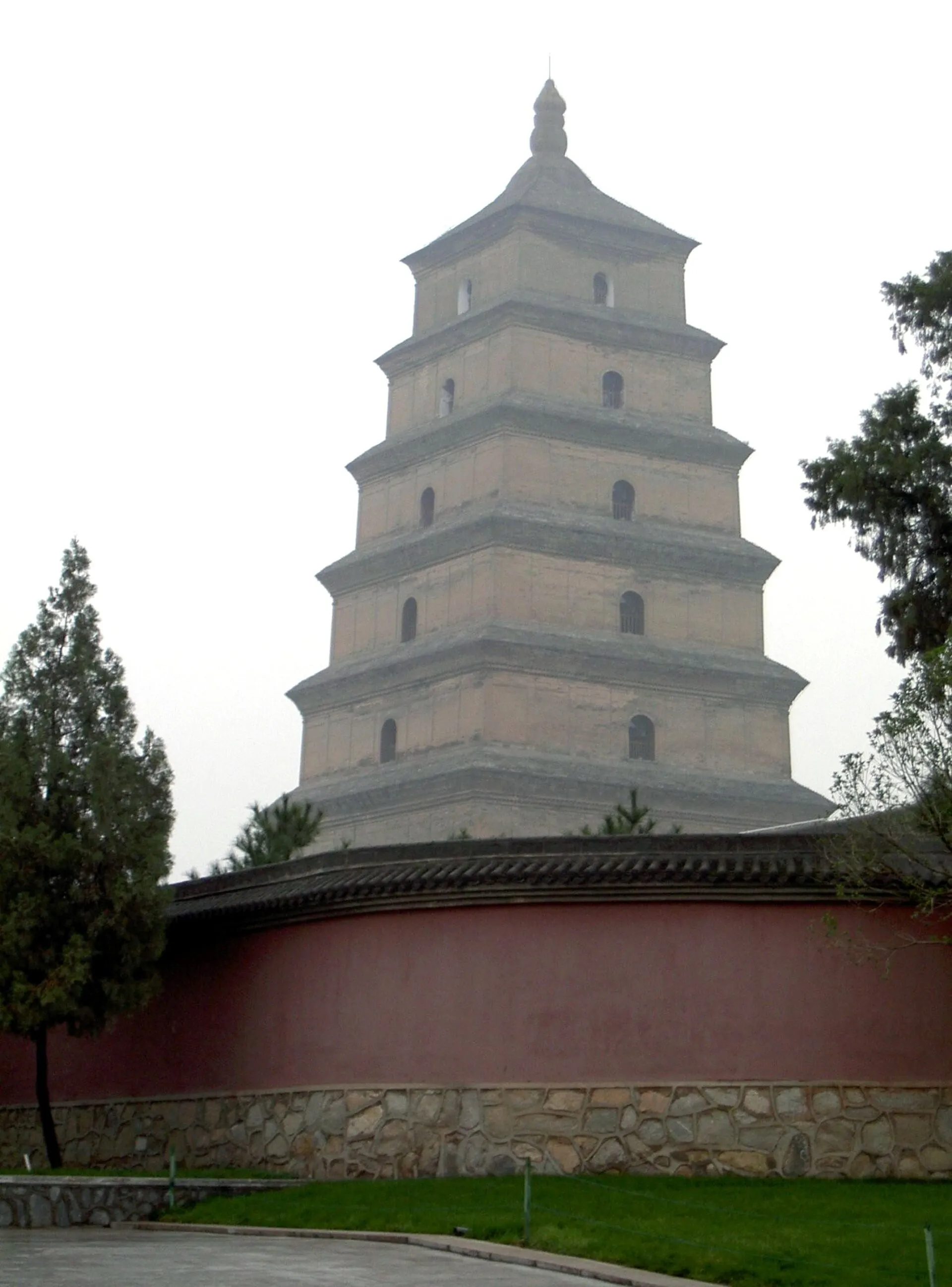
Giant Wild Goose Pagoda
A thirteen-century-old tower of faith rising above Xi'an's southern skyline
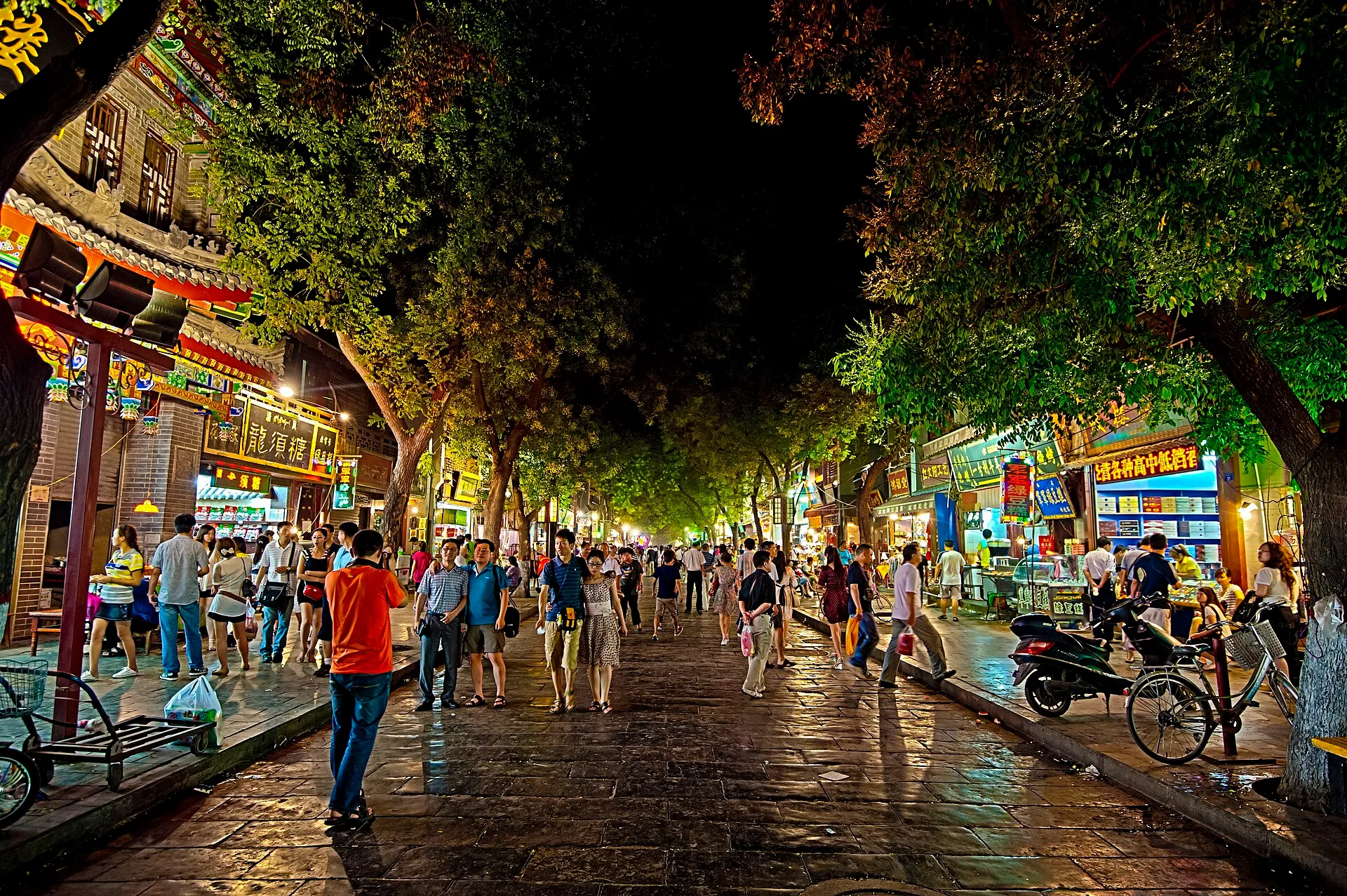
Muslim Quarter
A sensory feast of Silk Road flavors in the heart of ancient Xi'an
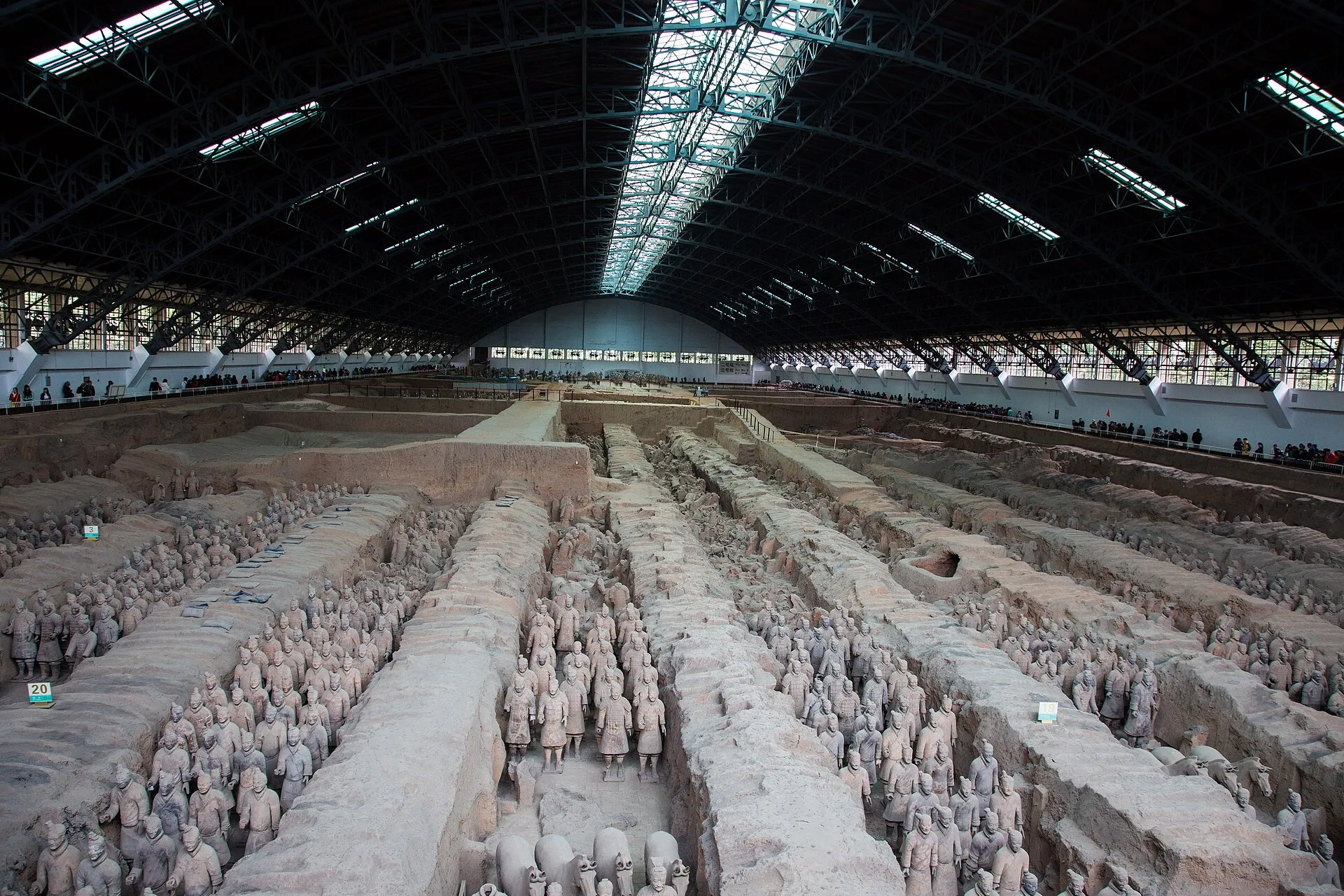
Terracotta Army
An underground legion of clay soldiers standing guard for over two millennia
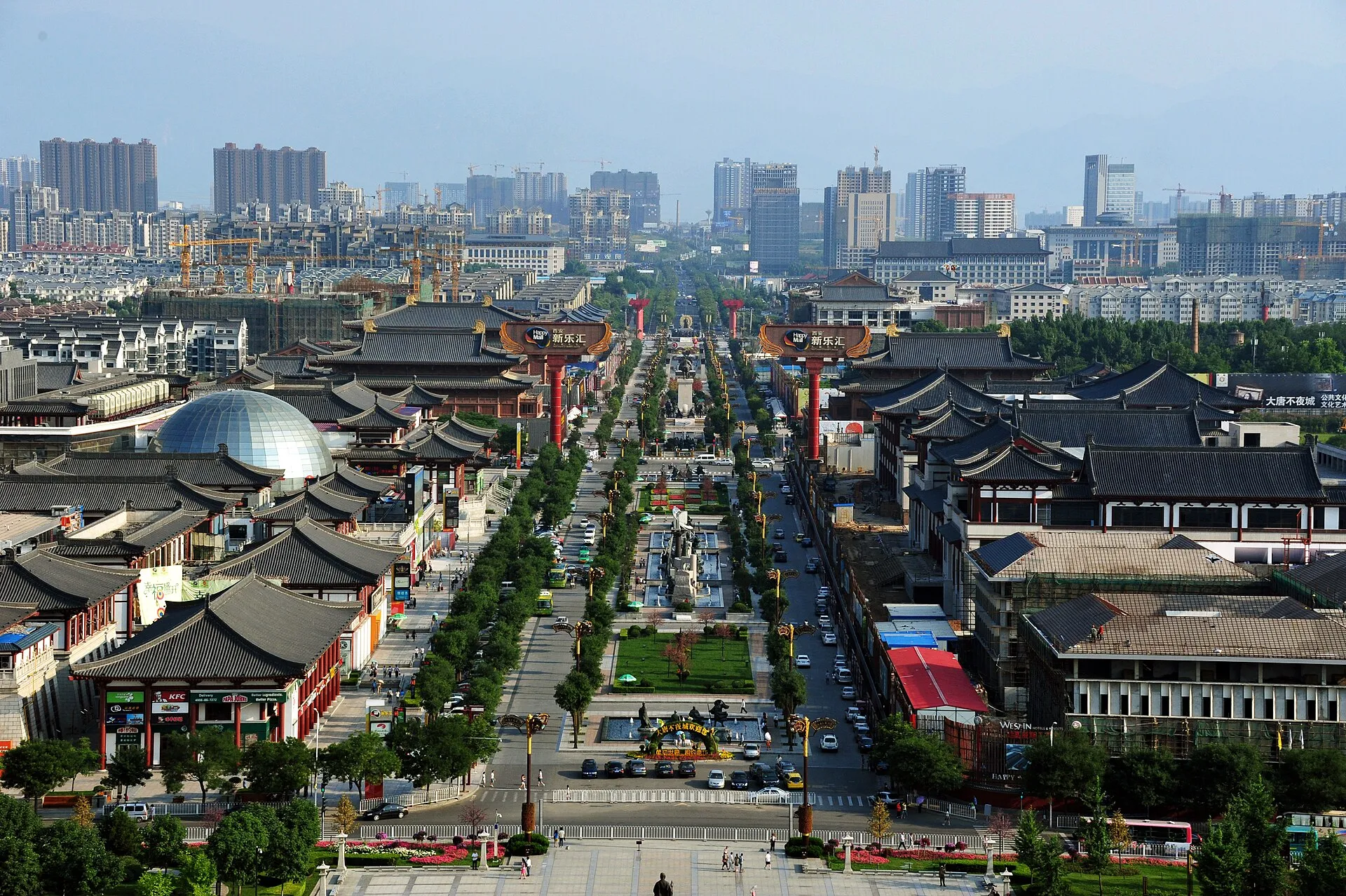
Xi'an City Wall
A monumental Ming-dynasty fortress encircling the ancient city center
Guide planning
How much does a tour guide cost in Xi'an?
| Tour Type | Price | Details |
|---|---|---|
| Group Walking Tours | ¥150-300 | $20-40 per person |
| Street Food Tours | ¥300-500 | $40-68 with tastings |
| Half-Day Private | ¥600-900 | $82-123 |
| Full-Day Private | ¥1,200-2,000 | $165-275 |
Season planner
When is the best time to visit Xi'an?
Autumn — roughly late September through early November — is the finest window in Xi'an, when the fierce heat of the Guanzhong basin finally breaks, the skies clear, and the golden light on the City Wall at dusk is at its best. Spring (April to May) runs a close second, with mild days and blossom in the temple gardens, though dust carried on the wind from the northwest can occasionally haze the air. Summer (June to August) is hot, humid, and busy: afternoon temperatures regularly top 35°C with little shade on the exposed wall or over the open pits, and the July–August school holidays fill every site with domestic tour groups. Winter (December to February) is cold and sometimes grey, but it thins the crowds dramatically and lends the ancient monuments a stark, atmospheric beauty — pack for temperatures that hover near freezing.
Time your trip around — or deliberately away from — these fixed points in the calendar:
- Spring Festival (Chinese New Year), late January or February — the city's biggest celebration, when the City Wall International Lantern Festival wraps the South Gate ramparts in thousands of illuminated silk lanterns for several weeks. Spectacular, but transport and hotels book out and many small Muslim Quarter vendors close for the holiday.
- Lantern Festival, fifteenth day of the first lunar month — the lantern displays reach their peak and the old town fills after dark with crowds admiring them.
- Qingming (Tomb-Sweeping Day), early April — a public holiday that pairs naturally with spring's mild weather; expect heavier weekend numbers at the Terracotta Army.
- National Day / Golden Week, 1–7 October — the single busiest week of the year, when prices peak, sites run shoulder-to-shoulder, and rail tickets vanish weeks ahead. Visit just before or after if you can.
- Warm-weather evenings (May to October) — the season for the nightly musical-fountain show on the North Square below the Giant Wild Goose Pagoda, billed as the largest such display in Asia.
Spring
Mar-May
Summer
Jun-Aug
Autumn
Sep-Nov
Winter
Dec-Feb
Each score averages that season’s monthly ratings out of 5. The top-rated window is usually the peak season too, so read the guidance above for its trade-offs before you book.
On the ground
How do you get around Xi'an?
Xi'an's clean, cheap metro now threads multiple lines through the walled centre and out to the main transport hubs, with fares paid by QR code or a rechargeable card. The old town is compact enough to cross on foot, and the Muslim Quarter is best explored slowly on foot — a few small vendors there still prefer cash to mobile payments. For the Terracotta Army, 40 km east in Lintong District, take the direct tourist bus 5 (306) from the eastern square of Xi'an Railway Station, or arrange a private car through your guide; either way allow a full morning, as the site needs three to four hours to explore properly. Cycling the 13.7 km City Wall circuit is a highlight in its own right — rent a bike at the South Gate and allow about 90 minutes, wearing comfortable shoes for the uneven original brickwork. High-speed trains from Xi'an North Railway Station reach Beijing and Shanghai in four to six hours, while Xi'an Xianyang International Airport connects the city to the rest of China and beyond. One rule holds everywhere: buy souvenirs only from official museum shops, as convincing fake "antiques" are sold all around the Terracotta Army.
Frequently Asked Questions
What is the best time to visit Xi'an?
Best months: September-November (golden autumn weather) or April-May (comfortable spring temperatures).
How much does a tour guide cost in Xi'an?
Group Walking Tours: ¥150-300 ($20-40 per person). Street Food Tours: ¥300-500 ($40-68 with tastings). Half-Day Private: ¥600-900 ($82-123). Full-Day Private: ¥1,200-2,000 ($165-275)
How do you get around Xi'an?
Xi'an has a modern metro system with multiple lines connecting the city wall area, the train station, and major sights. For the Terracotta Army, 40 km east of downtown, take tourist bus 5 (306) from the train station or arrange private transport through your guide.
How many days do you need in Xi'an?
Two full days suit most visitors: give one day to the Terracotta Army, 40 km east of the city, and the other to the walled old town — cycling the City Wall, grazing the Muslim Quarter, and climbing the Giant Wild Goose Pagoda. A third day lets you add the excellent Shaanxi History Museum at a more relaxed pace.
Is Xi'an easy to reach from Beijing or Shanghai?
Yes. High-speed trains from Xi'an North Railway Station reach Beijing in about 4.5-6 hours and Shanghai in roughly 6 hours, usually beating flights once airport time is counted. Xi'an Xianyang International Airport also links the city to destinations across China and a growing list of international routes.