
Hong Kong timeline
-
Hong Kong Island ceded
The Treaty of Nanking made the island a British colony and began the port city visitors recognize today.
-
New Territories leased
The lease expanded Hong Kong's land base and shaped the urban-rural geography beyond Victoria Harbour.
-
Japanese occupation begins
Wartime occupation left memorial sites and a darker chapter behind the city's modern skyline.
-
Handover to China
Sovereignty transferred from Britain to China under the one country, two systems framework.
Cited city facts
Key facts for visiting Hong Kong
7.5 million people on just 1,114 km² of land
Hong Kong's overall population density reaches around 6,700 people per km², but in districts like Mong Kok it exceeds 130,000 per km², making it one of the most densely populated places on Earth
Star Ferry has operated since 1888
The cross-harbour ferry service has completed well over 100 years of continuous operation, carrying roughly 70,000 passengers daily between Hong Kong Island and Kowloon
Over 40% of Hong Kong is designated country parks
Despite its ultra-urban reputation, 24 country parks and 22 special areas protect mountains, coastline, and forest trails, many reachable within 30 minutes from the central business district
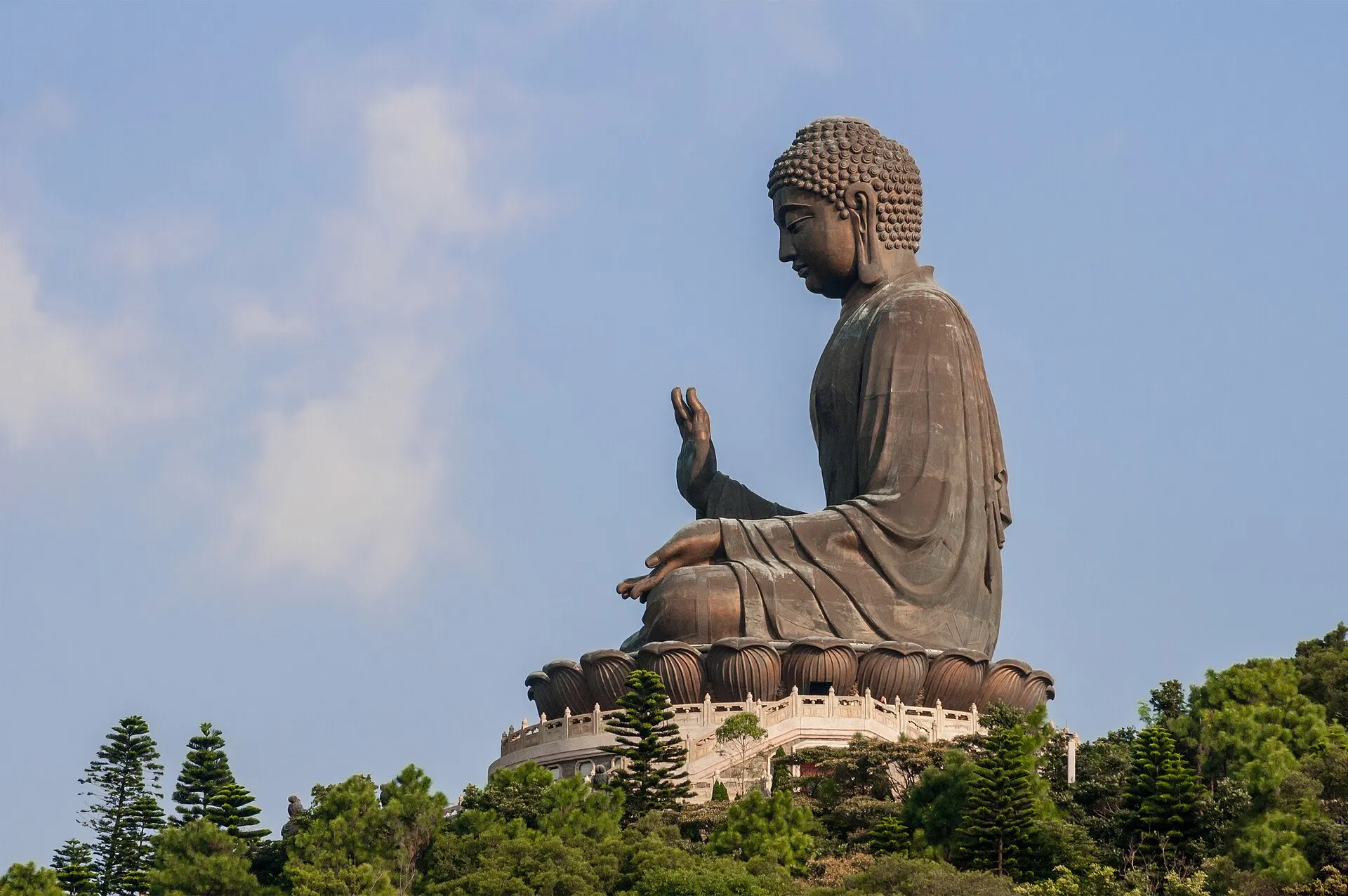
Tian Tan Buddha weighs 250 metric tonnes
Completed in 1993 on Lantau Island's Ngong Ping plateau, the 34-meter bronze statue was the largest outdoor seated bronze Buddha in the world at the time of its construction
Source: tour-guide.com — Free to cite with attribution
Things to see
What are the top attractions in Hong Kong?
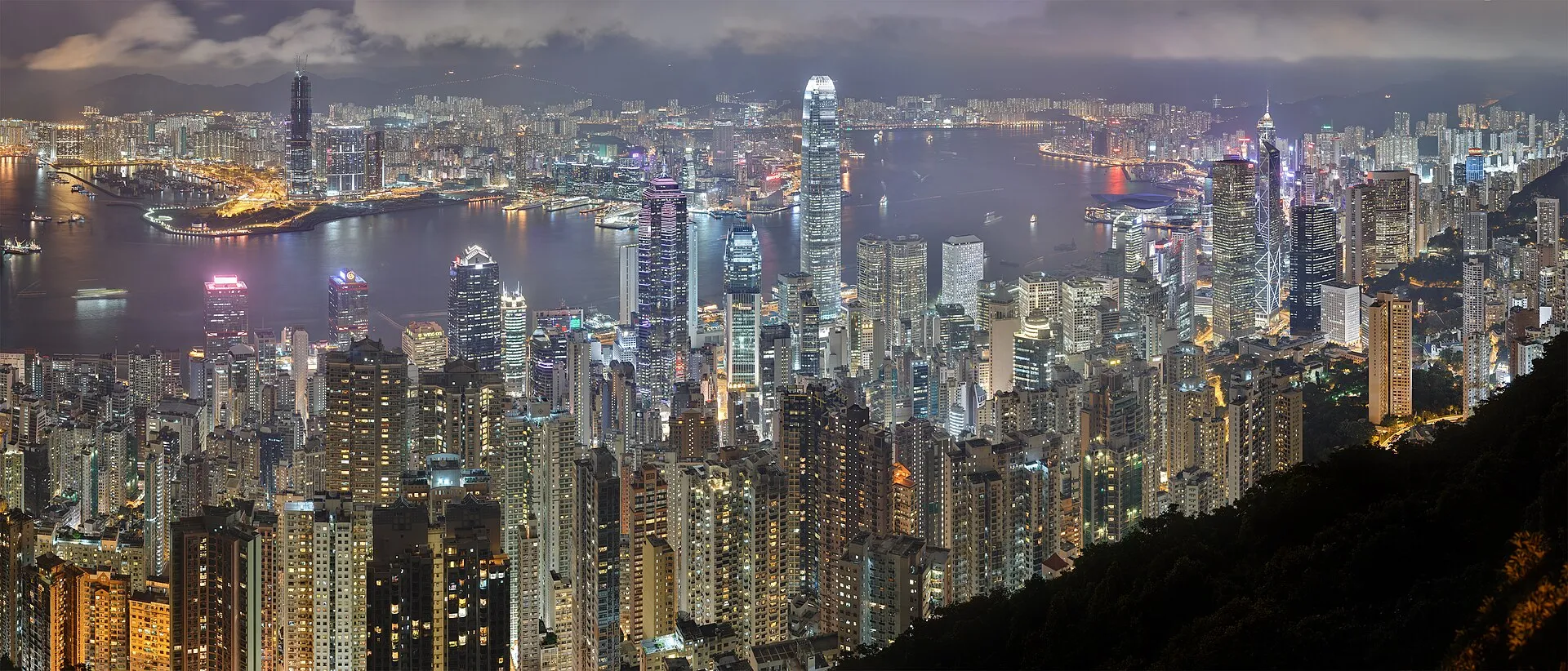
- Peak Tram at dusk — Ride the 1888 funicular railway for a sunset panorama over the harbor
- Walking with the Buddha — Climb all 268 steps to the Tian Tan Buddha, then explore the monastery's vegetarian feast
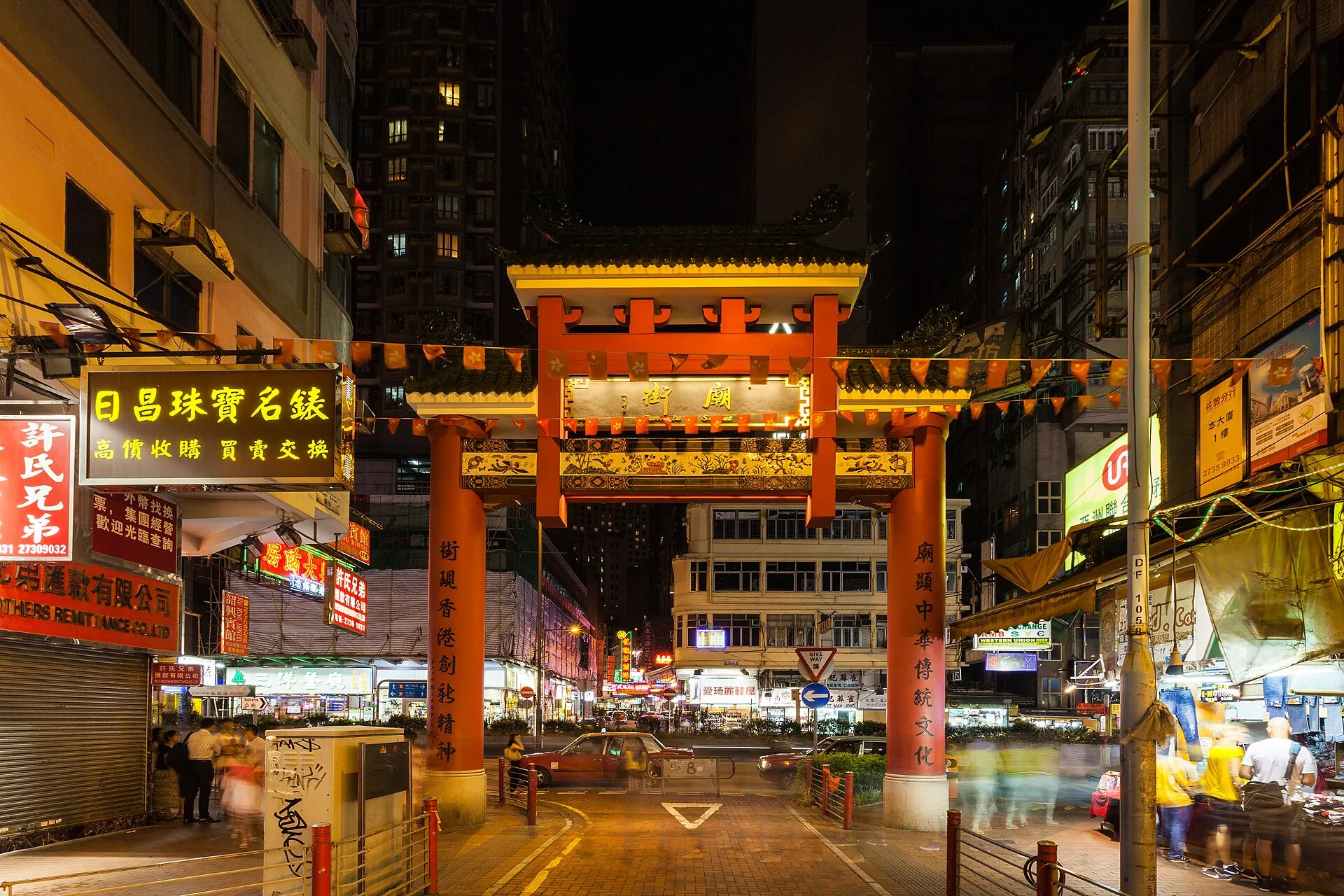
- Temple Street after dark — Cantonese opera singers, claypot rice vendors, and jade traders under neon lights
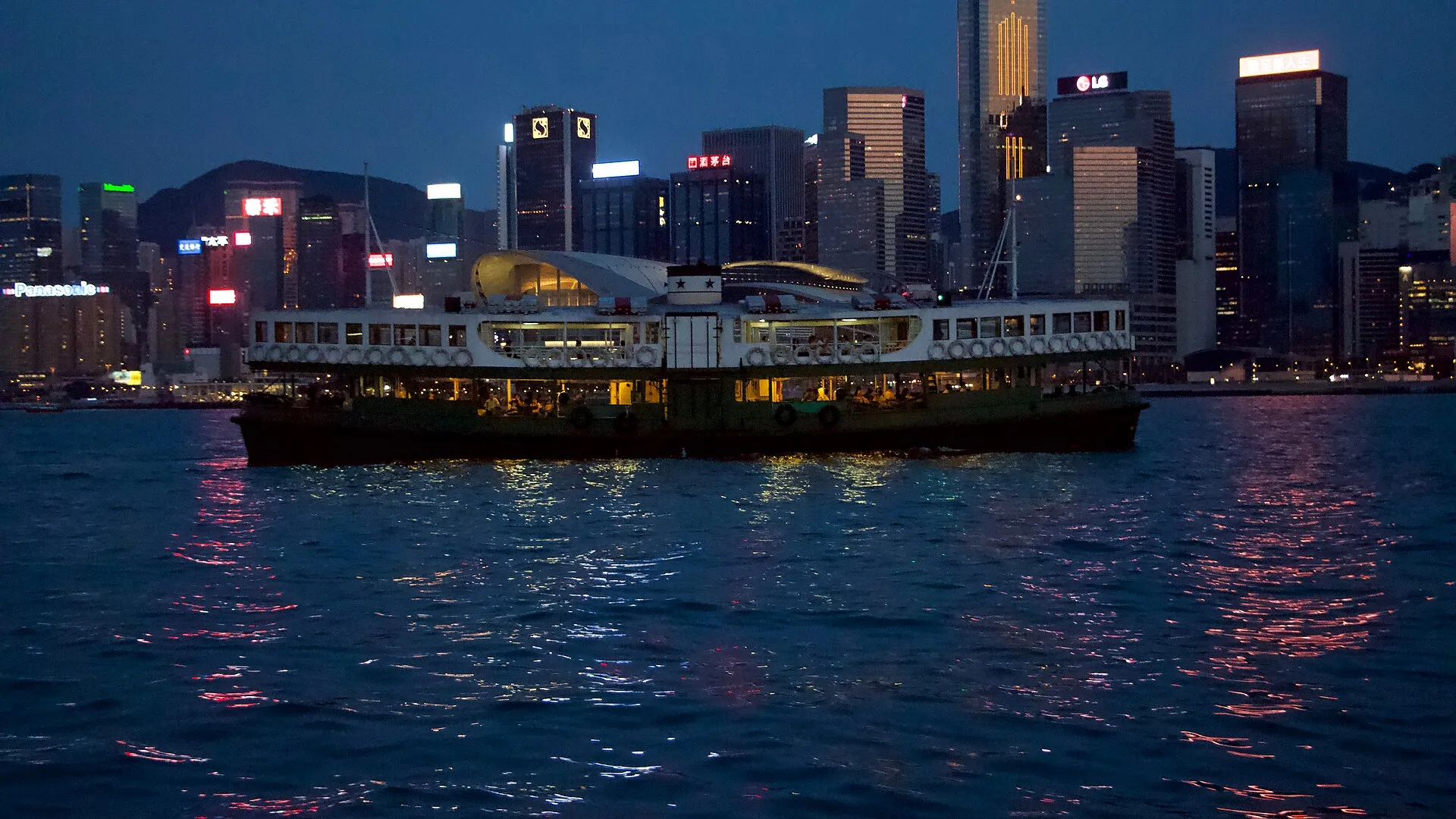
- Star Ferry crossing — The cheapest and most scenic harbor ride in the world, running since 1888
- Dim sum breakfast — Join the morning ritual at a packed Cantonese tea house for steamed dumplings and congee
- Dragon's Back trail — A ridgeline hike above Shek O beach with views spanning the South China Sea
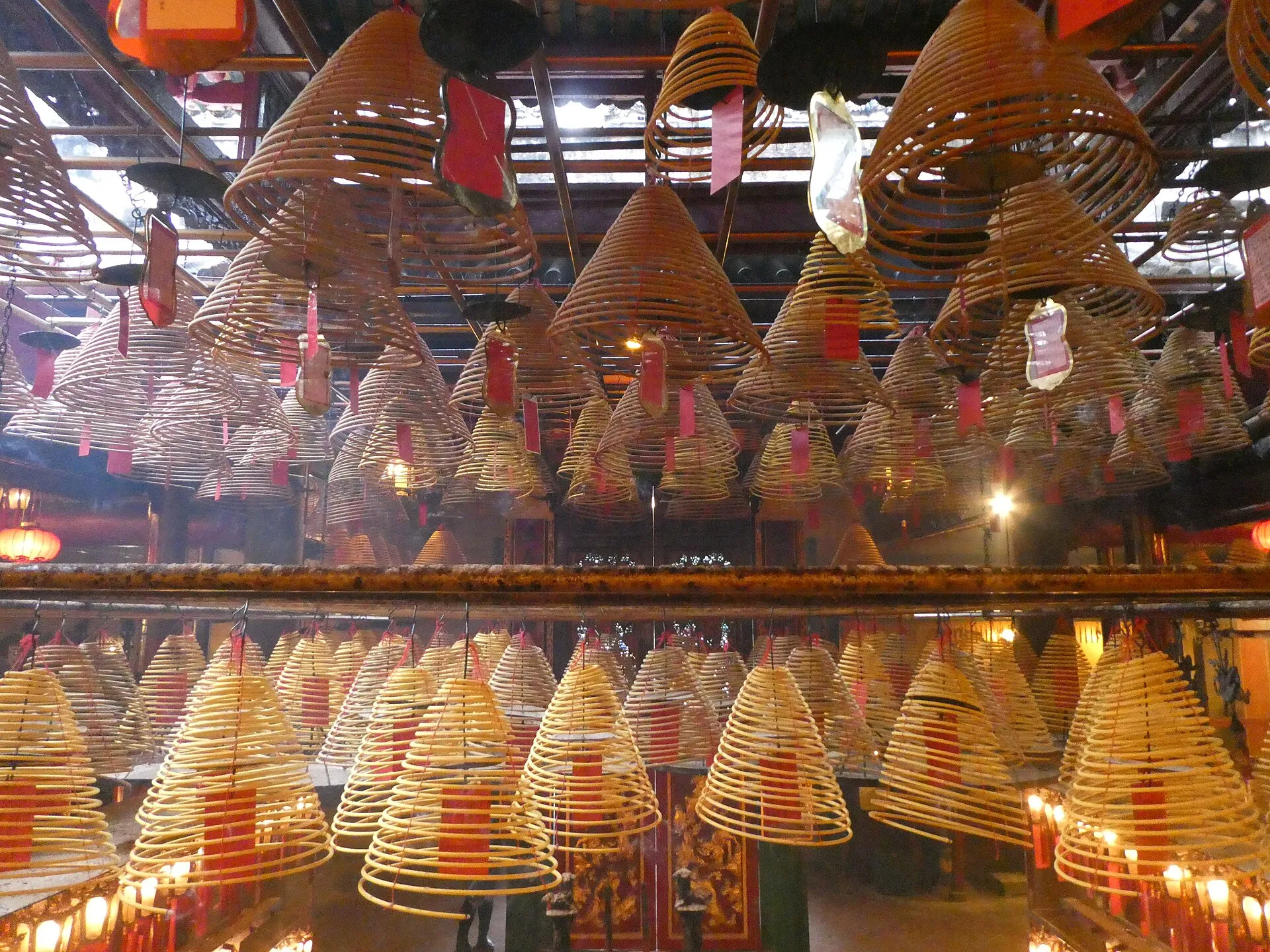
Man Mo Temple
Sandalwood smoke and spiral incense coils in Hong Kong Island's oldest surviving temple
Star Ferry
Eight minutes across the most dramatic urban waterfront on Earth, aboard a vessel unchanged since the gaslight era
Temple Street Night Market
Kowloon's neon-lit strip of street food, fortune tellers, and late-night bargains
Tian Tan Buddha
A 250-tonne bronze Buddha seated in serenity above Lantau's mountain forest
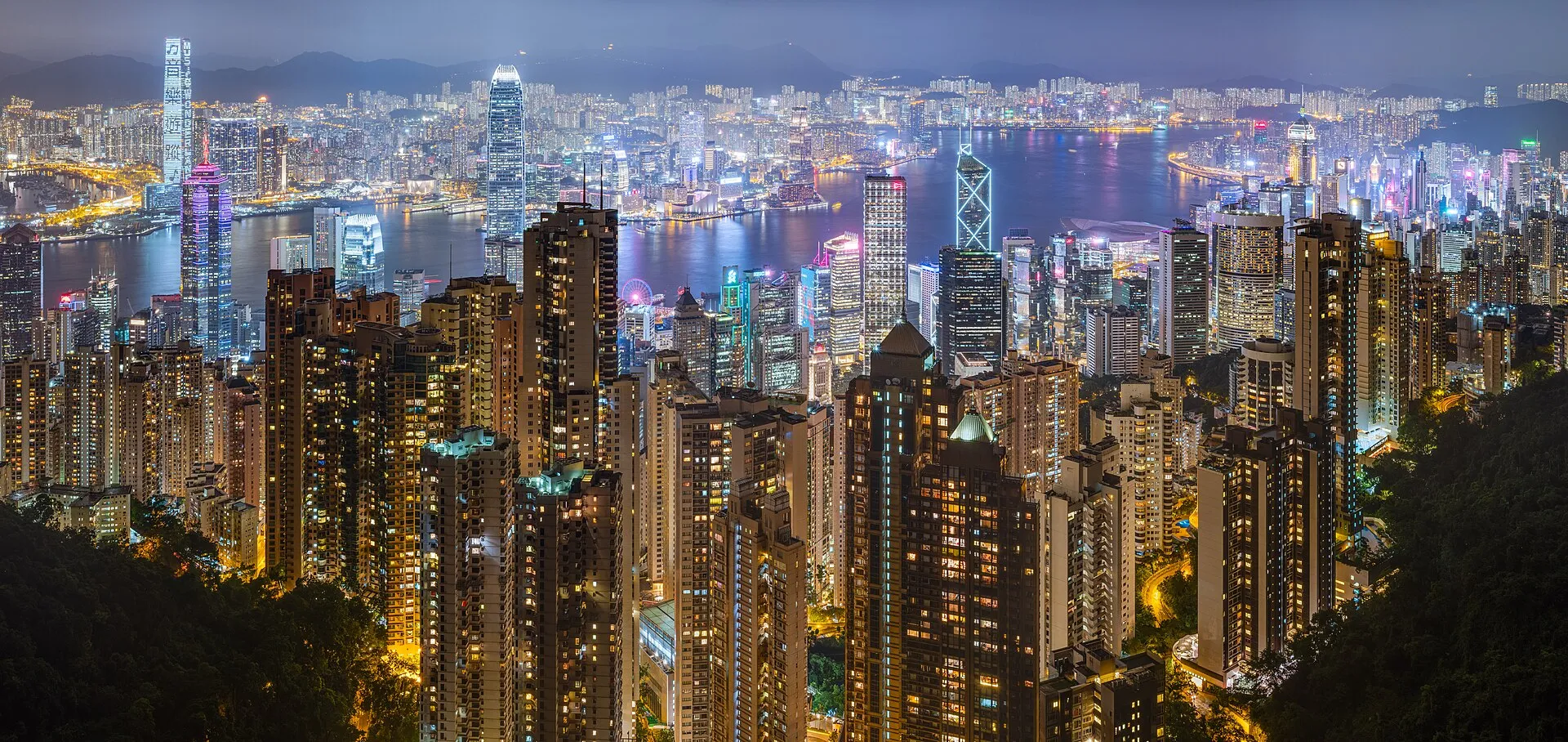
Victoria Peak
Hong Kong's crown jewel, 552 meters above the harbour lights
Guide planning
How much does a tour guide cost in Hong Kong?
| Tour Type | Price | Details |
|---|---|---|
| Group Walking Tours | HK$200-400 | $25-50 per person |
| Street Food Tours | HK$500-800 | $65-105 with tastings |
| Half-Day Private | HK$1,500-2,500 | $190-320 |
| Full-Day Private | HK$3,000-5,000 | $385-640 |
Book a Local Guide
The guides below are independent local businesses we recommend purely on editorial merit. We don't sell placement and we earn no commission when you book with them — see our booking and affiliate disclosure.
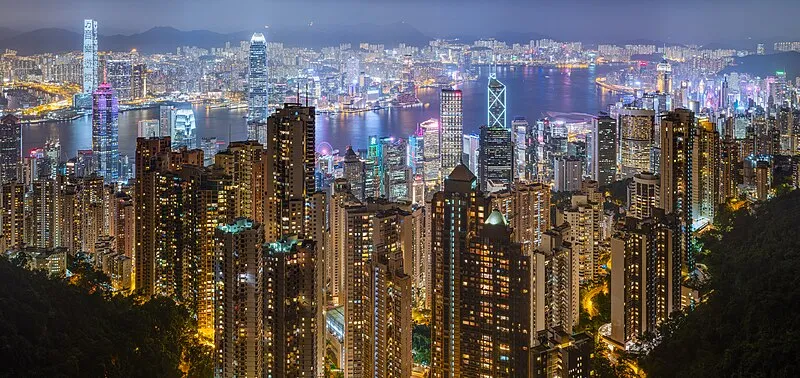
Hong Kong Food Tours
Hong Kong Food Tours runs intimate small-group and private culinary walks through the wet markets, dim sum parlours, and roast meat shops of Sham Shui Po, Wan Chai, and the Central Market. Their guides are food-obsessed locals who steer groups away from tourist traps toward the counter spots and family-run restaurants where Hong Kong's extraordinary Cantonese cuisine is served exactly as it has been for generations.
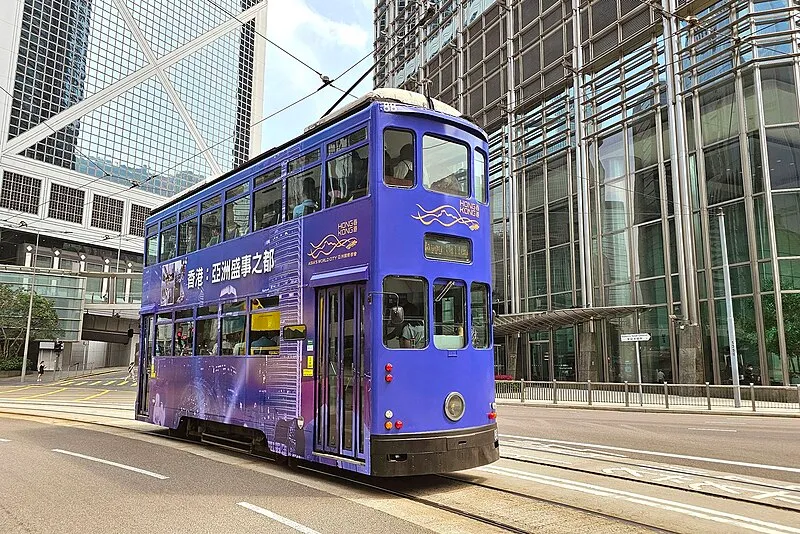
Unique Tours Factory — Hong Kong Hidden Gems
Unique Tours Factory connects travellers with local Hong Kong residents who lead neighbourhood walks through the parts of the city that tourists rarely reach — the Yau Ma Tei jade market, the Kowloon Walled City Park where a labyrinthine slum once stood, the Aberdeen fishing village where trawlermen still haul their catch. Their guides offer the kind of unfiltered local perspective that comes from actually living in the neighbourhoods they show, not just having memorised the facts about them.
Season planner
When is the best time to visit Hong Kong?
- Typhoon season — June through September can bring signal-8 storms that shut down the city; check forecasts daily
- Best months — October through December for dry, cool weather and crystal-clear harbor views
Spring
Mar-May
Summer
Jun-Aug
Autumn
Sep-Nov
Winter
Dec-Feb
Each score averages that season’s monthly ratings out of 5. The top-rated window is usually the peak season too, so read the guidance above for its trade-offs before you book.
On the ground
How do you get around Hong Kong?
- Octopus card first — Buy one at the airport; it works on every bus, train, ferry, and most convenience stores
- Separate visa rules — Hong Kong has its own immigration policy distinct from mainland China; most Western passports get 90-180 days visa-free
- HK dollars, not yuan — Hong Kong uses its own currency pegged to the US dollar at roughly 7.8:1
Frequently Asked Questions
How many days do you need in Hong Kong?
Three days lets you see both sides of Hong Kong. Spend the first on Hong Kong Island — the Peak Tram at dusk, Central's skyscrapers, and the Star Ferry across Victoria Harbour. The second day belongs to Kowloon's markets and the neon of Temple Street after dark. Use the third for Lantau Island and the Tian Tan Buddha, or a ridgeline walk on the Dragon's Back. Add a day if you plan a side trip to Macau.
What is the best time to visit Hong Kong?
Typhoon season: June through September can bring signal-8 storms that shut down the city; check forecasts daily.
How much does a tour guide cost in Hong Kong?
Group Walking Tours: HK$200-400 ($25-50 per person). Street Food Tours: HK$500-800 ($65-105 with tastings). Half-Day Private: HK$1,500-2,500 ($190-320). Full-Day Private: HK$3,000-5,000 ($385-640)
How do you get around Hong Kong?
Octopus card first: Buy one at the airport; it works on every bus, train, ferry, and most convenience stores.