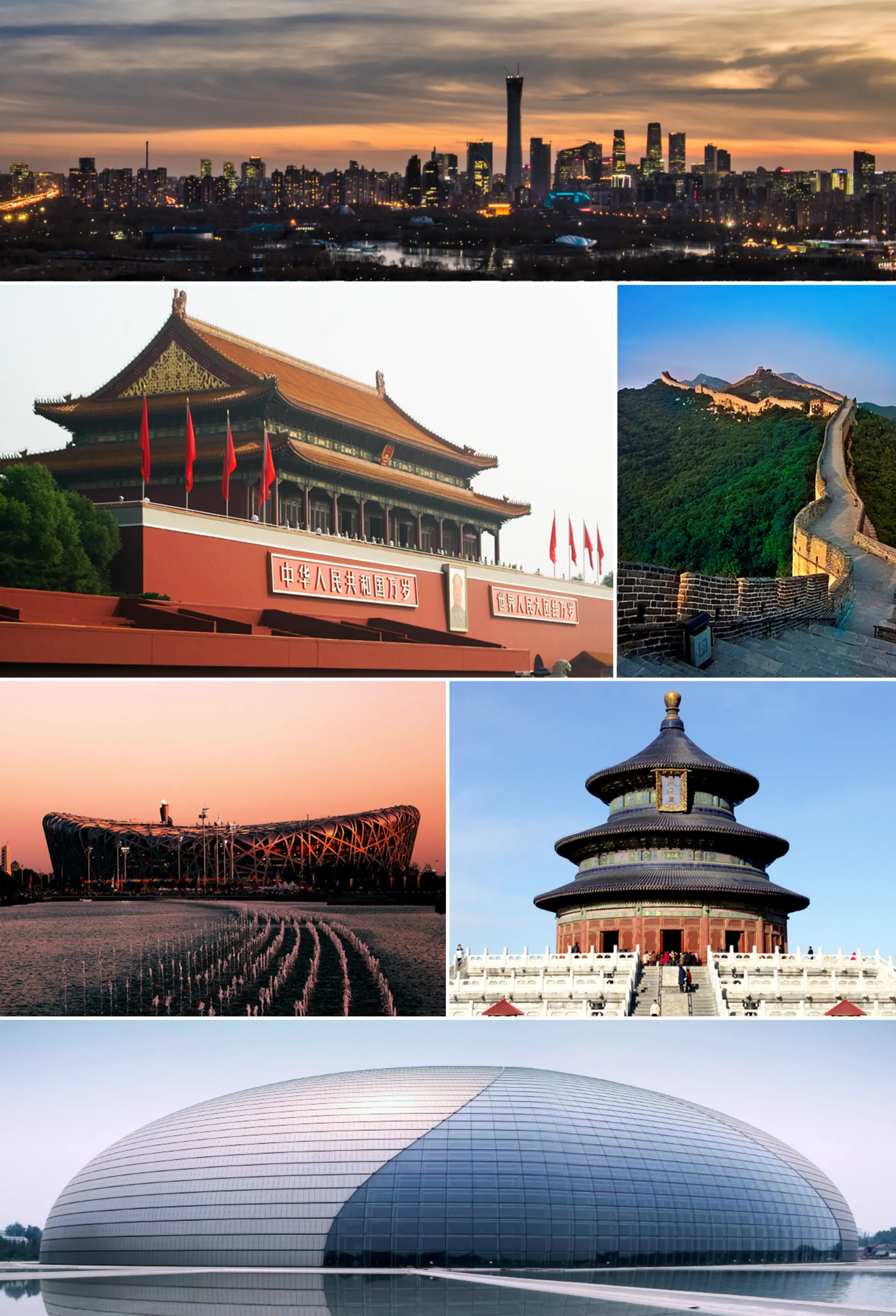
Beijing timeline
-
Yuan capital declared
Kublai Khan's Dadu made the northern capital a seat of empire before later dynasties rebuilt it.
-
Forbidden City work begins
Ming construction set the palace scale, gates, and ritual geometry that still organize central Beijing.
-
Imperial capital completed
The Forbidden City and ceremonial axis fixed the capital layout visitors still follow.
-
Imperial rule ends
The fall of the Qing dynasty turned palace spaces and ceremonial avenues into contested civic landmarks.
-
Republic proclaimed
Tiananmen Square became central to the modern political story of Beijing.
-
Olympic city
The Summer Olympics added new landmarks and transport connections to the historic capital.
Cited city facts
Key facts for visiting Beijing
980 surviving buildings inside the Forbidden City
Chinese tradition claims 9,999½ rooms — one short of heaven's mythical 10,000 — but UNESCO records 980 buildings of preserved timber architecture, raised between 1406 and 1420 under the Yongle Emperor
21,196 km of total length for the Great Wall system
Counting every branch and spur built across successive dynasties, a landmark 2012 survey by China's State Administration of Cultural Heritage put the wall's full extent at 21,196.18 kilometres — far beyond the familiar figures
PM2.5 cut by more than a third between 2013 and 2017
A UN Environment Programme review credited coal-heating bans, factory relocations, and tighter vehicle rules with lowering Beijing's annual average PM2.5 from 89.5 to 58 micrograms per cubic metre in just four years
Over 200 museums across the municipality
Beijing has more museums than any other city in China, ranging from the vast National Museum on Tiananmen Square to tiny hutong galleries dedicated to single crafts
Source: tour-guide.com — Free to cite with attribution
Things to see
What are the top attractions in Beijing?
- Forbidden City at opening — Enter through the Meridian Gate before tour groups flood the courtyards
- Great Wall sunrise hike — Arrive early at Mutianyu for misty mountain panoramas without crowds
- Temple of Heaven mornings — Watch locals practice tai chi, calligraphy, and traditional music
- Hutong exploration — Wander narrow lanes to find courtyard homes and street-side dumpling stalls
- Peking duck dinner — Savor Beijing's signature dish carved tableside at a traditional restaurant
- Peking Opera performance — Experience the vivid costumes and acrobatic storytelling of classical Chinese theater
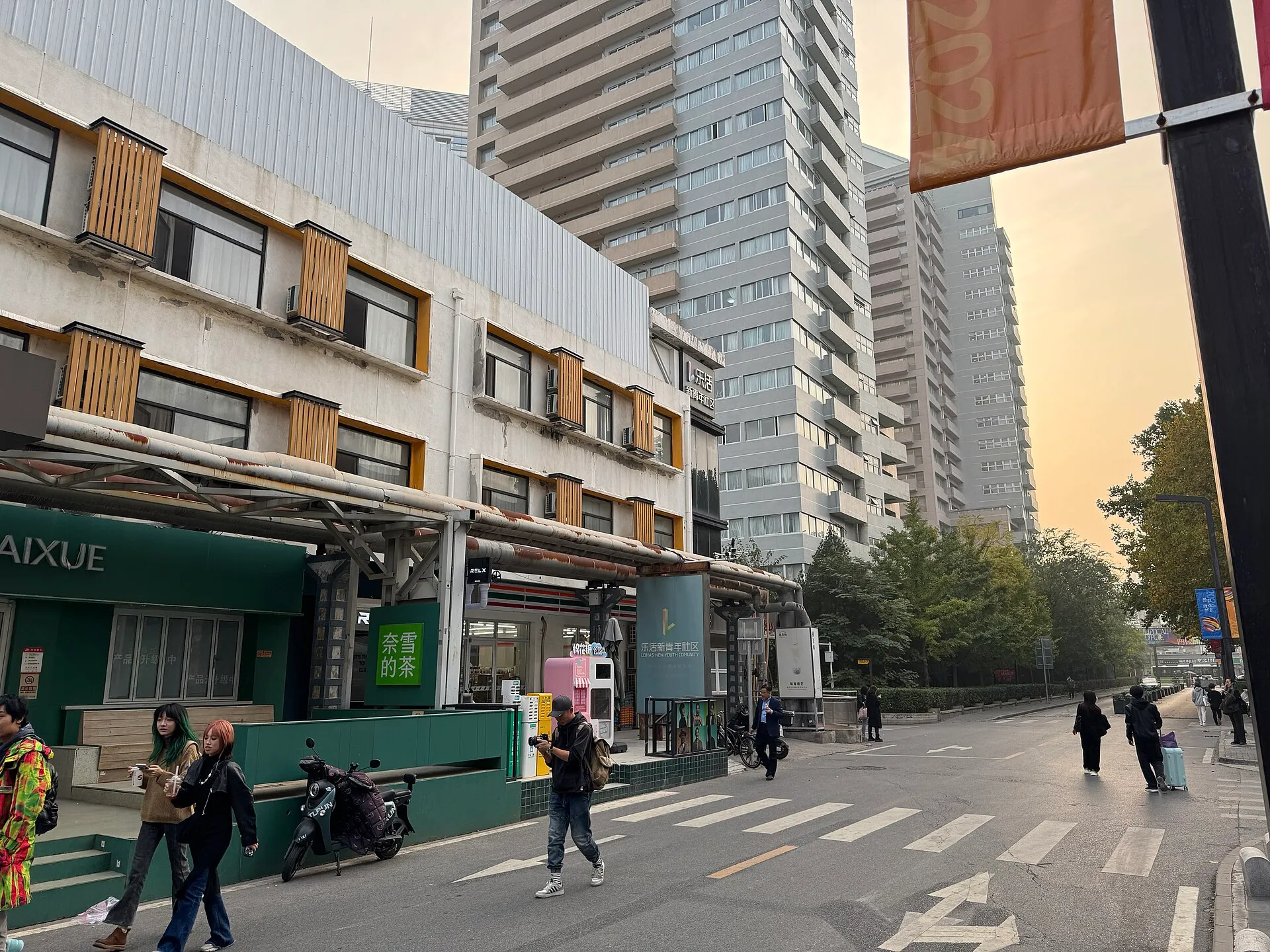
798 Art District
Where Cold War factories became China's most daring contemporary art playground
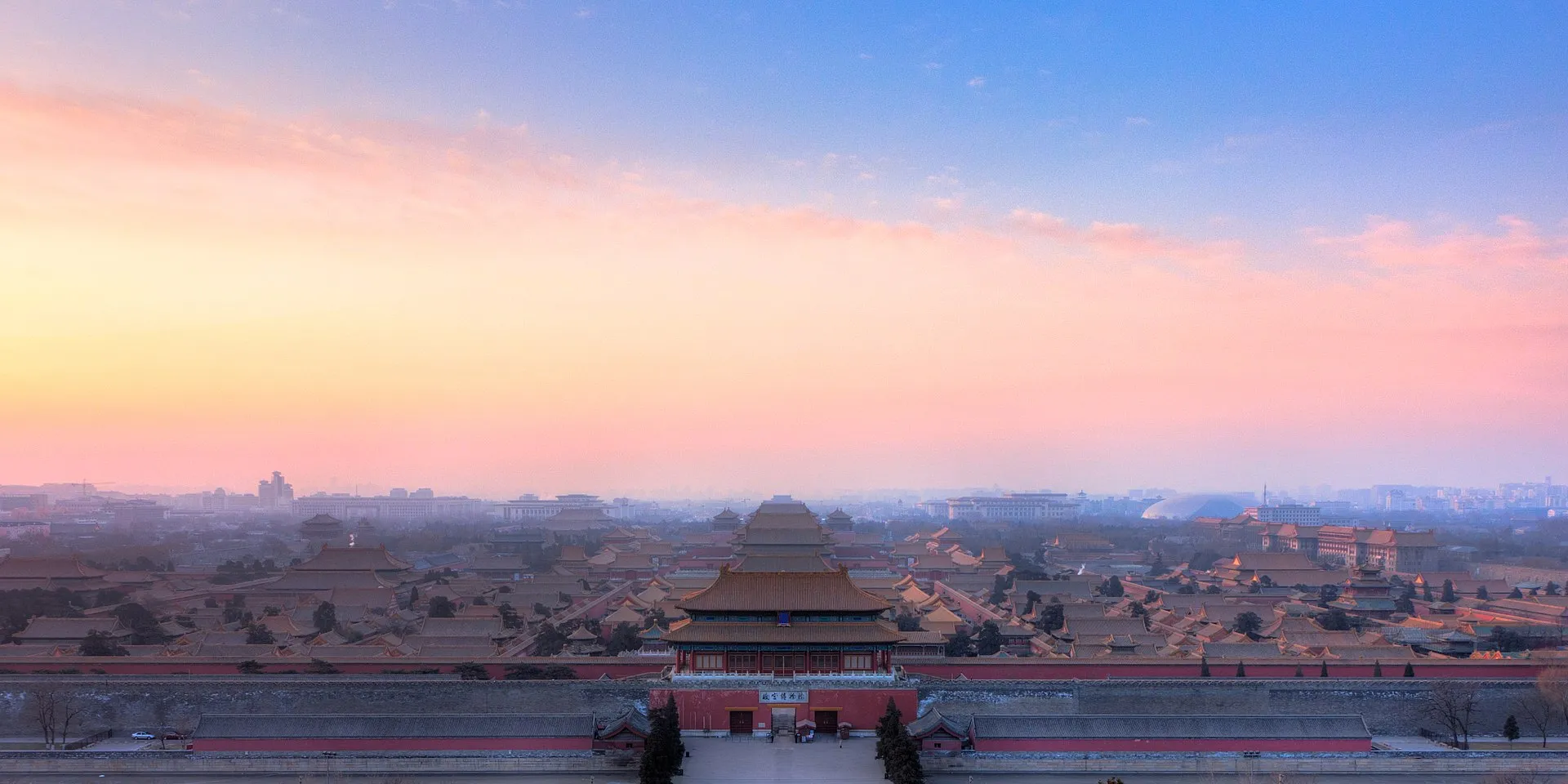
Forbidden City
The world's largest palatial complex and seat of imperial power
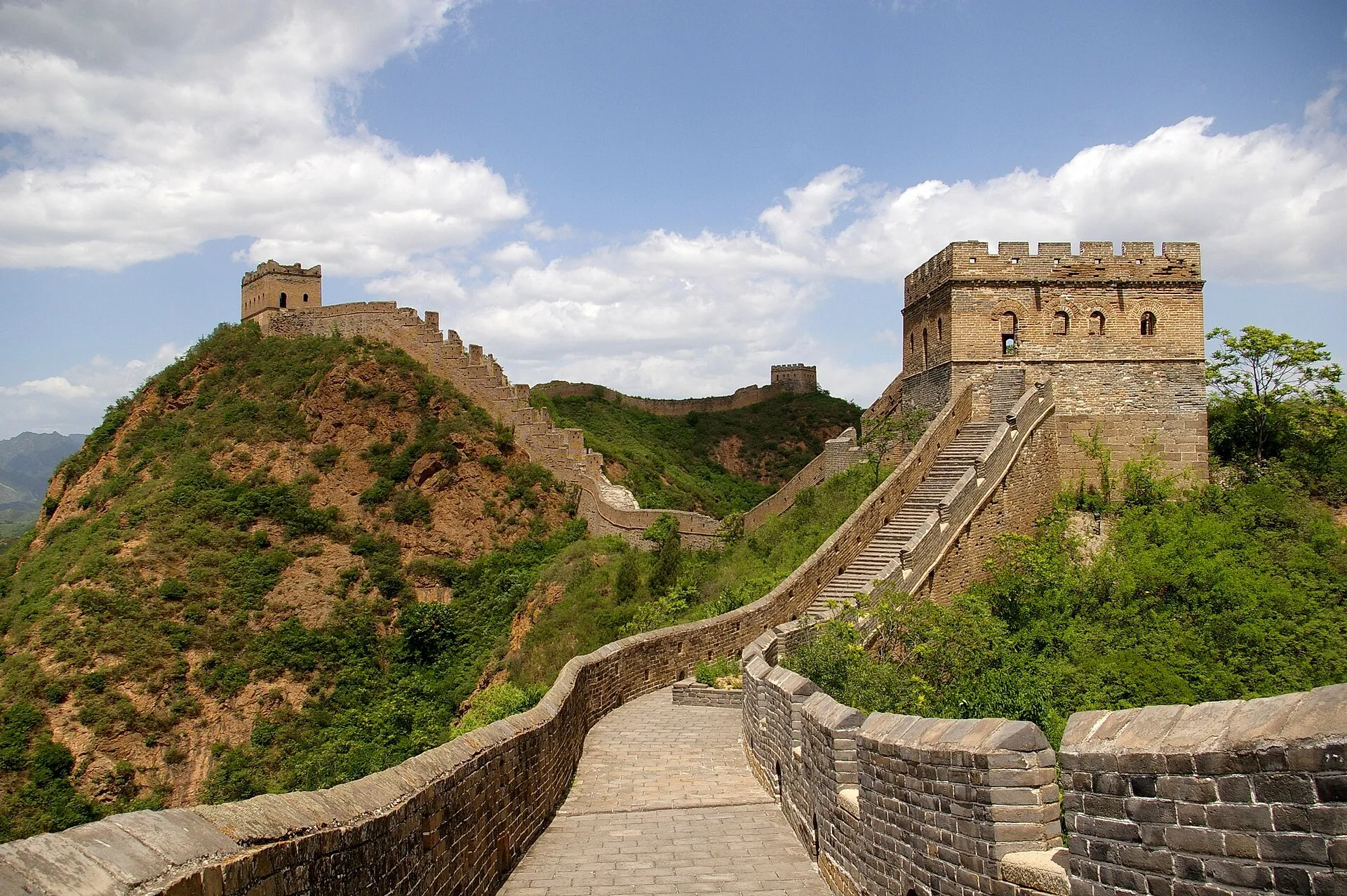
Great Wall at Mutianyu
A beautifully restored fortress winding through forested mountains
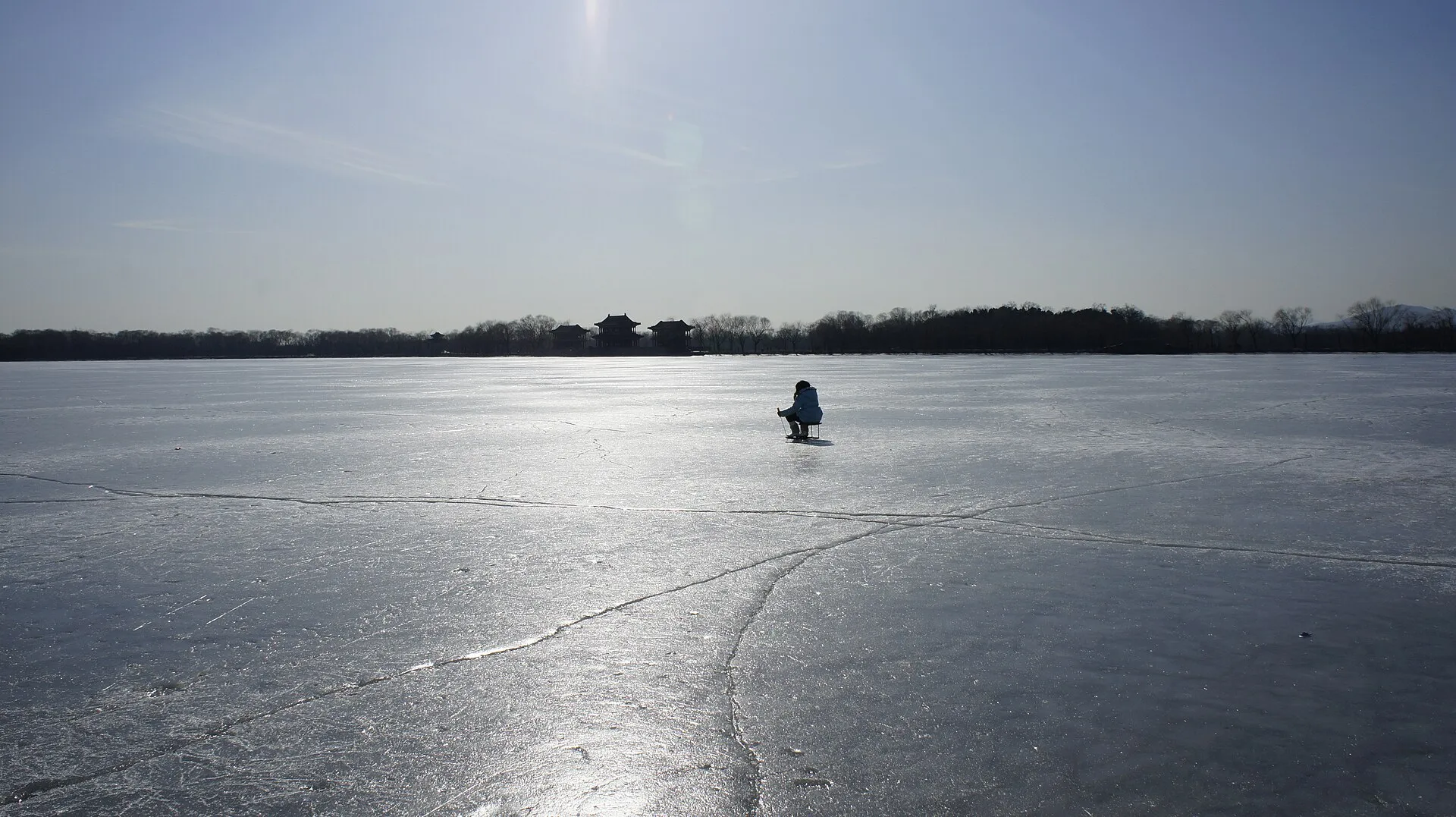
Summer Palace
An imperial lakeside retreat where emperors escaped the stifling heat of the capital
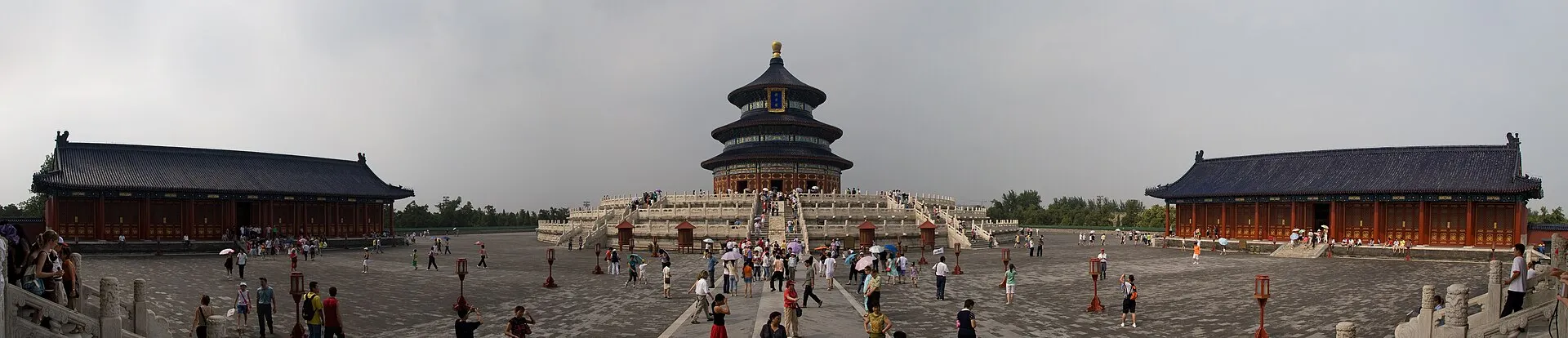
Temple of Heaven
Sacred ceremonial grounds where emperors communed with the heavens
Guide planning
How much does a tour guide cost in Beijing?
| Tour Type | Price | Details |
|---|---|---|
| Group Walking Tours | ¥200-400 | $28-55 per person |
| Hutong & Food Tours | ¥400-700 | $55-95 with tastings |
| Half-Day Private | ¥800-1,200 | $110-165 |
| Full-Day Private | ¥1,500-2,500 | $205-345 |
Season planner
When is the best time to visit Beijing?
- Air quality varies — Check the AQI forecast and pack a mask for hazy days, especially in winter
- Best months — September-October (crisp autumn skies) or April-May (warm spring without summer humidity)
Spring
Mar-May
Summer
Jun-Aug
Autumn
Sep-Nov
Winter
Dec-Feb
Each score averages that season’s monthly ratings out of 5. The top-rated window is usually the peak season too, so read the guidance above for its trade-offs before you book.
On the ground
How do you get around Beijing?
- Passport required — Carry your passport everywhere — needed for ticket purchases and security checks at attractions
- Download WeChat — Essential for payments, translations, and communicating with locals
- Book tickets online — Major sites like the Forbidden City require advance booking and often sell out
Frequently Asked Questions
What is the best time to visit Beijing?
Air quality varies: Check the AQI forecast and pack a mask for hazy days, especially in winter. Best months: September-October (crisp autumn skies) or April-May (warm spring without summer humidity).
How much does a tour guide cost in Beijing?
Group Walking Tours: ¥200-400 ($28-55 per person). Hutong & Food Tours: ¥400-700 ($55-95 with tastings). Half-Day Private: ¥800-1,200 ($110-165). Full-Day Private: ¥1,500-2,500 ($205-345)
How do you get around Beijing?
Beijing's metro is extensive with over 25 lines and is the easiest way to reach major sights like the Forbidden City and Temple of Heaven. Taxis are affordable and best hailed through the Didi app, which handles the language barrier. City buses cover routes the metro misses, and bike-sharing programs offer a convenient way to explore hutong neighborhoods.
How many days should you spend in Beijing?
Three full days is the practical minimum. Devote the first to the Forbidden City and the Temple of Heaven, both on the historic north-south axis. Reserve a second day for a Great Wall excursion to Mutianyu, allowing 90 minutes of travel each way. Spend the third at the lakeside Summer Palace followed by an afternoon wandering the hutongs. Add a fourth or fifth day to slow down for the 798 Art District, a Peking duck dinner, and an evening of Peking opera.