
Forbidden City timeline
-
Construction ordered
Emperor Yongle mobilized laborers and artisans for the palace project that reshaped Beijing around a central axis.
-
Imperial seat completed
The Forbidden City became the seat of Ming power, with 980 buildings spread across 72 hectares.
-
Dynastic transfer
Ming rule ended and the Qing dynasty occupied the palace for nearly three more centuries.
-
Palace Museum opens
The former imperial compound opened to the public as a national cultural institution.
-
UNESCO listing
World Heritage recognition confirmed its importance as a preserved masterpiece of Chinese palace architecture.
Architecture
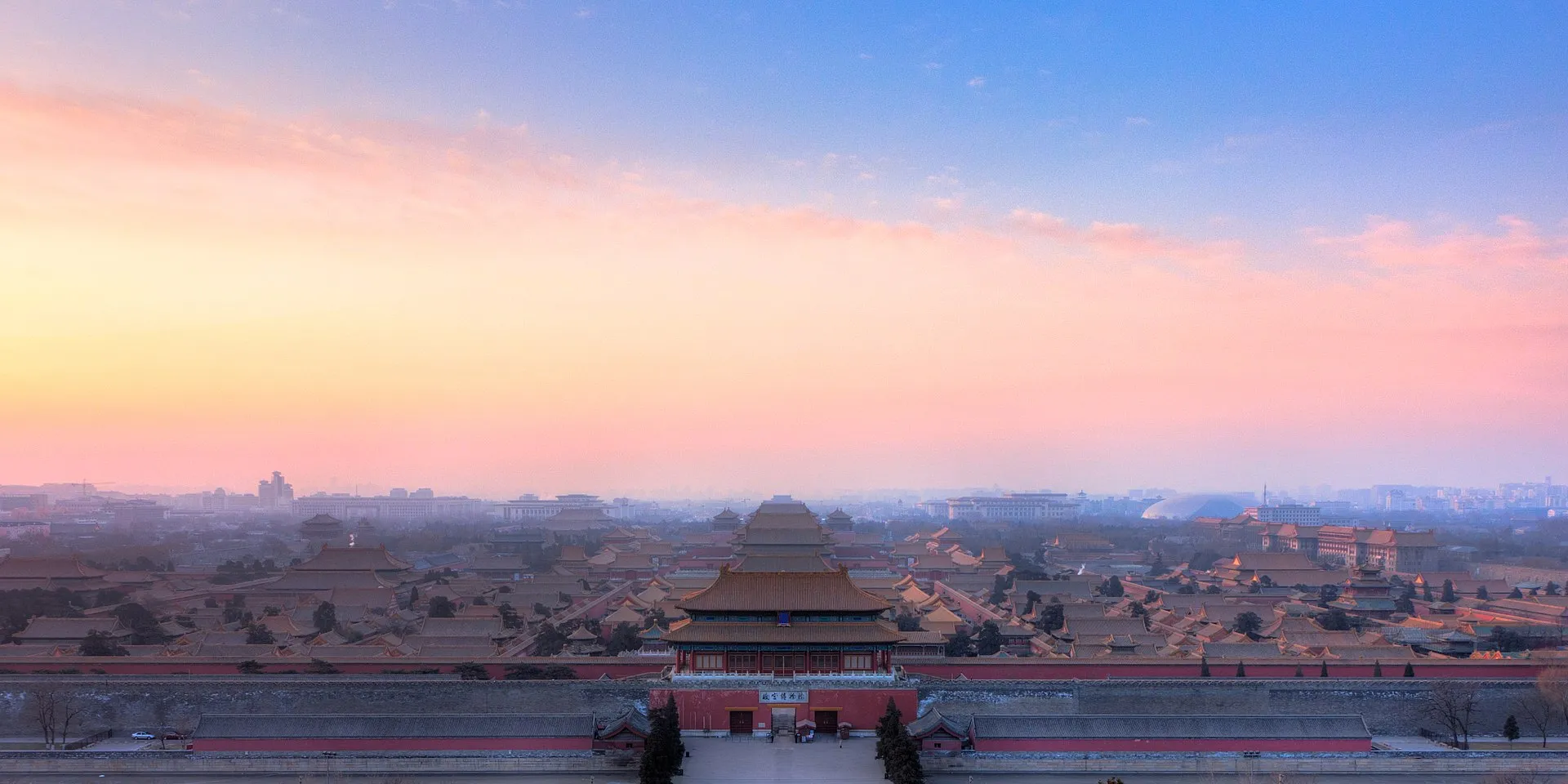
Hall of Supreme Harmony: The largest wooden structure in the Forbidden City, used for coronations and grand ceremonies. Nine-Dragon Screen: A stunning glazed-tile wall featuring nine writhing dragons, each unique in pose and color. Imperial Garden: A compact paradise of ancient cypresses, bronze sculptures, and ornate pavilions behind the inner palace. Clock Exhibition: An astonishing collection of 18th-century mechanical timepieces gifted by European diplomats. Treasure Gallery: Gold vessels, jade carvings, and imperial robes that showcase the breathtaking wealth of the Qing court. Meridian Gate views: Climb the gate towers for an aerial perspective over the entire central axis
When to Visit
Open: Tuesday - Sunday, 8:30 AM - 5:00 PM (last entry 4:00 PM). Closed: Every Monday (except national holidays). Peak season (Apr-Oct): Closes at 5:00 PM, tickets ¥60. Off season (Nov-Mar): Closes at 4:30 PM, tickets ¥40. Best: Arrive at 8:30 AM opening for the quietest courtyards and best light.
Admission and Costs
General admission: ¥60 peak / ¥40 off-season. Clock Exhibition Hall: ¥10 additional. Treasure Gallery: ¥10 additional. Audio guide rental: ¥20 (available in English). Daily visitor cap: 80,000 — book online in advance.
The Case for a Guide
The Forbidden City's 980 buildings and 72 hectares are overwhelming without structure — a guide transforms the north-south axis walk from a procession of red walls into a coherent narrative about how Chinese emperors used architecture to project absolute authority.
- 9,999-room feng shui design: Guides explain why the palace was deliberately built with one room fewer than the 10,000 rooms believed to exist in the Heavenly Palace — and how every building's orientation, color, and roof decoration encodes Confucian cosmic hierarchy.
- Imperial ritual routes: The ceremonial path from the Meridian Gate through the Gate of Supreme Harmony to the throne was engineered to progressively humble visitors — guides walk you through each gate's psychological function as you move deeper into the complex.
- Forbidden concubine quarters: The Inner Court's eastern and western side palaces, where emperors' concubines lived in strict hierarchy governed by the empress dowager, are explained in detail — including how the entire system was controlled not by the emperor but by eunuchs.
- Hidden gardens most tourists miss: The Imperial Garden behind the inner palace receives a fraction of visitor attention despite its 500-year-old cypress trees, bronze incense burners, and ornate pavilions — guides ensure you reach it with time to linger.
- Roof dragon count hierarchy: The number of decorative creatures on each roof ridge was strictly regulated by imperial decree — the Hall of Supreme Harmony has ten, the maximum, while lesser buildings have fewer; guides decode this architectural hierarchy visible from every courtyard.
Tips for Visitors
Book online days ahead: Tickets sell out during holidays and weekends - only passport holders can purchase at the gate. Wear comfortable shoes: The complex stretches over a kilometer from south to north on stone and brick paving. One-way flow: Enter from the south (Meridian Gate) and exit from the north (Gate of Divine Might) - you cannot re-enter. Avoid Golden Week: The first week of October sees massive crowds that can make the visit unpleasant. Side halls matter: Most tourists stick to the central axis — detour east or west for quieter galleries with remarkable art.
Frequently Asked Questions
What months are ideal for touring the Forbidden City?
Late April through May and September through October deliver Beijing's finest weather — clear blue skies, mild temperatures, and the golden autumn light that makes the yellow-glazed roof tiles glow against the sky. The Golden Week holiday (early October) brings enormous crowds despite perfect weather, so late September or mid-October after the holiday is the true sweet spot. Summer swelters above 35°C with minimal shade across the 72-hectare complex, and winter's biting wind sweeps unobstructed through the vast courtyards.
When can visitors tour Forbidden City?
Open: Tuesday - Sunday, 8:30 AM - 5:00 PM (last entry 4:00 PM). Closed: Every Monday (except national holidays). Peak season (Apr-Oct): Closes at 5:00 PM, tickets ¥60. Off season (Nov-Mar): Closes at 4:30 PM, tickets ¥40.
How much is the entrance fee for Forbidden City?
General admission: ¥60 peak / ¥40 off-season. Clock Exhibition Hall: ¥10 additional. Treasure Gallery: ¥10 additional. Audio guide rental: ¥20 (available in English). Daily visitor cap: 80,000 - book online in advance
What do guided tours of Forbidden City include?
A guide transforms this overwhelming 72-hectare expanse into a coherent narrative spanning five centuries of power, art, and intrigue across 980 surviving buildings along the strict north-south imperial axis.