
Guided Tours in Beijing: Choosing the Right Experience
How to choose the right guided tour in Beijing — imperial-axis walks, Great Wall day trips, hutong food crawls and private guides — with candid notes on timing, budget and the passport-metro-and-payment logistics that shape a day in the Chinese capital.
Read the full guideUpdated · 14 min read
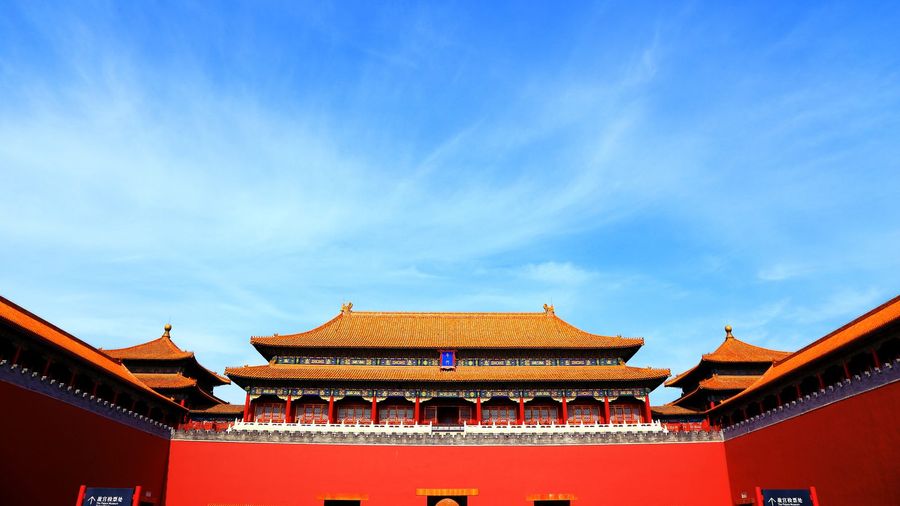
In a city as vast as Beijing the question is rarely whether to book a guided tour but which one earns its place. Spend on the Great Wall excursion to Mutianyu (a full-day private guide runs ¥1,500–2,500 / $205–345), a Forbidden City walk that enters at opening, and a hutong food crawl; the metro and your own two feet handle the rest.
Beijing does not reveal itself the way a compact European capital does. The old city is enormous, laid out on a monumental north-south axis, and its highlights sit kilometres apart — a palace the size of a small town, a wall that climbs mountains an hour and a half away, temple parks and lake gardens scattered across a metropolis of more than twenty million people. That scale, together with a genuine language barrier and a cashless payment system that catches visitors off guard, is exactly why the honest question here is seldom whether to take a guided tour but which of them actually adds something you couldn't manage alone. This guide sorts the main options by what they're genuinely good for, what they cost, when to go, and the local logistics that decide whether a day runs smoothly. Read it alongside the Beijing city guide and the wider China overview for the bigger picture.
What does a guide actually add in Beijing?
A good deal of Beijing is reachable on your own — the metro serves nearly every marquee sight and each sells its own ticket. A guide earns its fee on the layers underneath: interpreting eight centuries of imperial symbolism, solving the transport and booking puzzles that self-guided visitors stumble over, and opening doors, literally and linguistically, that stay shut to independent travellers.
You do not need anyone to help you photograph the Forbidden City from Jingshan Park or to spread out on the lawns below the Summer Palace. Where a guide changes the experience is in everything around those postcard stops:
- Meaning behind the monuments. The Forbidden City preserves 980 timber buildings raised between 1406 and 1420 under the Yongle Emperor, and its every gate, roof-ridge and colour carries coded meaning. A guide turns a long walk past vermilion walls into a legible story of dynastic power — the same is true of the ritual geometry at the Temple of Heaven.
- Logistics you'd otherwise wrestle with. Major sites require advance online booking and routinely sell out; your passport is needed to collect tickets and to clear security. A guide handles the reservations, the queues and the timing.
- Access and language. Beyond the top-tier attractions, English signage thins out fast. In a hutong courtyard, at a family duck restaurant, or on a community lane, a bilingual guide is the difference between watching and understanding.
If your trip is short and your interests are mainstream, you can see a great deal of Beijing without a single paid tour. The skill is spending your tour budget where it changes the experience rather than packaging something you could do yourself.
What are the main types of guided tour in Beijing?
Beijing's tour market sorts into a handful of distinct experiences: imperial-axis walking tours of the Forbidden City and Temple of Heaven, Great Wall day excursions, hutong and food tours, cultural add-ons like the Summer Palace and Peking opera, and private multi-day guides. Matching the format to your interests matters far more than booking the priciest option.
Beijing's tours divide into a few clear categories. Matching the format to what you actually came for — and to your appetite for walking and travel time — matters more than paying for the most expensive package.
Imperial-Axis Walking Tours
The historic core is built along a ceremonial north-south line, and a walking tour is the natural way to read it. Most start at the Forbidden City, entering through the Meridian Gate at opening before the courtyards flood, and many pair it with the Temple of Heaven the same day.
- Best for: First-time visitors; history lovers; anyone wanting their bearings on day one.
- Typical length: Half a day for the palace alone; a full day with the Temple of Heaven.
- Rough cost: ¥200–400 ($28–55) per person for a group walking tour; palace admission is separate and must be booked ahead.
Arrive at opening — the single most useful piece of timing advice in Beijing — and the vast first courtyards are almost yours before the tour groups arrive.
Great Wall Excursions
No visit is complete without the Wall, and this is where a guide's value is highest, because the alternative is arranging your own transport to a mountain ridge well outside the city. The restored Mutianyu section sits roughly 90 minutes north and is far quieter than crowded Badaling, with a cable car and toboggan that make the climb manageable.
- Best for: Everyone; the one excursion worth building a whole day around.
- Typical length: A full day, with about 90 minutes of travel each way.
- Rough cost: Usually the upper end of private-guide pricing (see below) because of the drive; cable car and entry tickets extra.
Hutong and Food Tours
The hutongs — the grey-brick alley neighbourhoods threading between the boulevards — are where Beijing's everyday life still plays out, and a tasting tour is where a guide steers you past the tourist traps. Expect stops for street-side dumplings, a carved Peking duck dinner, and small courtyard workshops, with your guide handling the mobile payments that most stalls now expect.
- Best for: Food-and-culture travellers, couples, anyone wanting the city beyond its monuments.
- Typical length: 2.5–4 hours.
- Rough cost: ¥400–700 ($55–95) per person, tastings included.
Cultural Add-Ons
For a change of pace, guided visits fold in the lakeside gardens of the Summer Palace, the converted factories and galleries of the 798 Art District, or an evening of Peking opera with its acrobatic storytelling and vivid painted faces. These suit a third or fourth day once the headline sights are done.
- Best for: Return visitors, art and performance lovers, slower-paced days.
- Typical length: Two to three hours each.
- Rough cost: Often bundled into a half-day private itinerary; opera and gallery tickets separate.
Private Guides and Multi-Day Itineraries
If you want the days built around you — or you're combining Beijing with Xi'an or Shanghai — a private guide removes the planning entirely, from booking the palace to timing the Wall around the weather.
- Best for: Families, time-pressed visitors, multi-city trips.
- Typical length: Half a day in the city; a full day for the Wall or a combined itinerary.
- Rough cost: Private half-day ¥800–1,200 ($110–165); full-day private guide ¥1,500–2,500 ($205–345) for a small group.
How do you match Beijing tours to the length of your trip?
Think in days rather than booking tours one at a time. With three days, give the first to the Forbidden City and Temple of Heaven, the second to a Great Wall excursion at Mutianyu, and the third to the Summer Palace paired with a hutong food walk. A fourth day makes room for the 798 Art District or an evening of Peking opera.
Rather than booking tours piecemeal, it helps to think in days:
- Day one: A morning at the Forbidden City, entering at opening, then the Temple of Heaven in the afternoon to trace the imperial axis.
- Day two: A full-day Great Wall excursion to Mutianyu, allowing 90 minutes of travel each way and time to walk the restored ramparts.
- Day three: The lakeside Summer Palace in the morning, then an afternoon hutong food walk ending in a Peking duck dinner.
- Day four (optional): Slow the pace for the 798 Art District, a Peking opera performance, or a second, wilder stretch of Wall.
Resist over-booking. Beijing rewards unstructured time — an hour watching locals practise tai chi in the Temple of Heaven park at dawn, a slow bowl of noodles down a quiet lane — as much as any ticketed tour.
When is the best time to take a tour in Beijing?
Beijing runs tours year-round, but the season shapes them. September and October bring the crispest skies of the year and are the prime window; April and May are warm and dry before summer's humidity. Avoid the October Golden Week and Chinese New Year, when domestic travel packs every site, and always check the air-quality forecast before a big outdoor day.
The city's continental climate makes timing matter more than in milder capitals:
- Autumn (September–October): The sweet spot — clear blue skies, comfortable temperatures, and the best light for the Wall and the palace roofs. Book guides ahead, as this is peak season.
- Spring (April–May): Warm, dry days before the summer humidity arrives; occasional dust from the north is the trade-off.
- Summer (June–August): Hot, humid, and prone to haze, with the heaviest crowds; start tours at opening and keep midday for indoor sights.
- Winter (November–March): Cold and often hazy, but the Forbidden City under a dusting of snow is unforgettable and crowds thin out considerably.
Two dates override the seasons: National Day Golden Week in early October and Chinese New Year in late January or February both trigger mass domestic travel that fills sites and books out guides months ahead. For a fuller month-by-month picture, the Beijing city guide covers seasonal conditions, and if you're pairing the capital with a temple-heavy leg elsewhere in Asia, the Bangkok temple tours guide makes a useful companion.
How much should you budget for tours in Beijing?
Beijing offers strong value against Western capitals, but tours still add up. Group walking tours run ¥200–400 ($28–55) per person, hutong and food tours ¥400–700 ($55–95), a half-day private guide ¥800–1,200 ($110–165), and a full-day private guide ¥1,500–2,500 ($205–345). Attraction tickets, cable cars and meals sit on top, so budget for extras.
Thinking in ranges helps you plan before you book:
| Tour type | Approximate cost |
|---|---|
| Group walking tour | ¥200–400 ($28–55) per person |
| Hutong & food tour (with tastings) | ¥400–700 ($55–95) per person |
| Half-day private guide | ¥800–1,200 ($110–165) for a small group |
| Full-day private guide (incl. Great Wall) | ¥1,500–2,500 ($205–345) for a small group |
A few cost notes worth knowing before you book:
- Admission is usually separate. The Forbidden City, the Temple of Heaven and the Summer Palace each charge modest entry fees that a tour price rarely includes — and Mutianyu's cable car is extra again.
- Private-guide fees are per group, not per head. Splitting a full-day guide across four people brings the per-person cost down sharply, which is what makes a private Great Wall day competitive.
- Book the marquee sites online in advance. Same-day tickets to the Forbidden City routinely sell out; advance booking is effectively mandatory, and you'll need your passport number to do it.
- Tipping isn't customary in mainland China, though private guides appreciate a gratuity for a long or personalised day.
Treat every figure here as a planning guide rather than a quote — guide, ticket and transport prices shift each season, so confirm current rates when you book.
What local logistics make a Beijing day run smoothly?
Most of the gap between a smooth Beijing day and a frustrating one is practical. Carry your passport everywhere, set up mobile payments before you need them, lean on the metro for the marquee sights, and start early. Get those four things right and the city opens up.
Most of the difference between an easy day and a stressful one comes down to a few details:
- Carry your passport at all times. It's required to buy tickets, collect pre-booked entries, and clear security at major attractions — a photocopy won't do.
- Sort out payments first. Cash and foreign cards are widely refused; set up WeChat Pay or Alipay with an international card, or ask your guide to help on day one, so a dumpling stall or metro top-up isn't a dead end.
- Ride the metro for the headline sights. With more than 25 lines, it reaches the Forbidden City, the Temple of Heaven and the Summer Palace cheaply and reliably; for door-to-door trips, hail a taxi through the Didi app, which handles the language barrier.
- Start at opening. The Forbidden City and the Wall are transformed by an early start — cooler, clearer, and blissfully ahead of the tour-bus wave.
- Install a VPN before you arrive. Google, WhatsApp and most Western apps are blocked on the mainland; download a VPN and offline maps before you land, not after.
How do you find a good guide in Beijing?
China licenses its tour guides, who carry an official ID card and have passed language and cultural-knowledge exams, so credentials are a genuine signal of quality. International hotels keep vetted lists of English-speaking guides, and reputable agencies handle multi-day logistics. Smaller groups leave room for the questions that turn a checklist of sights into a coherent story.
China requires professional certification for tour guides, who carry an official licence card — so ask, and treat it as a real mark of training. International hotels in Beijing maintain curated lists of English-speaking guides they trust, which is often the most reliable route for a last-minute booking, and established agencies employ experienced guides who manage translation, ticketing and transport across a multi-city itinerary. For city walks, small groups leave room for real conversation, and the best guides read the room — adjusting the pace, dropping the script when a question is more interesting, and turning a walk past vermilion walls into a coherent story of emperors, ritual, and the city that grew up around them.
Related Guides
- Beijing city guide — neighbourhoods, attractions, and practical tips for the wider stay
- China country guide — how Beijing fits into a longer trip across the country
- Xi'an Terracotta Army Tours — pairing the capital with China's ancient Silk Road anchor
- Bangkok Temple Tours — how another great Asian capital handles its temple circuit
Final thoughts: In a city this large and this layered, the smartest approach is to spend on the tours that genuinely need a guide — the Great Wall excursion, a Forbidden City walk timed to opening, a hutong food crawl — and lean on the metro and your own feet for everything else. Decide what you actually came for, carry your passport, sort your payments early, and let eight centuries of imperial history do the rest.
Frequently Asked Questions
Do you need a guided tour to visit Beijing?
Not for the basics — the metro reaches the Forbidden City, the Temple of Heaven and the Summer Palace, and each sells its own tickets, so an independent visit is entirely doable. A guide earns its fee where language, logistics or access change the day: decoding the symbolism inside the palace, arranging transport to a Great Wall section 90 minutes out of town, threading the hutongs to the right dumpling stall, and cutting through the passport-and-app hurdles that trip up first-timers.
How much does a tour guide cost in Beijing?
A group walking tour runs roughly ¥200–400 ($28–55 per person) and a hutong or food tour with tastings ¥400–700 ($55–95). A half-day private guide is about ¥800–1,200 ($110–165) and a full-day private guide ¥1,500–2,500 ($205–345). A Great Wall excursion to Mutianyu usually sits at the upper end because of the drive, and attraction tickets, cable cars and meals are typically extra.
When is the best time to take a tour in Beijing?
September and October bring the year's crispest skies and are the prime window; April and May are warm and dry before the summer humidity. Both flank the two dates to avoid — the October Golden Week holiday and Chinese New Year in late January or February, when domestic travel packs every site. Whatever the month, check the AQI forecast and start early to beat both the heat and the tour-group crush.
How many days do you need to see Beijing with a guide?
Three full days is the practical minimum. One covers the imperial axis — the Forbidden City and the Temple of Heaven — a second is a Great Wall excursion allowing 90 minutes of travel each way, and a third mixes the Summer Palace with a hutong walk and a Peking duck dinner. A fourth day lets a private guide slow the pace for the 798 Art District or an evening of Peking opera.
What is the best Beijing tour for a first-time visitor?
Start with a walking tour of the Forbidden City that enters through the Meridian Gate at opening, before the courtyards fill. Pair it with the Temple of Heaven the same day for the historic north-south axis, then give a full day to a guided Great Wall trip at Mutianyu. Add a hutong food tour to cover the city's everyday, street-level side.