
Walking Route
Engineering Facts
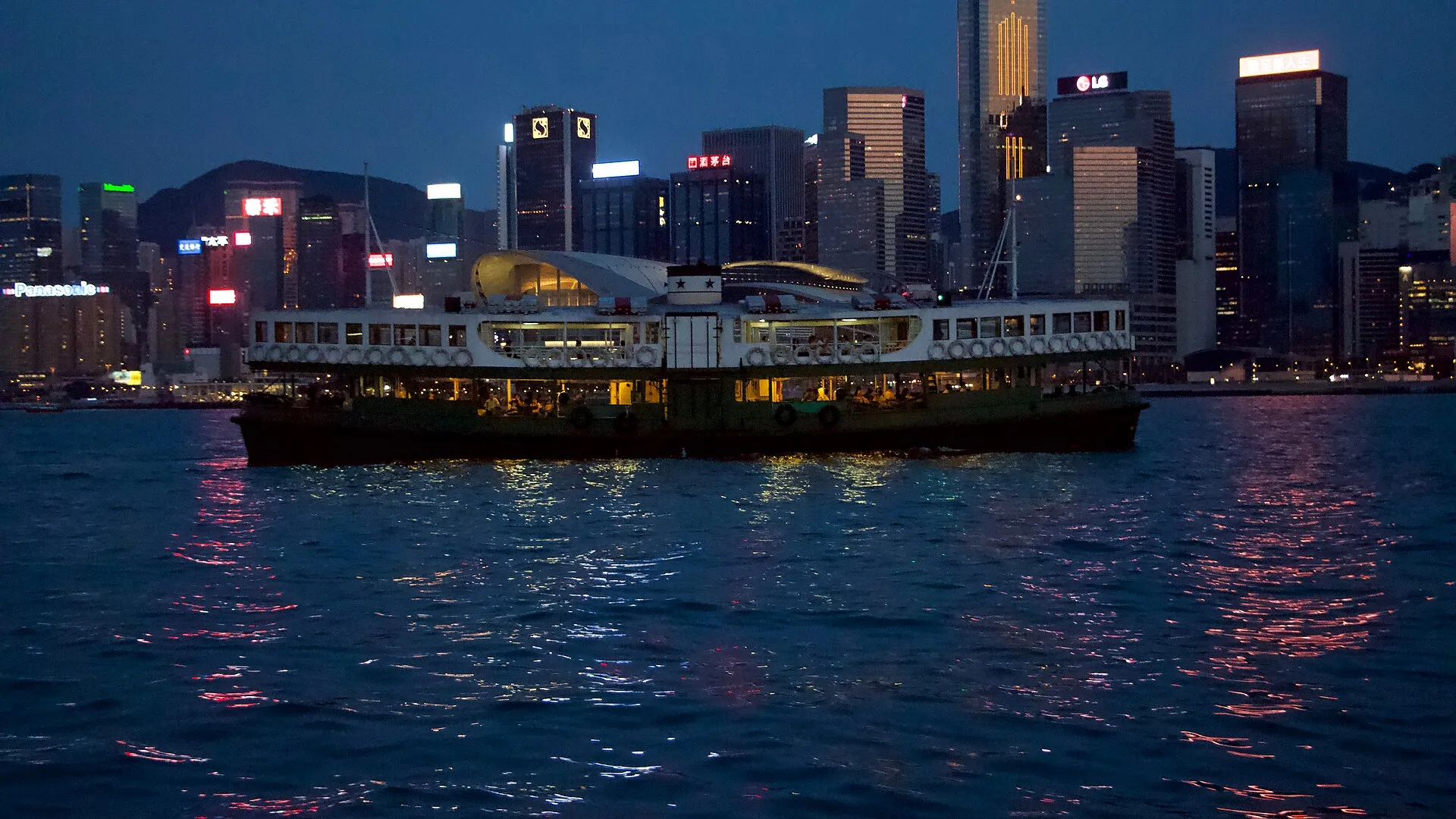
The Star Ferry's charm is inseparable from its old-school marine engineering. Each vessel is double-ended — it can be driven from a wheelhouse at either bow, so it never has to turn around in the congested harbour and simply reverses its direction of travel at each pier. The boats run on diesel engines that rumble beneath wooden-slatted bench seats, and deckhands still fling and catch the mooring ropes by hand, then crank the gangways down manually as each ferry noses into its berth.
- Double-decker layout: The upper deck's open sides let harbour wind rush through and camera lenses hang over the water without glass in the way; the enclosed lower deck sits closer to the waterline
- Heritage fleet: Several ferries in service date back decades, with polished brass fittings and bench backrests that swing over so passengers always face forward
- Tsim Sha Tsui Clock Tower: A 44-metre red-brick tower from the original Kowloon-Canton Railway terminus, standing sentinel beside the ferry pier since 1915 and now a declared monument
- Symphony of Lights: More than 40 skyscrapers fire synchronised lasers and spotlights across the harbour in a Guinness-certified show; the Hong Kong Tourism Board lists it among the city's signature free spectacles
Observation Points
Half the reason to ride is the photography, and the Star Ferry offers vantage points no rooftop bar can match — you are at water level, moving through the working harbour.
- Mid-harbour, upper deck: The single best frame, with the full sweep of the Island skyline unobstructed and cargo ships crossing your foreground
- Kowloon-facing rail heading to Central: Watch the towers of Tsim Sha Tsui and the Clock Tower recede as the boat pulls away from the pier
- Golden hour from the water: Photographers prize the moment the sun drops behind Kowloon and the Island's glass towers turn amber — a light visible only from mid-channel
- The promenade at 8:00 PM: Step off at Tsim Sha Tsui and shoot the Symphony of Lights reflected in the harbour from the railing outside the Hong Kong Cultural Centre
Star Ferry timeline
-
Ferry service founded
Parsee merchant Dorabjee Naorojee Mithaiwala began running boats named Morning Star and Evening Star between Hong Kong Island and Kowloon — the origin of today's Star Ferry and the reason every vessel still carries "Star" in its name.
-
The Star Ferry Company incorporated
The service was acquired by the Hongkong and Kowloon Wharf group and formally reorganised as the Star Ferry Company, standardising the green-and-white livery that survives to this day.
-
Typhoon devastates the fleet
A catastrophic September typhoon wrecked much of the harbour's shipping, including Star Ferry boats, and forced Hong Kong to rebuild sturdier piers along the Victoria Harbour waterfront.
-
The Star Ferry riots
A proposed five-cent rise in the first-class fare triggered days of unrest across Kowloon, one of the defining moments of post-war Hong Kong's social history.
-
Cross-Harbour Tunnel opens
The first road tunnel beneath Victoria Harbour ended the ferry's role as the only way across, turning a vital commuter link into the beloved sightseeing ritual it is today.
-
Central pier relocated
The Edinburgh Place terminal closed and Central services moved to a new pier fronting the IFC towers, a switch that sparked heritage protests over the loss of the 1957 waterfront landmark.
When to Visit
Tsim Sha Tsui to Central route: 6:30 AM to 11:30 PM daily, with ferries departing every 6-12 minutes. Tsim Sha Tsui to Wan Chai route: 7:20 AM to 11:00 PM daily, departures every 8-20 minutes. The crossing itself takes about eight minutes, and there is no ticket to pre-book — you tap through the turnstile and board the next sailing.
- Symphony of Lights: Nightly at 8:00 PM, lasting roughly 10 minutes, best seen from the Tsim Sha Tsui promenade
- The perfect run: Board from Kowloon around 7:30 PM to watch the Island skyline ignite as dusk settles, then walk back along the promenade for the laser show
- Avoid: Storm-signal days in the June-September typhoon season, when sailings can be suspended at short notice
Admission and Costs
Upper deck fare: HK$3.70 (about US$0.47) on both weekdays and weekends (adult). Lower deck fare: HK$2.70 (US$0.35) weekdays, HK$3.20 (US$0.41) weekends and holidays (adult). Children aged 3-12 and seniors ride for roughly half the adult fare on both decks.
- Payment: Tap an Octopus card at the turnstile, or drop exact change into the coin slot — the machines give no change
- Value: The fare is among the cheapest scenic transport fares on the planet; it costs less than a convenience-store bottle of water for one of the world's great skyline views
The Case for a Guide
The ferry ticket is trivially cheap, but a good Hong Kong guide turns the eight minutes into a window onto the whole city — the crossing is the frame around which many walking tours of Central and Tsim Sha Tsui are built.
- Reading the skyline: A guide names the towers sliding past — the Bank of China, Two IFC, the Convention Centre — and explains how reclamation has narrowed the harbour by hundreds of metres over a century, moving the piers themselves ever further out
- The 1888 story: The full history of Dorabjee Mithaiwala's boats, the 1966 fare riots, and the 2006 relocation of the Central pier is far richer than any plaque conveys, and it anchors the ferry firmly in Hong Kong's colonial and post-handover narrative
- Timing the light: A guide knows exactly which sailing catches golden hour and where to stand on deck for the Symphony of Lights, saving you from a hazy midday crossing
- Stitching the day together: The best tours pair the ferry with the Peak Tram, the markets of Kowloon, and a tram ride to Man Mo Temple, using the harbour crossing as the hinge between Island and peninsula
Tips for Visitors
- Sit upper deck, Kowloon-facing side: Departing Central, the right side of the upper deck gives the best views of the skyline receding behind you
- Use an Octopus card: The turnstile coin slots do not give change, and fumbling for exact coins while commuters push past is no one's idea of fun
- Ride twice: The day crossing and the night crossing are completely different experiences; budget time for both, since the fare barely registers
- Walk the promenade first: Strolling from the Clock Tower to the Avenue of Stars takes about 15 minutes and sets the scene before you board
- Combine with the harbour walk: The Central pier connects directly to the IFC Mall and elevated walkways leading into the heart of the Central district
Frequently Asked Questions
What time of year is best for riding the Star Ferry?
October through December delivers crisp visibility across Victoria Harbour and the most spectacular skyline views, with the nightly Symphony of Lights show reflecting off calm harbour waters. The summer typhoon season (June-September) occasionally disrupts ferry service during storm warnings, and high humidity creates a persistent haze that softens the famous skyline contrast. January rides offer pleasantly cool breezes on the upper deck, a sharp contrast to the stifling summer crossings.
When is Star Ferry open to visitors?
Tsim Sha Tsui to Central route: 6:30 AM to 11:30 PM daily, with ferries departing every 6-12 minutes. Tsim Sha Tsui to Wan Chai route: 7:20 AM to 11:00 PM daily, departures every 8-20 minutes.
What does a visit to Star Ferry cost?
Upper deck fare: HK$3.70 (about US$0.47) weekdays and weekends (adult). Lower deck fare: HK$2.70 (about US$0.35) weekdays, HK$3.20 (US$0.41) weekends and holidays (adult). Payment: Octopus card tap-in at the turnstile, or exact change into the coin slot — no change given.
Which seat on the Star Ferry gives the best views of the Hong Kong skyline?
Sit upper deck, Kowloon-facing side: When departing from Central, the right side of the upper deck gives the best views of the skyline receding behind you.
How long is the Star Ferry crossing and how often do ferries run?
The Tsim Sha Tsui to Central crossing takes roughly eight minutes, with boats leaving every 6-12 minutes throughout the day. There is no need to book — simply pass through the turnstile and board the next departure; the pier rarely holds a queue longer than a single sailing.