
Planning the Perfect Trip to Hangzhou: West Lake, Tea, and Timing
How to plan a Hangzhou trip around West Lake, hillside tea farms, and lakeside temples, with practical advice on when to go, which tours pay off, what to budget, and how to get around.
Read the full guideUpdated · 10 min read
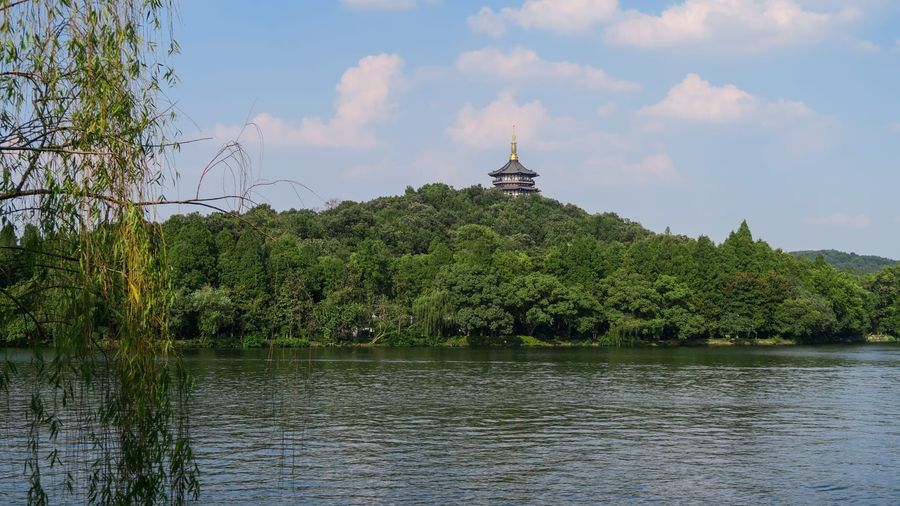
Build a Hangzhou trip around its rhythms rather than a checklist: dawn and dusk on West Lake, a morning in the temple-backed hills, and an afternoon in the tea terraces above the city. Visit in spring or autumn, budget roughly ¥400–700 a day for a mid-range stay, and set up mobile payments and a VPN before you land.
Marco Polo is said to have called Hangzhou the most splendid city in the world, and the compliment has aged well. The capital of Zhejiang Province wraps itself around West Lake, a body of water so central to Chinese landscape painting and poetry that seeing it in person feels less like sightseeing than stepping into a scroll. But the lake is also one of the most visited spots in China, which means the difference between a crowded afternoon and a transcendent morning comes down almost entirely to planning. This guide walks through the decisions that shape a Hangzhou trip: when to come, how long to stay, which tours are worth the money, and how to handle the practical friction of travelling here.
When should you visit Hangzhou?
Aim for late March to April or September to November. Spring overlaps with the Longjing tea harvest and lakeside blossom; autumn brings dry, mild days and turning foliage. Summer is hot, wet, and humid, and winter is cold and often grey. Whenever you come, dodge the first week of October, when domestic Golden Week travel packs the shoreline.
Hangzhou has a clear peak, and it is tied to tea. Late March through April is the Longjing harvest, when the hillsides west of the lake fill with pickers and the freshest green tea of the year appears in the markets. Spring also dresses West Lake in its postcard form — willows greening along the causeways, peach and cherry blossom on the islands, and the soft mist that gives the lake its painterly reputation. Prices for guides and tea climb accordingly, but the experience is the one the city is famous for.
Autumn (September–November) is the calmer alternative and, for many travellers, the better one. The humidity breaks, skies clear, and the osmanthus — Hangzhou's city flower — perfumes whole neighbourhoods in late September and October. It is the most comfortable window for the long lakeside walks and hill climbs that define a visit.
Summer (June–August) is hot, sticky, and prone to heavy rain, and it coincides with Chinese school holidays, so the popular sights are at their busiest. Winter (December–February) is cold and frequently overcast, though a light snowfall over West Lake is one of the classic sights in Chinese art and worth the gamble if you happen to catch it. In every season, treat the early-October Golden Week as a hard no unless you have no choice — it brings millions of domestic visitors and turns the shoreline into a slow-moving crowd.
How many days do you need?
Two full days is the comfortable minimum: one built around West Lake at its quietest hours, and one splitting the temple-backed hills and the tea terraces. A third day rewards you with a slower pace — a full lake circuit by bike, a longer tea-farm visit, or a canal-town side trip — without ever feeling padded.
A workable two-day skeleton looks like this:
- Day 1 — West Lake. Start at dawn on the Bai Causeway before the crowds, when the Broken Bridge dissolves into morning mist. Spend the day working around the shoreline — the islands, the Su Causeway, the small gardens — and end with the Leifeng Pagoda catching the last light across the water.
- Day 2 — Hills and tea. Head to Lingyin Temple and the Feilai Feng grottoes early, then move on to the Longjing tea plantations for an afternoon among the terraces and a tasting at a family farm.
A third day is where Hangzhou stops being a stopover and starts being a stay. Use it for a full 15-kilometre bike loop of the lake, a deeper wander through the Longjing hills, or a half-day trip to the canal town of Wuzhen or the Grand Canal's Gongchen Bridge district. If Hangzhou is one leg of a longer route, it pairs naturally with Shanghai, less than an hour away by high-speed rail.
Which tours are worth booking?
Skip a guide for West Lake — it is easy, signposted, and best explored at your own pace — but strongly consider one for the tea farms and temples, where the language barrier bites and the context adds the most. Group lake-walking tours run ¥200–350 ($28–50) per person, tea-culture experiences ¥400–700 ($55–100) with a tasting, and half-day private guides ¥600–1,000 ($85–140).
The single best-value guided experience in Hangzhou is a tea-culture session in the Longjing hills. On your own you can buy tea and admire the terraces, but a guide can arrange what you cannot: a visit to a working family farm, a hands-on session pan-roasting fresh leaves in a hot wok, and an honest explanation of why a pre-Qingming pick from the original village fields commands prices that climb toward ¥50,000 per kilogram. That ¥400–700 typically includes the tasting and the ceremony.
For the rest, weigh the options against how much logistics you want to handle:
| Tour type | Price | Good for |
|---|---|---|
| Group lake-walking tour | ¥200–350 ($28–50 pp) | Orientation and the lake's history on a budget |
| Tea-culture experience | ¥400–700 ($55–100 pp) | Longjing farms, roasting, and tasting |
| Half-day private guide | ¥600–1,000 ($85–140) | Temples, hills, flexible pacing |
| Full-day private guide | ¥1,200–2,000 ($170–280) | Lake, temples, and tea with transport included |
A full-day private guide earns its keep if you want to combine the lake, Lingyin Temple, and the tea hills in one seamless day, since they handle the transfers, the timed-entry tickets, and the interpretation of the grottoes' 10th-century carvings. Book tea sessions and private guides a few days ahead in spring and autumn, when the best ones fill quickly.
How much should you budget?
Hangzhou is moderately priced by Chinese city standards — pricier than inland cities, cheaper than Shanghai. A frugal traveller can manage on ¥300–450 ($42–62) a day, a mid-range trip runs ¥400–700 ($55–96), and a comfortable one with private guiding climbs past ¥1,200. Entry fees are gentle, so guiding, tea, and dining drive most of the cost.
The daily maths breaks down roughly like this:
- Accommodation — Hostel dorms from ¥70–120, clean mid-range hotels ¥300–500, lakeside four-stars ¥700 and up. Staying near the lake costs more but buys you the dawn and dusk hours that make the trip.
- Food — A bowl of noodles or a street breakfast runs ¥10–25, a sit-down dinner for two ¥120–250, and the legendary Dongpo pork at Louwailou, the lakeside restaurant open since 1848, rather more.
- Attractions — West Lake itself is free to walk, which is remarkable given its status; Lingyin Temple is around ¥75 including the Feilai Feng scenic area, and most other sights are modest.
- Transport — Metro rides are ¥2–8, bike-share a couple of yuan an hour, and the bullet train to Shanghai roughly ¥73 each way.
The biggest variable is guiding. A self-guided visitor walking the lake and buying tea at a market spends a fraction of what someone booking daily private tours does — and, in Hangzhou more than most cities, both are having a genuinely good time.
How do you get around, and what should you sort before you go?
Hangzhou's metro links the train stations and the lake's edge, bike-share and buses cover the shoreline, and ride-hailing fills the gaps. Before you arrive, set up Alipay or WeChat Pay with a linked international card, install a VPN, and check whether your nationality needs a visa or qualifies for a transit exemption.
The lake is best experienced slowly, and Hangzhou makes that easy. The metro connects both high-speed rail stations to the city centre and the lake's eastern shore, from where the shoreline is a walking and cycling world — the full loop is about 15 kilometres of mostly flat, willow-shaded path. Bike-share is ubiquitous and cheap once your payment app is set up, and for anything further out, the DiDi ride-hailing app sidesteps the language barrier that flagging a taxi can involve.
A few things are worth handling before you land:
- Mobile payments — Hangzhou, the home city of Alipay's parent company, runs almost entirely cashless. Both Alipay and WeChat Pay now let you link an international card; set this up in advance and the city becomes nearly frictionless. Carry a little backup cash all the same.
- A VPN — Google, WhatsApp, Instagram, and most Western services are blocked on the mainland. Install and test a VPN before you arrive, because you cannot download one once you are there.
- Visas and arrival — Most nationalities need a visa, though transit exemptions exist for short stays; check the current rules for your passport. From Shanghai's airports, the bullet train reaches Hangzhou in under an hour if you would rather skip a connecting flight.
- A translation app — Download an offline Chinese pack. Around West Lake the signage is good, but in the tea hills and at local restaurants it thins out fast, and pointing your camera at a menu is often the quickest way to order.
The bottom line
Hangzhou rewards travellers who match its pace. Anchor the trip on West Lake at dawn and dusk, give the temple-backed hills and the Longjing terraces a full day of their own, come in spring or autumn, and sort your mobile payments and VPN before you fly. Do that, and the city Marco Polo praised still lives up to the billing.
The visitors who leave Hangzhou disappointed are almost always the ones who arrived on a packed day trip, saw the lake at its most crowded, and left before the light turned. The ones who stay a night, wake early, and let an afternoon dissolve among the tea rows understand why the city has drawn poets and painters for a thousand years. Plan for that quieter pace deliberately, and West Lake gives you the scroll painting you came to see.
Frequently Asked Questions
How many days do I need in Hangzhou?
Two full days covers the West Lake shoreline, Lingyin Temple, and one tea-hills half day at an unhurried pace, while a third day lets you slow right down for a longer lake circuit, a tea farm, or a canal-town side trip without rushing.
When is the best time to visit Hangzhou?
Late March through April brings the Longjing tea harvest and spring blossom, while September to November delivers mild, dry weather and autumn colour. Both shoulder seasons beat the humid summer and the grey winter, and both should avoid the early-October Golden Week crush.
Is Hangzhou a day trip from Shanghai, or worth an overnight stay?
The bullet train from Shanghai takes under an hour, so a day trip is feasible, but West Lake is at its best at dawn and dusk when the day-trippers have gone, so at least one overnight is well worth it.
Do I need a guide in Hangzhou?
You can walk West Lake unaided, but a guide earns their fee at the tea farms and temples, where the cultural context and the language barrier matter most, and where a good guide can arrange a hands-on Longjing roasting session you could not book alone.
How do I get around Hangzhou?
The metro reaches the train stations and the lake's edge, buses and bike-share cover the shoreline, and ride-hailing fills the gaps, but note the city is almost entirely cashless, so set up Alipay or WeChat Pay before you arrive.