
Planning the Perfect Trip to Zagreb: Croatia's Café-Culture Capital
A practical Zagreb trip planner — how many days the Upper and Lower Town really need, when to come for the terraces or the Advent markets, which tours earn their fee, what a visit costs in euros, and how to handle the airport, trams, and day trips.
Read the full guideUpdated · 9 min read
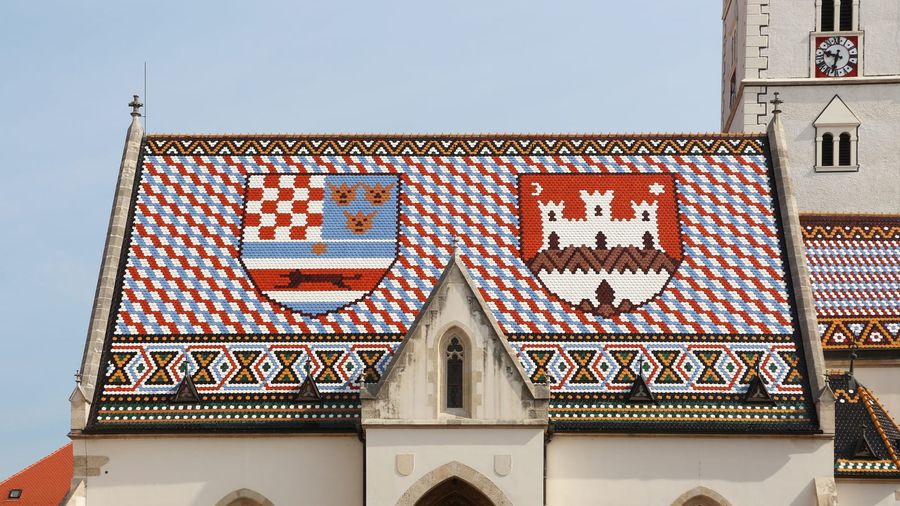
Give Zagreb two unhurried days — one for the medieval Upper Town and cathedral, one for the Lower Town museums and Dolac market — and lean on its café culture rather than racing a checklist. Visit in late spring, early autumn, or December for the Advent market, book a walking tour to make the history legible, and use the trams and buses instead of a car.
Most visitors to Croatia point straight for the Adriatic and give the capital a single hurried night on the way to Split or Dubrovnik. That is a mistake, and an easy one to correct. Zagreb runs on a wholly different rhythm from the coast — a Central European capital of nearly a million people, shaped by Austro-Hungarian ambition, with more than thirty museums packed inside the city limits and a café habit so ingrained that locals meet for coffee in the snow. It is compact, walkable, noticeably cheaper than Vienna or Budapest, and refreshingly light on the ticket-queue crush of the better-known capitals. Planning a Zagreb trip comes down to a few decisions — how long to stay, when to come, and how much to hand to a guide — and this guide walks through each.
How many days do you need in Zagreb?
Two full days is the sweet spot: one for the Upper Town and cathedral, one for the Lower Town museums and Dolac market. A single day covers the highlights in a rush, while a third day opens up day trips to the Plitvice Lakes or the Zagorje castles.
Zagreb's historic core is small, so a well-planned day covers a lot of ground.
| Time you have | What it covers |
|---|---|
| One full day | The medieval Upper Town (Gornji Grad), St Mark's Church, Zagreb Cathedral, a ride up the funicular, and the café strip on Tkalčićeva street |
| Two days | The above plus the Lower Town museums, Dolac market, and the Museum of Broken Relationships |
| Three days or more | Adds a day trip to the Plitvice Lakes, Trakošćan Castle, or the wine roads and hill castles of the Zagorje region |
Most travellers find two nights the natural fit. A single night works if Zagreb is a stopover on a wider Croatian loop, but it forces a choice between the two halves of the city — the cobbled Upper Town on its hill and the museum-lined Lower Town below — when the pleasure of Zagreb is having time for both, and for the coffee in between.
When is the best time to visit Zagreb?
April–May and September–October are Zagreb at its best, with terrace weather and manageable crowds. December is a genuine highlight thanks to the Advent market. Unlike the coast, Zagreb rewards year-round visits, because its café and museum culture works just as well when it rains.
Zagreb has a continental climate — a warm summer, a cold and often grey winter — and the season you choose shapes the trip more than the temperature alone.
Late spring (April–May) and early autumn (September–October) are the finest windows. The outdoor terraces of Tkalčićeva street are in full swing, Dolac overflows with seasonal produce, and the museum scene is lively without summer's day-trippers. These are also the months when the city's parks and the wooded slopes above the Upper Town look their best.
December is the standout. Zagreb's Advent has been repeatedly named among Europe's best Christmas markets, and from late November the central squares fill with mulled-wine stalls, an ice rink, and festive lights that draw visitors from across the region. Book accommodation well ahead for this stretch.
High summer (July–August) is warm and noticeably quieter than the packed coast, as many locals decamp to the sea; some smaller bars close, but the city never empties. And because so much of Zagreb's life happens indoors — in galleries and cafés — a rainy day here is no disaster, which is exactly what sets the capital apart from the Adriatic.
Which Zagreb tours are worth booking?
A licensed walking tour of the Upper and Lower Town is the single most useful booking, turning a handsome but scattered set of sights into one coherent story. A dedicated museum or architecture guide earns its fee for the Lower Town's dense collections. The market, terraces, and funicular you can happily manage alone.
Zagreb's centre is compact, so the honest question is never whether you can see something unaided — it is whether a guide adds enough to justify the booking.
A walking tour of the historic core is the most valuable. Free, tip-based walks depart daily from Ban Jelačić Square, the city's central plaza, and a good guide threads together the two medieval hilltop settlements — Gradec and Kaptol — that merged into modern Zagreb, explaining the 2020 earthquake damage still visible on Zagreb Cathedral and the customs behind the daily cannon fired from the Lotrščak Tower. Guides certified by the Croatian Ministry of Tourism can also smooth entry to the busier museum sessions.
A specialist museum or architecture guide is where expertise pays off, given the density of the Lower Town's collections — the eclectic Mimara Museum, the Croatian Museum of Naïve Art, and the Museum of Arts and Crafts all sit within a short walk. For the Museum of Broken Relationships, founded here in 2006 and awarded the Kenneth Hudson Prize for Europe's most daring museum in 2011, no guide is needed — the anonymous donor stories carry themselves.
For everything else — a coffee on Tkalčićeva, a wander through Dolac market, the 66-second funicular ride — you are perfectly fine exploring at your own pace.
How much does a trip to Zagreb cost?
Zagreb is gentle on the budget by capital-city standards — well below Vienna and cheaper than most Western European capitals across food, transport, and guiding. Free walking tours run on €10–12 tips, private half-day guides €90–150, and specialist museum guides €120–200. Your biggest variable is accommodation timing around the December Advent peak.
Croatia adopted the euro in January 2023 and joined the Schengen zone the same month, so payments and border crossings are straightforward, though market stalls still prefer cash.
| Experience | Typical price |
|---|---|
| Free walking tour (tip-based) | €10–12 per person |
| Private half-day guide (up to six) | €90–150 |
| Specialist art or architecture guide | €120–200 |
| Funicular ride (Uspinjača) | under €1 |
| Single tram ticket | around €0.70 |
Daily costs are similarly modest: a coffee that anchors an hour of people-watching costs a couple of euros, museum entries are low, and mid-range hotels undercut the equivalent in Vienna or Munich. As always, the sharpest swing is accommodation timing — a room in October and the same room during the Advent market are barely the same product on price. If your dates are flexible and the Christmas market is not the point of the trip, shifting a week either side of the late-November-to-January peak is the easiest saving you will make.
How do you get to Zagreb and get around?
Franjo Tuđman Airport sits about a 35-minute shuttle bus from the centre, and Zagreb is a major rail and coach hub for Central Europe. Once there, the compact core is walkable, an excellent tram network handles the rest cheaply, and no car is needed unless you are heading into the countryside.
Getting in is easy. Franjo Tuđman Airport lies southeast of the city; the airport shuttle bus runs to the main bus terminal in about 35 minutes, from where a tram reaches the centre, and taxis or Bolt ride-hailing are inexpensive by Western European standards. Zagreb is also a well-connected rail and coach hub, with direct trains and buses to Ljubljana, Vienna, Budapest, and the Croatian coast.
Once you arrive, the historic core divides naturally into two walkable halves: the Upper Town (Gornji Grad), reached by a 66-second funicular from Ilica street or on foot up the lanes, and the Lower Town (Donji Grad), centred on Ban Jelačić Square. For anything further, the ZET tram network is the city's workhorse — trams 6, 11, and 12 link the main train station, the central square, and the Dolac market area, running from around 4 a.m. to midnight.
For day trips, buses do most of the work. The Plitvice Lakes are roughly two hours away by coach, Trakošćan Castle about an hour, and the wine roads and hill castles of the Zagorje region spread across the countryside north of the city. A rental car helps for the vineyards but is unnecessary for the lakes or the town itself. A couple of logistics worth knowing: tipping runs to €10–12 for free walking tours and around 10% for private guides, and Dolac is liveliest — and best stocked — on Tuesday, Friday, and Saturday mornings, closing by early afternoon; it trades every day, with only a smaller, quieter run of stalls on Sundays.
Why does Zagreb reward the detour?
Because Zagreb offers what the coast cannot — a working cultural capital with opera, museums, and a café habit that structures daily life — and it rewards travellers who slow down rather than tick off sights. Give it two unhurried days, pick your season, book a walking tour to unlock the history, and let the coffee set the pace.
Zagreb does not announce itself the way the walled coastal towns do; its appeal is density and authenticity rather than a single postcard view. Plan two relaxed days, choose your dates around the terraces or the Advent lights, book a walking tour to make the two hilltop settlements and the earthquake-scarred cathedral legible, and leave room in the schedule to do nothing but drink coffee and watch the city go by. Travellers who treat the capital as a checklist between coast destinations leave underwhelmed; those who let it set the pace tend to wonder why they had planned only one night.
Frequently Asked Questions
How many days do you need in Zagreb?
Two full days is the comfortable sweet spot — one for the medieval Upper Town, the cathedral, and the funicular, another for the Lower Town museums, Dolac market, and the café terraces. A single day covers the highlights in a rush; a third day frees you for a trip out to the Plitvice Lakes or the castles of the Zagorje region.
When is the best time to visit Zagreb?
April to May and September to October are the finest windows, with warm terrace weather and manageable crowds. December is a genuine highlight — Zagreb's Advent market has been repeatedly named among Europe's best. Unlike the coast, Zagreb rewards year-round visits, because its café and museum culture works just as well in the rain.
How much does a Zagreb tour guide cost?
A tip-based free walking tour from Ban Jelačić Square warrants about €10–12 per person. A private half-day guide for a small group runs roughly €90–150, and a specialist art or architecture guide with museum expertise charges €120–200. Croatia uses the euro, so payments are straightforward.
Do you need a car in Zagreb?
No. The historic core is small and walkable, and the ZET tram network covers everything else cheaply. A car only helps for day trips into the countryside — the Zagorje castles or the wine roads — and even the Plitvice Lakes are reachable by bus.