
Collections Highlights
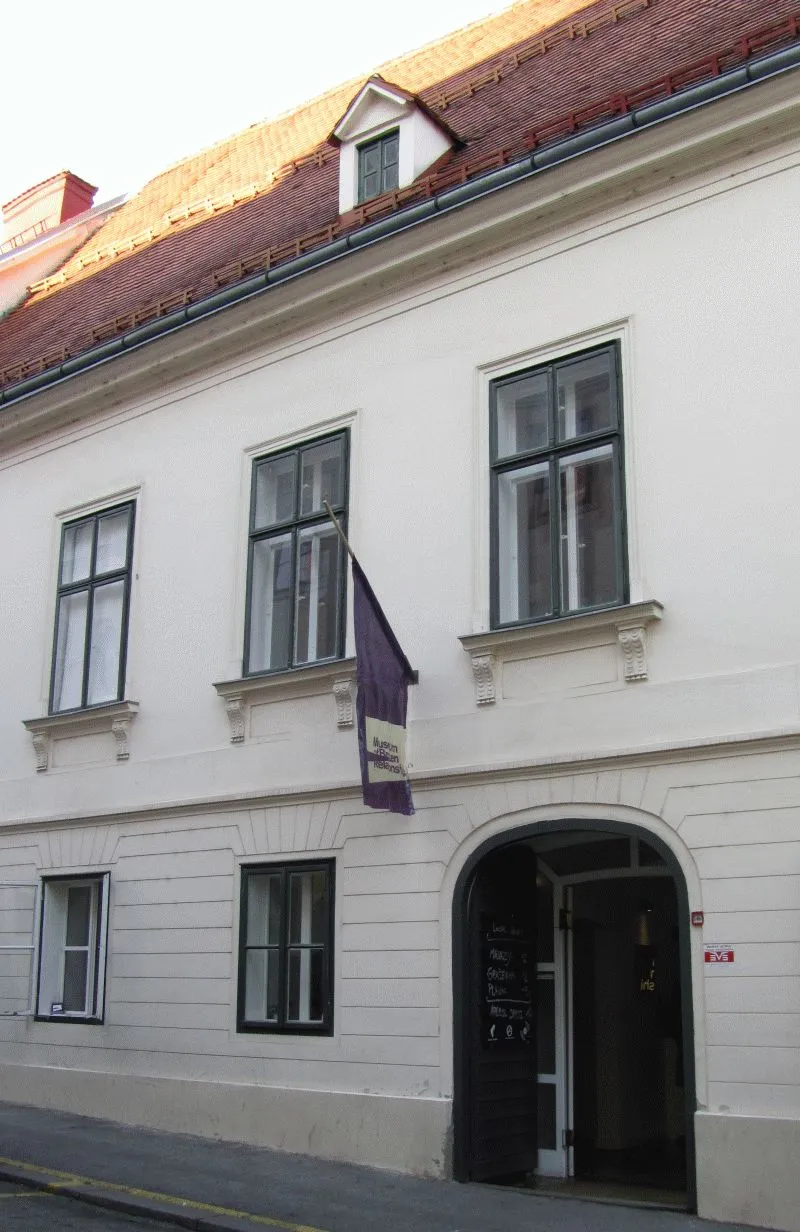
The museum occupies the Kulmer Palace (also known as the Sponza), an 18th-century aristocratic palace on Ćirilometodska street in Zagreb's Gornji Grad. The building's baroque facade and interior courtyard provide a formal, restrained container for the museum's intimate content — the contrast between institutional architecture and deeply personal objects is an intentional part of the curatorial experience. The Gornji Grad location, within walking distance of the funicular top station and the Church of St Mark, situates the museum at the heart of Zagreb's oldest and most architecturally distinctive neighbourhood.
Guided Tours
The Museum of Broken Relationships is significant for several reasons beyond its emotional impact. It represents a new model for museum practice: a collection assembled from public donations rather than acquisitions, curated by the stories attached to objects rather than the objects' monetary or historical value. It proved that a museum focused on universal personal experience rather than elite cultural heritage could earn international critical recognition. And it emerged from Zagreb — demonstrating that genuinely original cultural institutions can come from cities outside the established museum capitals of London, Paris, and New York. For Croatia, the museum has become the country's most internationally recognisable contemporary cultural contribution, more widely known than any gallery collection or music institution the country possesses.
When to Visit
Open daily: Typically 9 AM–10:30 PM in summer, 9 AM–9 PM in winter (check current hours on arrival). Located in the Kulmer Palace on Ćirilometodska street in Gornji Grad — a 2-minute walk from the top of the Uspinjača funicular. Duration: Allow 60–90 minutes minimum; 2 hours if you read every label. Best visited mid-morning or afternoon when light in the Gornji Grad streets is pleasant for walking before or after.
Admission and Costs
Adult entry: ~€5. Reduced entry (students, seniors): ~€3. The museum shop sells the official collection book — highly recommended as a companion to the visit and a lasting record of the objects and stories. Guided options: Zagreb Free Tour and private Zagreb guides can include the museum as part of a broader Gornji Grad walking tour.
The Case for a Guide
The museum is accessible without a guide — the labels are clear and the concept speaks directly to visitors. However, a Zagreb guide who includes the museum in a broader Gornji Grad tour can provide cultural context that enriches the experience.
- The concept's origin story: Understanding that the museum was founded from a real breakup rather than an academic curatorial decision transforms the first room — knowing the founders' story gives the institution a specificity that makes every anonymous donated story feel more resonant
- Zagreb's cultural positioning: A guide can explain why Zagreb — a city of fewer than one million people, far less visited than the Dalmatian coast — produced this particular institution; the city's Central European intellectual tradition and its particular post-Yugoslav cultural moment are part of the answer
- Kenneth Hudson Award significance: The award name (Kenneth Hudson was the founding father of the European museum movement and wrote A Social History of Museums) and what it signifies in European museum culture helps visitors understand why the prize mattered internationally
- The Kulmer Palace context: Knowing the building's 18th-century aristocratic history as a Zagreb noble's residence makes the contrast with the raw personal content of the collection more visible — baroque architecture housing stories of heartbreak is not accidental
Tips for Visitors
Read slowly: The labels are the museum — rush through them and you miss everything. Visit midweek: Weekend queues in peak summer can form at the entrance; Tuesday–Thursday is quieter. Combine with Gornji Grad: The museum sits in the Upper Town district; pair it with the Lotrščak Tower, St Mark's Church, and the Klovićevi Dvori Gallery, then walk down through the Stone Gate and across Tkalčićeva Street to Kaptol, where Zagreb Cathedral and the Dolac Market stand side by side, for a full day in the capital's historic core. Buy the book: The museum's official collection book in the shop includes objects and stories not displayed on the current rotation and makes a genuinely moving souvenir. Check for temporary exhibitions: The museum regularly hosts themed temporary shows alongside the permanent collection — worth checking the programme before your visit.
Frequently Asked Questions
How long does the Museum of Broken Relationships take to visit?
Most visitors spend 60–90 minutes in the museum, though many linger considerably longer. The collection is not large in terms of physical space — the museum occupies a historic Baroque palace in Zagreb's Gornji Grad — but the objects and their accompanying stories demand slow, attentive reading. The experience is cumulative: the emotional weight builds across the display cases as the range of human experience (heartbreak, grief, absurdity, tenderness, dark humour) accumulates. Allow 2 hours if you are the kind of visitor who reads every label. The museum shop sells the museum's book, which allows the experience to continue long after you leave.
Who founded the Museum of Broken Relationships and why?
The museum was founded in 2006 by two Zagreb-based artists, Olinka Vištica and Dražen Grubišić, from their own breakup. After their relationship ended, they faced the question that everyone who separates faces: what to do with the objects that belonged to the relationship rather than to either individual? Their solution was to create an exhibition. The concept proved universal — strangers began donating objects from their own ended relationships with attached stories — and the exhibition grew into a permanent museum housed in Zagreb's Baroque Kulmer Palace. The museum won the Kenneth Hudson Award (presented by the European Museum Forum) in 2011, recognising it as Europe's most innovative and daring museum.
Can I donate an object to the museum?
Yes — the museum accepts donations from anyone, anywhere in the world, provided each object comes with an anonymous written story of the relationship it represented and how it ended. Donations can be submitted online or in person at the museum. The collection is international, with objects donated from every continent and stories written in dozens of languages. The travelling exhibition — which has visited over 60 cities — accepts temporary loans of objects for each specific venue, creating locally resonant versions of the collection in each city it visits.