
Country guide
What makes Croatia a must-visit destination?
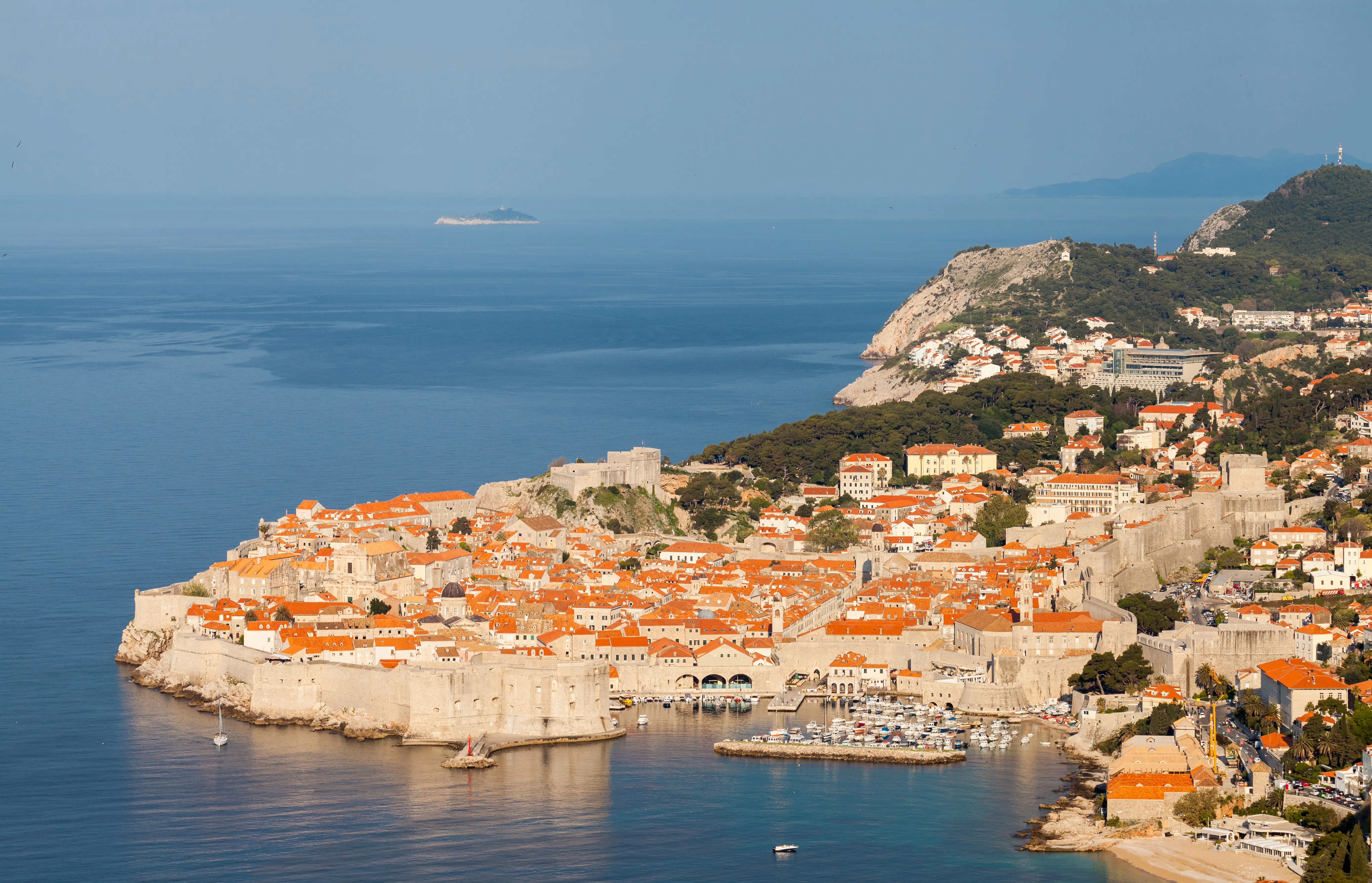
Croatia stretches from the forested hills of the Pannonian Plain in the north to the sun-bleached limestone karst of the Adriatic coast, a country shaped in turn by Roman emperors, Venetian merchants, and Habsburg administrators — each layer still legible in the architecture, cuisine, and character of its cities. Croatia's capital, Zagreb, keeps Central European rhythms, its café-lined streets and art museums reflecting an Austro-Hungarian sensibility, while the Dalmatian coast from Zadar to Dubrovnik feels emphatically Mediterranean, its walled old towns rising straight from turquoise water.
That layering is the product of an unusually eventful history. Greek settlers planted colonies on Vis and Hvar; Rome then absorbed the eastern Adriatic into the provinces of Dalmatia and Pannonia, leaving Pula's amphitheatre and the emperor Diocletian's vast palace at Split. Croat tribes arrived in the 7th century, and by around 925 CE Tomislav was crowned the first king of a Croatian realm. A personal union with Hungary in 1102 tied the interior to Central Europe for eight centuries, while the coast drifted into the orbit of Venice — all except Dubrovnik, the merchant Republic of Ragusa that bought and negotiated its independence from 1358 until Napoleon extinguished it in 1808. Habsburg rule and a 19th-century national revival followed; Croatia joined the first Yugoslavia in 1918, endured the Second World War and four socialist decades, and finally secured independence in the Homeland War of 1991–1995, entering the European Union in 2013.
Out of that history comes a culture that is emphatically its own. Croatian is a South Slavic language written in the Latin alphabet, split across the Čakavian, Kajkavian, and Štokavian dialect groups you can hear shift from one island to the next. The country is predominantly Catholic, and its calendar of saints' days, klapa serenades, and coastal fešta festivals structures daily life far more than any guidebook suggests. A few signatures worth seeking out:
- The table — Istrian truffles and malvazija wine inland, grilled fish and peka-roasted lamb on the coast, štrukli pastry and slow stews in the continental north, and Pag's sheep's-milk cheese from a windswept karst island.
- The soundtrack — Mediterranean klapa singing, the unaccompanied multipart harmony of Dalmatia that UNESCO added to its intangible-heritage list in 2012.
- The crafts — the red-and-white šahovnica checkerboard on the national flag, delicate Pag lace, and the heart-shaped licitar gingerbread of the Zagreb region.
- The exports — the necktie itself, whose name descends from the French cravate (after the scarves worn by 17th-century Croatian soldiers), and the inventor Nikola Tesla, born in 1856 at Smiljan in the Lika highlands.
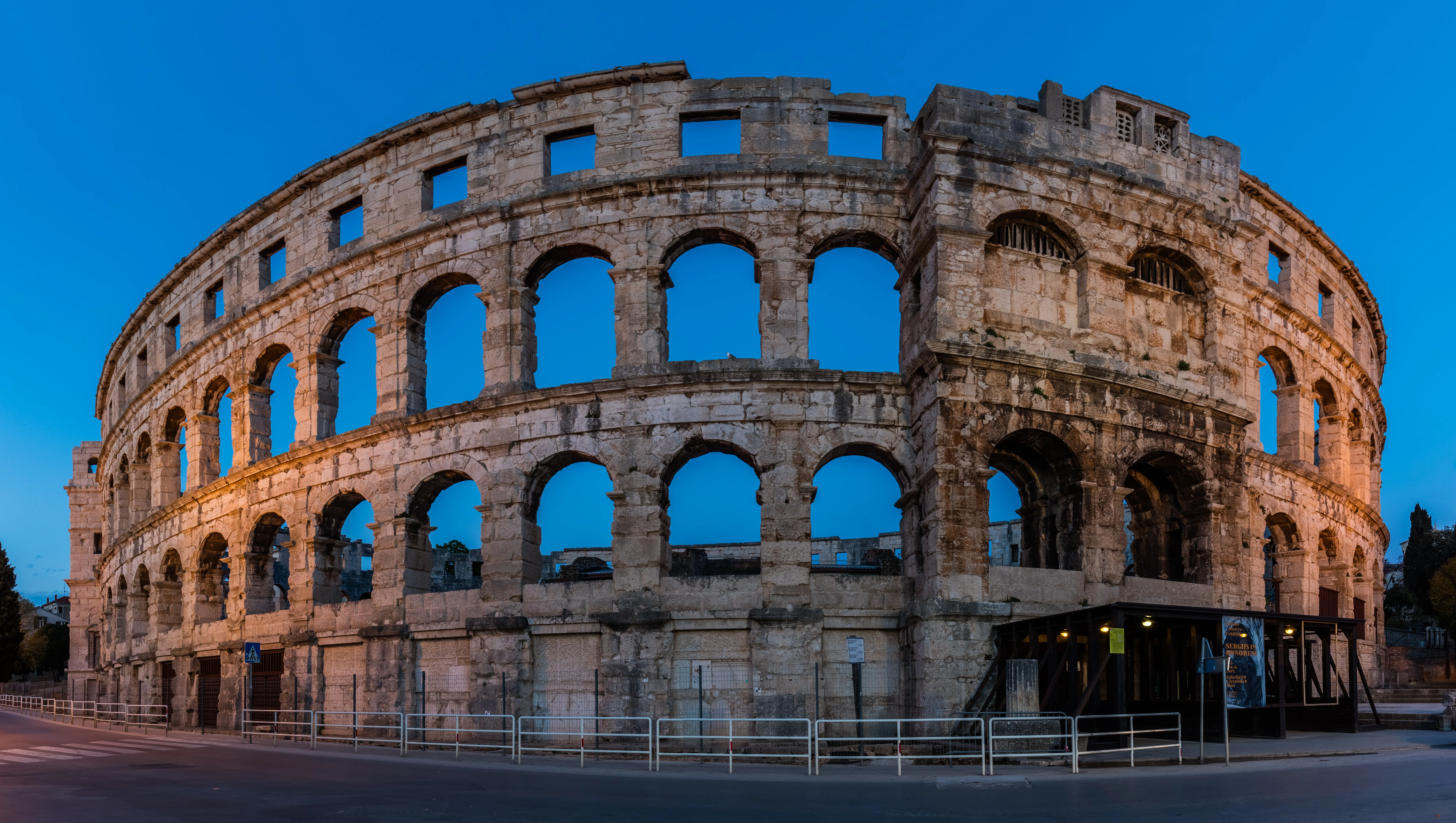
The scale of Croatia's Roman heritage still surprises first-time visitors. Pula's amphitheatre seats 23,000 and ranks among the six best-preserved arenas in the Roman world, while Split's Diocletian's Palace was never abandoned: inhabited continuously for 1,700 years, it now shelters a neighbourhood of bars and apartments around the emperor's mausoleum — converted in the 7th century into the city's cathedral. Inland, Plitvice Lakes National Park strings sixteen turquoise lakes down a staircase of travertine waterfalls — one of Croatia's first UNESCO sites and a magnet for well over a million walkers a year — while the Kornati archipelago off Zadar scatters 89 islands of raw limestone across water where sailing yachts outnumber tourists and the silence is total.
Those who seek paradise on Earth should come to Dubrovnik.
That verdict, famously attributed to George Bernard Shaw, still captures why visitors keep arriving. Croatia joined the Schengen zone and adopted the euro in January 2023, making travel logistics easier than ever — yet tourism has surged, and Dubrovnik now caps the number of cruise passengers allowed ashore at once. A knowledgeable local guide remains the surest way to time visits, sidestep the peak-season crush, and unlock the stories the signboards never tell.
- Language
- Croatian Widely spoken across Croatia
- Currency
- Euro (€) Legal tender across Croatia
- Time zone
- UTC+1 (CET) Local time in Croatia
- Power plugs
- Types C, F · 230V Sockets used across Croatia
- Getting around
- Buses & coastal ferries Getting between Croatia's cities
- Best months
- Apr, May, Jun, Jul, Aug, Sep, Oct Averaged across Croatia's city ratings
Croatia timeline
-
Medieval kingdom recognized
The early Croatian kingdom anchors national history around the Adriatic and inland capitals.
-
Union with Hungary
A long shared crown shaped Dalmatian, Slavonian, and inland political layers.
-
Yugoslav state begins
The post-Habsburg union added a twentieth-century political layer to Croatian city histories.
-
Independence declared
Modern independence reframed historic towns and war-memory sites for visitors.
-
War ends
The end of the independence war remains central to memorial landscapes and restored historic towns.
-
Croatia joins the EU
EU membership deepened links across Adriatic routes and European heritage programs.
Croatia in Pictures
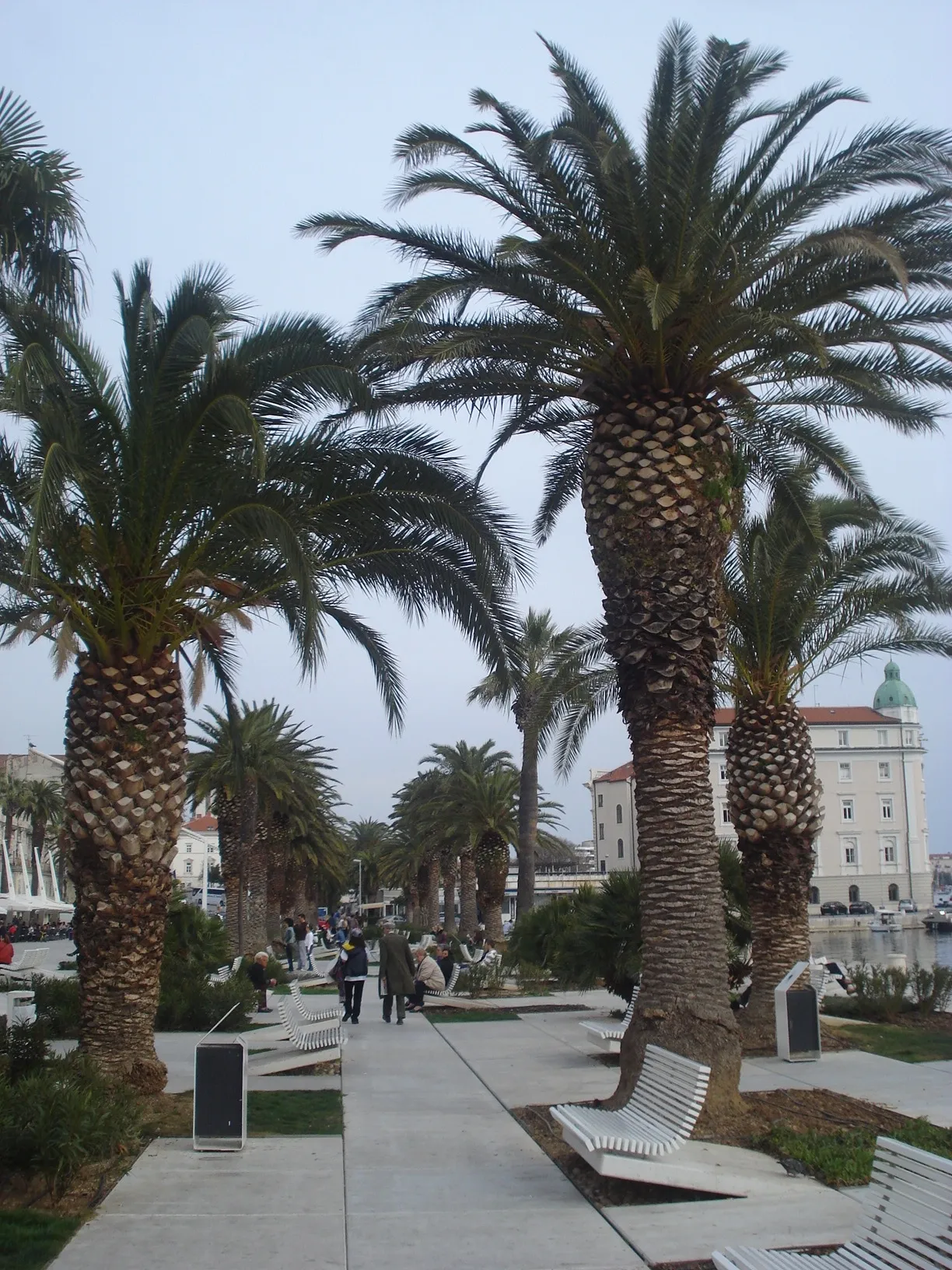
Local context
Culture and travel signals
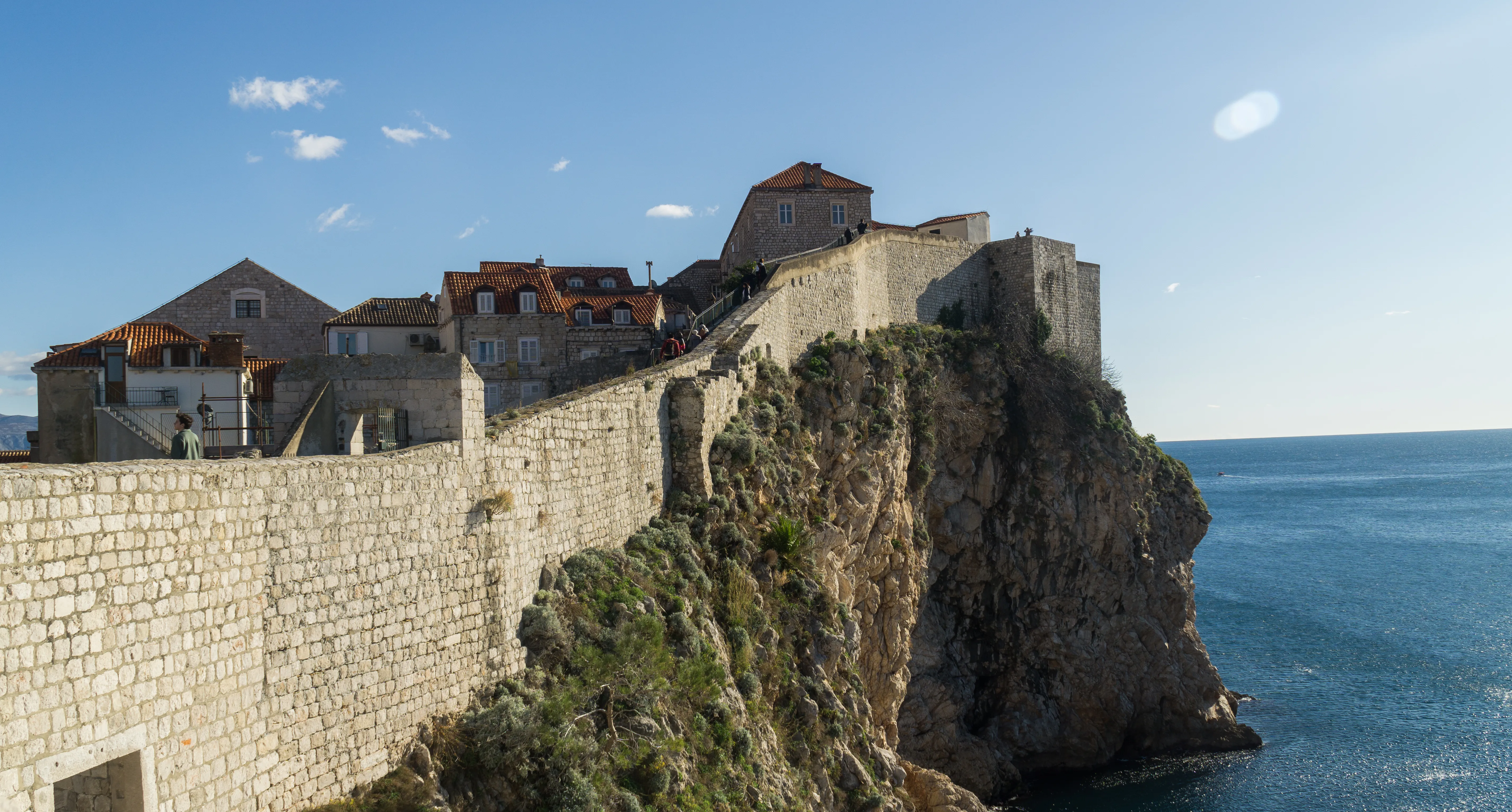
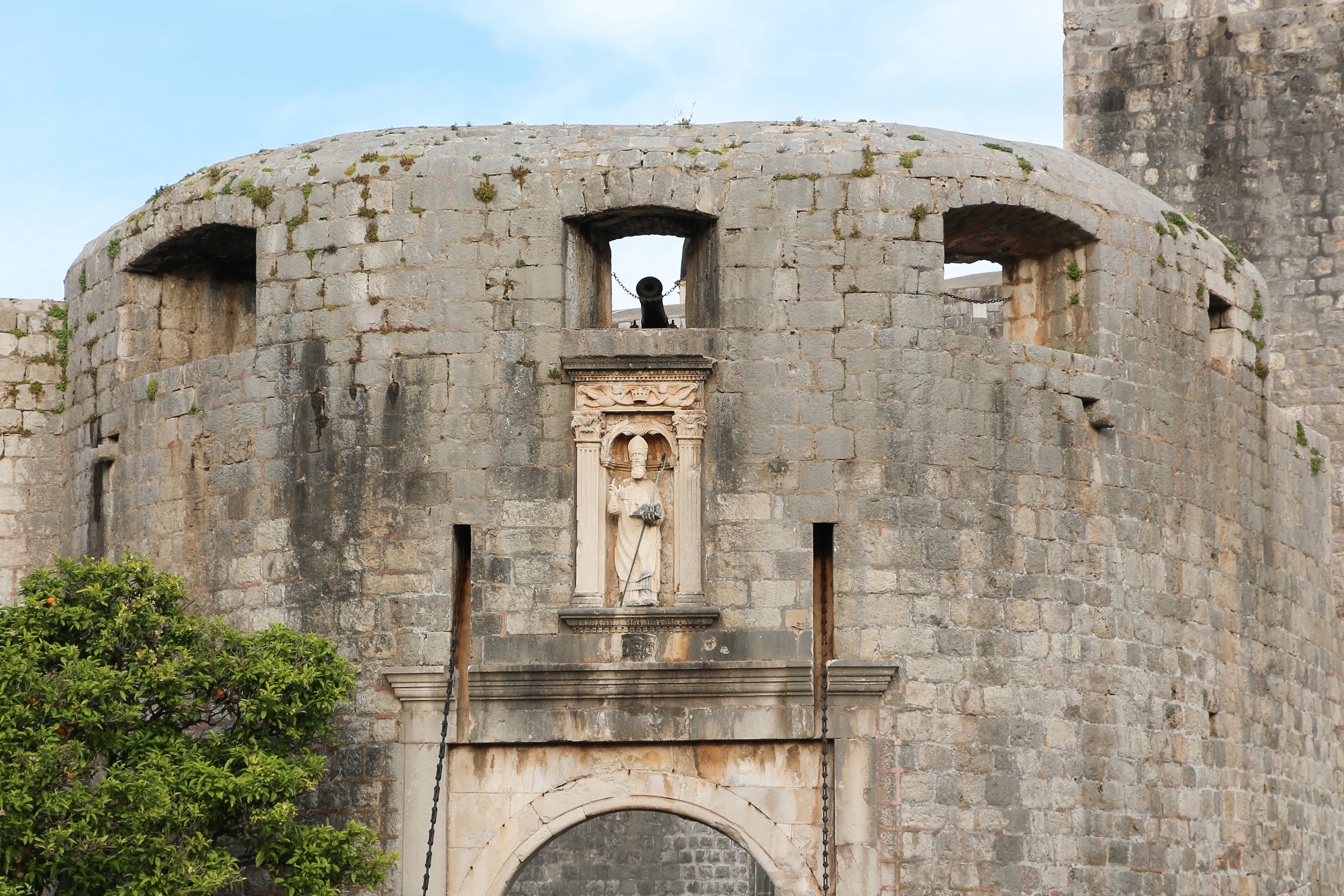
Dubrovnik's city walls stretch 1.9 kilometres in an unbroken circuit
Built primarily in the 14th and 15th centuries, the walls rise up to 25 metres in height and reach 6 metres in thickness on the landward side, enclosing the entire medieval city of Ragusa in a limestone embrace that withstood centuries of Ottoman pressure and Venetian rivalry
Diocletian's Palace in Split houses approximately 3,000 residents
The Roman Emperor Diocletian completed his retirement fortress in 305 CE; today the palace's warren of streets, converted temples, and subterranean cellars shelters a functioning neighbourhood — restaurants, flats, and boutiques occupying structures built for an empire
Croatia has 10 UNESCO World Heritage Sites
From the historic core of Dubrovnik to the old city of Split with Diocletian's Palace, the Euphrasian Basilica in Poreč, the Cathedral of St James in Šibenik, and the stunning Plitvice Lakes National Park — Croatia packs a remarkable density of world heritage into a country of just 4 million people
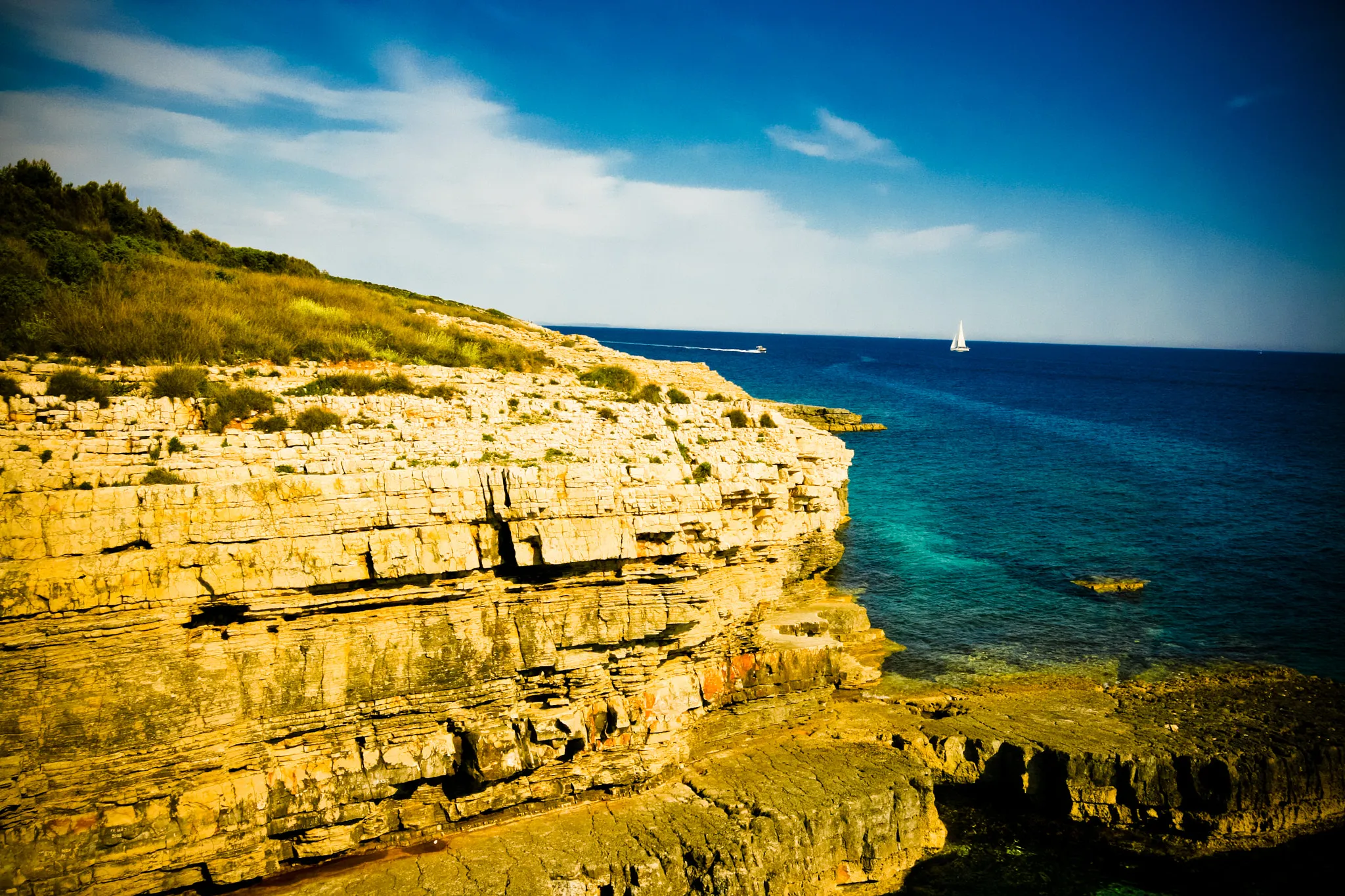
The Adriatic coast counts 1,244 islands, islets, and reefs
Croatia's island archipelago is one of the most intricate in the Mediterranean, ranging from the car-free havens of Hvar and Korčula to tiny uninhabited rocks. Fewer than 50 islands are permanently inhabited, and the ferry and catamaran network connecting them to the mainland remains one of Croatia's great travel pleasures
Plitvice Lakes National Park has been a UNESCO World Heritage Site since 1979
Sixteen terraced lakes spill from one to the next over natural travertine dams in the forested karst interior, the mineral barriers still growing as dissolved limestone precipitates around moss and algae — a rare living geological process that has made Plitvice one of Croatia's most visited natural attractions
Dalmatian klapa singing joined UNESCO's intangible heritage list in 2012
Klapa is the unaccompanied multipart harmony of the Dalmatian coast, traditionally sung by small groups of men and, increasingly, women; its slow, close-harmony sound remains a fixture of coastal festivals and konoba taverns, and its recognition underlines that Croatian heritage is as much sung as it is built
Source: tour-guide.com — Free to cite with attribution
Season planner
A year in Croatia
Use this best time to visit snapshot as a country-wide average, then check the city guides for local timing.
Mar-May
Spring
Spring stays workable in Croatia at Mar-May (3.7/5), so lean on city-by-city timing.
Jun-Aug
Summer
Summer holds up well for guided travel in Croatia, averaging Jun-Aug (4/5).
Sep-Nov
Autumn
Autumn holds up well for guided travel in Croatia, averaging Sep-Nov (4.3/5).
Dec-Feb
Winter
Winter stays workable in Croatia at Dec-Feb (3/5), so lean on city-by-city timing.
Where should you go in Croatia?
The Dalmatian Coast
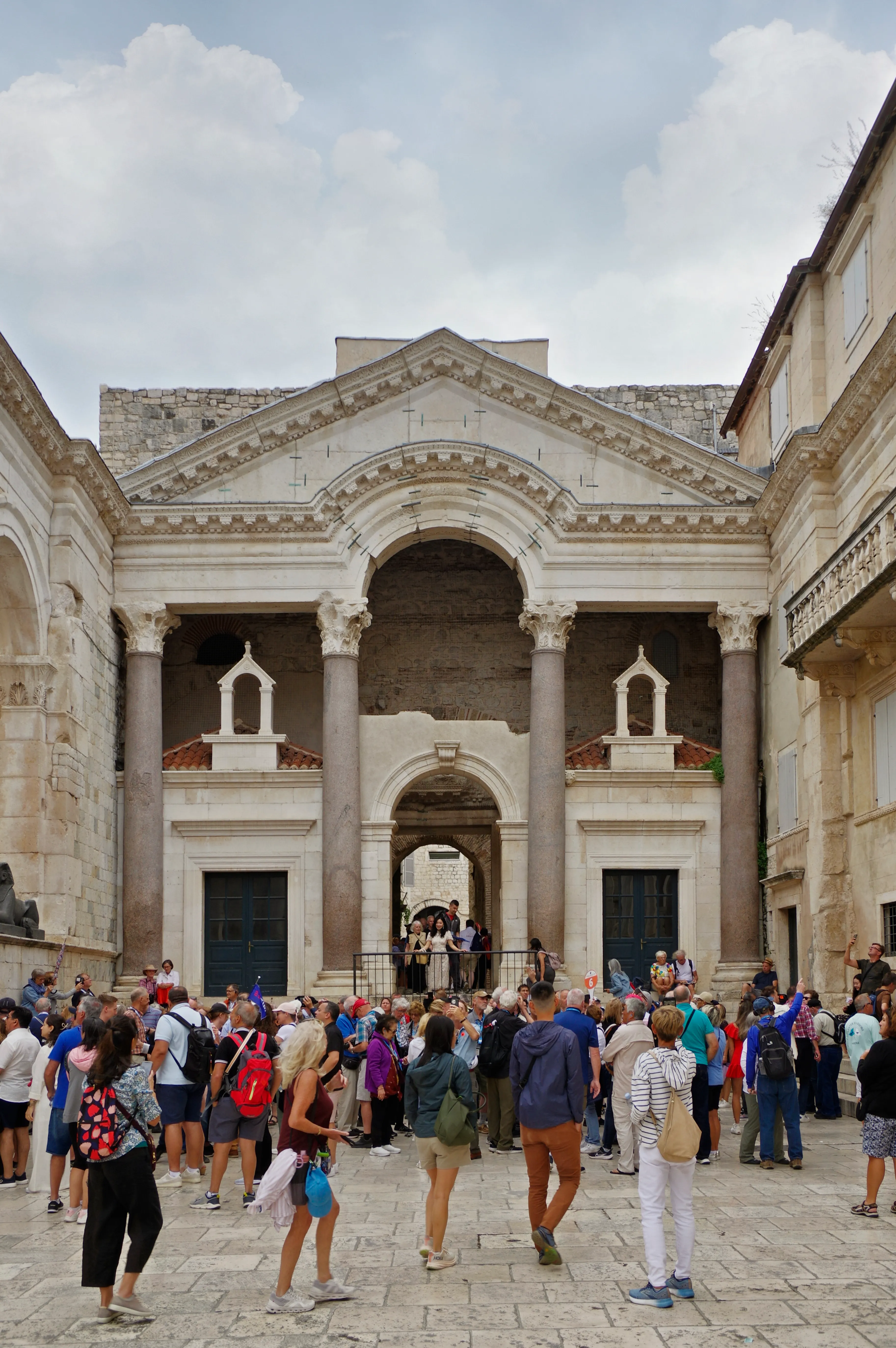
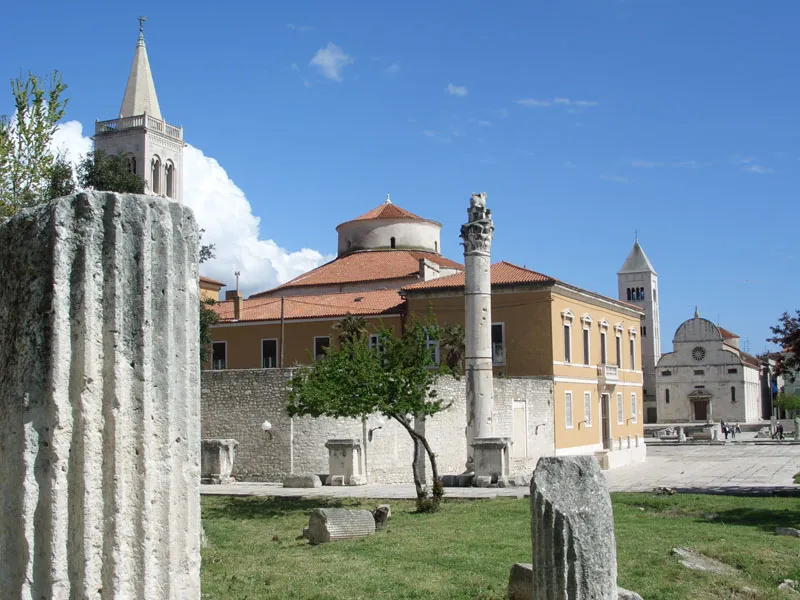
Dubrovnik anchors the south with its incomparable walled city and the shimmering city walls that encircle it. Further north, Split pulses with a living Roman palace at its core — Diocletian's Palace, a UNESCO site where residents still hang their laundry between ancient columns. Zadar pairs an extraordinary Roman forum with the world's only sea-powered pipe organ and the round 9th-century Church of St Donatus, whose bare-stone acoustics have carried the Musical Evenings in St Donatus early-music festival — founded in 1961 for its Renaissance and Baroque programmes — every summer since, while quieter Šibenik preserves Croatia's only cathedral built entirely in the Renaissance style.
The Capital
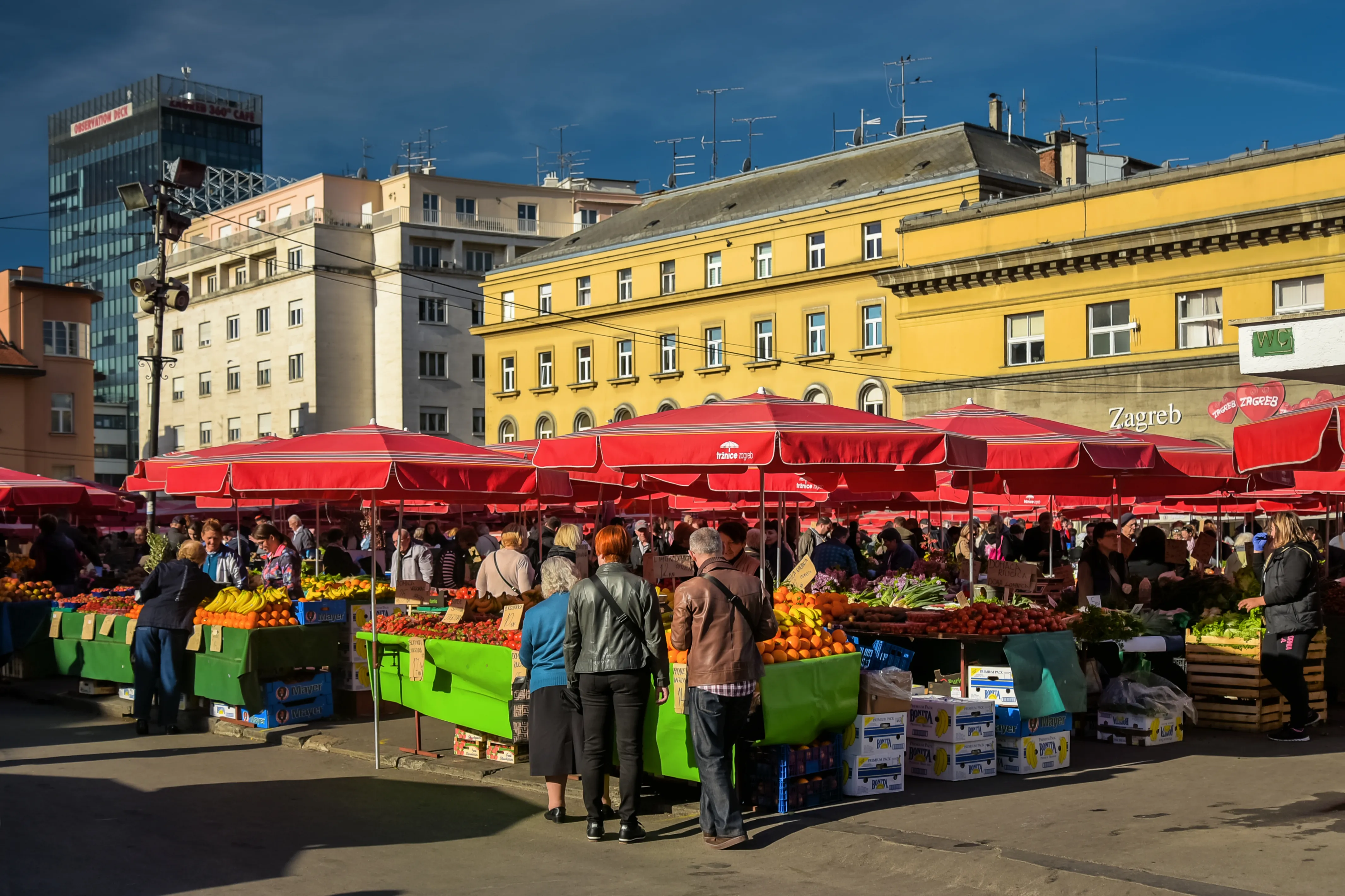
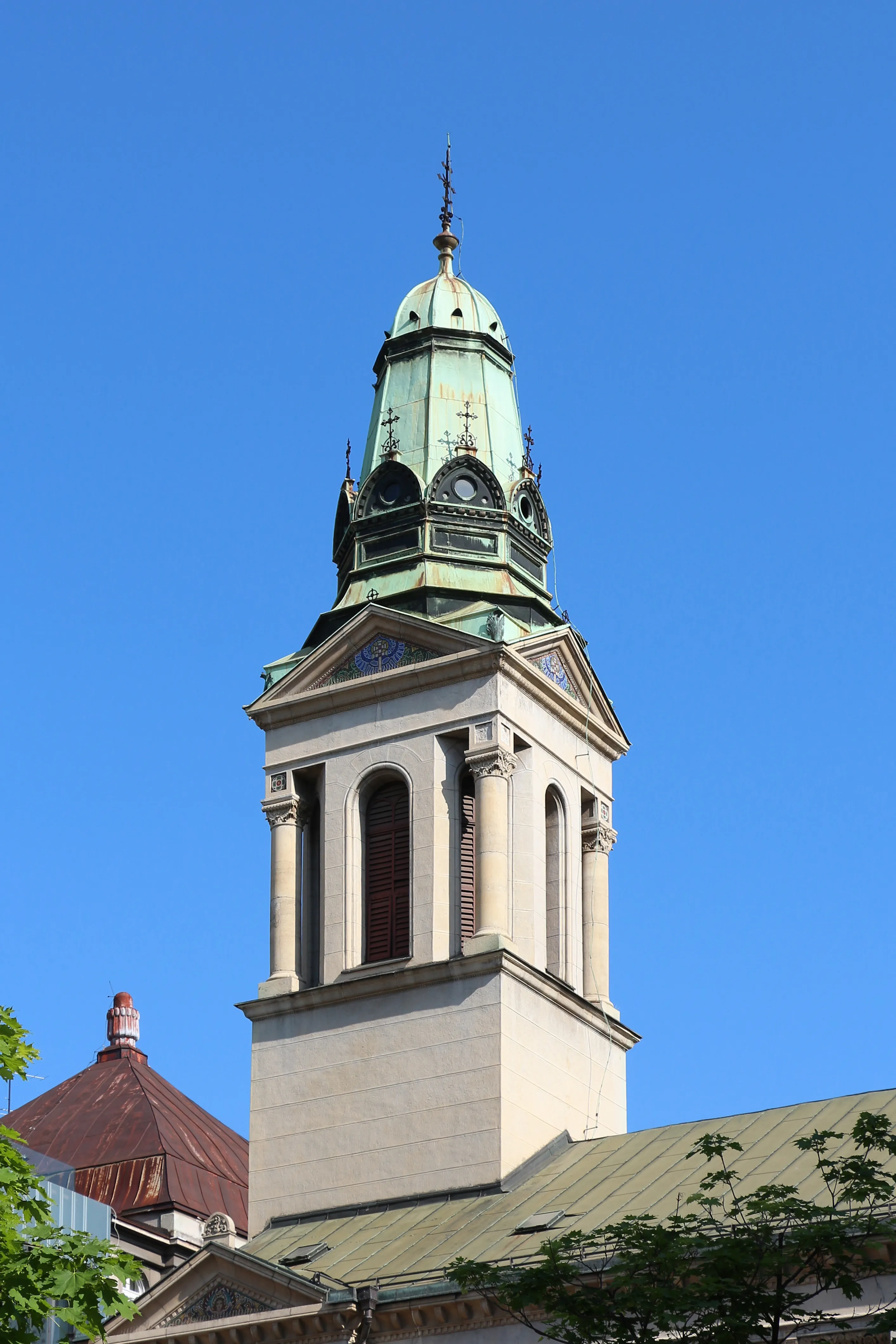
Zagreb rewards visitors who venture beyond the coast with its hilltop Gornji Grad old town, the twin neo-Gothic spires of Zagreb Cathedral crowning Kaptol, the riotously fresh Dolac market that locals call the belly of the city, and the internationally celebrated Museum of Broken Relationships — winner of the Kenneth Hudson Award for Europe's most daring museum. The capital functions as Croatia's cultural engine, with a theatre, opera, and café scene wholly its own.
Istria
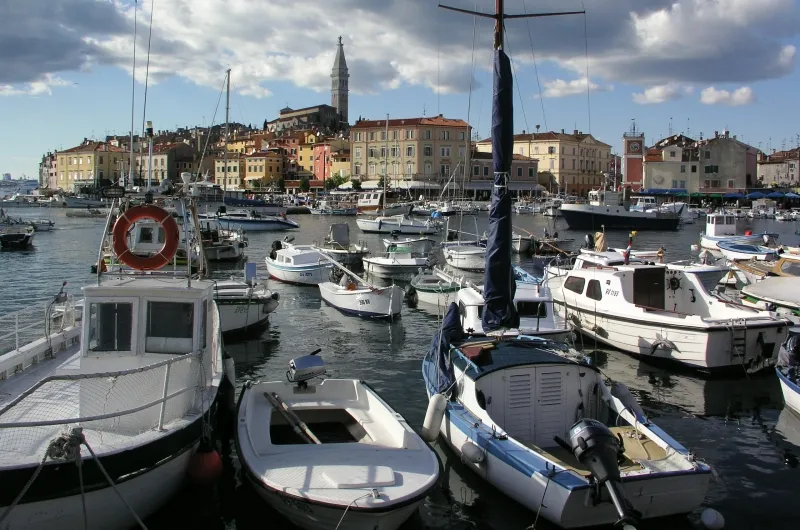
The heart-shaped Istrian peninsula in the northwest wears its Italian-Venetian heritage proudly. Pula anchors the tip with its extraordinary Roman amphitheatre, while Rovinj clusters its pastel fishermen's houses on a peninsula so picture-perfect it attracts painters and photographers year-round. Istria is also Croatia's truffle country — the forests around Motovun yield some of Europe's finest black and white truffles, sold at farm shops and morning markets.
Central Croatia
The Plitvice Lakes National Park sits in the wooded karst interior, easily reached from Zagreb as a full-day excursion or a stop on the road south to Dalmatia. The medieval hill towns of the Zagorje region north of the capital — Trakošćan, Veliki Tabor — offer a quieter, castle-rich alternative to the coastal crowds, with restored interiors and forest walks that see almost no summer queues.
Must-see attractions across Croatia
These are the sights travelers cross Croatia for, each anchored to its own city. Pair one with a guide and the context comes alive.
What do visitors need to know about Croatia?
Finding a Guide
- Croatian Association of Tourist Guides maintains a register of licensed professionals by city and speciality — essential for guided access to UNESCO-listed monuments where licensed guides are legally required
- Free walking tours operate in Dubrovnik (meeting at Pile Gate), Split (Peristyle courtyard), and Zagreb (Ban Jelačić Square) — tip-based, typically 2 hours
- GetYourGuide and Viator list a wide range of pre-bookable tours including Plitvice Lakes day trips, Game of Thrones Dubrovnik walks, and Istrian truffle-hunting experiences
- Ferry operators between islands often have guide partnerships for island day trips from Split, Zadar, and Dubrovnik
Typical Costs
| Tour Type | Price Range |
|---|---|
| Free walking tour (tip-based, 2 hrs) | €8–12 typical tip |
| Group tour (2–3 hrs) | €18–30 per person |
| Private half-day (up to 6) | €100–180 |
| Private full-day (up to 6) | €250–450 |
| Specialist guide (Roman archaeology, Game of Thrones) | €150–280 per session |
Must-See Experiences
- Dubrovnik City Walls — Walk the 1.9 km circuit above the Adriatic, ideally at first light before cruise passengers arrive
- Diocletian's Palace — Enter the Roman underground cellars and emerge into a 4th-century palace that 3,000 people call home
- Plitvice Lakes National Park — Turquoise cascades on wooden boardwalks through primeval beech forest
- Pula Arena — Catch a summer concert inside one of the world's most intact Roman amphitheatres
- Zadar Sea Organ & Roman Forum — Sit at the marble steps as the Adriatic plays its own music through submerged stone pipes, then cross the Roman Forum to the 9th-century St Donatus rotunda, whose bare-stone acoustics still host summer early-music concerts
- Museum of Broken Relationships — Zagreb's uniquely moving collection of objects from ended love affairs
Tips for Visitors
- Best time — May–June and September–October for manageable crowds; July–August for island-hopping despite the heat
- Currency — Euro (€) since January 2023; widely accepted everywhere, though small konoba taverns and market stalls still prefer cash
- Dubrovnik crowds — The city limits cruise disembarkations; still visit the walls at 8 AM opening
- Island ferries — Book Jadrolinija car ferries in advance for peak summer; passenger catamarans need no reservation but sell out on popular island routes
- Driving — Coastal roads are scenic but narrow; the A1 motorway between Zagreb and Split is fast and reliable, and a vinjeta-free toll is paid at booths
- Accessibility — Old-town streets are cobbled and often stepped; Dubrovnik's walls and Rovinj's spiral lanes involve many stairs, while parts of Diocletian's cellars and Zagreb's lower town are broadly step-free
- Language — Croatian is the official language; English is excellent in tourist areas throughout the coast and Zagreb
Frequently Asked Questions
When is the best time to visit Croatia?
May, June, and September–October are the sweet spots for visiting Croatia. The Dalmatian coast basks in warm, clear weather while ferry queues and accommodation prices remain far more manageable than the crushing July–August peak, when Dubrovnik can feel genuinely overcrowded and the city walls get uncomfortably hot by mid-morning. Spring brings wildflowers to Plitvice Lakes National Park and uncrowded Roman sites in Split and Pula. October still allows swimming in the southern Adriatic and delivers golden afternoon light over terracotta rooftops. Winter suits Zagreb particularly well — the capital's Christmas market is among Central Europe's finest, and northern Croatia's cultural sites see a fraction of the summer crowds.
How much does a tour guide cost in Croatia?
Free walking tours (tip-based) operate in Dubrovnik, Split, and Zagreb, where a tip of €8–12 is customary for a two-hour tour. Private half-day guides typically run €100–180 for groups of up to six, while specialist tours covering Diocletian's Palace substructures, Game of Thrones locations, or the Plitvice Lakes trail system range from €150–280 per session. Day-long private tours including transport to national parks or island excursions can reach €300–450. Note that Croatian kuna was replaced by the euro (€) in January 2023, simplifying payments across the country.
Is Croatia's Game of Thrones tourism worth it, or focus on history?
The honest answer is: both are deeply rewarding, and the best guides weave them together seamlessly. Dubrovnik's city walls, the Lovrijenac Fortress, and the Rector's Palace doubled as King's Landing for HBO's Game of Thrones, and fans will recognise scenes almost immediately. But a knowledgeable guide can show you the same locations through a 1,000-year-old lens — explaining how the Republic of Ragusa maintained independence through trade and diplomacy while empires around it rose and fell. Split's Diocletian's Palace predates Westeros by seventeen centuries and is arguably more astonishing: an entire Roman emperor's retirement fortress converted into a living city where people still shop, eat, and sleep within ancient walls.
What is the history behind Croatia's Roman and medieval heritage?
Croatia's stone layers read almost chronologically. Rome absorbed the eastern Adriatic into the provinces of Dalmatia and Pannonia, leaving Pula's amphitheatre and, at Split, the emperor Diocletian's fortress-palace of 305 CE. Croat tribes settled from the 7th century, and around 925 CE Tomislav was crowned the first Croatian king; a personal union with Hungary in 1102 bound the interior to Central Europe. On the coast, Venice dominated for centuries — except for Dubrovnik, the merchant Republic of Ragusa that preserved its independence from 1358 until 1808. Habsburg rule, a 19th-century national revival, the two Yugoslavias, and the Homeland War of 1991–1995 brought Croatia to independence and, in 2013, into the European Union. A licensed guide is the surest way to make those overlapping centuries legible on the ground.
What Croatian food and cultural traditions should visitors try?
Croatia's culture is intensely regional. On the coast, look for grilled Adriatic fish, peka (meat or octopus slow-roasted under a bell of embers), Pag's sheep's-milk cheese, and Istria's prized truffles paired with a glass of malvazija white wine. The continental north around Zagreb leans hearty — štrukli pastry, freshwater fish stews, and the heart-shaped licitar gingerbread that UNESCO recognises as intangible heritage. Listen, too, for klapa, the unaccompanied multipart singing of Dalmatia, and time your trip around a coastal fešta if you can. Guides frequently pair a city walk with a konoba (family tavern) meal or a truffle-hunting excursion so the food and the history arrive together.