
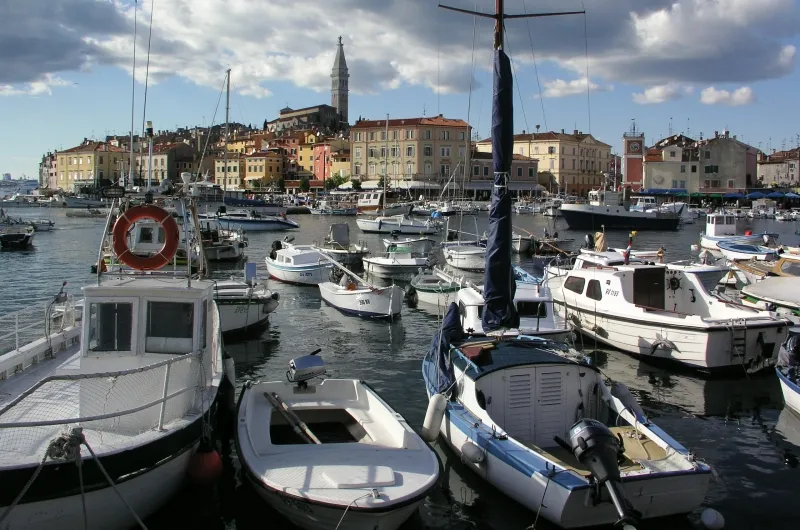
Rovinj timeline
- 7th century
Island refuge grows
The old town developed on an island refuge along the Istrian coast.
-
Venetian rule begins
Venice shaped Rovinj's campanile, lanes, and maritime identity for centuries.
-
Island joined to mainland
Filling the channel changed the old island town into the peninsula visitors walk today.
Cited city facts
Key facts for visiting Rovinj
Rovinj was an island until 1763, when the channel to the mainland was filled in
The Venetian administration of the Istrian coast decided to connect Rovinj's island to the mainland to ease commercial traffic and allow the town to expand; the infill created the current peninsula and resulted in the uniquely organic street pattern of the old town — concentric rings shaped by the former island's shoreline — that makes Rovinj's alleys among the most labyrinthine on the Adriatic
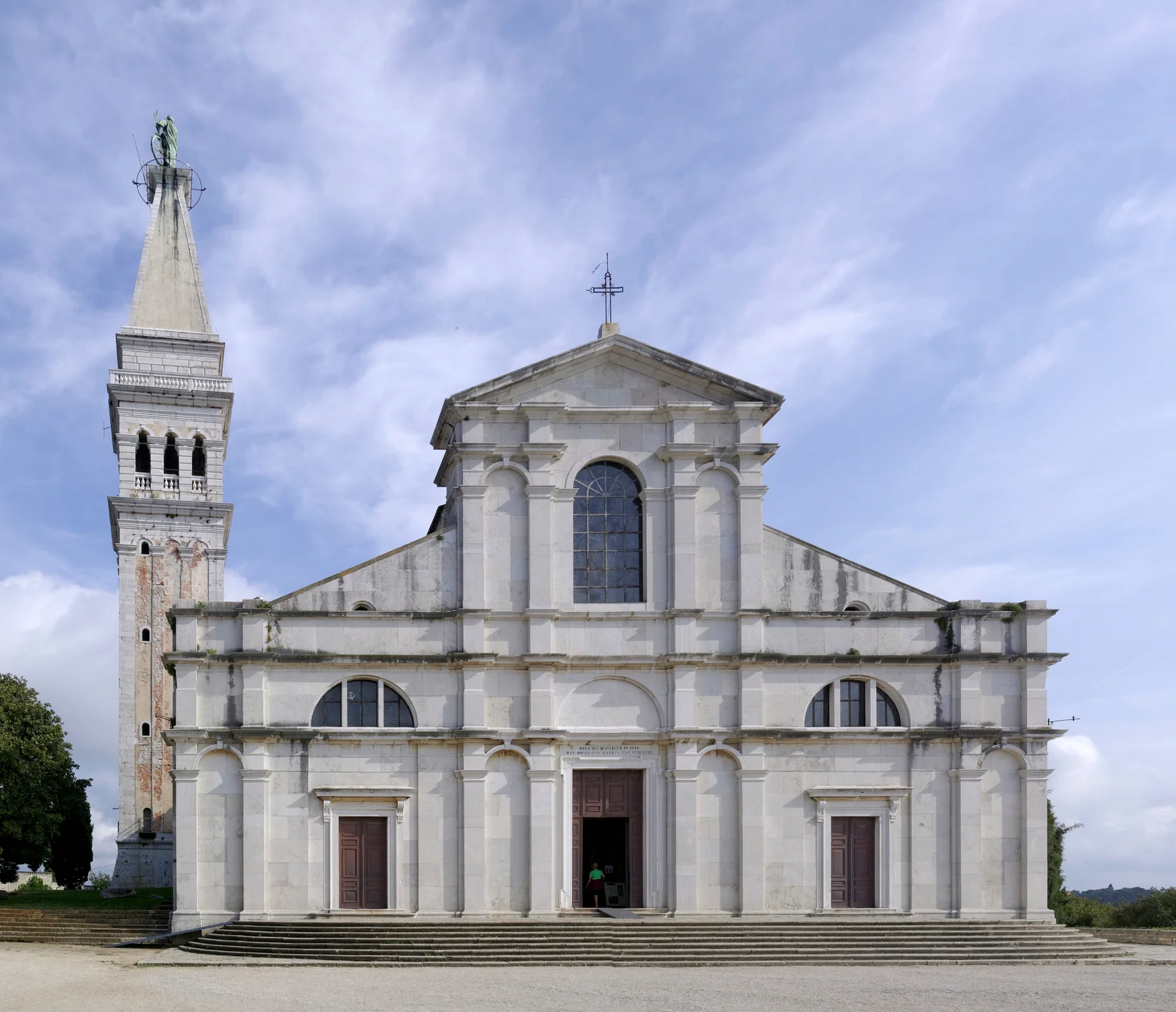
The Church of St Euphemia houses the 6th-century sarcophagus of the saint, who was martyred in 304 CE
According to local tradition, the marble sarcophagus of St Euphemia of Chalcedon washed ashore near Rovinj in 800 CE and was found impossible to move until a young boy with two oxen miraculously carried it up the hill to its current location; the sarcophagus remains in the church, and St Euphemia is venerated as Rovinj's patron saint on her feast day, September 16
Istrian truffles rival Périgord and Alba varieties in quality and command comparable prices
The Istrian oak and hornbeam forests, particularly around Motovun and Livade, produce both black and white truffles; the white Istrian truffle (Tuber magnatum pico) is the same species as the celebrated Alba truffle and can command prices exceeding €3,000 per kilogram at peak season — a fact that has transformed Istrian gastronomy into an internationally recognised culinary destination
The Rovinj archipelago contains 22 small islands and islets within rowing distance of the old town
The cluster of wooded and bare limestone islands immediately offshore from Rovinj are partly protected as a special marine reserve; Red Island (Crveni Otok) and St Andrew's Island are the most visited, offering swimming coves, a Renaissance monastery, and the natural contrast of dense Mediterranean maquis against crystalline turquoise water
Source: tour-guide.com — Free to cite with attribution
Things to see
What are the top attractions in Rovinj?
- Church of St Euphemia — Climb the campanile (187 steps) for panoramic views over the archipelago; the 6th-century sarcophagus of the saint inside is Rovinj's most venerated relic
- Old town alleys — The concentric labyrinth of Grisia street and its tributaries is best navigated with a guide who knows the dead ends from the shortcuts with views
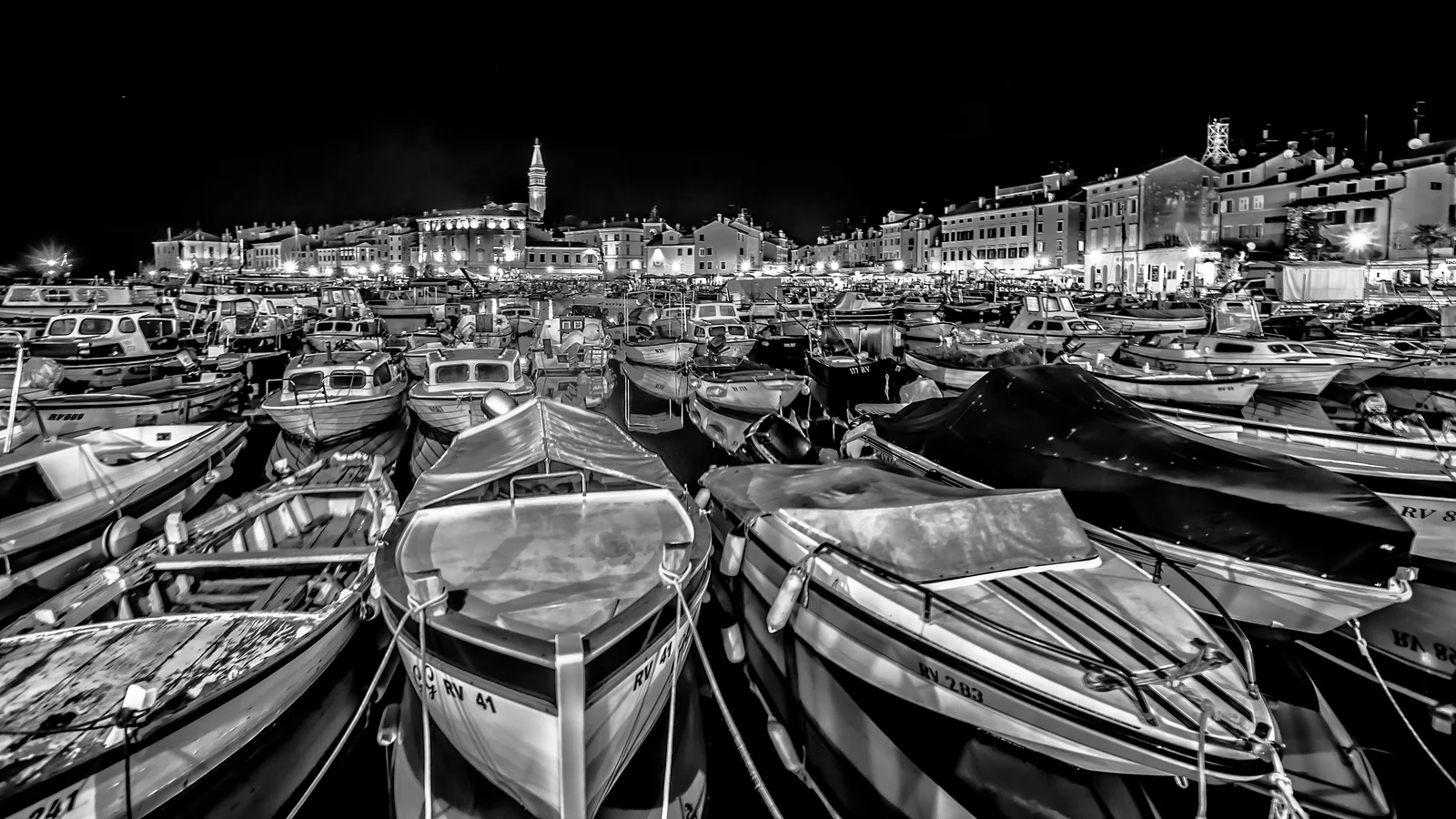
- Rovinj Harbour — Working fishing port with morning catch unloaded daily; fresh fish restaurants along the Obala Pina Budicina promenade
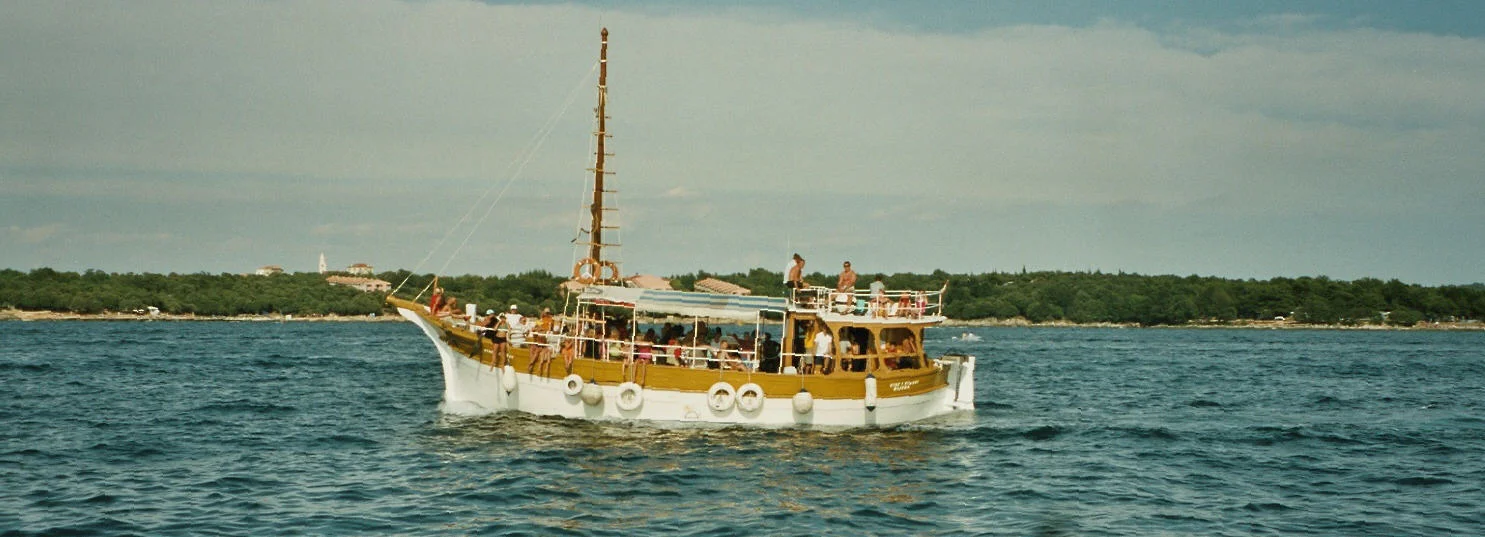
- Rovinj Archipelago boat trips — Hire a boat or join a scheduled trip to Red Island and St Andrew's Island; swimming, monastery ruins, undeveloped Mediterranean maquis
- Truffle tasting — Restaurants throughout the old town serve fresh truffle shavings year-round; the Zigante Tartufi shop on the harbour sells the full range of Istrian truffle products
- Wine caves — Several local producers maintain konoba (wine cellar) tastings in the old town cellars; Istrian malvazija is the white to seek out
- Rovinj Heritage Museum — Baroque palazzo housing archaeological finds from the region, including Hellenistic and Roman artefacts from the pre-settlement period
Church of St. Euphemia
Istria's tallest bell tower, watching over Rovinj from a saint's sarcophagus
Rovinj Old Town
Spiralling Venetian lanes and sea-step houses on a peninsula that was an island until 1763
Rovinj Archipelago
Twenty-odd protected islets of pine, holm oak, and swimming coves, a short row from the old town harbour
Guide planning
How much does a tour guide cost in Rovinj?
Local guides in Rovinj specialising in Istrian food and wine culture can arrange combined old-town walks with harbour fish market visits, truffle tastings, and archipelago boat trips as half- or full-day experiences.
Season planner
When is the best time to visit Rovinj?
- May–June — Best light for photography, asparagus and morel season, uncrowded alleys
- September–October — Truffle season begins; grape harvest on wine routes; warm sea and quiet streets
- July–August — Busy but atmospheric; boat trips to islands at full capacity; harbour restaurants excellent
- Early morning any season — Harbour fish unloading (6–8 AM) and alley light before tourists arrive
- St Euphemia's Day (September 16) — The town's patron saint festival; local processions and celebrations
Spring
Mar-May
Summer
Jun-Aug
Autumn
Sep-Nov
Winter
Dec-Feb
Each score averages that season’s monthly ratings out of 5. The top-rated window is usually the peak season too, so read the guidance above for its trade-offs before you book.
On the ground
How do you get around Rovinj?
- Pedestrian-only old town — Cars park outside the peninsula; the alleys are foot-traffic only
- Harbour water taxis — Scheduled and charter boats to Red Island, St Andrew's Island, and nearby coves
- Rental car recommended — Essential for truffle-hunting, wine-tasting routes, and the hill towns of Motovun and Grožnjan
- Bus to Pula — Frequent services (40 min) if using Pula as a flight hub
- Bike hire — Rovinj is flat enough along the waterfront; coastal cycling path runs north toward Vrsar
- Tipping — 10% for private guides; rounding up at restaurants and wine tastings is standard Istrian practice
Frequently Asked Questions
When is the best time to visit Rovinj?
May, June, and September–October are when Rovinj is at its most beautiful and least frenetic. The morning light hits the pastel-painted fishermen's houses at a particularly low angle in spring and autumn, turning them gold and amber against the deep blue of the Kvarner Gulf — and the painters who set up their easels on the harbour know this well. July and August bring heavy tourist traffic from Italian and German summer visitors, and the narrow cobblestone streets of the old town can become genuinely congested by mid-morning. That said, summer Rovinj has its own appeal: the boat trips to the Rovinj archipelago are running at full capacity, the harbour restaurants serve the morning's catch until 11 PM, and evening concerts sometimes take place in the church piazza.
What makes Rovinj different from other Istrian towns?
Rovinj's Venetian identity runs deeper than most Istrian coastal towns — it was actually an island until 1763, when the channel between the old town peninsula and the mainland was deliberately filled in. That island heritage left the old town with streets that don't follow any logical grid: they spiral outward from the hilltop church of St Euphemia in concentric rings shaped by the original coastline, creating dead ends, sudden vistas, and alleys so narrow that neighbours on opposing sides can nearly touch. The result is the most genuinely labyrinthine old town on the Istrian coast. Add to this the truffle culture of the surrounding forests and the working fishing harbour where boats still unload their catch each morning, and Rovinj delivers an authenticity that its more famous Dalmatian counterparts struggle to match.
How much do Rovinj tour guides cost?
Rovinj is small enough that free walking tours are less common than in Croatia's larger cities — occasional tip-based tours operate in peak summer. Private half-day guides covering the old town alleys, St Euphemia Church, and the olive oil and truffle tasting options run €80–130 for groups up to six. Boat trips to the Rovinj archipelago (Red Island, St Andrew's Island) operate from the harbour and cost €15–25 per person for scheduled departures or €80–150 to hire a small boat privately. Truffle-hunting experiences in the forests around Livade (30 minutes inland) cost €50–90 per person including the hunt, tasting, and meal.