
Dubrovnik timeline
- 7th century
Ragusa founded on the islet
Refugees from nearby Epidaurum settled the rocky islet of Laus, beginning the city that grew into Dubrovnik.
- 12th century
The Stradun was built by filling in a sea channel
The Stradun was built in the 12th century by filling in a sea channel.
-
Republic of Ragusa emerges
Free of Venetian rule, the merchant republic began five centuries of self-government built on diplomacy and seaborne trade.
-
Great earthquake levels the city
A catastrophic quake destroyed much of the Gothic and Renaissance city, prompting the disciplined baroque rebuild along the Stradun.
-
UNESCO World Heritage listing
The intact walls and Old Town earned Dubrovnik a place on the first wave of UNESCO World Heritage Sites.
-
Siege and restoration
Shelling during the siege of Dubrovnik damaged the Old Town, whose careful restoration visitors see finished today.
Cited city facts
Key facts for visiting Dubrovnik
Dubrovnik Old Town was inscribed as a UNESCO World Heritage Site in 1979
The city of Ragusa, which maintained its independence as a maritime republic for five centuries, was recognised by UNESCO for its extraordinary ensemble of Gothic, Renaissance, and baroque buildings — all within the 1.9-kilometre circuit of medieval walls
The Stradun was built in the 12th century by filling in a sea channel
What is now Dubrovnik's gleaming marble main street was originally a shallow channel separating a Roman island settlement from a Slavic mainland settlement; the infill created the unified city of Ragusa, and the limestone paving stones were polished smooth by eight centuries of foot traffic
Dubrovnik was the first city in Europe to abolish slavery in 1416
The Republic of Ragusa passed legislation banning the slave trade more than 450 years before it was abolished across most of Europe — a fact that illuminates the progressive and pragmatic diplomatic tradition that kept this small republic independent for 451 years
The 1991–1992 Siege of Dubrovnik damaged 68% of buildings in the Old Town
During the Croatian War of Independence, artillery bombardment struck the UNESCO-protected historic core; the painstaking reconstruction used original stone quarried from the same Korčula quarries as the original walls, and visitors today walk a city almost entirely restored within a decade
Source: tour-guide.com — Free to cite with attribution
Things to see
What are the top attractions in Dubrovnik?
- City Walls — Walk the full 1.9 km circuit for panoramic Adriatic views; open from 8 AM, best before 10 AM
- Stradun (Placa) — The marble-paved main street, heart of Ragusan public life for eight centuries
- Rector's Palace — Gothic and Renaissance hall housing the city museum; the Rector lived and worked here during his mandatory month in office
- Fort Lovrijenac — The detached fortress on the cliff west of the walls, used for Game of Thrones Red Keep exteriors
- Old Harbour — 15th-century port with water taxis to Lokrum Island and the beaches of Cavtat
- Lokrum Island — 15-minute ferry from the harbour; peacocks, a botanical garden, and Game of Thrones exhibition in the monastery
- Srđ Hill cable car — Ascend to 412 metres for a panoramic view over the walled city, islands, and Elaphiti archipelago
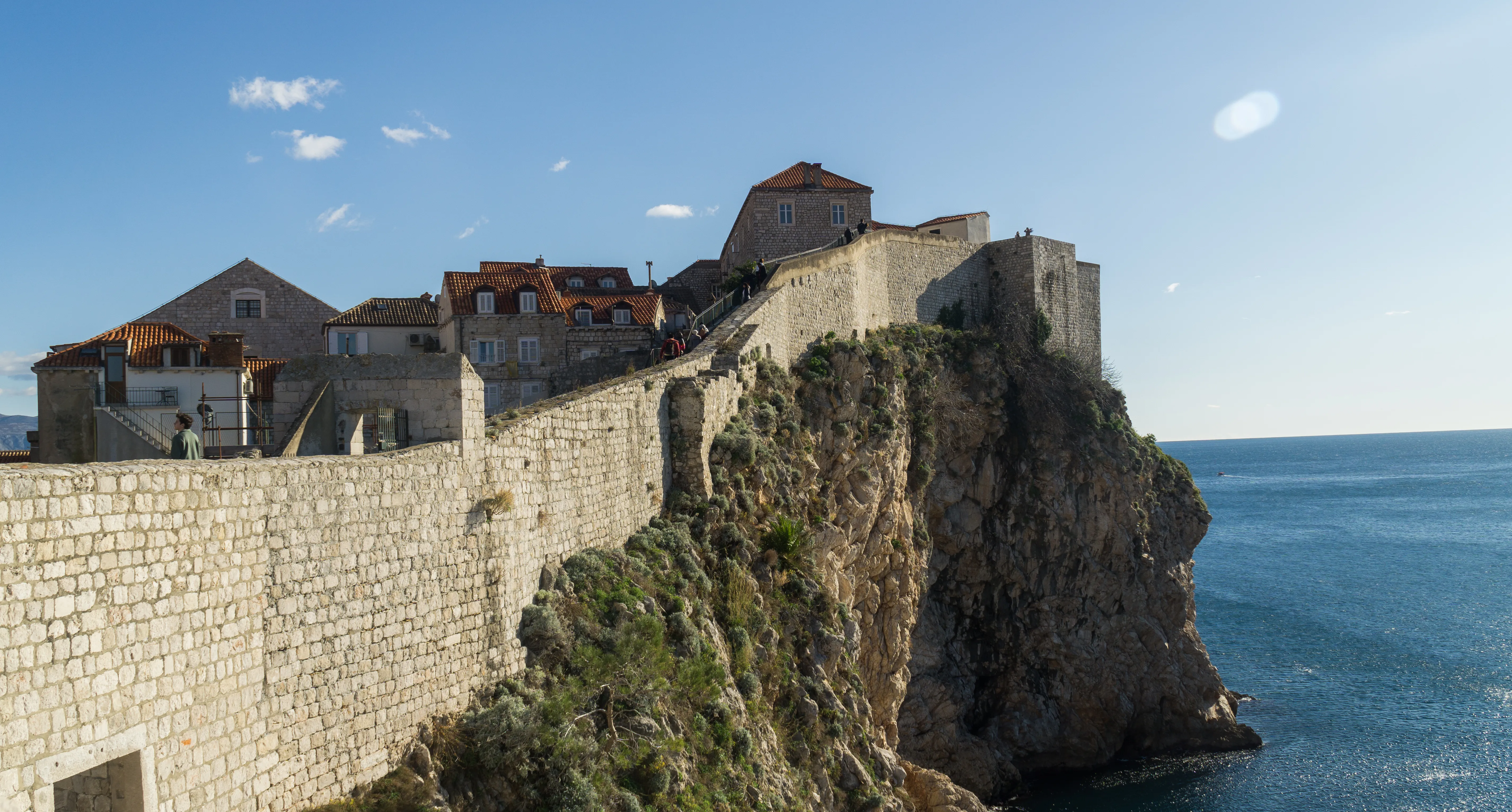
City Walls
1.9 kilometres of medieval limestone above the Adriatic — the most visited attraction in Croatia
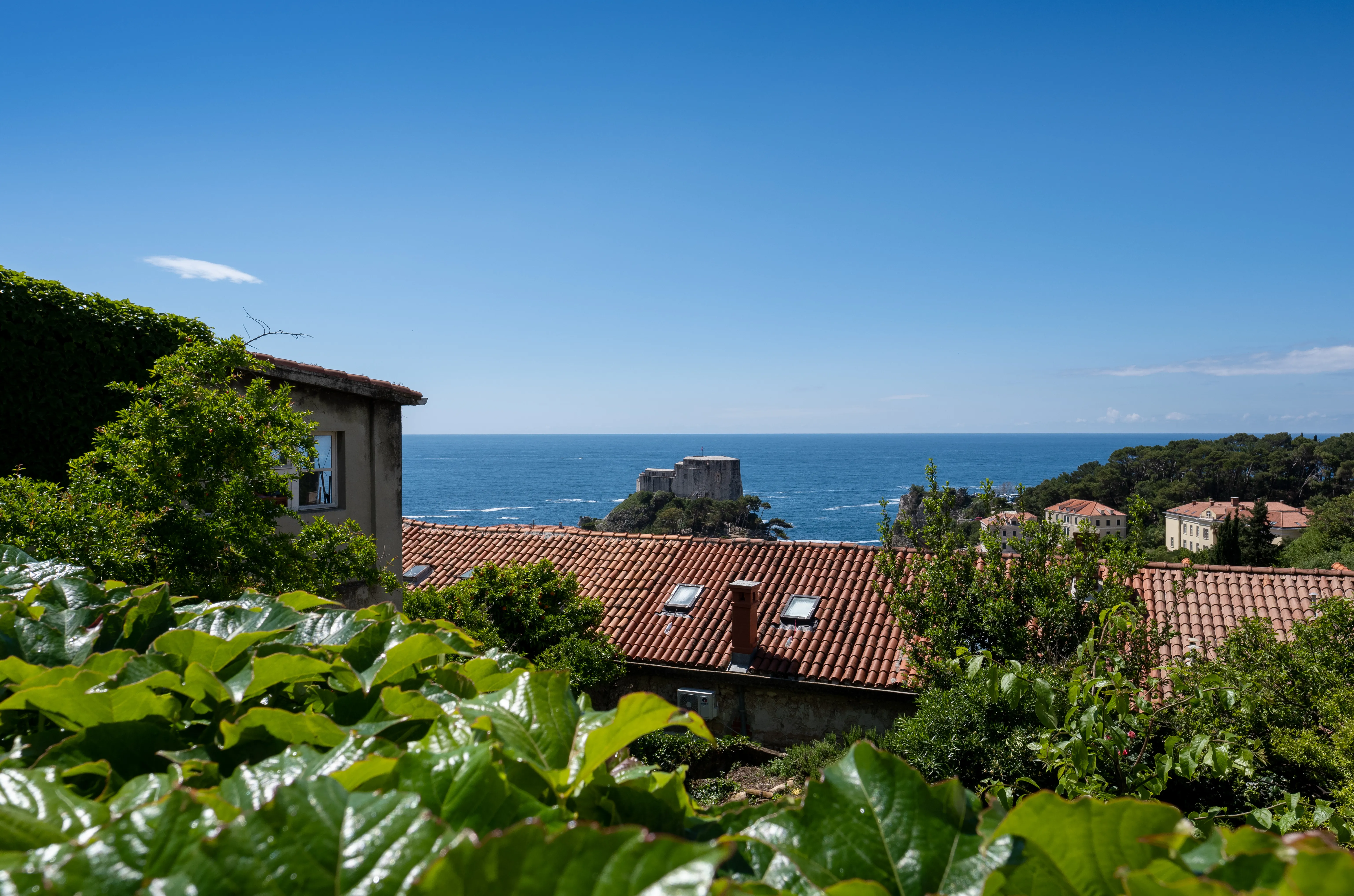
Fort Lovrijenac
A fortress on a 37-metre crag, raised in three months to keep Venice out
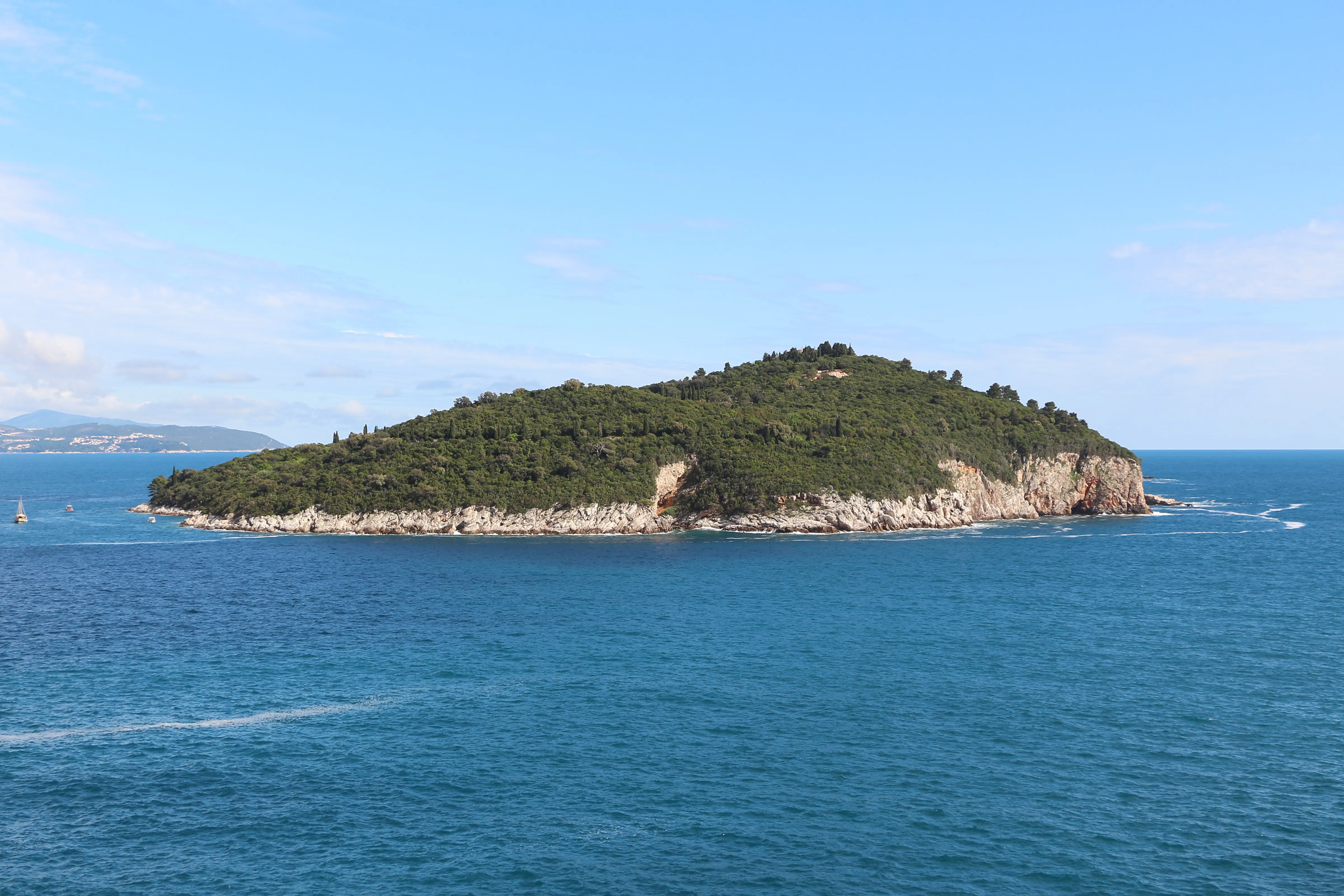
Lokrum Island
Ten minutes by ferry to a wooded island of peacocks, salt lakes, and an old curse
Guide planning
How much does a tour guide cost in Dubrovnik?
Dubrovnik guides licensed by the Croatian Ministry of Tourism are required for access to certain museum-level sites and can arrange skip-the-line access to the city walls during peak hours.
Book a Local Guide
The guides below are independent local businesses we recommend purely on editorial merit. We don't sell placement and we earn no commission when you book with them — see our booking and affiliate disclosure.
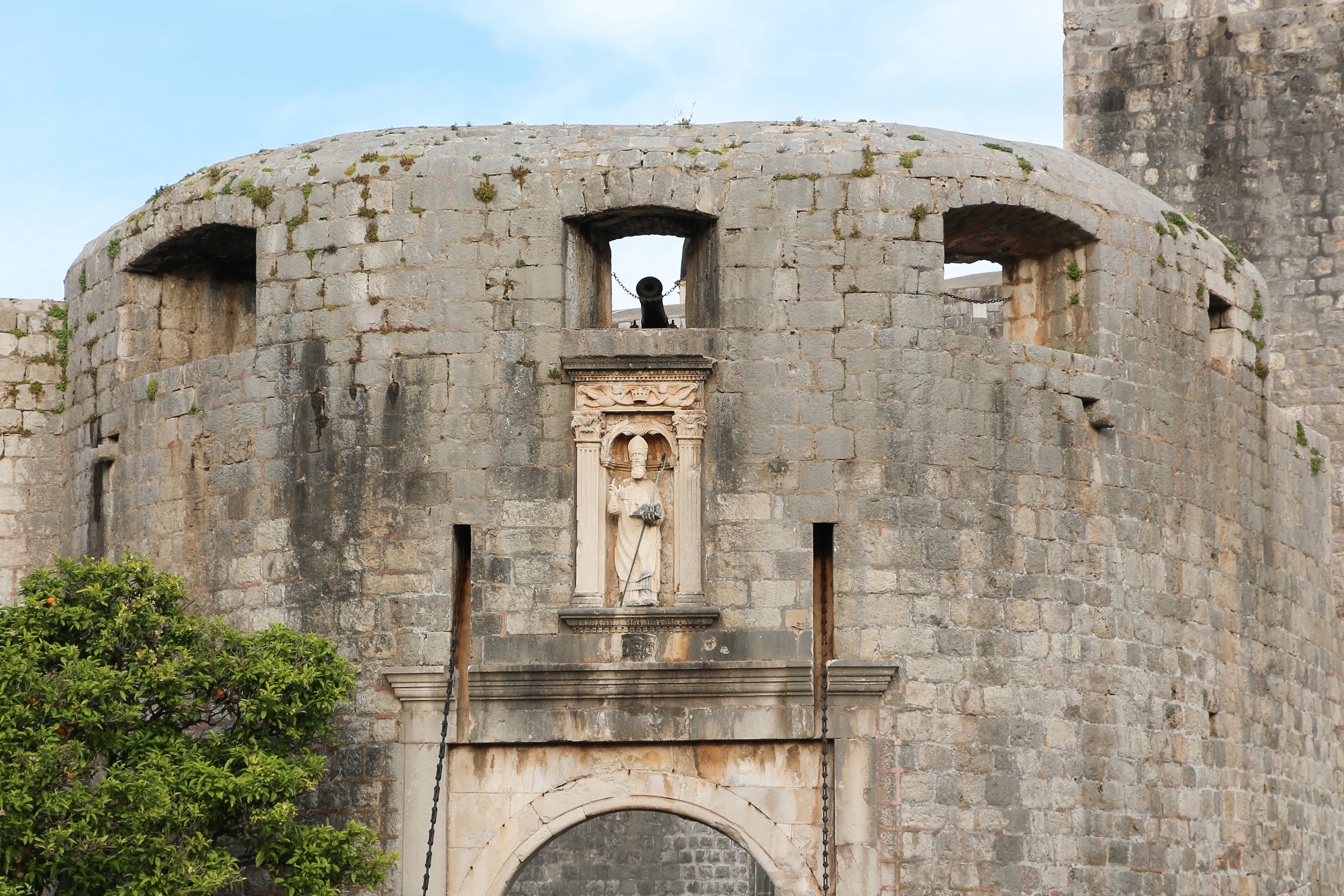
Dubrovnik Walking Tours
Dubrovnik Walking Tours runs small-group and private walks through the Old Town with guides who blend the real history of the Ragusan Republic with Game of Thrones location storytelling. Their morning wall-walk sessions are timed to beat the cruise crowds and include access strategy for the most popular viewpoints. The guides' fluency in Croatian primary sources — trade records, diplomatic dispatches, siege accounts — elevates what could be a superficial pop-culture tour into a genuinely illuminating history lesson.
Secret Dubrovnik
Secret Dubrovnik specialises in taking visitors off the Stradun and into the city's quieter lanes, rooftop terraces, and monastery cloisters that most tourists never find. Their small-group tours (maximum eight people) focus on the social and political mechanics of the Ragusan Republic — how a city-state smaller than Central Park maintained independence for 451 years through trade, diplomacy, and strategic wall-building. Ideal for visitors who've already done the standard Old Town circuit and want to go deeper.
Season planner
When is the best time to visit Dubrovnik?
- May–June — Warm and uncrowded; best for early morning wall walks and Lokrum Island
- September–October — Peak recommendation: golden light, warm sea, civilised crowd levels
- July–August — Extremely busy; plan wall visits for 8 AM opening and retreat to shaded alleys by 11 AM
- December–February — Quiet and atmospheric; cool but walkable, with dramatically empty streets
- Cruise ship days — Check the port schedule; on the heaviest days, over 10,000 passengers arrive by 10 AM
Spring
Mar-May
Summer
Jun-Aug
Autumn
Sep-Nov
Winter
Dec-Feb
Each score averages that season’s monthly ratings out of 5. The top-rated window is usually the peak season too, so read the guidance above for its trade-offs before you book.
On the ground
How do you get around Dubrovnik?
- Pedestrian-only Old Town — No vehicles inside the walls; all movement on foot through steep stone streets
- City bus lines — Essential for reaching Lapad beach hotels and the Gruž ferry terminal from the Pile Gate stop
- Water taxis — Operate from the Old Harbour to Lokrum Island (15 min), Cavtat, and the Elaphiti Islands
- Srđ cable car — Departs near the Buža Gate; panoramic views and the Croatia 1991 Museum on the summit
- Early arrival essential — Old Town hotels are limited; staying inside the walls offers priceless access but books months ahead for summer
- Tipping — €10–15 for free walking tours, 10% for private guides; restaurants follow standard European practice
Frequently Asked Questions
When is the best time to visit Dubrovnik?
September and October deliver the finest Dubrovnik experience — warm enough to swim, uncrowded enough to walk the city walls without queuing, and bathed in the golden afternoon light that makes the limestone glow. May and June are excellent for similar reasons, with spring wildflowers on Lokrum Island and uncrowded restaurants. July and August bring extreme crowds: on the busiest days, over 10,000 cruise passengers land simultaneously, and the walls become genuinely uncomfortable by mid-morning. If you must visit in peak summer, be on the walls by 8 AM when they open and retreat to shaded alleys by 11 AM.
How do you get around Dubrovnik Old Town?
The entire walled Old Town is pedestrian-only — no vehicles, no bikes. The main artery is the Stradun (also called Placa), a 300-metre marble promenade from Pile Gate to the Old Harbour. Side streets rise steeply uphill through stone staircases too narrow for anything wider than a person. The cable car to Srđ hill departs from just outside the Buža Gate. Water taxis connect the Old Harbour to Lokrum Island (15 minutes) and the beaches of Banje. City buses operate between the Old Town, Lapad peninsula hotels, and the port — essential for reaching accommodation outside the walls.
How much do Dubrovnik tour guides cost?
Free walking tours (tip-based) depart from the Pile Gate area multiple times daily — a tip of €10–15 is customary. Private half-day guides covering the walls, Stradun, and Rector's Palace run €120–180 for up to six people. Specialist Game of Thrones location tours cost €40–80 per person in small groups or €150–250 private. The city walls entry fee is €35 for adults (included in some tour packages). Secret Dubrovnik and Dubrovnik Walking Tours offer well-regarded guided options at competitive prices.