
Split timeline
-
Palace completed
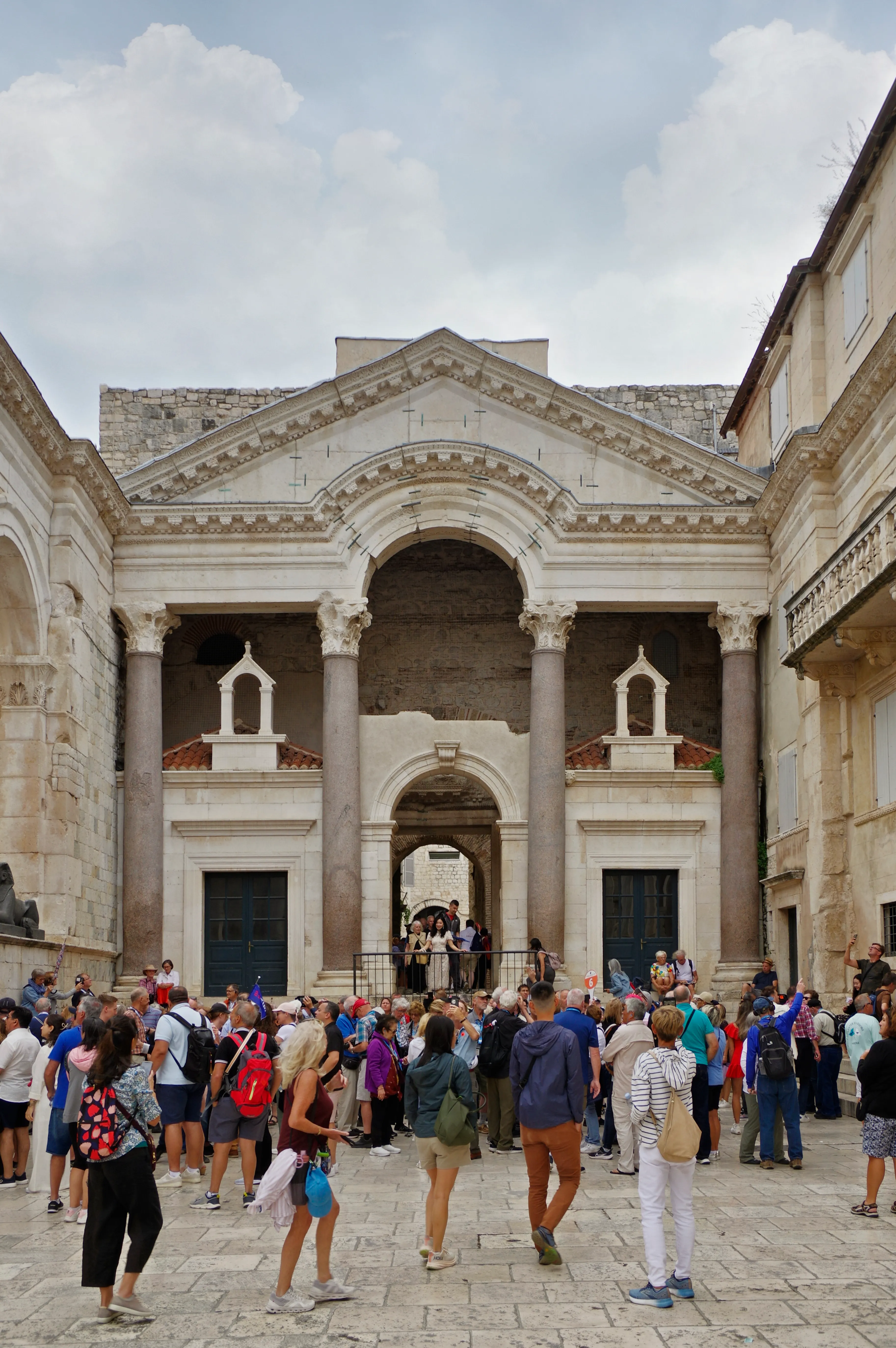
Diocletian's Palace, built between 295 and 305 CE, was a vast fortress-palace complex of 30,000 square metres, and it has been continuously inhabited ever since
-
Palace completed
Diocletian's Palace was completed around 305 CE as the emperor's retirement home.
- 7th century
Cathedral completed
Diocletian's octagonal mausoleum, built to honour an emperor who persecuted Christians, was converted into a Christian cathedral around the 7th century and has.
- 20th century
Diocletian's substructure
Diocletian's substructure — built to level the uneven terrain beneath the palace — survived intact because medieval inhabitants used it for rubbish dumping; cleared in.
Cited city facts
Key facts for visiting Split
Diocletian's Palace was completed around 305 CE as the emperor's retirement home
Roman Emperor Diocletian abdicated in 305 CE and retired to the fortress-palace he had spent ten years building on the Dalmatian coast; no Roman emperor before him had voluntarily relinquished power, and historians still debate whether the palace's extraordinary scale reflects imperial ego or genuine retirement planning
Split's Cathedral of St Domnius is the oldest Catholic cathedral in the world in continuous use in its original structure
Diocletian's octagonal mausoleum, built to honour an emperor who persecuted Christians, was converted into a Christian cathedral around the 7th century and has functioned as Split's main church ever since — a theological irony unique in all of Christendom
Split is Croatia's second-largest city with approximately 170,000 inhabitants
As both the commercial capital of Dalmatia and the main ferry hub for the central islands, Split has grown far beyond its Roman and medieval core into a modern regional city — yet the inhabited palace at its heart remains the most dramatic urban archaeological site in Europe
The palace's underground cellars cover 6,500 square metres of intact Roman infrastructure
Diocletian's substructure — built to level the uneven terrain beneath the palace — survived intact because medieval inhabitants used it for rubbish dumping; cleared in the 20th century, the cellars now reveal the Roman ground plan of the entire imperial residence and serve as one of the palace's most popular attractions
Source: tour-guide.com — Free to cite with attribution
Things to see
What are the top attractions in Split?
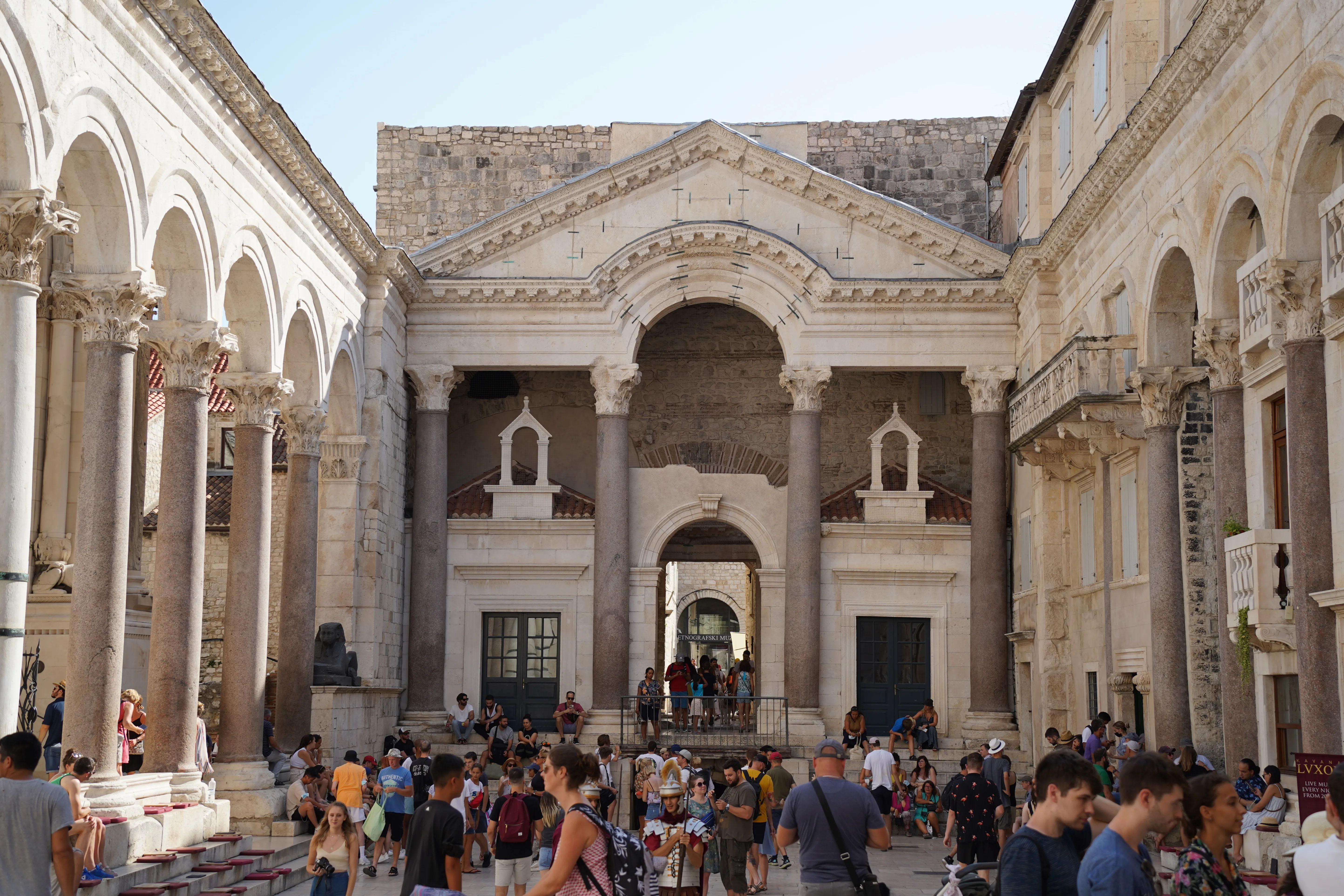
- Diocletian's Palace — Walk the underground cellars, emerge into the Peristyle, visit the emperor's mausoleum-turned-cathedral
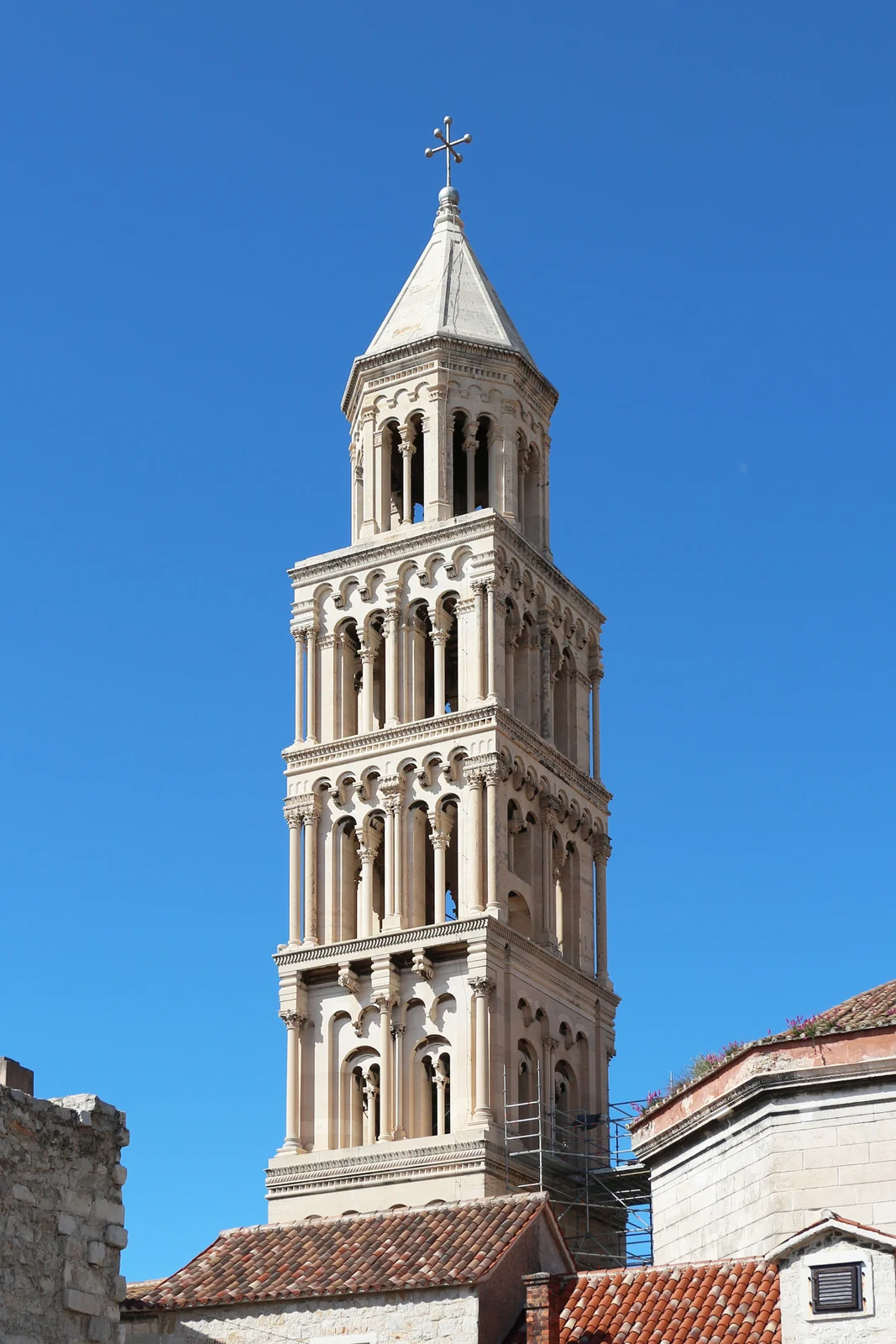
- Cathedral of Saint Domnius — Climb the Romanesque bell tower for panoramic views over the palace rooftops and the harbour
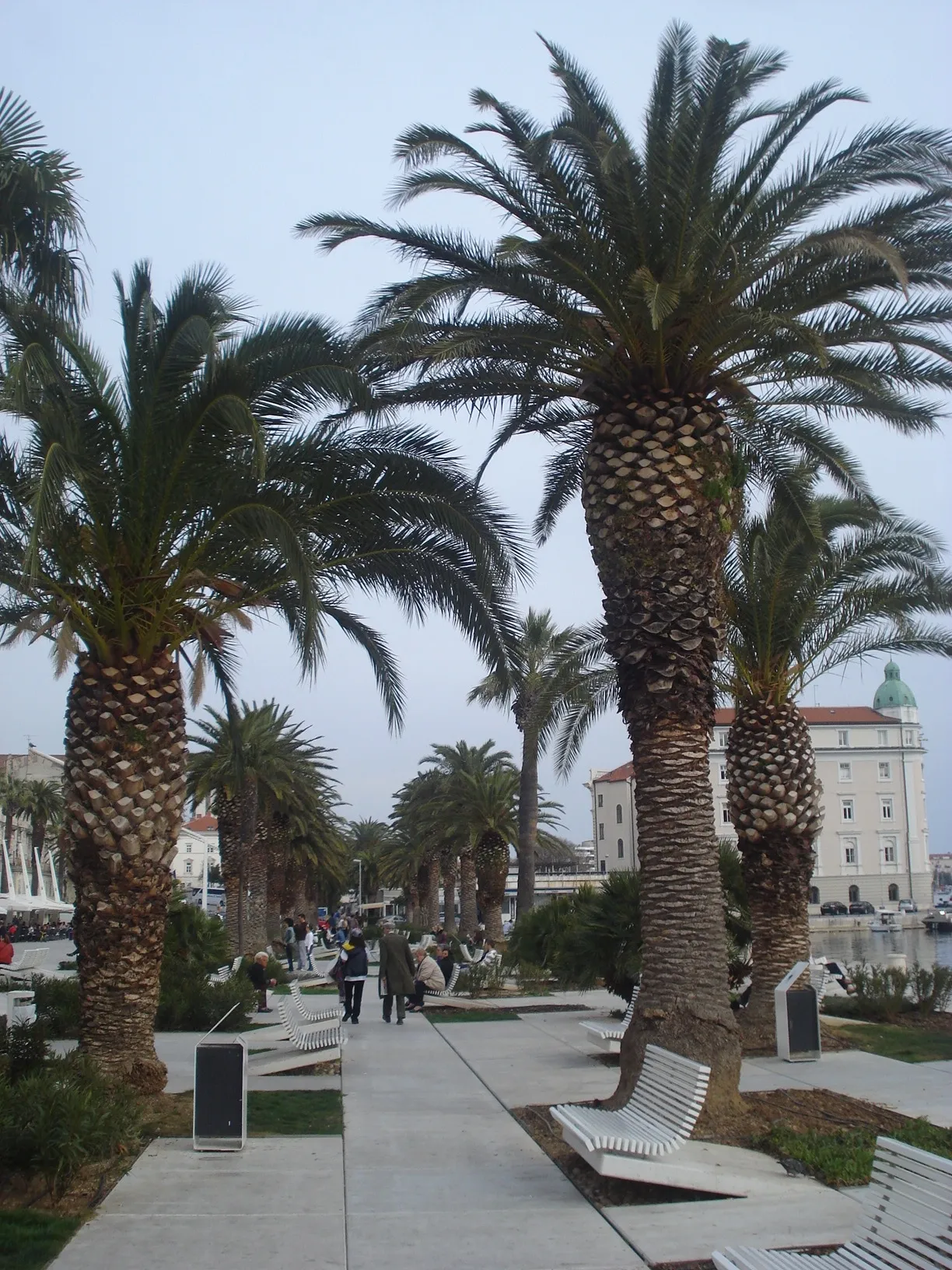
- Riva Waterfront — The palm-lined promenade where Split's social life plays out, backed by the palace's original sea-facing wall
- Meštrović Gallery — The former home and studio of Croatia's greatest sculptor, Ivan Meštrović, with an outstanding permanent collection
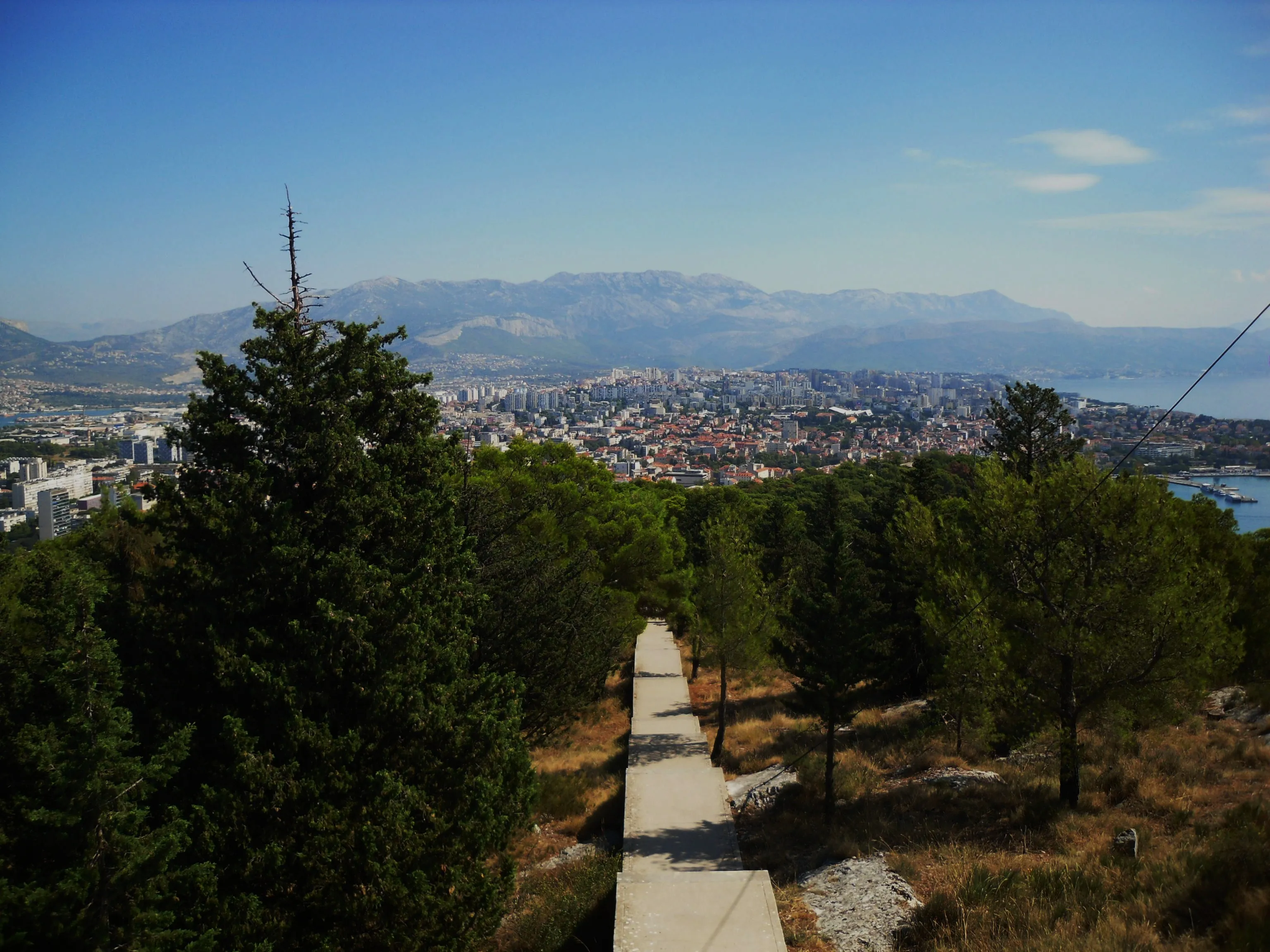
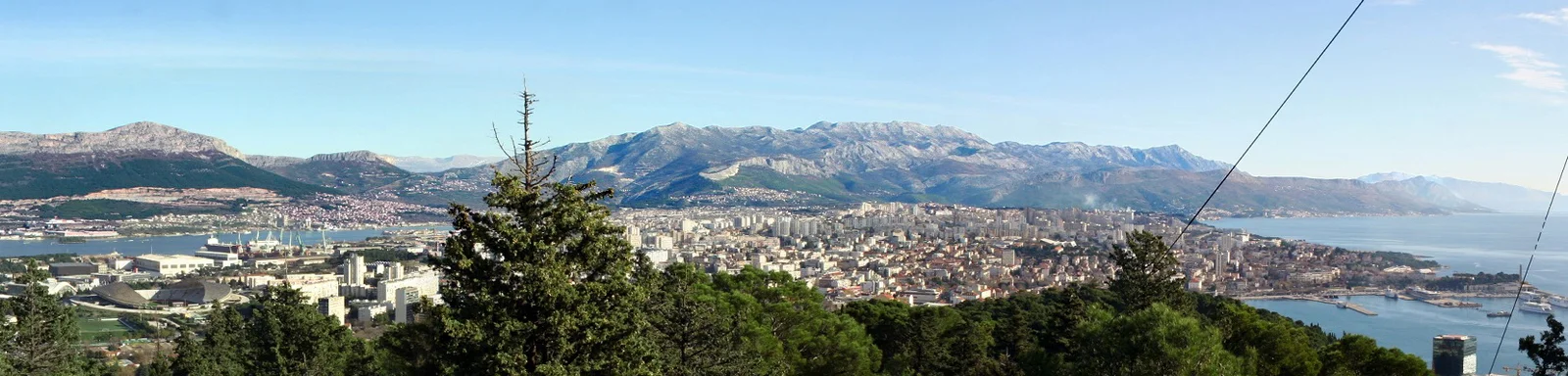
- Marjan Hill — A forested peninsula west of the old town offering walking trails, sea views, and a welcome escape from summer crowds
- Pazar Market — Daily morning market on the eastern palace wall; the best place to buy Dalmatian olive oil, figs, and island lavender
- Ferry to Hvar — Fast catamaran (1 hr) to Croatia's most glamorous island; day trip or overnight from Split's harbour
Diocletian's Palace
A Roman emperor built his retirement here in 305 CE — 3,000 people never left
Marjan Hill
The forested headland where locals have escaped the city since the 1300s
Riva Waterfront Promenade
Split's seafront living room, where the whole city comes out at dusk
Guide planning
How much does a tour guide cost in Split?
Licensed guides certified by the Croatian Ministry of Tourism are required for guided access to the palace's underground cellars and can arrange priority entry during peak hours.
Book a Local Guide
The guides below are independent local businesses we recommend purely on editorial merit. We don't sell placement and we earn no commission when you book with them — see our booking and affiliate disclosure.
Season planner
When is the best time to visit Split?
- May–June — Ideal temperatures, manageable crowds, island ferries running full schedules
- September–October — Best overall: warm sea, light crowds, atmospheric evening light on Roman stone
- July–August — Very busy; palace interior and ferry terminals crowded, but energetic and full of life
- Winter — Split functions as a real city: locals take over the Riva, fish market is outstanding, accommodation cheap
- Morning visits — Diocletian's cellars are best at opening (9 AM); Peristyle catches extraordinary morning light
Spring
Mar-May
Summer
Jun-Aug
Autumn
Sep-Nov
Winter
Dec-Feb
Each score averages that season’s monthly ratings out of 5. The top-rated window is usually the peak season too, so read the guidance above for its trade-offs before you book.
On the ground
How do you get around Split?
- Compact old town — Entire palace and immediate surroundings walkable in under 20 minutes
- Ferry terminal — Jadrolinija and Krilo catamarans to Hvar, Brač, Korčula, and outer islands; book summer car ferries early
- City buses — Reach Bačvice beach, Meštrović Gallery, and Kaštela from the main bus stop near the Riva
- Trogir day trip — Bus line 37 runs every 20 minutes along the coastal road to this UNESCO-listed town (30 min)
- Split Card — Available at the tourist board; covers city museums and some transport
- Tipping — €10–12 for free walking tours, 10% for private guides; café tipping follows local custom (round up)
Split in Pictures
Frequently Asked Questions
When is the best time to visit Split?
May, June, and September are ideal — warm enough to enjoy the Riva waterfront cafés and take ferries to Hvar and Brač, but without the wall-to-wall crowds that descend in July and August. Split functions as the primary ferry hub for the Dalmatian islands, so peak summer brings a logistical energy that can feel exhilarating or exhausting depending on your travelling style. October is underrated: sea temperatures remain warmly swimmable, Diocletian's Palace is serene, and accommodation prices drop sharply. Winter makes Split feel genuinely Croatian again — the Riva fills with locals rather than tourists, and the morning fish market at the Pazar is spectacularly lively.
How do you get around Split?
The historic core of Split — Diocletian's Palace and the surrounding old town — is compact and entirely walkable. The Riva waterfront promenade runs along the southern edge of the palace and serves as Split's living room: café tables, palm trees, and a constant flow of people. Jadrolinija ferries to Hvar, Brač, Korčula, and the outer islands depart from the Stari Grad ferry terminal, a short walk west of the Riva. City buses reach the beach districts of Bačvice and Meje. For Trogir (a UNESCO-listed town), local buses run every 20 minutes along the coastal road.
How much do Split tour guides cost?
Free walking tours depart from the Peristyle courtyard inside Diocletian's Palace — tip-based, with €10–12 customary for a 90-minute walk. Private half-day tours of the palace, its underground cellars, and the Cathedral of St Domnius run €100–160 for groups up to six. Specialist archaeological guides with university-level training charge €150–250 for a half-day covering the palace's Roman substructure in serious depth. Island day trips combining Split orientation with a ferry to Hvar are widely available from €50–90 per person in small groups.