
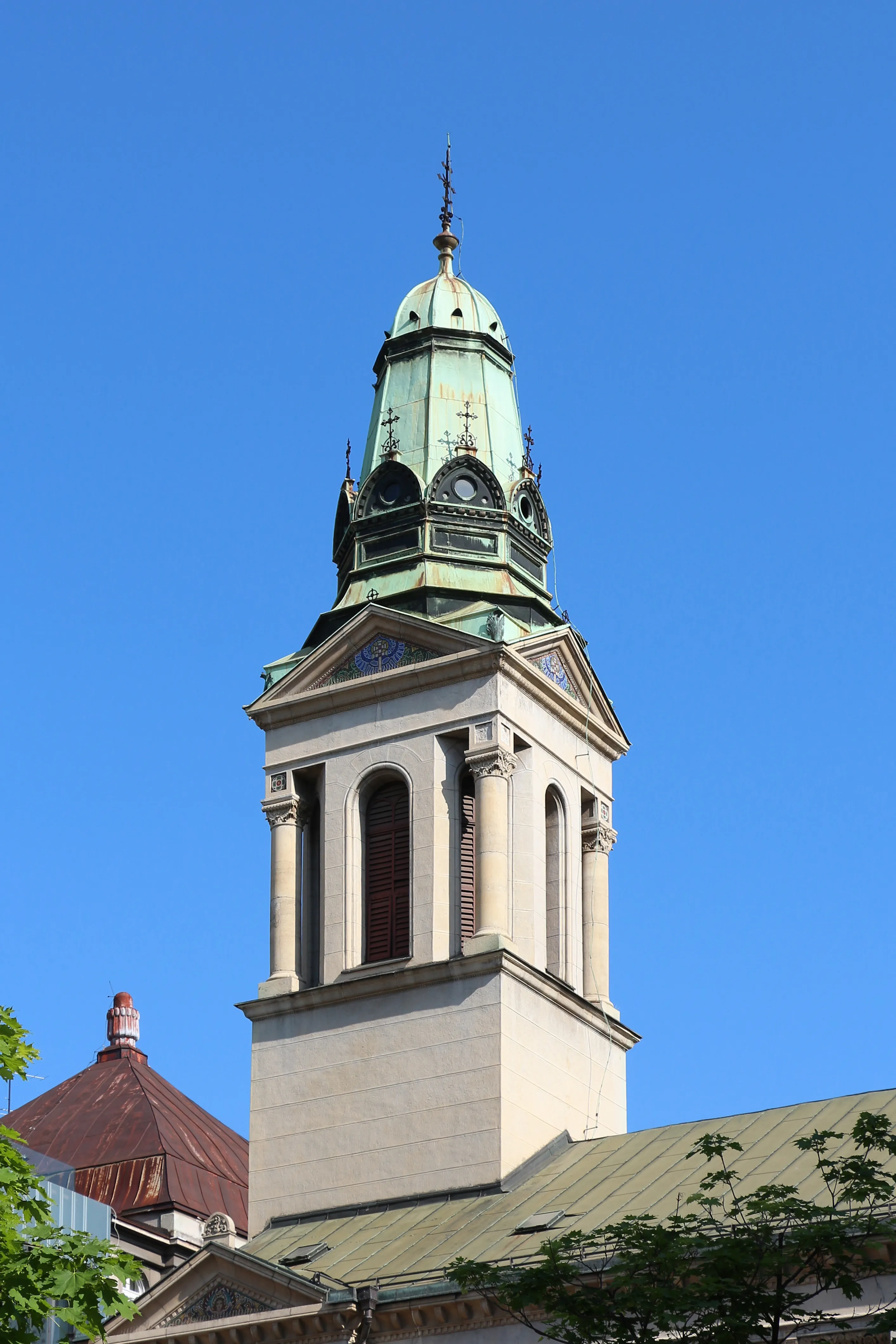
Zagreb timeline
-
Diocese founded
The Zagreb bishopric anchored the cathedral hill and the city's medieval identity.
-
Free royal town
The Golden Bull granted Gradec privileges that still define the upper-town story.
-
Croatian capital role
Zagreb emerged as the political center of Croatia under Habsburg rule.
-
Independent capital
Modern Croatian independence made Zagreb the capital of a sovereign state.
Cited city facts
Key facts for visiting Zagreb
The Zagreb funicular, opened in 1890, is one of the world's shortest public funiculars at 66 metres
The Uspinjača funicular connects Lower Town's Ilica street to the Upper Town (Gornji Grad) in a single, slightly vertiginous minute — a beloved Zagreb institution that locals still use daily despite the existence of perfectly adequate staircases alongside it
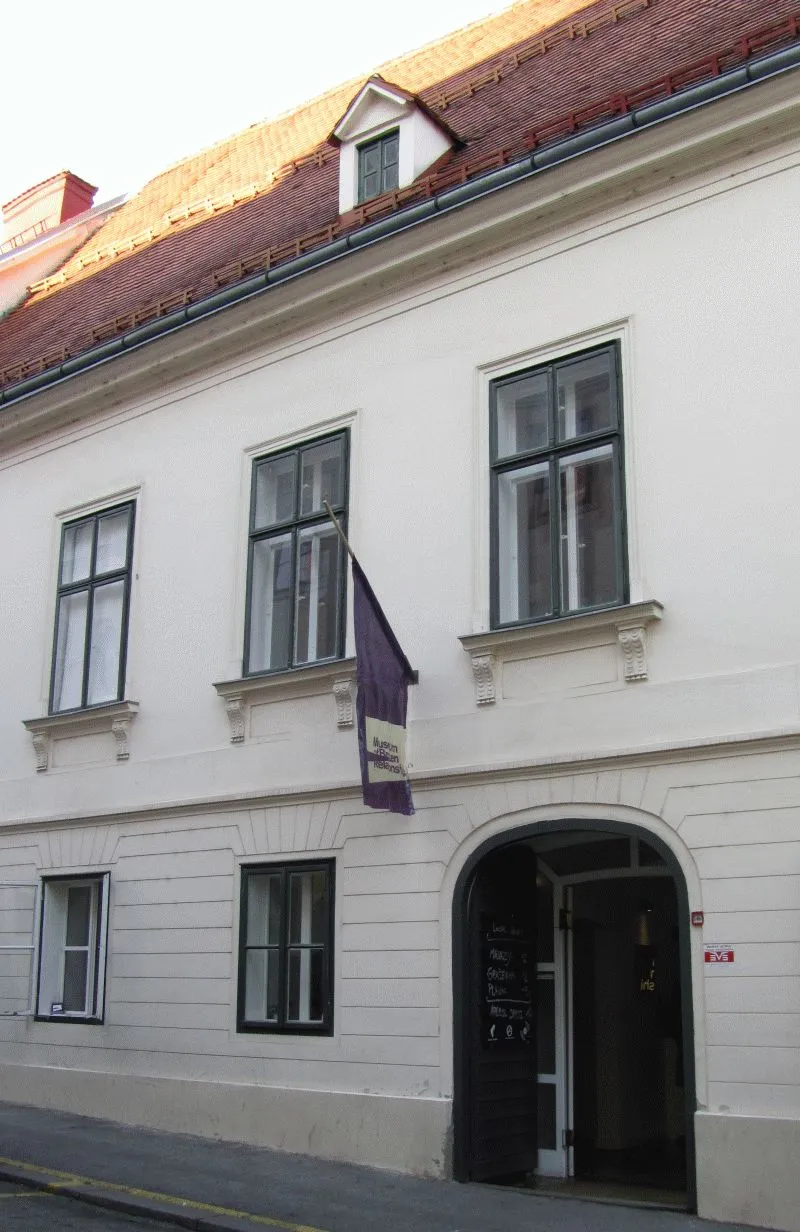
The Museum of Broken Relationships won the Kenneth Hudson Award for Europe's most daring museum in 2011
Founded by artists Olinka Vištica and Dražen Grubišić in Zagreb in 2006, the museum grew from a personal breakup art project into a globally travelling collection of donated objects from ended relationships, each accompanied by an anonymous story — a genuinely original contribution to museum practice
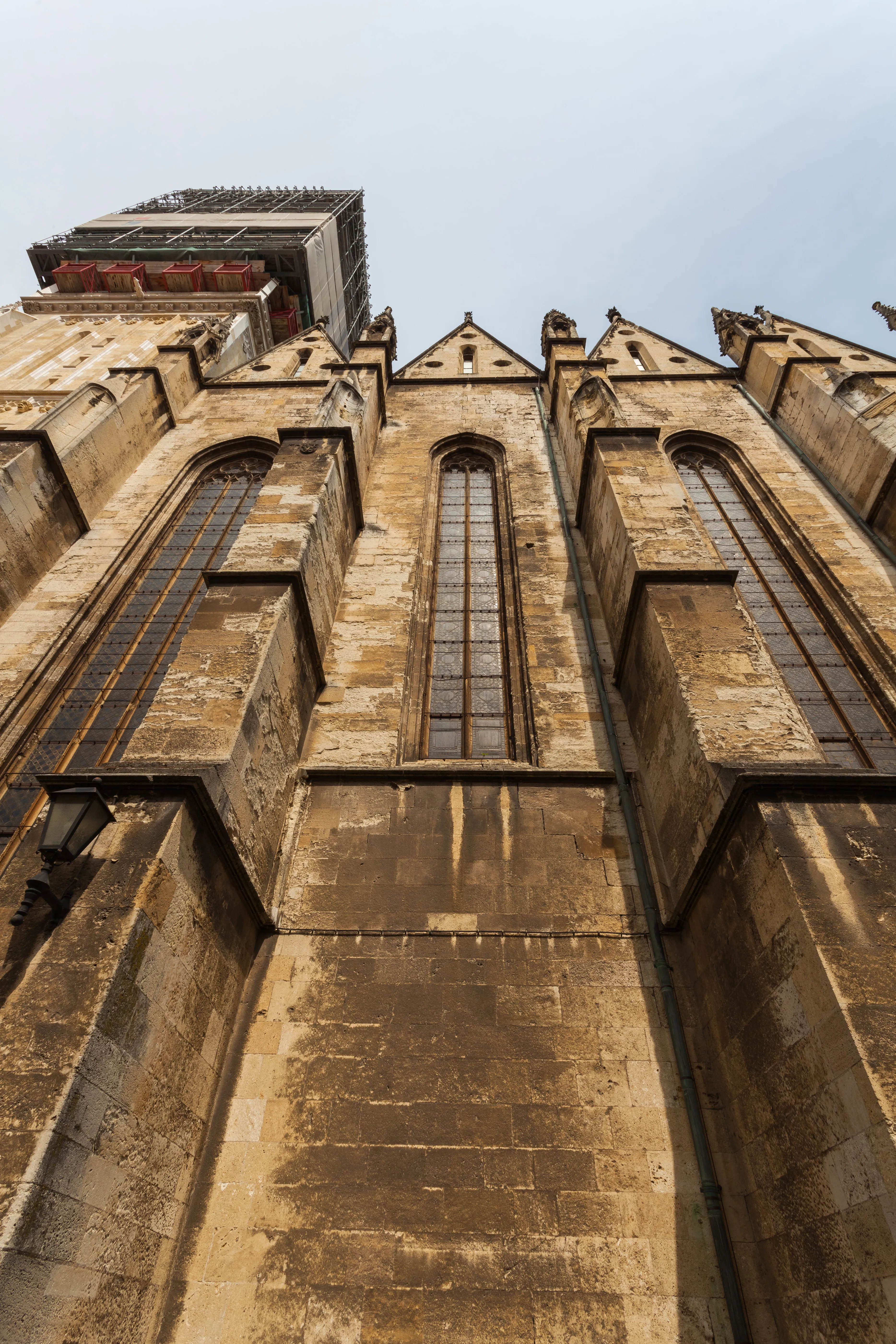
Zagreb Cathedral has been rebuilt after two major earthquakes in 1880 and 2020
The 2020 Zagreb earthquake (magnitude 5.5) toppled one of the cathedral's two spires and caused widespread damage across the historic centre; restoration work continues, making Zagreb Cathedral a living document of Croatia's seismic vulnerability and architectural resilience
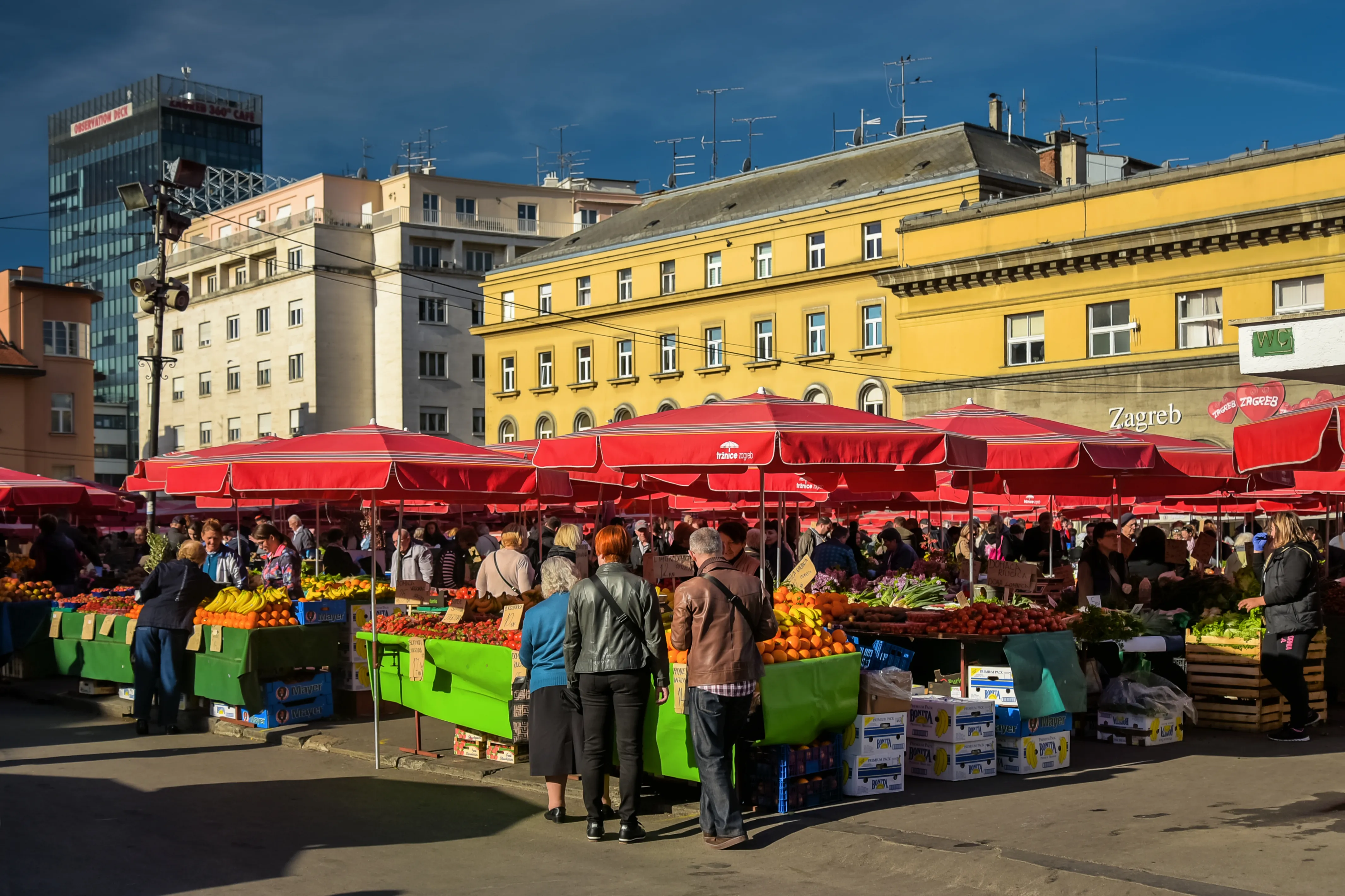
Dolac market has operated above Ban Jelačić Square since 1930
The open-air market on a raised terrace above the square — nicknamed the "belly of Zagreb" — draws farmers from the surrounding Zagorje region and the Dalmatian coast every day of the week, thinning to a quieter spread on Sundays, with the indoor hall beneath the terrace selling fish, dairy, and specialist Slavonian meats year-round
Source: tour-guide.com — Free to cite with attribution
Things to see
What are the top attractions in Zagreb?
- Museum of Broken Relationships — Europe's most emotionally daring museum, in a baroque palace in Gornji Grad
- Gornji Grad (Upper Town) — Cobblestone medieval quarter with St Mark's Church, the Lotrščak Tower, and sweeping Lower Town views
- Zagreb Cathedral — Twin neo-Gothic spires and an earthquake-tested interior; the treasury holds some of Croatia's finest medieval liturgical art
- Dolac Market — Vibrant open-air market above Ban Jelačić Square; best visited Tuesday, Friday, and Saturday mornings
- Tkalčićeva Street — Zagreb's most beloved café-bar strip, running through the valley between Gornji and Donji Grad
- Mimara Museum — One of Central Europe's most eclectic private collections: Old Masters, Asian art, and glass in a neo-Renaissance building
- Uspinjača Funicular — The world's shortest public cable-operated funicular, connecting Lower to Upper Town in 66 seconds
Dolac Market
A sea of red parasols above Zagreb — the open-air farmers' market locals call the city's belly
Museum of Broken Relationships
Europe's most emotionally honest museum — objects from ended relationships, donated from around the world
Zagreb Cathedral
Twin neo-Gothic spires above Kaptol — Croatia's tallest building and its spiritual heart
Guide planning
How much does a tour guide cost in Zagreb?
Zagreb guides certified by the Croatian Ministry of Tourism offer tours of both the Upper and Lower Town districts and can arrange priority entry to popular museum sessions.
Book a Local Guide
The guides below are independent local businesses we recommend purely on editorial merit. We don't sell placement and we earn no commission when you book with them — see our booking and affiliate disclosure.
Season planner
When is the best time to visit Zagreb?
- April–May — Café terraces open, gardens green, Dolac at its spring best
- September–October — Museum crowds manageable, harvest produce at Dolac, golden light in the parks
- December — Zagreb's Christmas market ranked among Europe's finest; festive atmosphere unmatched on the coast
- July–August — Quieter than coastal Croatia; locals on holiday, tourist crowds lighter than Dubrovnik
- Rainy days — Zagreb's museum density makes it ideal even in poor weather; cafés provide reliable shelter and excellent coffee
Spring
Mar-May
Summer
Jun-Aug
Autumn
Sep-Nov
Winter
Dec-Feb
Each score averages that season’s monthly ratings out of 5. The top-rated window is usually the peak season too, so read the guidance above for its trade-offs before you book.
On the ground
How do you get around Zagreb?
- Tram network — ZET trams connect Ban Jelačić Square to the train station, Dolac market, and most neighbourhood destinations
- Funicular (Uspinjača) — 66-second ride from Ilica street to Gornji Grad; operates daily, fare under €1
- Walkable core — Both Upper and Lower Town are easily explored on foot; the complete old-town circuit takes 2–3 hours
- Airport bus — Pleso Prijevoz bus to the main bus terminal, then tram to centre; about 45 minutes total
- Day trips — Plitvice Lakes (2 hours by bus), Trakošćan Castle (1 hour), and the Zagorje wine region all accessible without a car
- Tipping — €10–12 for free walking tours, 10% for private guides; round up at cafés as is Zagreb custom
Frequently Asked Questions
What is the capital of Croatia?
Zagreb is the capital city of Croatia — the country's largest and main city, with about 770,000 residents in the city proper and some 1.1 million across the wider metropolitan area. Set inland on the Sava River at the southern foot of Mount Medvednica, roughly 120 kilometres from the nearest Adriatic coast and close to the Slovenian and Hungarian borders, Zagreb has been the seat of Croatian political, cultural, and economic life for centuries, and the nation's official capital since Croatia declared independence in 1991.
Is Dubrovnik the capital of Croatia?
No — Croatia's capital is Zagreb, not Dubrovnik. The mix-up is common because Dubrovnik and Split are the country's most famous and most photographed cities, but both are coastal holiday destinations rather than the seat of government. Croatia's parliament, national ministries, and head-of-state offices all sit inland in Zagreb, along with the country's main universities and national museums. If you are travelling to see Croatia's political and cultural centre rather than its beaches, Zagreb is the capital you want.
Is Zagreb the capital of Croatia?
Yes — Zagreb is the capital of Croatia, and has served as the seat of the Croatian state since the country gained independence in 1991. The Croatian Parliament (Sabor) and the government's Banski dvori palace stand together on St Mark's Square in the historic Upper Town (Gornji Grad), while the president's official residence sits a little to the west at Pantovčak (Predsjednički dvori) — all within Zagreb, the country's administrative and university hub. Coastal Split and Dubrovnik may be more famous with visitors, but neither holds any capital or government role.
How many days do you need in Zagreb?
Two days is enough to enjoy Zagreb at a relaxed pace. The historic core is small and walkable: one day covers the medieval Upper Town (Gornji Grad), St Mark's Church, the cathedral, and the Museum of Broken Relationships, with a ride up the 66-second funicular. The second day suits the Lower Town museums, the Dolac morning market, and the café terraces of Tkalčićeva street. A third day opens up day trips to the Plitvice Lakes or the Zagorje castles north of the city. Our Zagreb trip planner turns those days into a day-by-day itinerary, with tour costs, transport, and the best months to come.
Is Zagreb worth visiting?
Yes — if you come for culture rather than coastline. Zagreb rewards a two-day stop for anyone who enjoys café terraces, walkable historic quarters, and one of Europe's densest museum scenes: the Museum of Broken Relationships, the Mimara, and more than thirty other collections sit within a compact centre, and the December Advent market has been voted Europe's best more than once. Skip it if your trip is short and beach-focused — Croatia's capital is a landlocked Central European city about 120 kilometres from the sea, so travellers with only a week for the Dalmatian coast are usually better served by Split or Dubrovnik. Come to Zagreb for the coffee culture, the earthquake-scarred cathedral, and the cobbled Gornji Grad lanes rather than for swimming.
What is Zagreb known for?
Zagreb is known for its café culture, its unusually dense museum scene, and — improbably — the necktie. The Saturday-morning špica, when much of the city dresses up to see and be seen over coffee on the terraces around Bogovićeva and Tkalčićeva street, is a genuine local ritual rather than a tourist performance, and it captures the capital's unhurried social character better than any single monument. Beyond the coffee, the city is famous for the Museum of Broken Relationships — a one-of-a-kind collection of donated mementoes from ended love affairs — and for an Advent market repeatedly voted Europe's best. Zagreb even has a claim on the modern necktie: seventeenth-century Croatian soldiers wore the knotted neckerchiefs that gave French the word cravate, a heritage the city still marks with a ceremonial Cravat Regiment and the Croata boutiques along Ilica.
When is the best time to visit Zagreb?
April–May and September–October are Zagreb at its finest — the outdoor café terraces of Tkalčićeva street are in full swing, the Dolac market overflows with spring or autumn produce, and the museum scene is lively. December is genuinely magical: Zagreb's Christmas market has been named Europe's best multiple times by the European Best Destinations guide, and the city's central squares fill with mulled wine stalls, ice rinks, and festive lights from late November through January. Unlike the Dalmatian coast, Zagreb rewards year-round visits — rain and winter cold send locals indoors to the café culture that defines the city's character.
When is Zagreb's Christmas market on?
Zagreb's Advent (Advent u Zagrebu) runs from late November to early January, and it is no ordinary Christmas market: European Best Destinations voted it the best in Europe three years running — in 2016, 2017, and 2018. Rather than filling a single square, the festivities spread across the centre: mulled-wine (kuhano vino) and fritule stalls line Ban Jelačić Square, the Zrinjevac park glows around its music pavilion, Tomislav Square hosts the Ledeni park ice rink, and candlelit concerts run through the Upper Town. Most stalls open from late morning to late evening daily through the first week of January. Our Zagreb trip planner maps out a December visit, from the Advent opening dates to pairing the market with the Upper Town museums.
How do you get around Zagreb?
Zagreb's historic core divides naturally into Upper Town (Gornji Grad), reached by a 66-second funicular from Ilica street, and Lower Town (Donji Grad), centred on Ban Jelačić Square. Both are comfortably walkable. The city's tram network is excellent — trams 6, 11, and 12 connect the main train station, Ban Jelačić Square, and the Dolac market area. ZET trams run from around 4 AM to midnight. Taxis and Bolt ride-hailing are inexpensive compared to Western European capitals. The airport bus (about 35 minutes) runs to the bus terminal and onward by tram to the centre.
How much do Zagreb tour guides cost?
Free walking tours in Zagreb depart from Ban Jelačić Square — tip-based, with €10–12 conventional. Private half-day tours of Gornji Grad, the Cathedral, and the Museum of Broken Relationships run €90–150 for groups up to six. The Zagreb Free Tour offers a reliable introduction to the capital. Specialist art and architecture guides with museum expertise charge €120–200 for targeted visits to the Mimara Museum, Croatian Museum of Naive Art, or the Museum of Arts and Crafts.