
Planning the Perfect Trip to Limerick
How to plan a trip to Limerick: when to go, how many days you need, where to stay, which County Clare tours are worth booking, and what it all costs.
Updated · 9 min read
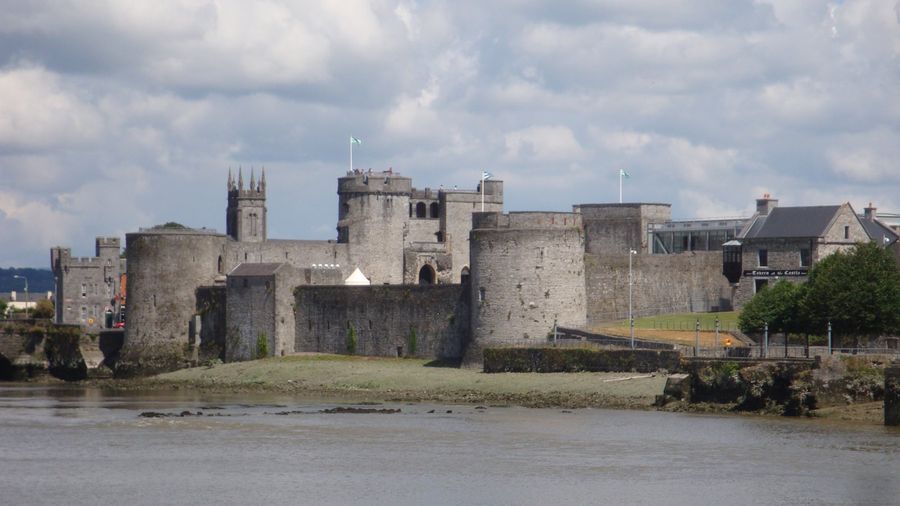
Limerick is one of Ireland's most underrated city breaks, and the reason is geography. It sits at the lowest bridging point of the River Shannon, which made it a Viking stronghold, a Norman fortress town, and today the natural base for exploring County Clare. A good trip here balances two things: a compact medieval and Georgian city you can walk in a day, and the Burren, the Cliffs of Moher, and Adare all within an easy drive beyond it.
This guide covers the decisions that shape the visit — when to come, how long to stay, where to sleep, which tours earn their price, and what it all costs — so you can plan around the city and its day trips rather than choosing between them.
When to Visit
June through August is the most reliable window, when Clare's coast and the Burren's wildflowers are at their best and the city's student energy carries into long, bright evenings.
Those months bring the warmest weather, roughly 17–20°C, and the longest days, though they also draw the heaviest crowds to the Cliffs of Moher. May is the quiet connoisseur's choice: the Burren reaches its botanical peak, with spring gentians, orchids, and mountain avens flowering together across the limestone, while prices and queues stay low.
If rugby interests you, time a visit to the Munster season between September and May, when a European Champions Cup match at Thomond Park fills the city with red jerseys and an atmosphere locals treat as civic religion. Winter is short on daylight and often wet, but it rewards visitors with uncrowded castle tours, warm pubs, and lower room rates across Limerick.
How Many Days You Need
Give Limerick two to three days: one for the city itself and at least one full day for County Clare, which is the real reason to base yourself here.
| Length of stay | What it realistically covers |
|---|---|
| 1 day | King John's Castle, the Hunt Museum, and a walk through Georgian Newtown Pery |
| 2 days | The above plus a full-day Cliffs of Moher and Burren circuit |
| 3–4 days | Adds Adare, the Shannon estuary dolphins, and a slower pace for pubs and trad music |
A single day covers the medieval core on King's Island and the Georgian grid to its south, but it forces you to skip Clare entirely — and Clare is what most visitors remember. Two days is the sweet spot for a first trip, with a third unlocking the thatched village of Adare, the Doolin trad pubs, or a dolphin-watching boat on the Shannon estuary.
Where to Base Yourself
Stay in or just south of the centre and you can walk to nearly every sight, with King's Island, the Georgian quarter, and the river all within twenty minutes on foot.
The medieval quarter on King's Island puts you beside King John's Castle and St Mary's Cathedral, the oldest building in continuous use in the city. It is atmospheric but quiet after dark. The Georgian centre around O'Connell Street — the heart of the 18th-century Newtown Pery grid — has the hotels, restaurants, and nightlife, and stays an easy flat walk from the castle.
Travellers arriving by train sometimes stay near Colbert Station at the grid's southern edge, which is handy for onward connections but a little removed from the sights. Wherever you land, the compactness of the city means no central choice leaves you badly placed.
Choosing the Right Tour
Limerick's guide scene is smaller than Dublin's, but it covers the essentials well — the castle, the city's layered history, and the Clare day trips where a driver genuinely earns their fee.
| Tour type | Typical price (per person) | Best for |
|---|---|---|
| King John's Castle (self-guided) | €14 | Norman history, the multimedia exhibition, the courtyard |
| Angela's Ashes walking tour | €15–20 | Frank McCourt's lanes and 1930s social history |
| Burren & Cliffs of Moher day trip | €45–75 | A full day in Clare with transport included |
| Private city guide (half-day) | €130–200 | A tailored walk of the medieval and Georgian cores |
| Private Clare full-day guide | €280–400 | Flexible routing to the Burren, Cliffs, and Doolin |
In the city, the self-guided tour of King John's Castle is the anchor — its multimedia exhibition is unusually honest about the Viking and Norman origins — while an Angela's Ashes walking tour traces Frank McCourt's lanes for those who have read the memoir. The Hunt Museum needs no guide: its setting in the Georgian Custom House on Rutland Street is best explored at your own pace.
For County Clare, a tour is about access and logistics. Shared day trips from around €45 are the affordable way to reach the Cliffs of Moher without driving the narrow coast roads yourself, while a private driver-guide costs more but lets you set the pace between the Burren, Doolin, and Ennis. Book the private option well ahead in summer, when the best English-speaking guides fill up first.
Day Trips into County Clare
The single best day out of Limerick pairs the Burren's lunar limestone with the Cliffs of Moher, and it is easily done as a loop.
The Burren — a 250-square-kilometre limestone plateau where Arctic, Alpine, and Mediterranean wildflowers share the same pavement cracks — lies about 70 kilometres north, roughly 75 minutes by car through Ennis and Corofin. The Poulnabrone dolmen, a striking megalithic portal tomb, stands a short walk from the main road and makes a natural first stop.
From there the Cliffs of Moher are another 40 kilometres west, their 214-metre walls dropping sheer into the Atlantic. A satisfying full-day circuit takes in the Burren in the morning, the Cliffs in the afternoon, and dinner back in Ennis, Clare's market town. With more time, the thatched village of Adare southwest of the city and the Shannon estuary dolphins at Kilrush reward a second day out.
Getting Around
The city is small enough to cover entirely on foot, but a car is close to essential for County Clare, where public transport barely reaches the best scenery.
Within the city, King John's Castle, the Hunt Museum, and the Georgian quarter sit within a twenty-minute walk of one another, so you can leave the car parked. Getting to Limerick is straightforward too: trains from Dublin Heuston take about two hours, with direct services from Cork and Galway, all arriving at Colbert Station.
Bus Éireann runs regular coaches to Ennis (around 50 minutes), Cork (about 90 minutes), and Galway (roughly two hours), which is enough for town-to-town hops. For the Burren, Adare, and the Shannon estuary, though, hire a car or join a tour — the rural lanes are narrow, so take the smallest vehicle that suits your group, and remember Ireland drives on the left.
Budgeting Your Trip
Limerick is noticeably cheaper than Dublin or Galway for beds and meals, so the day trips, not the city itself, are what move your total.
| Expense | Budget | Mid-range |
|---|---|---|
| Hotel (double, per night) | €80–120 | €130–200 |
| Lunch / dinner per person | €12–20 | €30–50 |
| Castle or museum entry | €12–14 | — |
| County Clare day trip | Shared €45–75 | Private €280–400 |
Many of the city's pleasures cost nothing: walking King's Island, standing at the Treaty Stone where the 1691 Treaty of Limerick was signed, and following the Shannon's quays. Entry to King John's Castle runs about €14 and the Hunt Museum around €12. If a full-day private Clare guide is the centrepiece, decide early — that one choice shifts the budget more than anything else.
A Practical Checklist
A few decisions made before you arrive separate a smooth Limerick trip from a rushed one.
- Plan at least one full day for County Clare, and book private Clare guides ahead in summer
- Base yourself in or just south of the centre so the castle, cathedral, and museum are walkable
- Hire the smallest car you need for the Burren and Adare; the city itself needs none
- Visit in May for the Burren's wildflowers, or June–August for the warmest coastal weather
- Check Thomond Park tour times if you want the Munster Rugby story; the Hunt Museum is rarely crowded
- Pause at the Treaty Stone and cross Thomond Bridge for the classic view of King John's Castle
Give Limerick a couple of unhurried days and it quietly outgrows its old reputation. Between the Norman towers on King's Island, a private collection that would flatter a capital, and the limestone drama of Ireland's west coast an hour up the road, it turns out to be one of the country's most rewarding and least crowded bases.
Save Planning the Perfect Trip to Limerick
Save Planning the Perfect Trip to Limerick to your free account
Sign in or create a free account to keep this place in Saved places and add it to your trips.
Frequently Asked Questions
How many days do you need in Limerick?
Two days suit most first trips — one for the compact city, with King John's Castle, the Hunt Museum, and the Georgian streets, and one for a full-day Cliffs of Moher and Burren circuit in County Clare. A third day lets you add the village of Adare, the trad pubs of Doolin, or a dolphin-watching boat on the Shannon estuary without feeling rushed.
Do you need a car in Limerick?
Not for the city, which is small enough to cover on foot and reachable by train from Dublin, Cork, and Galway. But County Clare's best scenery — the Burren, the Cliffs of Moher, and Adare — has almost no public transport, so a hire car or an organised day tour is the practical way to see it. Ireland drives on the left, and the rural lanes are narrow.
What is the best time of year to visit Limerick?
June through August brings the warmest weather and the longest days, ideal for the Clare coast, though it is also the busiest. May is the quiet highlight for the Burren's wildflowers, which peak then. The Munster Rugby season from September to May fills Thomond Park with atmosphere on match days, while winter is wet and short on light but rewards visitors with uncrowded castle tours and lower room rates.
Is Limerick worth visiting, or just a base for County Clare?
It is both. Limerick has genuine sights of its own — King John's Castle is one of Ireland's best-preserved Norman fortresses, the Hunt Museum holds an exceptional private art collection, and St Mary's Cathedral dates from 1168 — all walkable in a day. But its position at the gateway to County Clare, an hour from the Cliffs of Moher and the Burren, is what makes it such a rewarding, underrated base.