
Limerick timeline
-
Limerick was founded by Vikings
Limerick was founded by Vikings in 812 CE.
-
St Mary's Cathedral
— Built in 1168 on the site of the Viking palace;
-
King John's Castle has stood on King's Island
King John's Castle has stood on King's Island since 1210.
-
Limerick turning point
The Treaty of Limerick (1691) ended the Williamite War in Ireland.
Cited city facts
Key facts for visiting Limerick
King John's Castle has stood on King's Island since 1210
Commissioned by King John of England (of Magna Carta fame) on the site of an earlier Norse settlement, the castle was built to consolidate Norman control of the Shannon crossing. Its five towers, curtain walls, and twin D-shaped gate towers survive largely intact, making it one of the best-preserved Anglo-Norman fortifications in Ireland
Limerick was founded by Vikings in 812 CE
The Norse established a fortified longphort at the tidal limit of the Shannon — the same strategic logic that placed Viking settlements at Dublin, Waterford, and Wexford. The island of King's Island, where King John's Castle stands, was the core of the Viking and subsequently Norman town
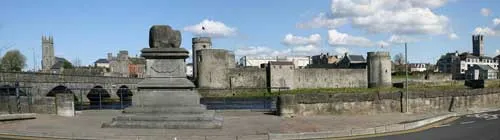
The Treaty of Limerick (1691) ended the Williamite War in Ireland
Signed at the Treaty Stone on the west bank of the Shannon, the Treaty of Limerick ended the siege of the city following the Jacobite defeat at the Battle of the Boyne. The treaty guaranteed religious freedoms for Irish Catholics — freedoms that were subsequently broken by the Penal Laws, a betrayal that shaped Irish Catholic political consciousness for two centuries
Frank McCourt's Angela's Ashes depicted Limerick's 1930s poverty
The Pulitzer Prize-winning 1996 memoir by Limerick-born Frank McCourt described the grinding poverty of the city's lanes in the Great Depression era. The book created a tourism phenomenon that brought visitors to Angela's Ashes walking tour routes in the lanes of the old city — a complex legacy for a city simultaneously proud of its native son and stung by his portrayal
Source: tour-guide.com — Free to cite with attribution
Things to see
What are the top attractions in Limerick?
- King John's Castle — 13th-century Norman fortress on King's Island; intact towers and an honest multimedia history exhibition
- Hunt Museum — The most eclectic private collection in Ireland: Picasso, Etruscan bronzes, pre-Columbian gold, and a possible Leonardo
- Georgian Newtown Pery — The 18th-century planned grid south of the medieval core; O'Connell Street's Georgian terraces
- St Mary's Cathedral — Built in 1168 on the site of the Viking palace; the oldest building in continuous use in Limerick
- Thomond Park — Home of Munster Rugby; the venue where they beat the All Blacks in 1978
- Adare — 16 km southwest; thatched cottages, a Franciscan friary, and the Trinitarian priory in Ireland's most photogenic village
- Burren and Cliffs of Moher — Full-day circuit north through County Clare; limestone flora, megalithic tombs, 214-metre sea cliffs
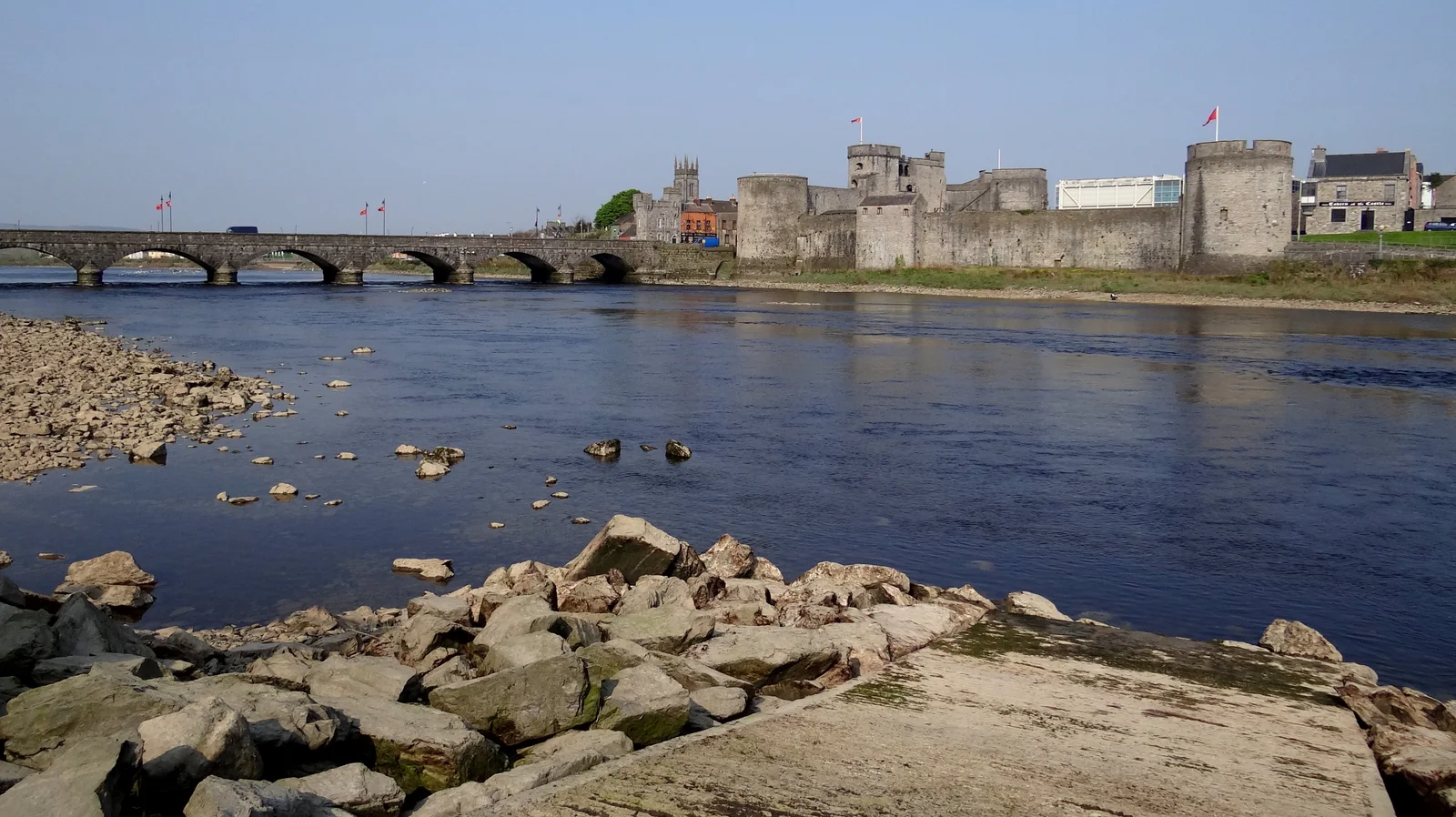
King John's Castle
A curtain-walled Norman keep guarding the lowest crossing of the River Shannon
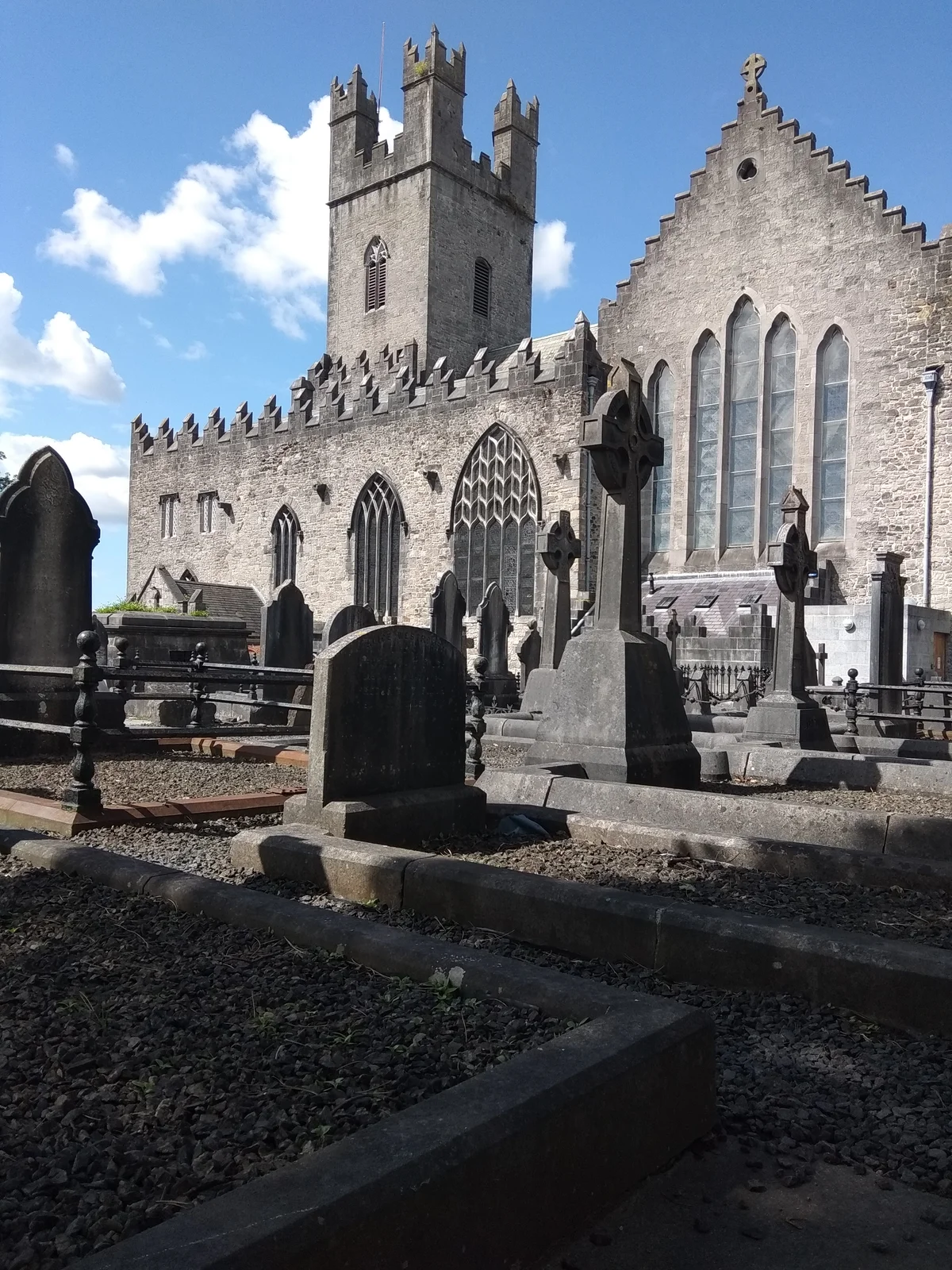
St Mary's Cathedral
Limerick's oldest living building, founded 1168, guarding Ireland's only medieval misericords
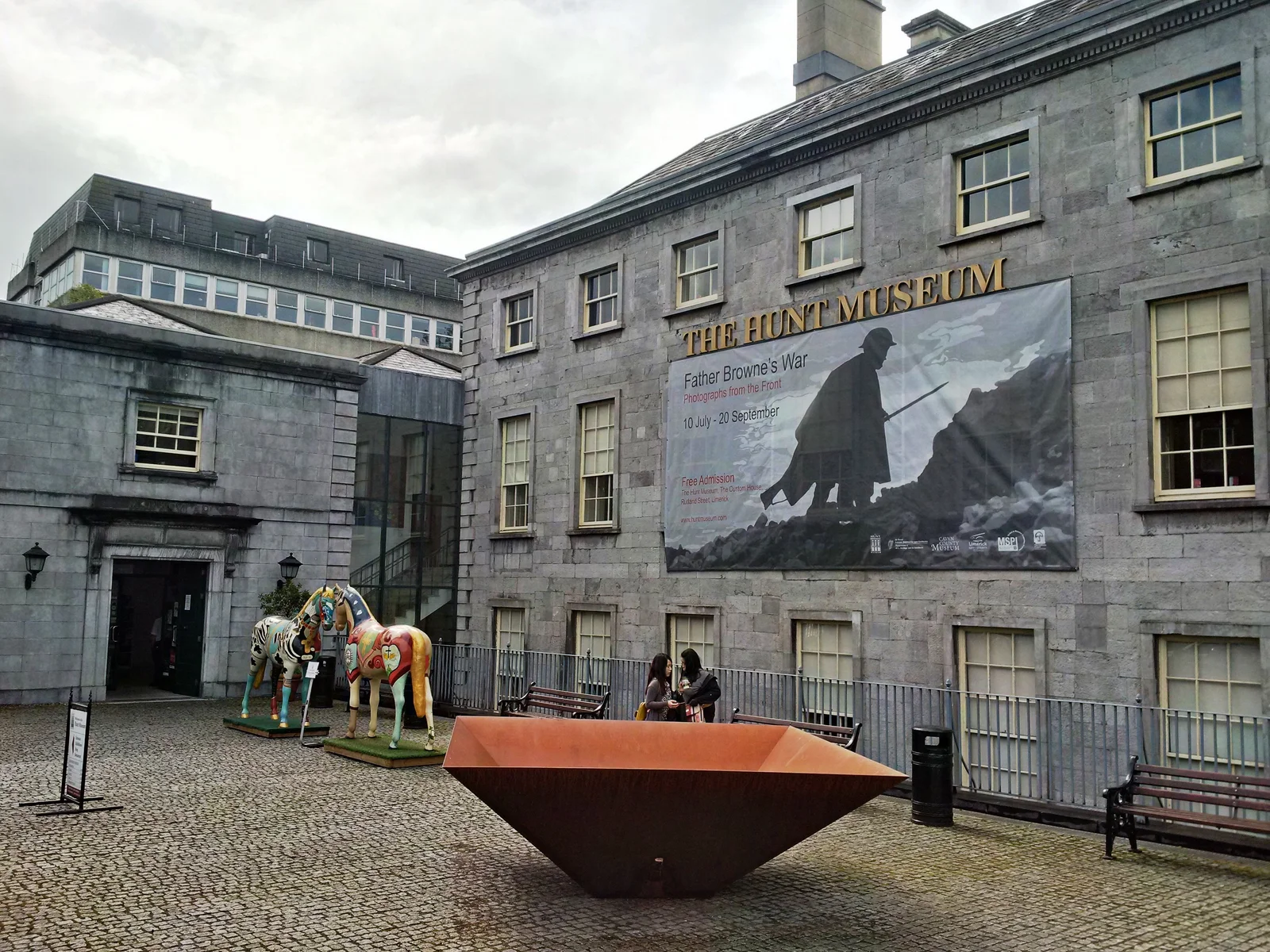
The Hunt Museum
A jewel-box collection of medieval treasures and fine art in Limerick's Georgian Custom House
Guide planning
How much does a tour guide cost in Limerick?
Limerick's guide market is smaller than Dublin's but covers the key sites and Clare day trips:
| Tour Type | Price Range |
|---|---|
| King John's Castle tour (self-guided) | €14 per person |
| Burren and Cliffs of Moher day trip | €45–75 per person |
| Angela's Ashes walking tour | €15–20 per person |
| Private city guide (half-day) | €130–200 |
| Private Clare full-day guide | €280–400 |
Season planner
When is the best time to visit Limerick?
- June–August — The Burren and coastal Clare are at their most accessible and wildflower-rich
- Munster Rugby season (September–May) — European Champions Cup match days create an electric atmosphere in the city
- May — The Burren is at its botanical peak with Spring gentians, orchids, and mountain avens in flower simultaneously
- Year-round — The Hunt Museum, King John's Castle, and St Mary's Cathedral are worth visiting regardless of season
Spring
Mar-May
Summer
Jun-Aug
Autumn
Sep-Nov
Winter
Dec-Feb
Each score averages that season’s monthly ratings out of 5. The top-rated window is usually the peak season too, so read the guidance above for its trade-offs before you book.
On the ground
How do you get around Limerick?
- Compact city centre — King John's Castle, Hunt Museum, and the Georgian quarter are all within 20 minutes' walk
- Bus Éireann — Regular services to Ennis (50 mins), Galway (2 hrs), and Cork (1.5 hrs)
- Train — Dublin Heuston to Limerick takes 2 hours; direct services to Cork and Galway
- Car — Essential for the Burren, Adare, and Shannon estuary; parking available at King's Island
Frequently Asked Questions
What is the Hunt Museum and why is it significant?
The Hunt Museum occupies Plassey House, a Georgian mansion on the University of Limerick campus, and holds what is arguably the most eclectic and personal private art collection in Ireland. John and Gertrude Hunt assembled it over forty years of travel and collecting: the collection spans Neolithic stone axes, Etruscan bronzes, medieval limoge enamels, Giacometti's Femme Assise, a drawing attributed to Raphael, a bronze horse thought to be by Leonardo da Vinci, a Picasso lithograph, pre-Columbian gold work, and Renoir's Les Parapluies (a copy, but a magnificent one). What makes it extraordinary is the absence of institutional distance — pieces are displayed in a domestic interior rather than a gallery, creating the sensation of being invited into a very cultured private home. Entry is modest (around €12) and the museum is frequently uncrowded.
What is Thomond Park and its connection to Irish rugby?
Thomond Park is the home stadium of Munster Rugby and one of the most storied sporting venues in Irish life. The stadium, rebuilt in 2008 to hold 26,000, stands on the ground where Munster famously defeated the All Blacks 12–0 in 1978 — the only occasion a touring New Zealand team has lost to an Irish provincial side. Limerick's identification with Munster Rugby runs deep enough to function as civic religion: the red jersey is as much a social identifier in the city as any political or cultural affiliation. Match days (European Champions Cup in particular) generate an atmosphere that visitors who stumble into describe as unlike anything they expected. Guided stadium tours are available on non-match days.
How do you reach the Burren and Cliffs of Moher from Limerick?
The Burren — a 250-square-kilometre limestone plateau in County Clare covered with Arctic, Alpine, and Mediterranean wildflowers coexisting in the same pavement cracks — is 70 kilometres north of Limerick, roughly 75 minutes by car through Ennis and Corofin. The Cliffs of Moher extend another 40 kilometres west along the Atlantic coast. Together they make an outstanding full-day circuit from Limerick: Burren in the morning (the Poulnabrone dolmen, a megalithic portal tomb, is a short walk from the main road), Cliffs of Moher visitor centre in the afternoon, and a return through Ennis — County Clare's market town — for dinner. Bus Éireann operates seasonal day excursions; private car is significantly more flexible.