
Country guide
What makes Ireland a must-visit destination?
Ireland is an island of extraordinary temporal density — a place where a Neolithic passage tomb built 5,200 years ago stands within sight of a ruined Norman castle, itself a ten-minute walk from a pub where a trad session has been playing the same airs since the nineteenth century. The country's four provinces — Leinster, Munster, Connacht, and Ulster — each carry distinct characters, dialects, and histories, layered across a landscape of limestone karst, Atlantic sea cliffs, oak-forested loughs, and the peat bogs that preserve both ancient bodies and millennia of accumulated rainfall.
The island's literary tradition is disproportionate to its size. W.B. Yeats drew on Celtic mythology to forge a modern poetry rooted in landscape and longing; James Joyce reinvented the novel in Ulysses, mapping a single June day in Dublin with such cartographic precision that readers still walk the route. Samuel Beckett stripped theatre to its existential bones. Seamus Heaney dug into the peat of County Derry and found an entire civilisation. This literary density is inseparable from the oral tradition — the seanchaí storytellers, the pub conversations, the craic — that makes Ireland uniquely hospitable to the curious visitor.
Beyond Dublin's Georgian terraces and 1916 memorials, the Wild Atlantic Way stretches 2,500 kilometres from Donegal to West Cork along the most dramatic coastline in Europe. Galway pulses with trad music and the gateway to Connemara's austere beauty. Killarney frames the Ring of Kerry's mountain lakes in national park woodlands. Cork's English Market has fed the city's food culture for two centuries. And in the ancient monastic settlements of Glendalough, Clonmacnoise, and the rock of Skellig Michael, visitors confront a Christianity so early and so remote it seems to have grown from the Atlantic rock itself.
A knowledgeable local guide is the difference between seeing Ireland's scenery and understanding its soul.
- Language
- English & Irish Widely spoken across Ireland
- Currency
- Euro (€) Legal tender across Ireland
- Time zone
- UTC+0 (GMT) Local time in Ireland
- Power plugs
- Type G · 230V Sockets used across Ireland
- Getting around
- Rail (Irish Rail) & coaches Getting between Ireland's cities
- Best months
- Apr, May, Jun, Jul, Aug Averaged across Ireland's city ratings
Ireland timeline
-
Viking Dublin takes shape
Norse settlement added an urban layer to older Gaelic and monastic landscapes.
-
English crown arrives
Henry II's intervention began centuries of Anglo-Norman and English influence.
-
Great Famine begins
Famine memory shapes museums, migration stories, and rural landscapes across Ireland.
-
Easter Rising
The rebellion made Dublin streets and post-office sites central to independence tours.
-
Free State founded
Independence created the modern state and reframed Dublin civic sites.
-
Good Friday Agreement
The peace agreement changed all-island travel, politics, and border-region interpretation.
Local context
Culture and travel signals
Newgrange passage tomb is 500 years older than the Egyptian pyramids
Built around 3200 BCE in the Boyne Valley, Newgrange predates the Great Pyramid of Giza by five centuries. Its 19-metre passage aligns perfectly with the rising sun on the winter solstice — an astronomical feat that required both advanced mathematics and coordinated labour across generations
Ireland has more than 30,000 castles and castle ruins
A legacy of medieval Gaelic clan warfare, Norman conquest, and later plantation, Ireland's castle density is among the highest of any country in the world — roughly one castle per 2.3 square kilometres of land, from Blarney's famous battlements to the dramatically sited Rock of Cashel
80 million people worldwide claim Irish descent
The Great Famine of 1845–52 triggered a diaspora that has never fully reversed. Today the Irish-descent population outside Ireland — concentrated in the United States, United Kingdom, Australia, and Argentina — outnumbers the island's current population of roughly 7 million by more than ten to one
The number of Irish whiskey distilleries doubled in a decade
From just four distilleries in 2010, Ireland now operates over 40 active distilleries, driven by surging global demand for single pot still and single malt Irish whiskey styles that are distinct from Scotch. Irish whiskey is now the world's fastest-growing premium spirits category
Source: tour-guide.com — Free to cite with attribution
Season planner
A year in Ireland
Use this best time to visit snapshot as a country-wide average, then check the city guides for local timing.
Mar-May
Spring
Spring stays workable in Ireland at Mar-May (3.7/5), so lean on city-by-city timing.
Jun-Aug
Summer
Summer holds up well for guided travel in Ireland, averaging Jun-Aug (4/5).
Sep-Nov
Autumn
Autumn is Ireland's quietest stretch at Sep-Nov (2.7/5) — plan narrower, local days.
Dec-Feb
Winter
Winter is Ireland's quietest stretch at Dec-Feb (2/5) — plan narrower, local days.
Where should you go in Ireland?
The Capital
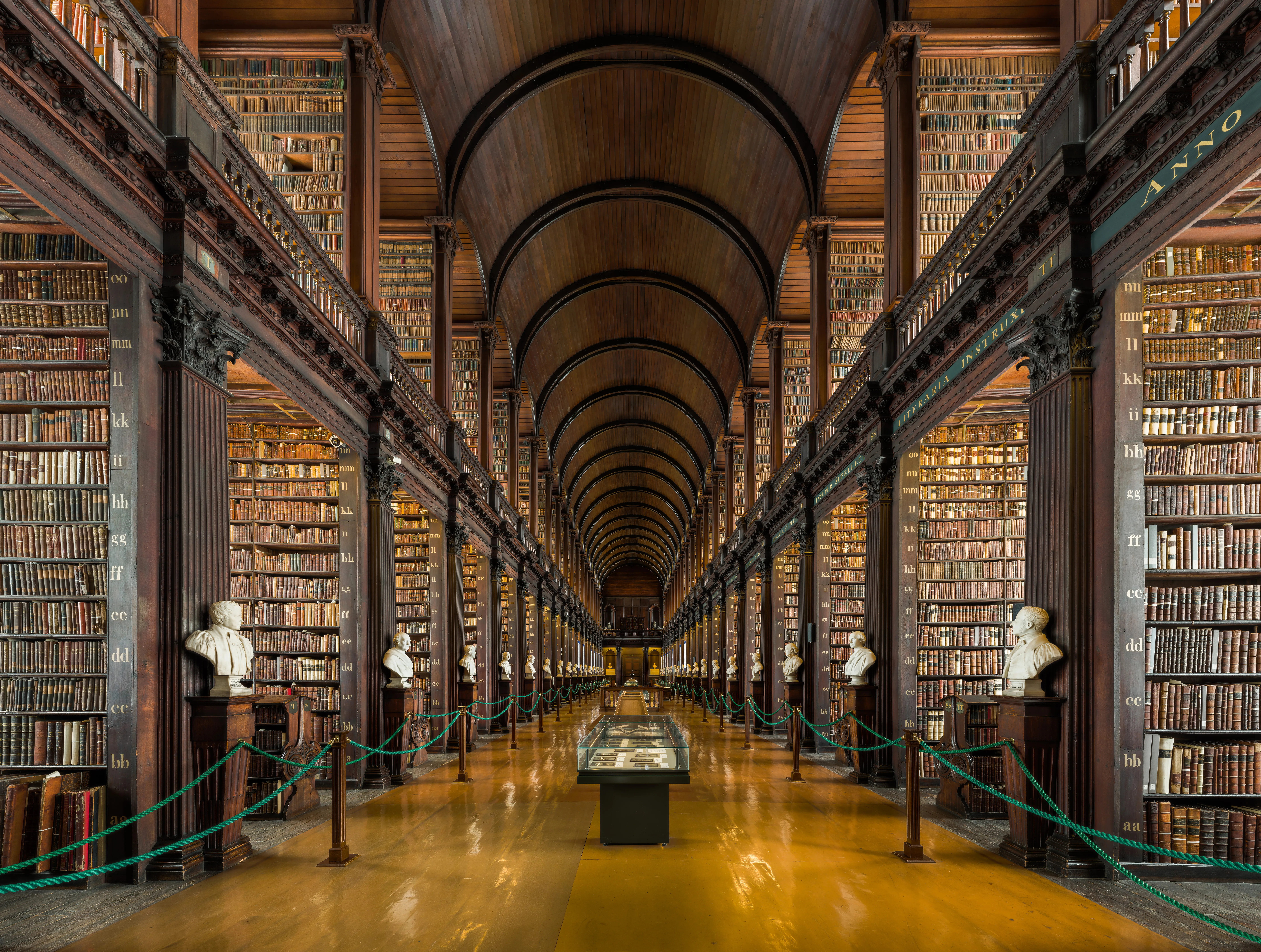
Dublin anchors the island's eastern coast with a concentration of history, literature, and nightlife that belies its compact size. Trinity College's Book of Kells and Long Room draw visitors from around the world, while Kilmainham Gaol and the GPO on O'Connell Street bring Ireland's turbulent path to independence viscerally close. The Liberties neighbourhood, the Guinness Storehouse, and the literary pub crawl through Temple Bar complete a city portrait that mixes Viking foundations with Georgian elegance and contemporary creativity.
The West & Connacht
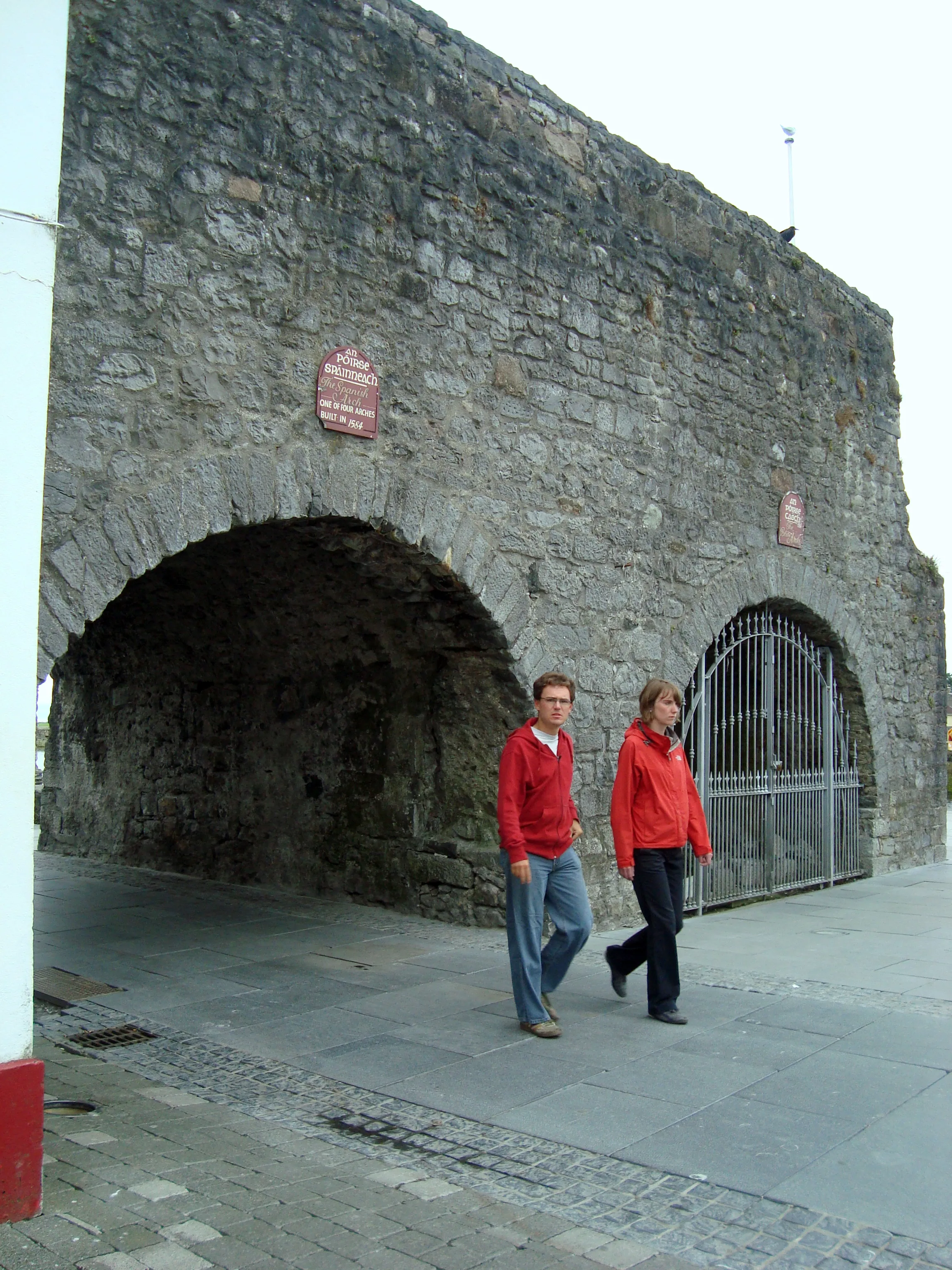
Galway is Ireland's cultural heartbeat — a university city on Galway Bay where trad sessions run seven nights a week, the Saturday market draws producers from across Connacht, and the Spanish Arch recalls a centuries-old trade route with Iberia. From Galway, the Connemara landscape of bog, mountain, and sky unfolds westward toward the Aran Islands, where Irish is still the daily language and Dún Aonghasa's cliff-edge ramparts rank among prehistoric Europe's most dramatic monuments.
The South
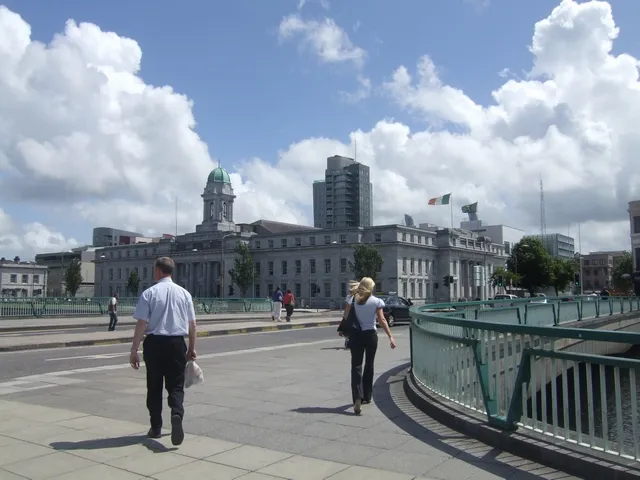
Cork, Ireland's second city, carries itself with provincial pride and culinary ambition in equal measure. Its English Market — a Victorian food hall of extraordinary vitality — has survived fire, rebellion, and two centuries of changing tastes. Killarney serves as the base for the Ring of Kerry, one of Europe's great scenic drives, while the Gap of Dunloe and MacGillycuddy's Reeks offer mountain landscapes that reward walkers who leave the road behind. Limerick's medieval King John's Castle guards a bend of the Shannon that the Vikings chose for exactly the same strategic reasons a thousand years ago.
The Southeast
Waterford wears its Viking founding — 914 CE — with understandable pride as Ireland's oldest city. Reginald's Tower, built by the Norse settlers and still standing on the quay, anchors a medieval quarter that extends through the Bishop's Palace and the Medieval Museum, while the Waterford Crystal visitor centre keeps alive a craft tradition the city reclaimed after the original factory's closure.
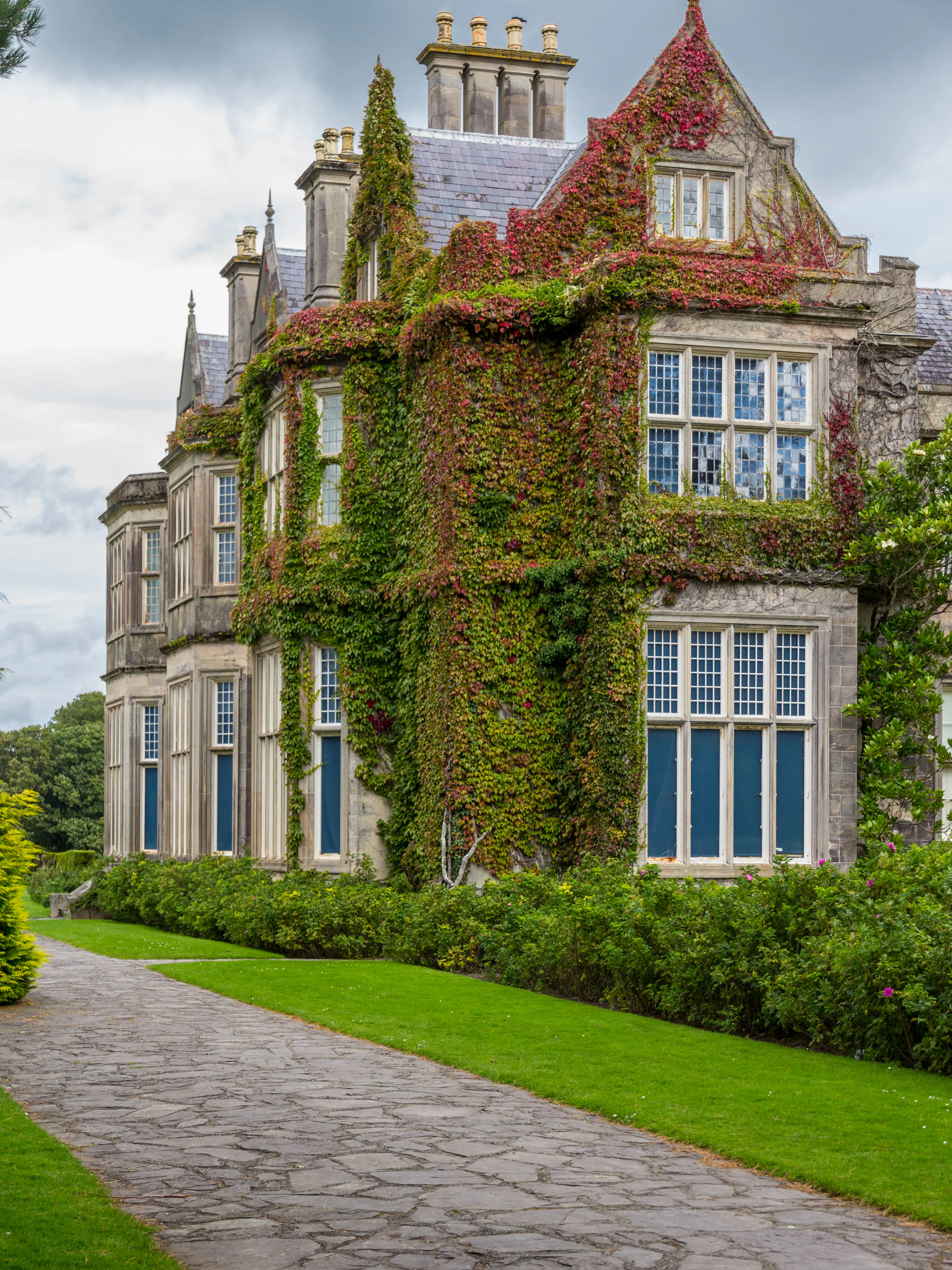
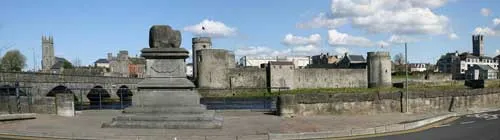
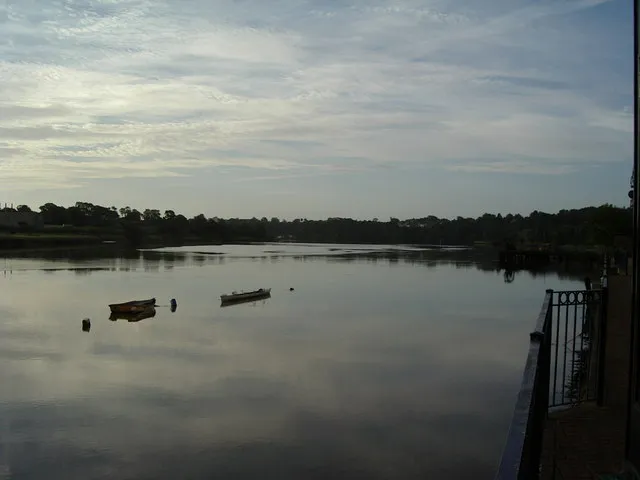
Must-see attractions across Ireland
The shortlist below gathers Ireland's most-visited sights into one place, each linked to its home city and ready for a guided deep-dive.
What do visitors need to know about Ireland?
Finding a Guide
- Fáilte Ireland (the national tourism authority) maintains a register of approved tour guides who have completed the national guide exam — the gold standard for quality
- Dublin Tourism operates a walk-in guide bureau on Suffolk Street that can arrange same-day licensed guides for city tours and day trips to the Boyne Valley
- Free Walking Tour Dublin and similar tips-based city tours depart daily from Trinity College gates — ideal for orientation walks
- GetYourGuide and Viator both carry strong inventories of Irish day trips, including the Cliffs of Moher, Kilkenny, and the Giant's Causeway from Belfast
- Local operators in Galway — including trad music tours and Connemara walking guides — are best booked directly rather than through aggregators, as they retain more revenue and provide more personalised experiences
Typical Costs
| Tour Type | Price Range |
|---|---|
| Free walking tour (tips-based, 2 hrs) | €10–15 suggested tip |
| Small-group city tour (2–3 hrs) | €20–35 per person |
| Day trip (Cliffs of Moher, Boyne Valley) | €55–90 per person including transport |
| Private half-day guide (up to 6) | €150–250 |
| Private full-day guide (up to 6) | €280–420 |
| Specialist (literary, 1916, whiskey) | €300–500 per day |
Must-See Experiences
- Trinity College Library & Book of Kells — The illuminated 800 CE gospel manuscript in Dublin's university library
- Kilmainham Gaol — Where the 1916 Rising leaders were executed; the most emotionally powerful site in Ireland
- Newgrange — Neolithic passage tomb older than Stonehenge, aligned with the winter solstice sunrise
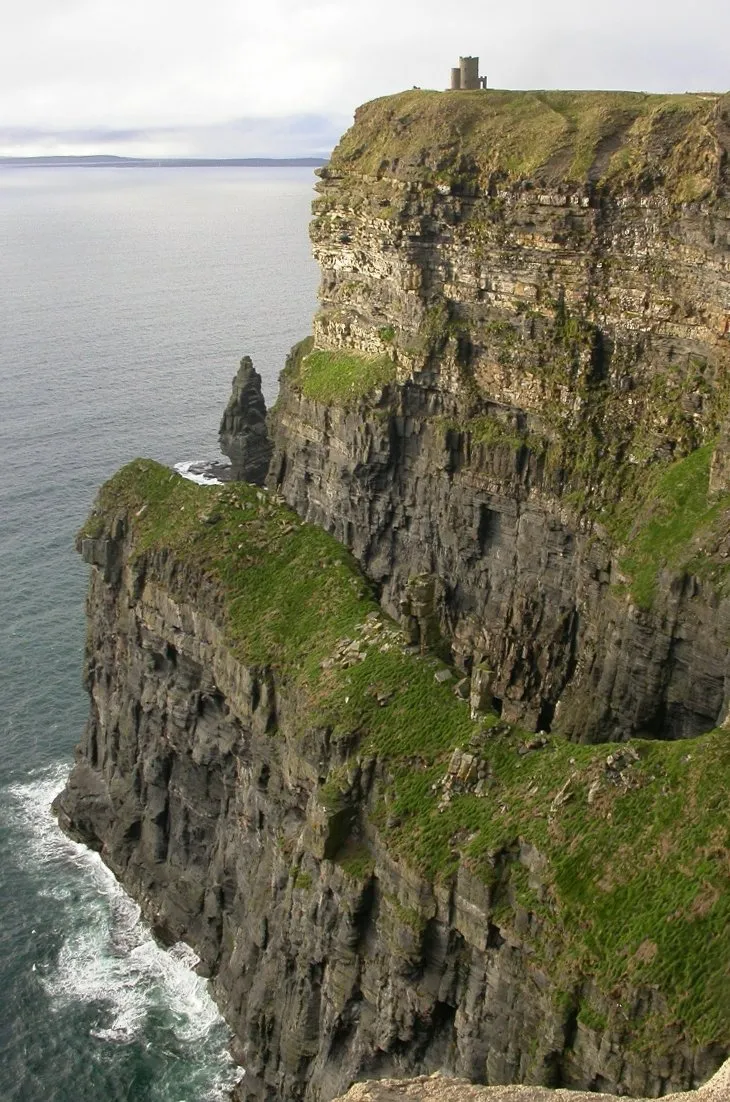
- Cliffs of Moher — 214-metre sea cliffs stretching 8 kilometres along the Clare coast
- Aran Islands — Bronze Age cliff forts and living Gaelic culture a ferry ride from Galway
- Ring of Kerry — 179-kilometre circuit of mountain, coast, and medieval ruins around the Iveragh Peninsula
- Giant's Causeway (Northern Ireland) — 40,000 interlocking basalt columns on the Antrim coast
Tips for Visitors
- Best time — May–September for daylight and warmth; winter for Newgrange solstice atmosphere and uncrowded castles
- Currency — Euro (€) in the Republic; Pound Sterling (£) in Northern Ireland
- Driving — Left-hand traffic; country lanes can be unexpectedly narrow — hire the smallest car that meets your needs
- Weather — Layer up regardless of season; Atlantic squalls arrive and pass in minutes
- Pubs — Last orders typically called at 11:30 PM Sunday–Thursday, 12:30 AM Friday–Saturday
- Book ahead — Kilmainham Gaol sells out weeks in advance in summer; book Newgrange via worldheritageireland.ie well ahead of your visit
- Tipping — 10–15% in restaurants if not included; €5–10 for group guides; €15–20 for private guides
Frequently Asked Questions
What is the best time of year to visit Ireland?
Ireland's weather is famously unpredictable year-round, but June through August brings the longest days — nearly eighteen hours of light in midsummer — and the warmest temperatures, typically 17–20°C along the coast. This is also peak tourist season, so the Cliffs of Moher and the Ring of Kerry can feel crowded. May and September offer a compelling alternative: mild weather, fewer visitors, and the vivid green that earns Ireland its island epithet. Winter (November–February) is wet and short on daylight but rewards visitors with atmospheric pubs, lower prices, and uncrowded access to passage tombs like Newgrange — whose winter solstice alignment draws a lottery of lucky visitors each December.
How much does a tour guide cost in Ireland?
Dublin and Galway both offer tips-based free walking tours where €10–15 per person is customary for a two-hour circuit. Private half-day guides in Dublin typically run €150–250 for groups of up to six, while specialist tours focused on 1916 Rising history, literary Dublin (Joyce, Beckett, Yeats), or the Wicklow Mountains can reach €280–400. Day trips from Dublin to the Boyne Valley passage tombs or the Cliffs of Moher aboard a small-group tour cost €55–90 per person including transport. In Killarney, traditional jaunting car drivers double as local guides, charging roughly €80–120 per car for a tour of the national park.
What cultural customs should I know before visiting Ireland?
The Irish pub is a social institution rather than merely a drinking venue — conversations with strangers are welcomed, and buying a round for your group is customary reciprocity. Trad sessions (traditional Irish music performed live in pubs) are free to listen to and happen most nights in Galway and Doolin. The Irish have a complex relationship with their Gaelic language: Irish (Gaeilge) is the constitutional first language, spoken daily in Gaeltacht communities along the western coast and on the Aran Islands, and locals deeply appreciate even a few words of greeting (Dia dhuit — God be with you). Never confuse Ireland with Northern Ireland (part of the United Kingdom) in conversation — the distinction matters enormously. The craic (pronounced "crack") simply means good fun, conversation, and atmosphere — and Ireland has it in abundance.