
Dublin timeline
-
Dublin begins
Created by Celtic monks around 800 CE, possibly on the island of Iona, the manuscript was moved to Kells Abbey in County Meath after a Viking raid, then donated to.
-
Its foundations are Viking
Its foundations are Viking — the Norse Dyflin established around 841 CE — but its contemporary character was shaped by two later upheavals: the centuries of British.
-
Dublin begins
Its winding streets hold the medieval heart of the city, the Guinness Storehouse, and the Marsh's Library (Ireland's oldest public library, founded 1707), and a guide.
-
Dublin turning point
From the leaders of the 1798 United Irishmen rebellion through the 1916 Easter Rising and the Irish Civil War, Kilmainham held virtually every significant figure in the.
-
Its foundations are Viking
— but its contemporary character was shaped by two later upheavals: the centuries of British colonial rule that produced the Georgian squares, wide boulevards, and.
-
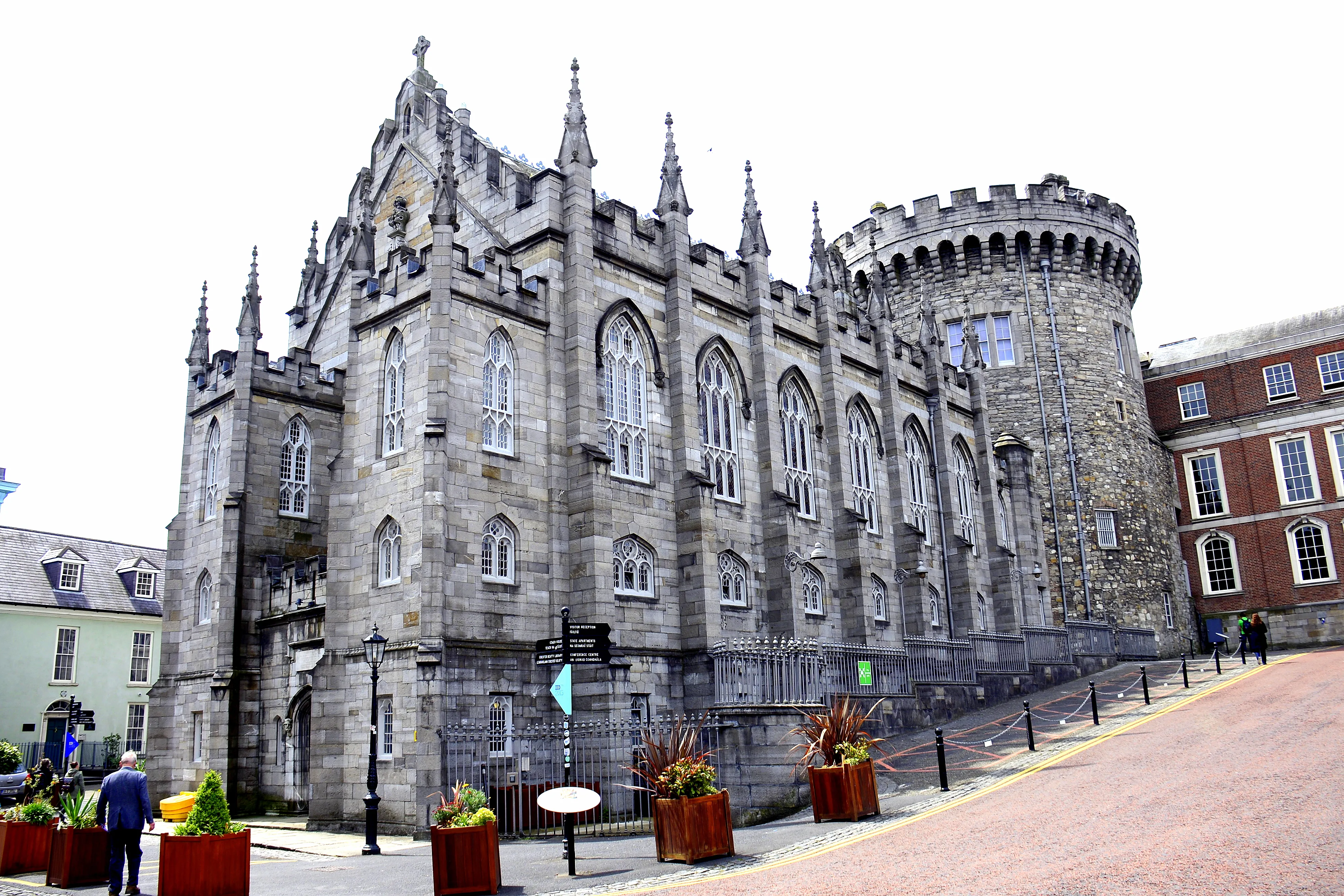
Dublin Castle
Dublin Castle — wedged between the two geographically and chronologically — spent 700 years as the administrative centre of British power before being handed to Michael.
Cited city facts
Key facts for visiting Dublin
Dublin was founded by Vikings around 841 CE
The Norse settlement of Dyflin — from the Irish Dubh Linn (black pool) — was established at the confluence of the Liffey and the Poddle rivers. Viking artefacts are regularly uncovered beneath the city's foundations, and the Wood Quay area remains one of the most significant Viking archaeological sites in northern Europe
The Book of Kells has been at Trinity College since around 1661
Created by Celtic monks around 800 CE, possibly on the island of Iona, the manuscript was moved to Kells Abbey in County Meath after a Viking raid, then donated to Trinity College by Henry Jones, Bishop of Meath. Its 680 pages of intricate illumination took decades of monastic labour to complete
Dublin is a UNESCO City of Literature and home to four Nobel laureates
Designated a UNESCO City of Literature in 2010, Dublin claims four Nobel Prize winners in literature — W.B. Yeats (1923), George Bernard Shaw (1925), Samuel Beckett (1969), and Seamus Heaney (1995) — a concentration no other city of its size can match. The nightly literary pub crawl visits haunts of Beckett, Joyce, Behan, and Kavanagh
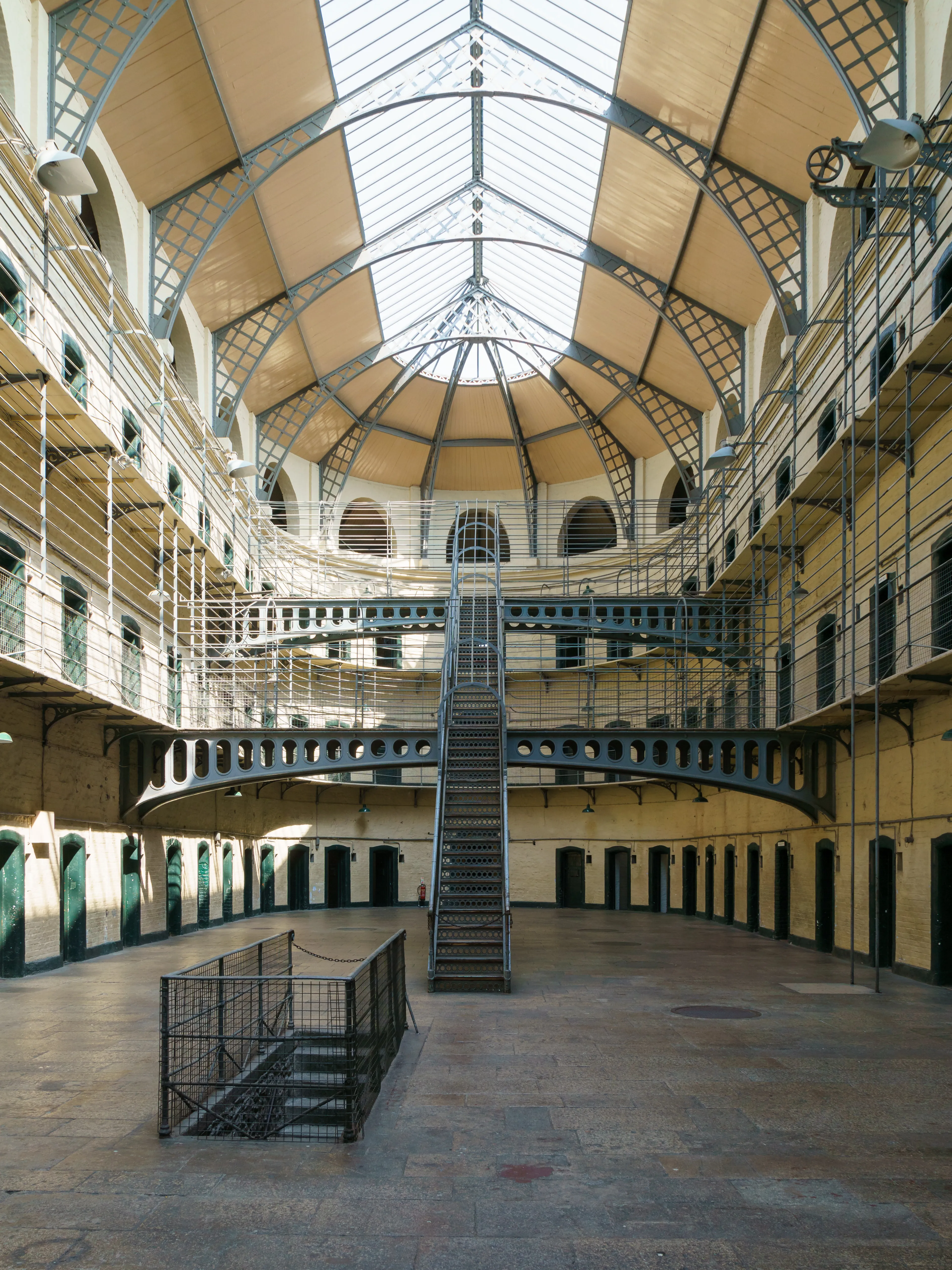
Kilmainham Gaol held prisoners from 1796 to 1924
From the leaders of the 1798 United Irishmen rebellion through the 1916 Easter Rising and the Irish Civil War, Kilmainham held virtually every significant figure in the Irish revolutionary tradition. The last prisoner released was Éamon de Valera, who later became President of Ireland
The Guinness Storehouse is Ireland's most-visited fee-charging attraction
St James's Gate draws well over 1.5 million visitors in a typical year, topping Fáilte Ireland's national ranking of paid attractions. Seven storeys of brewing history rise around a central atrium shaped like a pint glass, ending at the 360-degree Gravity Bar high above the Liberties
Census 2022 counted about 1.26 million people in Dublin city and suburbs
The Central Statistics Office recorded roughly 1.26 million residents across the contiguous city and suburbs, and about 1.45 million in County Dublin — making the capital region home to more than one in four people living in the Republic of Ireland
Source: tour-guide.com — Free to cite with attribution
Things to see
What are the top attractions in Dublin?
- Trinity College Library & Book of Kells — The 800 CE illuminated manuscript and the barrel-vaulted Long Room above it
- Kilmainham Gaol — Where the 1916 leaders were executed; guided tours only, book weeks in advance in summer
- Dublin Castle — Seven hundred years of British rule and the Chester Beatty Library's world-class manuscript collection
- National Museum of Ireland — Archaeology — The Ardagh Chalice, the Tara Brooch, and Iron Age bog bodies; free entry
- Guinness Storehouse — Seven floors of brewing history culminating in a 360-degree Gravity Bar panorama
- St Patrick's Cathedral — Ireland's largest church, where Jonathan Swift served as Dean for 32 years
- Literary Pub Crawl — Actor-guided evening tour of pubs associated with Beckett, Joyce, Brendan Behan, and Patrick Kavanagh
Dublin Castle
Seven hundred years of British rule in Ireland — and the day Michael Collins took the keys
Kilmainham Gaol
Where the 1916 leaders were executed — Ireland's most emotionally powerful historic site
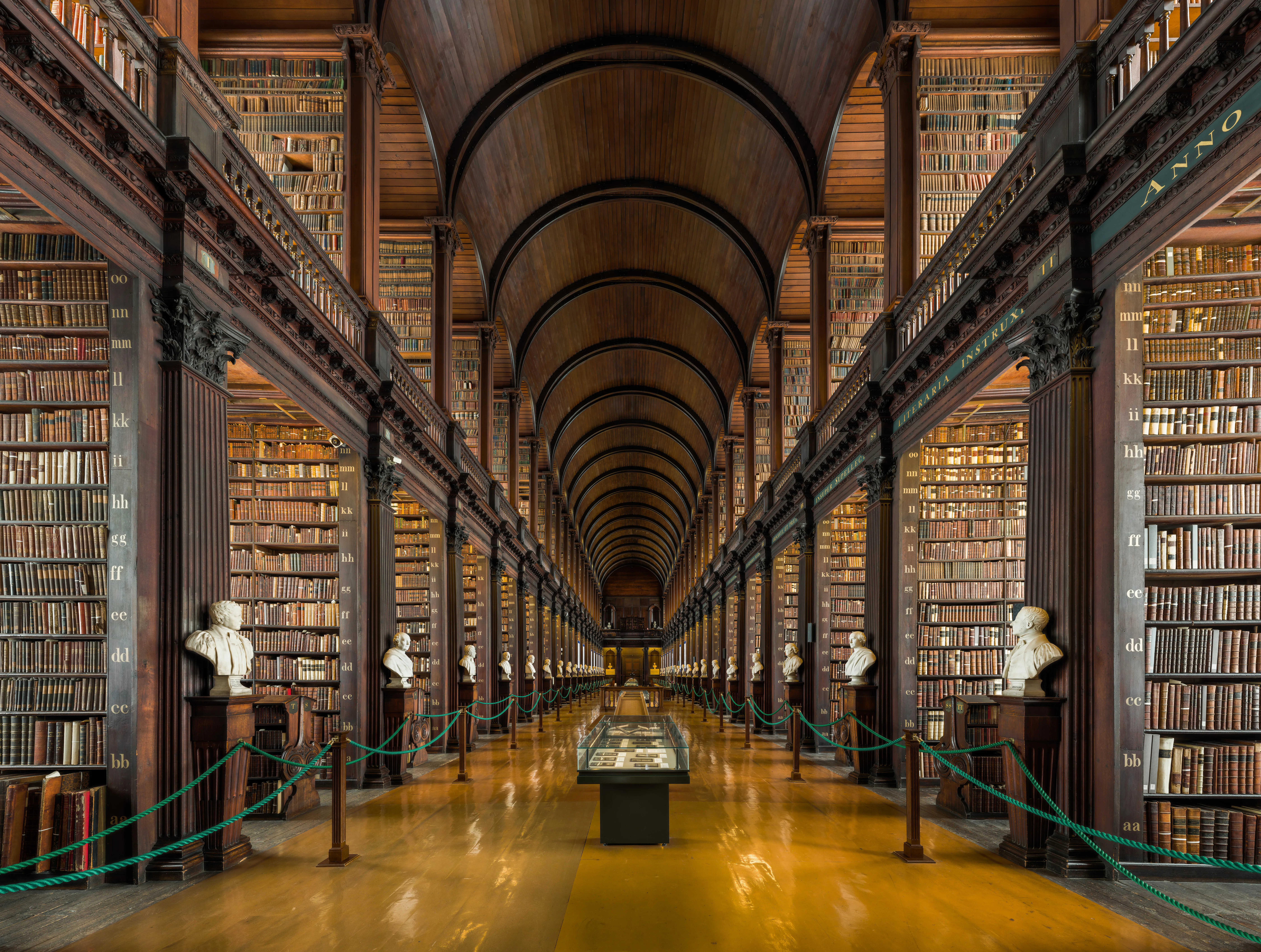
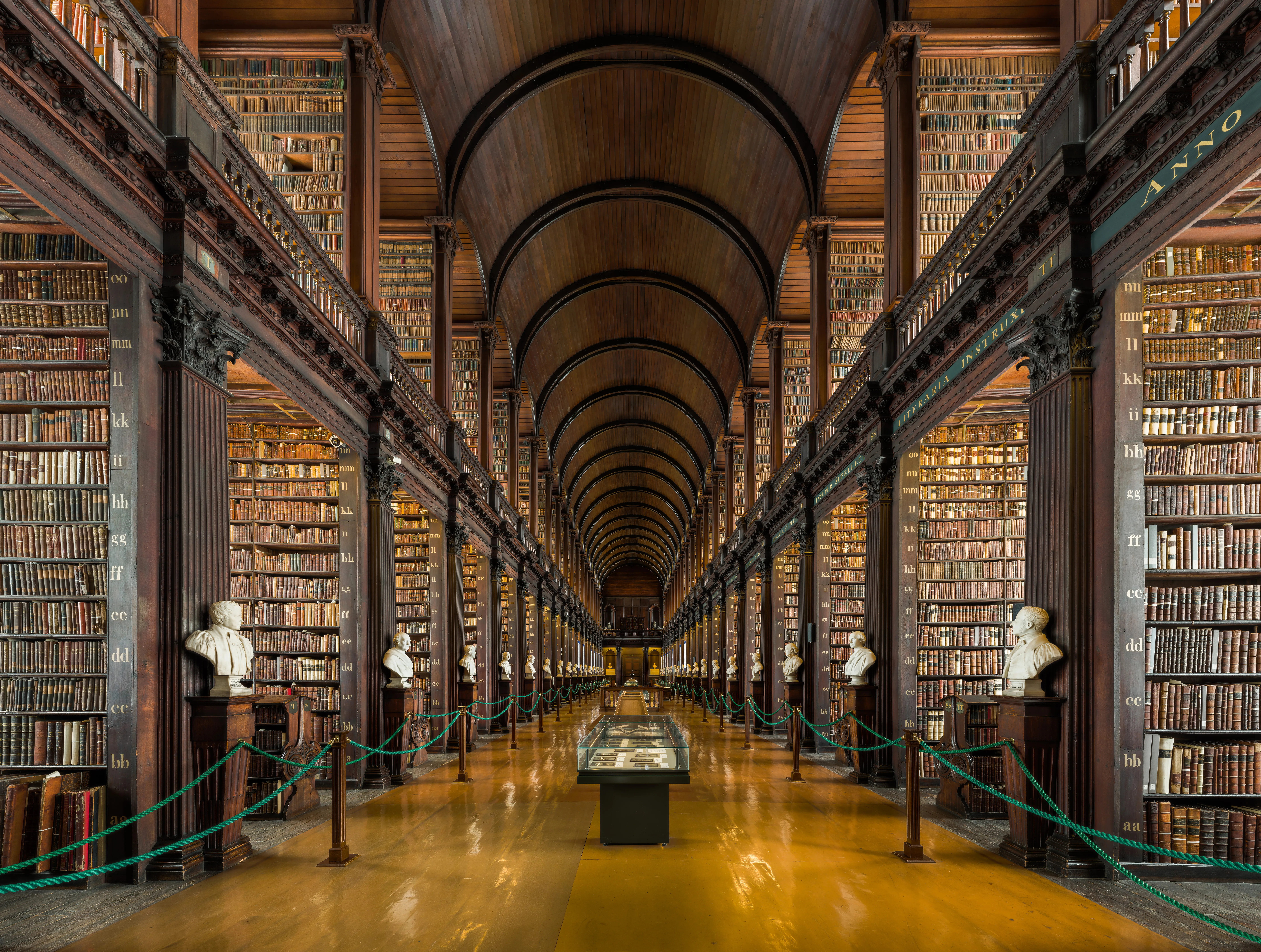
Trinity College Library & Book of Kells
The most beautiful book ever made — 1,200 years of Celtic monastic artistry under a barrel-vaulted oak ceiling
Guide planning
How much does a tour guide cost in Dublin?
Dublin's guide market runs from free walking tours to highly specialised academic tours — here's how to navigate it:
| Tour Type | Price Range |
|---|---|
| Free walking tour (tips-based) | €10–15 suggested tip |
| Literary Pub Crawl | €15–20 per person |
| Small-group city tour (2–3 hrs) | €20–35 per person |
| Day trip (Boyne Valley, Wicklow) | €60–90 per person |
| Private half-day guide (up to 6) | €150–220 |
| Private full-day guide (up to 6) | €280–420 |
| Specialist (1916, Joyce, Viking) | €200–350 |
Book a Local Guide
The guides below are independent local businesses we recommend purely on editorial merit. We don't sell placement and we earn no commission when you book with them — see our booking and affiliate disclosure.
Lazy Bike Tours Ireland
Lazy Bike Tours offers a genuinely distinctive perspective on Dublin by taking small groups through the city's inner suburbs on hybrid bikes — the back streets of Portobello, the Grand Canal towpath, and the Victorian terraces of Ranelagh that most visitors never reach on foot. Their guides combine deep local knowledge with an easy conversational style that makes even the most visited landmarks feel freshly discovered. The three-hour morning city tour is particularly well-paced, mixing Georgian architecture with Viking heritage and a stop at a neighbourhood café that hasn't discovered tourists yet.
Traditional Irish Walk
Traditional Irish Walk specialises in the cultural and living-heritage layers of Dublin that conventional city tours skip — the trad music geography of Temple Bar and Smithfield, the storytelling traditions of the old Liberties quarter, and the neighbourhood pubs where *craic* has been the evening occupation for generations. Their guides are musicians and cultural practitioners as well as historians, which means the tour includes live musical demonstrations rather than mere description. An essential experience for anyone who wants to understand what makes Dublin feel unlike any other European capital.
Season planner
When is the best time to visit Dublin?
- June–August — Longest days (18 hours of daylight at midsummer), warmest weather (17–20°C), but peak crowds at Trinity and Kilmainham
- May and September — The sweet spot: mild temperatures, manageable queues, and the vivid green that follows spring rains
- December — Christmas markets along Grafton Street and in St Anne's Park; atmospheric but cold
- Early mornings — Trinity College Library opens at 8:30 AM; arriving at opening beats the cruise-ship crowds by two hours
- Pub sessions — Begin around 9 PM most nights; Sunday lunchtime sessions are a Dublin tradition worth seeking out
Spring
Mar-May
Summer
Jun-Aug
Autumn
Sep-Nov
Winter
Dec-Feb
Each score averages that season’s monthly ratings out of 5. The top-rated window is usually the peak season too, so read the guidance above for its trade-offs before you book.
On the ground
How do you get around Dublin?
Dublin's public transport runs under the single Transport for Ireland brand, and a contactless Leap Card (or its app) works across every mode below — see transportforireland.ie for live times and fares:
- DART coastal rail — Connects central Dublin with Howth, Dalkey, and Bray along the bay; excellent for exploring beyond the city centre, and the single most scenic ride out of the city
- Luas tram — Two cross-city lines (Green and Red) connect the major cultural institutions with the suburbs; the Green Line stops beside Trinity College and St Stephen's Green
- Dublin Bikes — The city's bike-share scheme covers the inner city with around 115 stations; short-term hire is inexpensive and ideal for the flat Georgian core
- Walking — The south city centre (Trinity to St Stephen's Green to the cathedrals and Dublin Castle) is genuinely compact; most attractions are under 20 minutes' walk
- Taxi/rideshare — Freely available; the city has embraced app-based services
- Kilmainham — Kilmainham Gaol is a 30-minute walk or short taxi west of the centre, or reachable on the Luas Red Line to Suir Road; it is otherwise thinly served by public transport
- From the airport — Dublin Airport has no rail link; the Airlink Express and Aircoach buses reach the city centre in about 30–45 minutes
Dublin in Pictures
Frequently Asked Questions
How many days do you need in Dublin?
Two to three days covers Dublin comfortably. Day one pairs Trinity College and the Book of Kells with Dublin Castle and the free National Museum of Ireland nearby. Day two reaches the powerful Kilmainham Gaol — book ahead — and the Guinness Storehouse, ending in a traditional-music pub. A third day suits St Patrick's Cathedral, the literary pub crawl, or a coastal DART ride out to Howth. Use Dublin as a base and you can add Glendalough or Newgrange as day trips.
What is Dublin's most important historical site?
That depends on what kind of history moves you. For literary history, Trinity College Library holds the Book of Kells — the 1,200-year-old illuminated gospel manuscript that stands as the peak achievement of Celtic monastic art — alongside the 65-metre Long Room with its barrel-vaulted ceiling and 200,000 ancient books. For political history, Kilmainham Gaol is the most viscerally affecting site in Ireland: the prison where the leaders of the 1916 Easter Rising were executed, their deaths transforming a failed rebellion into the founding myth of the Irish state. For deep history, the National Museum of Ireland — Archaeology on Kildare Street displays the Ardagh Chalice, the Tara Brooch, and the gold torcs of prehistoric Ireland — one of the finest collections of early medieval metalwork in Europe, and entirely free to enter.
How much does a private tour guide cost in Dublin?
Tips-based free walking tours depart daily from the Trinity College front gates — a €10–15 tip per person is customary for a two-hour circuit of the Georgian south side. Private licensed guides for half-day city tours typically charge €150–220 for groups of up to six, while specialist tours focusing on the 1916 Rising battlefield sites, James Joyce's Ulysses geography, or the medieval Viking quarter run €200–300. Day trips to the Boyne Valley passage tombs (Newgrange and Knowth) or the Wicklow Mountains typically cost €60–90 per person including transport on a small-group basis. Evening literary pub crawls — a Dublin institution — run around €15–20 per person and include actor-guides performing passages from Beckett, Joyce, and Behan between pubs.
Which Dublin neighbourhoods are best explored with a guide?
The Liberties — Dublin's oldest neighbourhood, west of Christ Church Cathedral — rewards guided exploration most. Its winding streets hold the medieval heart of the city, the Guinness Storehouse, and the Marsh's Library (Ireland's oldest public library, founded 1707), and a guide can navigate its layers of Viking, Norman, and Huguenot history without which the streetscape remains opaque. The Docklands (now called Silicon Docks) repays a walking tour for its extraordinary transformation from abandoned port infrastructure to the European headquarters of Google, Meta, and Airbnb — a guide contextualises this within Dublin's broader economic narrative. Portobello, the former Jewish quarter along the Grand Canal, is another neighbourhood whose history of immigration, artistic life, and literary connections (George Bernard Shaw was born here) deserves more attention than it typically receives.
Which area of Dublin is best to stay in?
It depends on your priorities, but three areas suit most first-time visitors:
- The Georgian south side (around St Stephen's Green and Merrion Square) is the most central and walkable base — steps from Trinity College, Dublin Castle, and the National Museum, and quieter at night than the river.
- Temple Bar puts you in the middle of the nightlife and galleries but is loud and pricey; light sleepers should look one or two streets back.
- The Docklands / Silicon Docks, east along the Liffey, offers modern hotels, waterside walks, and a quick Luas or DART hop into the centre — a calmer, contemporary alternative.
Wherever you stay, the compact south city means you are rarely more than a 20-minute walk from the main sights; base yourself south of the river and you can leave the taxi apps alone for most of a visit.