

Best Time to Visit Yogyakarta: Dry Season, Crowds & Sunrise
When to visit Yogyakarta: the dry and wet seasons, crowd and price peaks, and the best months for Borobudur sunrise and the Prambanan ballet.
Timing can transform a good trip into an extraordinary one. These guides highlight the best festivals, markets, weather windows, and seasonal events across popular destinations so you can plan around cherry blossom season in Japan, Christmas markets in Europe, dry-season safaris, and other experiences that only happen at certain times of year. Inside these articles you will find month-by-month calendars for top cities, crowd-level forecasts that reveal shoulder-season sweet spots, and cultural event previews ranging from Carnival parades to harvest wine festivals. We also examine how shifting weather patterns affect popular trekking routes and coastal resorts, helping you pick departure dates that align with both favorable conditions and the unique celebrations that give each destination its character. From the orange-tinted autumn foliage that blankets Kyoto temples in November to the midnight sun that bathes Scandinavian fjords in endless June light, every season unlocks a different personality in the places you visit. These guides also flag peak-pricing periods and explain how booking windows shift around major holidays, so your timing works for both experience and budget. We include local insider tips on off-calendar events — neighborhood fiestas, regional harvest fairs, and lantern festivals — that rarely appear in mainstream travel guides but reward travelers who time their visit just right.
Choosing when to travel is really a negotiation between four things that rarely peak together: the weather you want, the crowds you can tolerate, the festival or natural event you came for, and the price you are willing to pay. A destination's single "best" month is a myth — Venice in February is empty and atmospheric but cold and prone to flooding, while the same city in October is dry and mild but busier and dearer. The guides in this category exist to make that trade-off explicit for one place at a time, month by month, so you can book the window that matches your own priorities rather than a generic "peak season" label.
| Seasonal draw | Where it peaks | Best window | What the timing buys you |
|---|---|---|---|
| Cherry blossom | Kyoto & Tokyo, Japan | late March – early April | roughly a two-week bloom that shifts yearly with temperature — see best time to visit Japan |
| Northern lights | Tromsø, Norway | late September – late March | long polar nights and clear-sky odds, not a fixed date — see chasing the northern lights |
| Christmas markets | Central Europe | late November – 24 December | the markets close around Christmas Eve, so the window is tighter than it looks — see European Christmas market tours |
| Whale watching | Cape Town, South Africa | July – November | southern right whales calve in the winter-spring bays — see best time to visit Cape Town |
| Dry-season beaches | Bali, Indonesia | April – October | reliable sun and surf before the wet-season downpours — see best time to visit Bali |
| Carnival | Salvador & Rio, Brazil | February (pre-Lent) | the date tracks Easter, so it drifts year to year — see best time to visit Salvador |
The sharpest timing wins usually come from the shoulder seasons — the weeks either side of a peak when weather is still good but crowds and prices have not yet spiked. Quebec City is a clean example: February's Carnaval and July's festival season are the headline months, but the quieter stretches before and after reward anyone who would rather have the ramparts to themselves. The same logic drives the advice in our Venice, Mykonos and Strasbourg guides, where a single month's difference changes the entire character of a visit.
For the raw month-by-month numbers behind these recommendations, our interactive when-to-visit calendar rates every city we cover, and the destinations directory lets you jump straight to a country or city to see which seasons it is known for. Pair either with the individual guides below to turn a rating into a concrete departure date.
When to visit Yogyakarta: the dry and wet seasons, crowd and price peaks, and the best months for Borobudur sunrise and the Prambanan ballet.
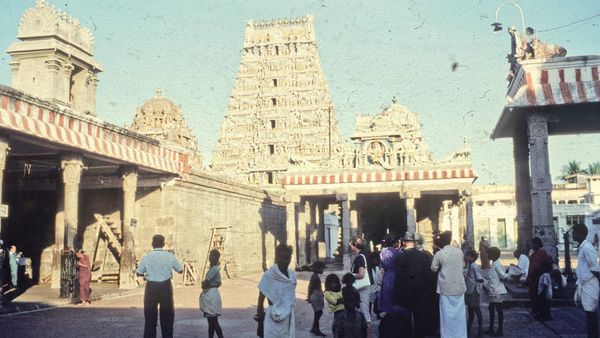
Time your Chennai trip around monsoon rains, summer heat and the December music season, with advice on crowds and costs.
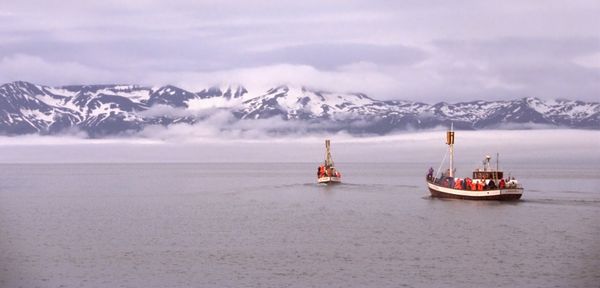
Húsavík lives by the whale-watching calendar in Skjálfandi Bay. Here is how to choose your months — for humpbacks and blue whales.
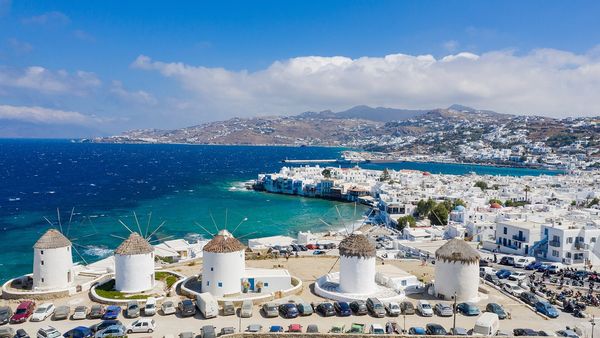
When to visit Mykonos for warm seas, running ferries to Delos, and a walkable Chora without the August crush. Month-by-month advice on weather, crowds.
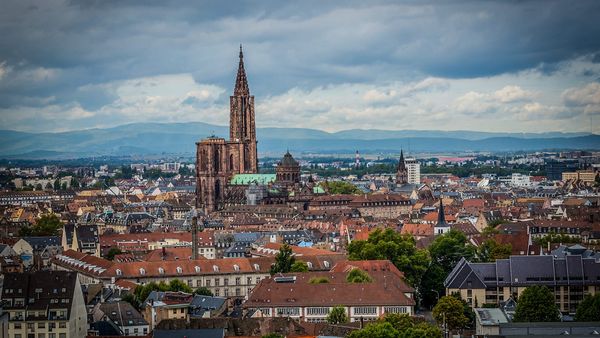
When to visit Strasbourg for mild weather, wine-harvest colour, or the famous Christmas markets — month-by-month advice on climate, crowds, guide costs.
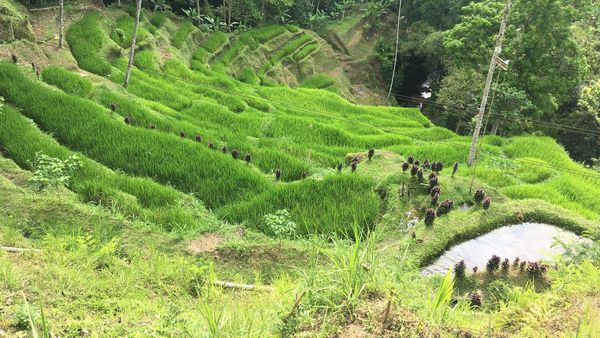
A season-by-season guide to timing a Bali trip — the dry season and the wet, the crowd and price peaks, the best months for surfing, diving.

A detailed season-by-season guide to timing a Cape Town trip — the dry, windy summer, the whale-watching winter.
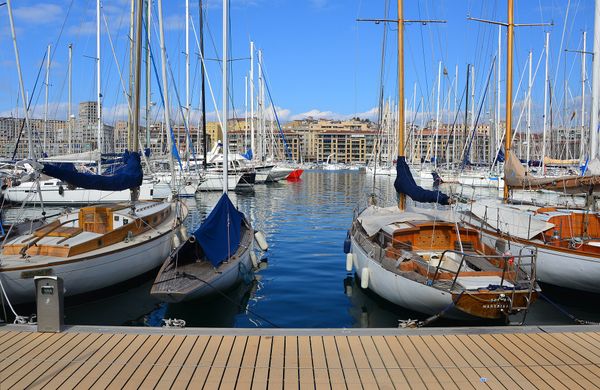
When to visit Marseille for warm seas, open Calanques trails, and a walkable Vieux-Port without the August heat. Month-by-month advice on weather.

When to visit Luxor for comfortable temple weather, thinner crowds or lower prices.

When to visit Split for warm seas, running ferries, and a walkable Diocletian's Palace without the July crush — month-by-month weather and crowds.

Santa Marta is hot all year, so timing is about rain, trade winds, park closures, and crowds rather than temperature — here's how to pick months.
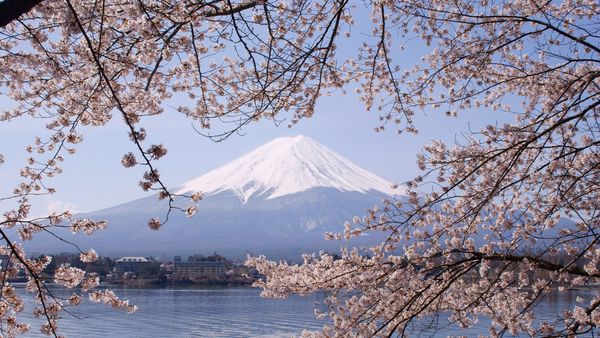
A season-by-season guide to timing a trip to Japan — the cherry blossom of spring and the maple colour of autumn, the humid summer and clear winter.

When to visit Shanghai based on weather, humidity, the plum rains, typhoon season, holidays, and crowds — with practical timing, budget.

When to visit Guangzhou based on weather, humidity, Canton Fair dates, festivals, and crowds. Practical timing, budget.
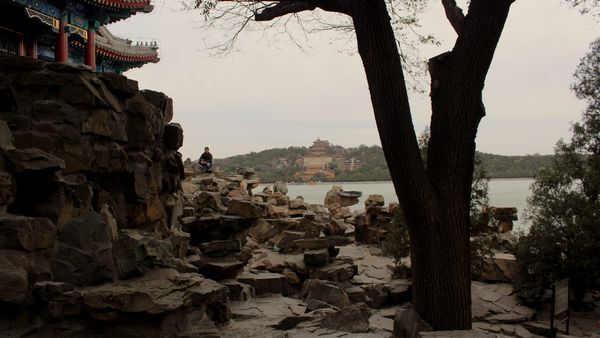
Beijing swings from sub-zero winters to humid monsoon summers, so timing matters. This month-by-month guide covers weather, air quality, crowds.

Quebec City rewards very different travellers in different months — Carnaval revellers in February, festival-goers in July.

Salvador is warm all year, so timing is about rain, festivals and crowds rather than temperature. Here is how to pick the right months for beaches.

When to visit Antwerp for the best weather, fewest crowds, and lowest prices. A season-by-season guide to timing tours of the cathedral.

A village of fewer than 800 people draws over a million visitors a year, so timing is everything in Hallstatt. Here is when to go for open salt mines.

Melbourne runs on reversed southern-hemisphere seasons and famously unpredictable weather. Here is how to pick the right months for the trip you want.
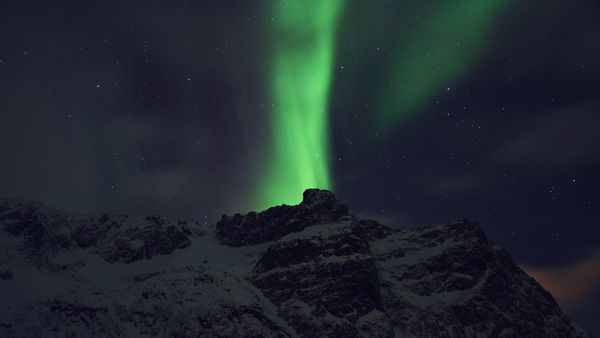
When and how to see the northern lights from Tromsø — the aurora season month by month, why darkness and weather matter more than the forecast.

Iguazú Falls runs all year, but timing shapes everything — water volume, heat, crowds, and cost. Here is how to choose the right months.
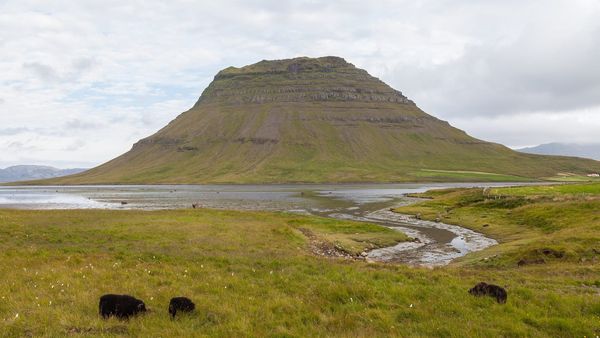
Iceland changes completely with the seasons — northern lights and ice caves in winter.

Venice crowds and acqua alta make timing critical. This guide tells you exactly when to visit for manageable crowds, dry canals.

Madrid's continental climate means sweltering summers and crisp winters — this month-by-month guide tells you exactly when to visit for culture.

Find out when to visit Barcelona based on weather, festivals, beach conditions, and crowd levels — practical advice for first-timers and returnees.

Complete guide to Europe's most magical Christmas markets in Amsterdam, Paris, Vienna, and Munich with tour recommendations, costs.

When to visit London month by month — weather, crowds, costs and events. Why May and September win, and January, February and November are cheapest.
The cheapest windows are the shoulder and low seasons — the weeks on either side of a destination’s peak, when the weather is often still good but demand has dropped. Avoid school holidays, major festivals, and the single busiest month: in most European cities that means travelling in late autumn or early spring rather than July or August. Our when-to-visit calendar flags the quieter, cheaper months for each city.
Shoulder season is the transition period between a destination’s peak and off-peak — typically spring and autumn in temperate climates. It matters because it often combines the best of both: manageable crowds and lower prices alongside weather that is still pleasant. Several guides here, including Venice and Quebec City, single out the shoulder weeks as the sweet spot for a first visit.
Start from the event’s date and work backwards, because many of the best seasonal experiences are not fixed to the calendar. Cherry blossom in Japan shifts a week or two with the spring temperature, the northern lights depend on dark skies and clear weather rather than a set day, and Carnival in Brazil moves each year with Easter. Book accommodation and guides early for date-sensitive events, since they sell out well ahead of peak.
That depends on the destination and on you, which is exactly the trade-off these guides map out. Beach and outdoor trips — such as Bali in its dry season or a Cape Town whale-watching visit — reward prioritising weather, while culturally dense cities can be enjoyed in less-than-perfect conditions and are far better with fewer people. Each guide weighs weather, crowds, festivals, and price so you can decide which matters most for your trip.