
Best Time to Visit Yogyakarta: Dry Season, Crowds & Sunrise
When to visit Yogyakarta: the dry and wet seasons, crowd and price peaks, and the best months for Borobudur sunrise and the Prambanan ballet.
Read the full guideUpdated · 11 min read
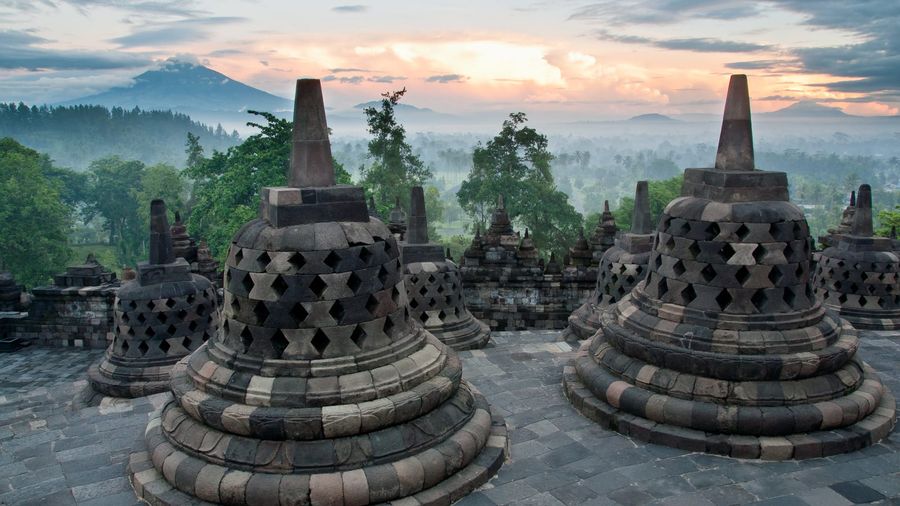
Yogyakarta has just two seasons — a dry one from about April to October and a wet one from November to March — and the dry season is the classic time to visit for temple-hopping, volcano tours, and that famous Borobudur sunrise. But the smartest timing threads between the extremes: May and September give you dry-season weather and the Prambanan ballet without the July–August crowd and price peak, while the quieter wet season rewards travellers who want the temples misty and uncrowded.
Timing a trip to Yogyakarta is simpler than for a four-season city but no less important, because the island's tropical climate, the sunrise-platform crowds, and the full-moon performance calendar all pull on the decision at once. The weather divides neatly into wet and dry, yet the busiest and most expensive weeks do not always line up with the finest conditions. This guide maps the year across Java's cultural capital, so you can align your dates with the weather, the wallet, and the culture together — and read it alongside the wider Indonesia country guide when you plan a longer trip.
How do Yogyakarta's two seasons work?
Yogyakarta sits just south of the equator, so it has no spring, summer, autumn, or winter — only a dry season and a wet one, split by the monsoon. The dry season, roughly April to October, brings reliable sunshine, lower humidity, and the clear morning light the temples are famous for; the wet season, November to March, brings heavy afternoon rain, high humidity, and lush green countryside.
Being tropical, Yogyakarta's weather runs on a monsoon rhythm rather than a temperature one. It is warm all year — daytime highs hover around 30–32°C and nights stay humid in the low twenties — and what changes through the year is the rain. The dry season is defined by sunshine, drier air, and mornings clear enough to see Mount Merapi from the city on a good day. The wet season is not the washout its name suggests: the rain usually comes as an intense but short afternoon or evening storm, leaving many mornings bright, though the humidity is heavier and the sky often hazy. Knowing the city has only these two modes — and that both are warm — is the foundation for choosing your dates.
Which months are the sweet spot?
April through October is the dry season, but the finest balance of weather, value, and manageable crowds falls in May, June, and September. These months keep the dry-season sunshine while sidestepping the July–August peak, so prices ease and the sunrise platform feels less of a scrum.
The table below rates each month for a temple-focused Yogyakarta trip, weighing rain, crowds, and the cultural calendar together.
| Months | Season | Weather | Crowds & prices | Verdict |
|---|---|---|---|---|
| May, Sep | Dry | Clear, good sunrise light | Moderate | Sweet spot |
| Apr, Jun | Dry | Dry and settled | Moderate | Excellent value |
| Jul–Aug | Dry | Finest, driest | Highest of the year | Great weather, peak crush |
| Oct | Dry→transition | Mostly dry, warming up | Easing | Good shoulder |
| Nov, Mar | Wet shoulder | Afternoon showers | Low | Quiet, plan around rain |
| Dec–Feb | Wet (peak) | Heaviest rain, misty | Lowest | Cheapest, flexible plans needed |
The lesson mirrors the city's own monthly guidance: the very best weather and the very worst crowds coincide in July and August, so if your dates are flexible, the shoulder months deliver most of the upside with far less of the cost and congestion.
When should you plan around crowds and prices?
July and August are the busiest and most expensive weeks of the year, driven by school holidays and the northern-hemisphere summer, and they concentrate on Borobudur's limited sunrise platform. Indonesian public holidays and the Idul Fitri travel period also spike domestic tourism, so check the calendar before fixing dates.
Yogyakarta's crowds are shaped by visitors' calendars as much as by its own weather. The sunrise slots at Borobudur are capped and licensed, so in July and August they sell out days ahead and hotel rates climb across the city. Domestic travel also surges around national holidays and especially the Idul Fitri (Lebaran) break at the end of Ramadan, whose dates shift earlier each year on the Islamic calendar — worth confirming, because trains and popular sites fill fast. Outside these windows the city is markedly calmer and cheaper, and a licensed guide can usually be arranged with just a few days' notice rather than weeks.
What's the best time for Borobudur sunrise and the Prambanan ballet?
For the clearest Borobudur sunrise, aim for the dry-season mornings of May and September, when mist settles in the valleys below the stupas but the sky above stays clear. For the open-air Ramayana Ballet at Prambanan, target a full-moon night between May and October, when the performance moves outdoors beneath the floodlit towers.
These two experiences are the strongest argument for dry-season timing. At Borobudur, the magic is the layered effect of dawn light catching the bell-shaped stupas while low mist still fills the Kedu Plain — a scene that depends on clear skies overhead, most reliable in the heart of the dry season. A dawn start also means you tour the upper terraces before the heat and the day-trip buses arrive. At Prambanan, the Ramayana epic is staged on the open-air Trimurti theatre with the 47-metre Shiva tower lit behind the dancers; this outdoor season runs roughly May to October and clusters around full-moon dates. In the wet months the same production continues under a covered stage, so you can always see it — but the floodlit, open-air version is a dry-season reward worth planning around. Both are best booked through a guide who can pair the early Borobudur slot with an afternoon at Prambanan and the evening show, as many visitors combine the world's finest Buddhist and Hindu temple complexes in a single day.
Is the wet season worth considering?
The wet season, November to March, has genuine upside for the right traveller: the lowest prices, the thinnest crowds, the greenest countryside, and mornings that are often dry before the afternoon rain. It suits budget-minded and flexible visitors happy to plan around downpours, with high humidity and softer, mistier light the main trade-offs.
Do not dismiss the wet season out of hand. Room rates fall, the sunrise platform is quiet, and the rice fields and jungle around the temples are at their most vividly green. The classic pattern of bright mornings giving way to afternoon storms means you can pack the temple visits and the Kraton palace into the first half of the day and retreat to Malioboro Street's shophouses, a batik workshop, or a long lunch when the rain comes. For photographers, mist drifting through Borobudur's stupas under grey skies has an atmosphere the dry season never quite matches. The honest trade-offs are the heavy humidity and the occasional morning lost to rain, so keep plans flexible — but for value and quiet, the wet season is a real option, not a consolation prize.
How do you choose a tour, and what does it cost?
Match the tour to your dates and ambitions: a licensed on-site guide for a focused Borobudur visit, or a private full-day guide with transport to link Borobudur, Prambanan, and the Kraton without wasting the day on connections. Book the dry-season sunrise slots and full-moon ballet well ahead; wet-season bookings can be arranged at shorter notice.
A certified guide is the single biggest upgrade to a Yogyakarta trip, because the iconography of both great temples is dense and the logistics between sites eat the day if you go it alone. Typical rates:
| Tour type | Price (IDR) | Details |
|---|---|---|
| Borobudur certified guide | 150,000–300,000 | On-site licensed guide, ~2 hours |
| Kraton palace guided tour | 50,000–100,000 | Palace guide, 1–1.5 hours |
| Merapi jeep lava tour | 350,000–500,000 | Per person, 3–4 hours |
| Borobudur + Prambanan full day | 600,000–1,200,000 | Private guide with transport |
| Full-day private guide | 700,000–1,300,000 | Custom itinerary, all sites |
| Specialist archaeology guide | 1,200,000–2,000,000 | Academic background, per day |
In the July–August peak and around full-moon ballet dates, private guides and sunrise slots book out early; in the quieter wet season, rates are softer and a day or two's notice is usually enough.
How do you get there and get around?
Most visitors arrive by air into Yogyakarta International Airport (YIA), about 45 km west of the centre, or by train to the central Tugu station at the top of Malioboro Street. Within the city, becak rickshaws, ride-hailing apps, and the TransJogja bus cover short hops, while a private car with driver is essential for the out-of-town temples and Merapi.
YIA opened in 2019 at Kulon Progo and handles the region's long-haul and busier domestic flights; a dedicated airport rail link reaches Tugu station in about 40 minutes and is the cheapest, most reliable transfer. Yogyakarta is also one of Java's great rail hubs — executive trains from Jakarta take around seven hours and from Surabaya about five — and Tugu sits within walking distance of the Kraton, Beringharjo Market, and Malioboro's batik stalls. For the temples, the distances make transport part of the plan: Borobudur is 45 km west and Prambanan 17 km east, both far easier by private car than by piecing together local buses. A quick reference:
| Option | Typical cost (IDR) | Best for |
|---|---|---|
| TransJogja city bus | 4,500 per journey | Malioboro and central routes |
| Becak (cycle rickshaw) | 15,000–25,000 per trip | Short Malioboro–Kraton hops |
| Gojek/Grab (app) | 10,000–30,000 | Fast cross-city journeys |
| Private car with driver | 400,000–700,000 per day | Borobudur, Prambanan, Merapi |
Whatever the season, carry small bills for entrance fees and markets, and agree becak and andong fares before you set off.
When should you visit? The quick verdict
For the best all-round trip, come in the dry season and target May or September, dodging the July–August peak. If you are chasing the open-air Prambanan ballet, pick a full-moon night between May and October; if value and quiet matter most, the wet season from November to March is cheaper and calmer, as long as you plan around the afternoon rain.
| Goal | Best time |
|---|---|
| Clearest Borobudur sunrise | May and September |
| Open-air Ramayana Ballet | Full moons, May–October |
| Finest dry weather overall | July–August (but peak crowds) |
| Lowest prices, fewest crowds | December–February |
| Dry weather with thinner crowds | April–June and September |
Related guides
Planning a wider trip through Indonesia and Southeast Asia? These pair well with Yogyakarta:
- Best Time to Visit Bali — timing the beaches, surf, and Hindu festival calendar on Indonesia's most famous island
- Siem Reap & Angkor Temple Tours — another sunrise temple experience across the region
- Bangkok Temple Tours — how to see Southeast Asia's grandest temples without the crowds
Yogyakarta really only asks you to choose between two seasons, but the choice within them is where the trip is made. Come in the dry season for the surest skies and the clearest sunrise, aim for May or September to dodge the summer crowds and cost, or embrace the green, quiet wet season if you value atmosphere and value over guaranteed sun. Whenever you go, start early, book the sunrise and full-moon dates ahead, and let a knowledgeable local guide connect the temples, the court, and the volcano into a single coherent day.
Frequently Asked Questions
What is the best time to visit Yogyakarta?
The dry season, roughly April to October, is the best all-round window — far less rain, clearer temple light, and reliable mornings for Borobudur's sunrise. Within it, May and September are the sweet spot, giving you dry-season weather without the July–August crowd and price peak. The city stays warm year-round, so the decision is about rain and crowds, not temperature.
When is the rainy season in Yogyakarta?
The wet season runs roughly from November to March and peaks between December and February. Rain usually arrives as a heavy afternoon or evening downpour rather than all-day drizzle, so mornings are often still usable for the temples; humidity is high and the light is softer and mistier.
When can I see the Ramayana Ballet at Prambanan?
The open-air Ramayana Ballet plays on the outdoor Trimurti stage, with the floodlit Prambanan towers as a backdrop, during the dry season — broadly May through October, with performances clustered around full-moon nights. In the wet months the show moves to the covered Trimurti theatre nearby, so it runs year-round but the open-air spectacle is a dry-season experience. Book ahead for full-moon dates.
Is Yogyakarta too hot to visit?
No. Yogyakarta is tropical and warm all year, with daytime highs around 30–32°C and humid nights near 23°C, but it is rarely oppressive if you start early. The real variable is rain and haze, not heat — plan temple visits for the cool morning hours and keep the hottest part of the afternoon for shaded markets, museums, or a long lunch.