
Country guide
What makes Indonesia a must-visit destination?
Indonesia defies the singular — it is not one country so much as a civilizational archipelago where Javanese Buddhism, Balinese Hinduism, Sumatran Islam, and Dayak animism each produced distinct art, architecture, and ritual traditions that still function as living culture rather than heritage display.
Java holds the country's two most spectacular archaeological achievements: Borobudur, the world's largest Buddhist temple and a 9th-century stone encyclopedia of Buddhist cosmology visible nowhere else at this scale; and Prambanan, a Shiva-dedicated Hindu compound of 240 temples whose 47-metre central tower was restored from earthquake rubble by UNESCO's largest Southeast Asian conservation effort. The city of Yogyakarta remains an active Sultanate — the only royal court in Indonesia to retain constitutional authority — and its Kraton palace still hosts royal batik, wayang puppet, and gamelan traditions that have been practised without interruption for 270 years.
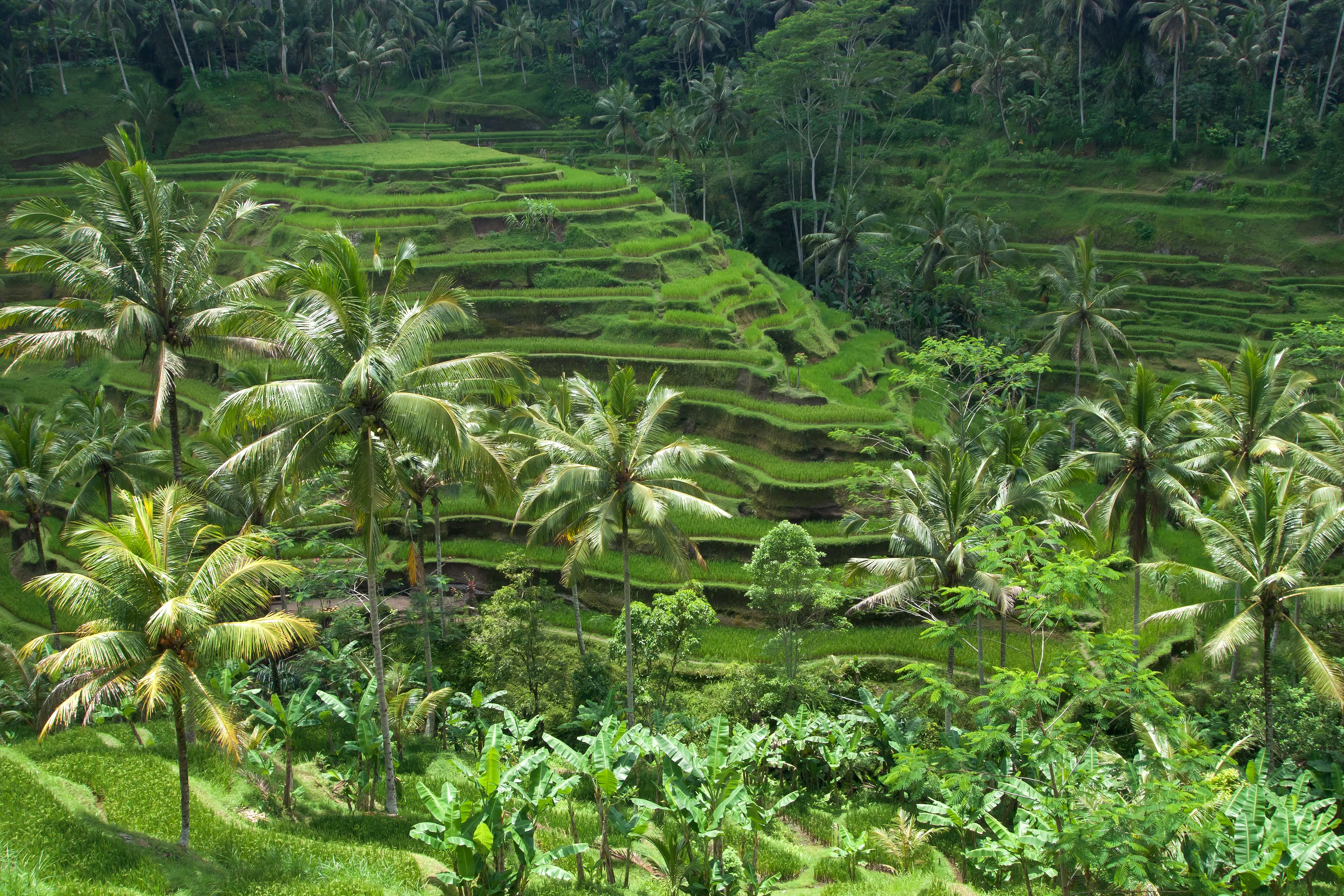
Bali operates on its own cosmological calendar. The island's 83% Hindu population conducts ceremonies, temple festivals, and ritual offerings that have no equivalent elsewhere in Indonesia or Southeast Asia. The UNESCO-recognised Subak irrigation system — a cooperative network of water temples and rice paddies visible at Tegallalang — has maintained Bali's terraced landscapes for over a thousand years. At Tirta Empul, Balinese Hindus still bathe in the same spring where King Mayadenawa was defeated in Balinese Hindu mythology.
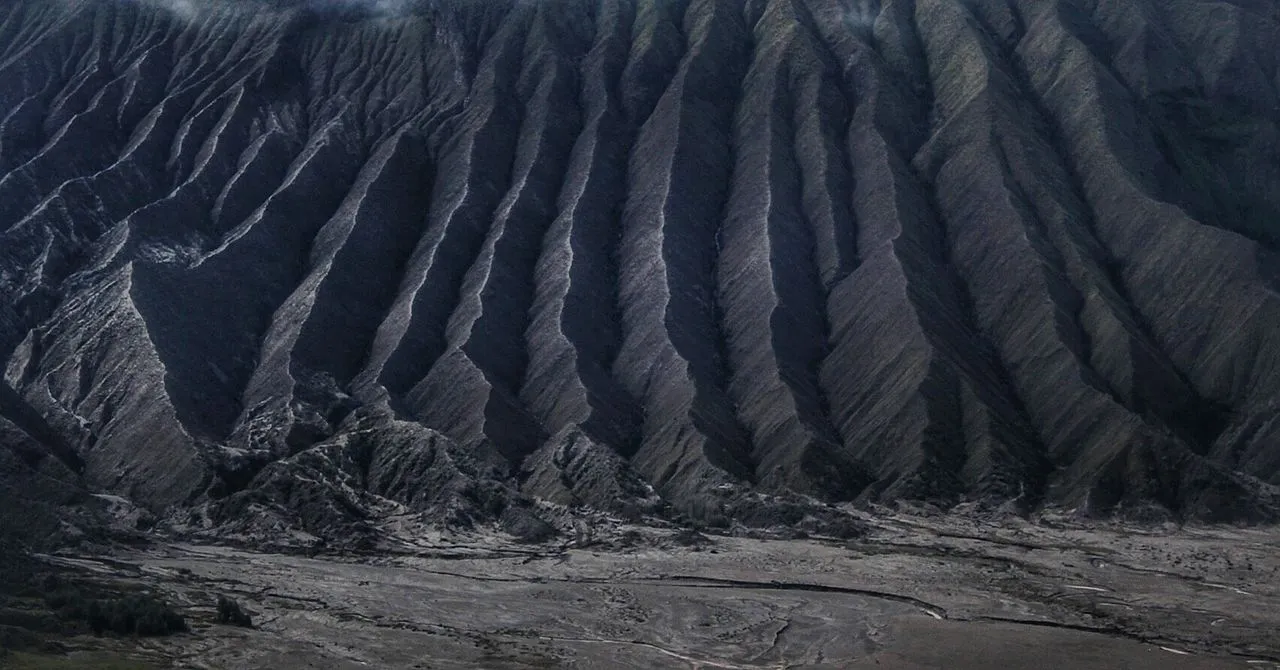
Between these cultural anchors lies a country of extraordinary natural variation: rainforests sheltering orangutans in Borneo, savannah in Komodo where Varanus komodoensis grows to 3 metres, coral reefs across the Banda Sea, and volcanic peaks walkable from the edge of Yogyakarta city. A local guide is not simply useful in Indonesia — it is the difference between tourism and understanding.
- Language
- Indonesian Widely spoken across Indonesia
- Currency
- Rupiah (Rp) Legal tender across Indonesia
- Time zone
- UTC+7 to +9 Local time in Indonesia
- Power plugs
- Types C, F · 230V Sockets used across Indonesia
- Getting around
- Domestic flights & ferries Getting between Indonesia's cities
- Best months
- Apr, May, Jun, Jul, Aug, Sep, Oct Averaged across Indonesia's city ratings
Indonesia timeline
- 8th century
Borobudur rises
The great Buddhist monument anchors Java and Indonesia's deep religious heritage.
-
Majapahit era begins
The empire connected Java, Bali, and maritime Southeast Asia in a lasting cultural frame.
-
Batavia founded
The Dutch East India Company base became the colonial layer beneath modern Jakarta.
-
Independence proclaimed
Modern Indonesia declared independence, giving Jakarta and national monuments their context.
-
Reformasi begins
Political reform changed public life and the way contemporary Indonesia is interpreted.
-
Indian Ocean tsunami
The disaster and recovery changed Aceh and national conversations about resilience.
Local context
Culture and travel signals
Indonesia comprises 17,508 islands spanning the width of the continental United States
Of Indonesia's islands, approximately 6,000 are inhabited; the five main islands — Sumatra, Java, Kalimantan, Sulawesi, and Papua — account for over 90% of the total land area; Java alone, with roughly 145 million people, is the most densely populated island on earth and contains the cultural heartland of Borobudur and Prambanan
Indonesia hosts over 130 active volcanoes — the highest concentration on earth
The archipelago sits on the Pacific Ring of Fire; Mount Merapi near Yogyakarta has erupted more than 68 times in recorded history and remains one of the most active and closely monitored volcanoes in the world; volcanic soil from centuries of eruptions has made Java and Bali exceptionally fertile, directly sustaining the rice-farming culture that built the Subak irrigation system now recognized as UNESCO World Heritage
Bali is home to over 10,000 Hindu temples and holds daily religious ceremonies
Despite Indonesia being the world's most populous Muslim-majority country, Bali's population is approximately 83% Hindu — a living Balinese Hindu tradition that infuses daily life with temple offerings, processions, and ceremonies visible on every street corner; the density of active temples means virtually every neighbourhood celebrates a temple anniversary (odalan) every 210 days in the Balinese calendar
Borobudur was built with 2 million stone blocks over a 75-year construction period
The 8th–9th century Sailendra dynasty temple contains 2,672 relief panels and 504 Buddha statues arranged across nine stacked platforms; it was buried under volcanic ash and jungle for nearly 1,000 years before rediscovery by British Lieutenant Governor Sir Thomas Stamford Raffles in 1814; UNESCO-led restoration from 1975 to 1983 re-assembled the structure using the original stones
Source: tour-guide.com — Free to cite with attribution
Season planner
A year in Indonesia
Use this best time to visit snapshot as a country-wide average, then check the city guides for local timing.
Mar-May
Spring
Spring holds up well for guided travel in Indonesia, averaging Mar-May (4/5).
Jun-Aug
Summer
Summer is Indonesia's strongest guide window — Jun-Aug (5/5) across its cities.
Sep-Nov
Autumn
Autumn holds up well for guided travel in Indonesia, averaging Sep-Nov (4/5).
Dec-Feb
Winter
Winter stays workable in Indonesia at Dec-Feb (3/5), so lean on city-by-city timing.
Where should you go in Indonesia?
Bali — Island of the Gods
Bali is Indonesia's cultural flagship — a Hindu island in the world's largest Muslim-majority country, where temple ceremonies, rice terrace walks, and traditional artisan craft villages form the texture of daily life. The cultural heartland centres on Ubud, surrounded by Tegallalang's terraced rice paddies, the Sacred Monkey Forest of Mandala Wisata Wenara Wana, and the holy spring temple of Tirta Empul.
Yogyakarta — The Sultan's City
Yogyakarta — known to Indonesians simply as Jogja — is Java's cultural capital: an active Sultanate surrounded by two of the world's greatest ancient monuments. Borobudur, 45 km west, is the world's largest Buddhist temple; Prambanan, 17 km east, is Indonesia's greatest Hindu compound; and the Kraton royal palace at the city's centre has housed an unbroken royal lineage since 1755.
Must-see attractions across Indonesia
Jump past the planning and straight to what makes Indonesia memorable, city by city. A guided visit is where the specifics click into place.
What do visitors need to know about Indonesia?
Finding a Guide
- Licensed Borobudur guides — the Balai Konservasi Borobudur (BKB) maintains a register of certified guides at the temple entrance; licensed guides are mandatory for the restricted sunrise platform
- Bali certified guides — the Indonesian Tour Guide Association (HPI) certifies guides in Bali; reputable agencies in Ubud and Seminyak maintain rosters with language specialisations
- Hotel concierge — major hotels in both Bali and Yogyakarta offer reliable guide connections with vetted transport for day trips to major sites
- GetYourGuide and Viator — useful for comparing group and private options with English-language reviews; filter by specific sites
Typical Costs
| Tour Type | Price Range |
|---|---|
| Bali cultural day tour (private) | IDR 600,000–1,200,000 (USD 40–75) |
| Borobudur certified guide | IDR 150,000–300,000 (USD 10–20) |
| Borobudur + Prambanan full-day guide | IDR 600,000–1,200,000 (USD 40–75) |
| Ubud area half-day guide | IDR 400,000–800,000 (USD 25–50) |
| Specialist academic guide (full day) | IDR 1,200,000–2,000,000 (USD 75–125) |
Must-See Experiences
- Borobudur — sunrise on the world's largest Buddhist temple
- Prambanan — Indonesia's most spectacular Hindu temple compound
- Tegallalang Rice Terraces — Bali's iconic UNESCO Subak terraced landscape
- Tirta Empul Temple — join a Balinese purification ceremony at a 10th-century holy spring
- Sacred Monkey Forest Ubud — sacred macaque sanctuary with 14th-century Hindu temples
- Kraton Yogyakarta — an active royal palace where Javanese court culture still breathes
Tips for Visitors
- Visa — citizens of most countries receive a free 30-day visa on arrival; the B211A visa extension allows up to 60 additional days; confirm your nationality's current status before travel
- Currency — Indonesian Rupiah (IDR/Rp); ATMs are widely available in Bali and Yogyakarta; carry small bills for temple entrance fees and local markets
- Dress code — a sarong and sash are required at all Hindu temples in Bali; most temples loan them at the entrance or sell them cheaply at gate vendors
- Rainy season — November through March brings heavy afternoon rain; plan outdoor sites and rice terrace walks before noon
- Mount Merapi — the active volcano near Yogyakarta is monitored 24 hours by BPPTKG; check alert levels before booking a Merapi trekking tour
- Bargaining — expected at markets (Malioboro Street in Yogyakarta, Ubud Art Market in Bali); not appropriate at fixed-price restaurants or government sites
Frequently Asked Questions
When is the best time to visit Indonesia?
Indonesia's dry season runs from April through October, when rainfall is minimal, skies are reliably clear, and outdoor activities from temple exploration to trekking are most enjoyable. Bali's peak months are July and August — beautiful weather but accommodation prices surge and Borobudur's sunrise platforms are crowded. The shoulder months of April–May and September–October offer the same dry conditions with notably thinner crowds. The wet season from November through March brings daily afternoon downpours, particularly heavy in Java and Bali; temple complexes like Borobudur and Prambanan remain accessible but rice terraces in Bali reach their most vivid green. A knowledgeable guide can structure itineraries around the monsoon patterns specific to each island.
How much does a local tour guide cost in Indonesia?
Indonesia offers outstanding guide value across a wide price spectrum. In Bali, private cultural guides for Ubud's temples, rice terraces, and artisan villages charge IDR 400,000–800,000 (USD 25–50) per half day. A certified Borobudur guide — mandatory for accessing the restricted sunrise platform — costs IDR 150,000–300,000 (USD 10–20) for a two-hour tour. Full-day private guides covering both Borobudur and Prambanan in a single day run IDR 600,000–1,200,000 (USD 40–75). Specialist English-speaking guides with academic backgrounds in Javanese archaeology or Balinese Hinduism charge IDR 1,200,000–2,000,000 (USD 75–125) per day and transform abstract temple iconography into comprehensible historical narrative.
Is Indonesia safe for independent travellers?
The main tourist regions of Bali, Yogyakarta, and Lombok are generally safe, with petty theft in crowded markets and tourist areas the primary concern. The greater challenge is navigating Indonesia's extraordinary cultural and linguistic complexity independently — the country spans over 300 distinct ethnic groups, and temple ceremonies, local customs, and sacred site protocols vary significantly between islands. At active religious sites like Tirta Empul, where Balinese Hindus perform the melukat purification ritual, a guide ensures visitors participate with appropriate respect and understanding. Indonesia's road conditions outside major cities are variable, and a guide with reliable transport eliminates the logistical uncertainty that consumes independent travellers' time.