
Yogyakarta timeline
- 9th century
UNESCO World Heritage listing
a catastrophic earthquake in the 9th century toppled much of the complex, and large-scale restoration by UNESCO and the Indonesian government began in the 1990s;
-
The Sultanate is founded
The Treaty of Giyanti splits the Mataram realm; Prince Mangkubumi takes the throne as Sultan Hamengkubuwono I and lays out the Kraton and its north–south axis, founding the city.
-
The British storm the Kraton
Forces under Lieutenant-Governor Stamford Raffles sack the palace in the Geger Sepehi assault, carrying off royal manuscripts and treasure.
-
The Java War begins
Prince Diponegoro of Yogyakarta leads a five-year revolt against Dutch rule that costs an estimated 200,000 Javanese lives before his capture in 1830.
-
Republic turning point
When Dutch forces threatened Jakarta after the 1945 proclamation of independence, the young republic moved its capital to Yogyakarta in January 1946 under the.
-
Capital of the young Republic
Indonesia moves its revolutionary capital to Yogyakarta; Sultan Hamengkubuwono IX throws his court behind the independence struggle.
-
Republic independence
Yogyakarta was the capital of the Republic of Indonesia during the 1946–1949 independence struggle.
-
Special Region status
Yogyakarta is confirmed as a self-governing Special Region under its Sultan, the only such arrangement in Indonesia — a status it still holds.
-
Earthquake and recovery
A magnitude-6.4 earthquake south of the city kills roughly 5,700 people and damages Prambanan, prompting a major restoration campaign.
- 8th–9th c. CE
Borobudur and Prambanan rise
The Sailendra and Sanjaya dynasties of the Medang kingdom build the two greatest monuments of ancient Java within decades of each other on the fertile Kedu and Prambanan plains.
Cited city facts
Key facts for visiting Yogyakarta
Borobudur contains 2,672 relief panels and 504 Buddha statues — the largest Buddhist monument on earth
Built by the Sailendra dynasty between approximately 770 and 825 CE, Borobudur's nine stacked platforms required an estimated 2 million stone blocks and 75 years of construction; the relief panels, if laid end-to-end, would extend over 6 km; the temple was buried under volcanic ash and jungle for nearly 1,000 years and was only rediscovered and systematically excavated from 1814 onward
Prambanan's Shiva temple stands 47 metres tall — the tallest Hindu temple in Southeast Asia
The Prambanan compound originally contained 240 temples, of which the three main Trimurti towers dedicated to Brahma, Vishnu, and Shiva are the most intact; a catastrophic earthquake in the 9th century toppled much of the complex, and large-scale restoration by UNESCO and the Indonesian government began in the 1990s; Prambanan suffered additional earthquake damage in 2006 but restoration continued
Mount Merapi has erupted more than 68 times in recorded history
Visible from Yogyakarta on clear mornings, Merapi is one of the most active volcanoes on earth; its 2010 eruption displaced 350,000 people and killed 353 — the most destructive eruption in a century; despite this, Merapi's fertile volcanic slopes are densely farmed and the volcano is considered a spiritual protector by many Yogyakartans who regard it as the northern guardian of the Sultanate's mystical axis
Yogyakarta was the capital of the Republic of Indonesia during the 1946–1949 independence struggle
When Dutch forces threatened Jakarta after the 1945 proclamation of independence, the young republic moved its capital to Yogyakarta in January 1946 under the protection of Sultan Hamengkubuwono IX, who placed his court and its resources behind the revolution; the city was captured in the Dutch "Operation Kraai" offensive of December 1948 before the republic returned in 1949, and Yogyakarta's wartime role is why it was later confirmed as a self-governing Special Region with its Sultan as hereditary governor
Source: tour-guide.com — Free to cite with attribution
Things to see
What are the top attractions in Yogyakarta?
- Borobudur — the world's largest Buddhist temple: 2,672 relief panels, 504 Buddha statues, and legendary sunrise tours 45 km west of the city
- Prambanan — a UNESCO World Heritage Hindu temple compound with a 47-metre Shiva tower and Ramayana ballet performances at full moon
- Kraton Yogyakarta — an active royal palace with gamelan performances, royal batik displays, and wayang kulit shadow puppet collections
- Mount Merapi — one of the world's most active volcanoes, viewable by jeep lava tour from the city's northern edge
- Malioboro Street — Yogyakarta's historic commercial artery with batik workshops, silver dealers, and the Beringharjo Market
- Candi Mendut — a lesser-visited 9th-century Buddhist temple 3 km from Borobudur housing three large stone Buddhas in near-original condition
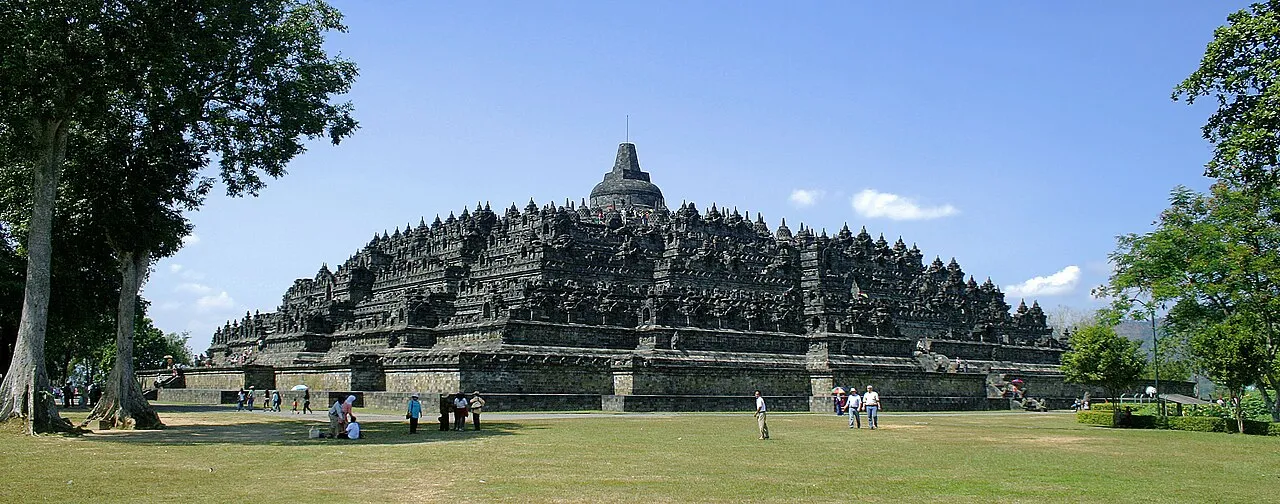
Borobudur
The world's largest Buddhist temple — a 9th-century stone encyclopedia of Buddhist cosmology
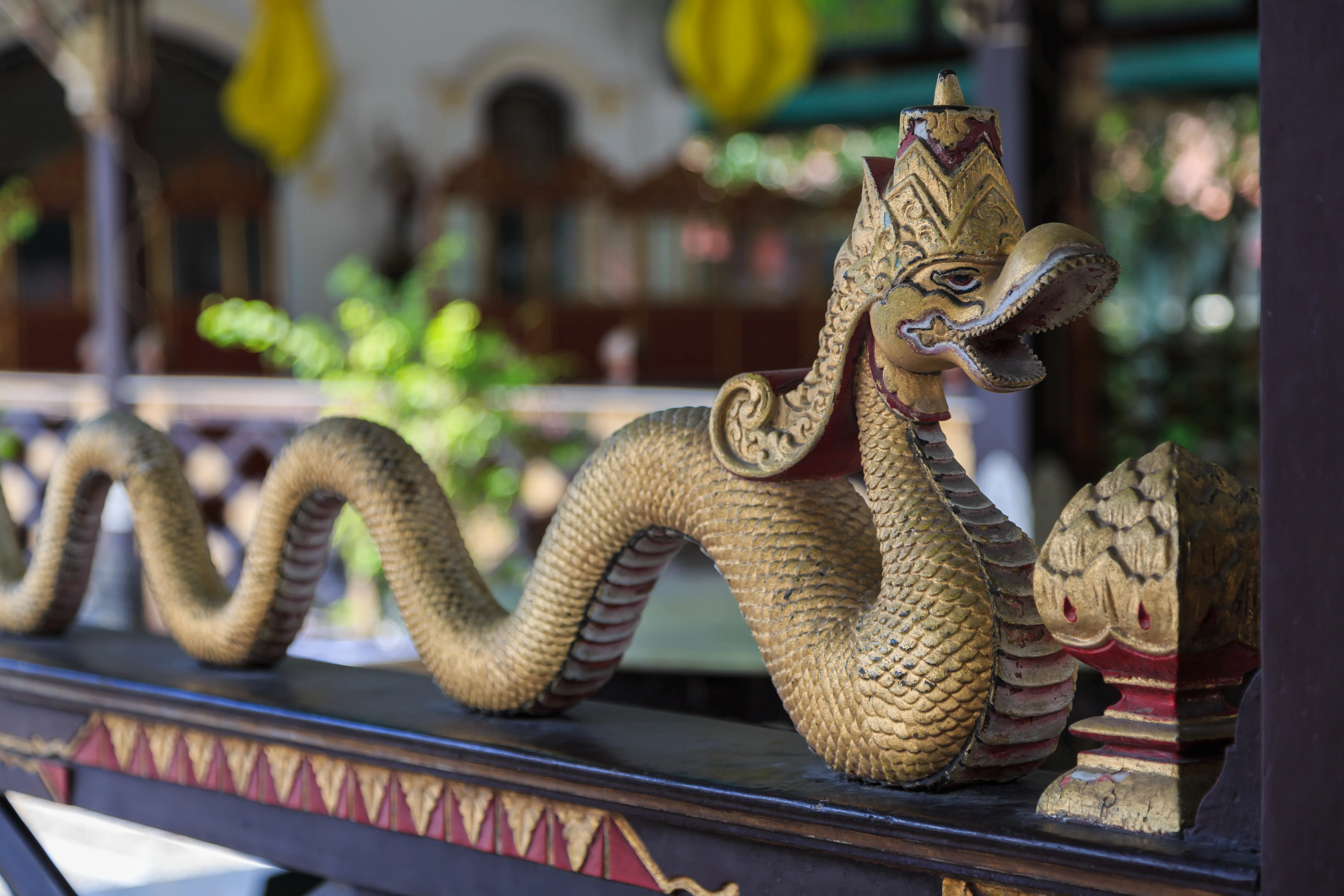
Kraton Yogyakarta
A living royal palace where Javanese court culture has continued without interruption since 1755
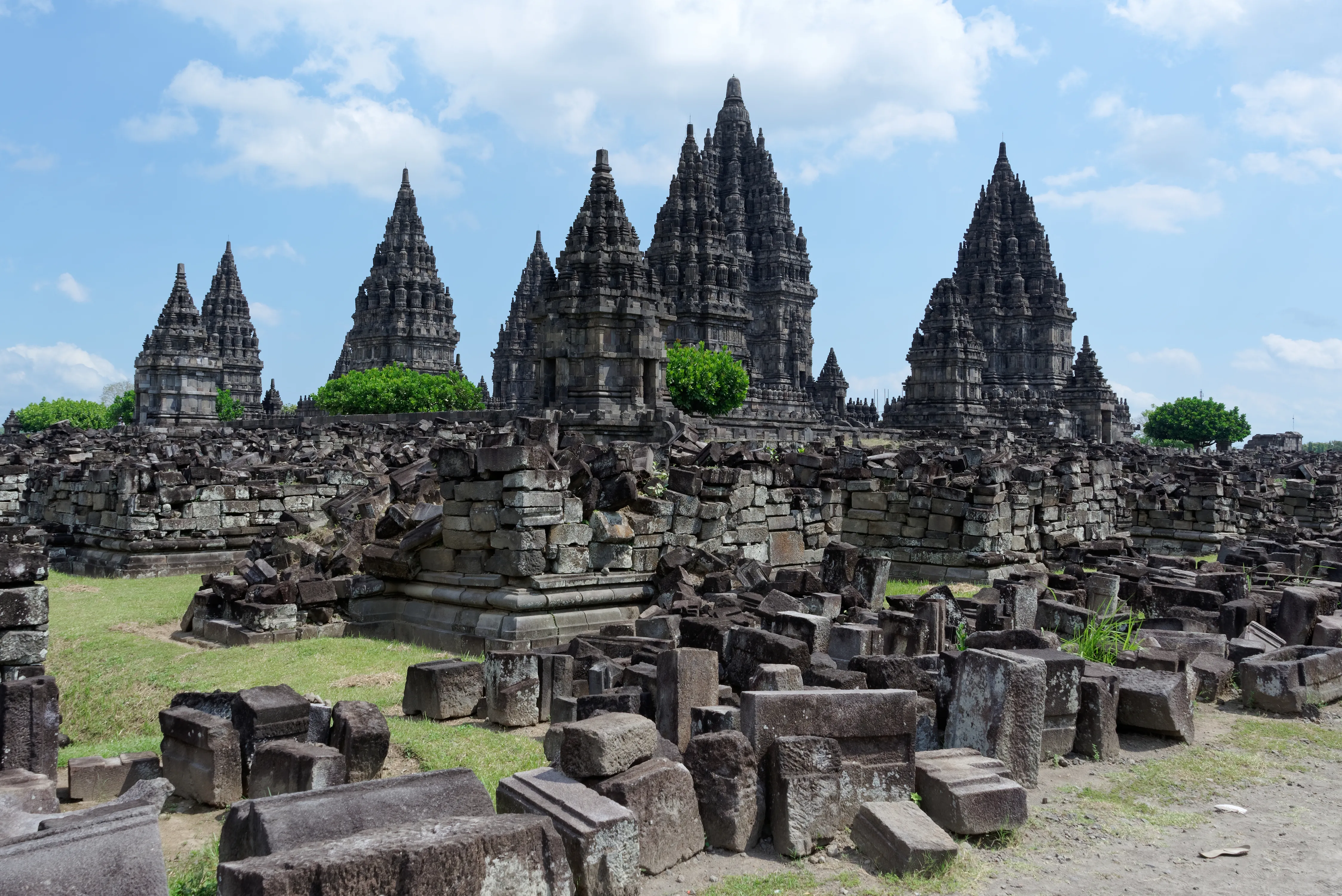
Prambanan
Three soaring Trimurti towers at Indonesia's greatest Hindu compound — a thousand years of Javanese civilization
Guide planning
How much does a tour guide cost in Yogyakarta?
| Tour Type | Price | Details |
|---|---|---|
| Borobudur certified guide | IDR 150,000–300,000 | On-site licensed guide, 2 hours |
| Borobudur + Prambanan full day | IDR 600,000–1,200,000 | Private guide with transport |
| Kraton palace guided tour | IDR 50,000–100,000 | Palace guide, 1–1.5 hours |
| Merapi jeep lava tour | IDR 350,000–500,000 | Per person, 3–4 hours |
| Full-day Yogyakarta private guide | IDR 700,000–1,300,000 | Custom itinerary, all sites |
| Specialist Javanese archaeology guide | IDR 1,200,000–2,000,000 | Academic background, per day |
Season planner
When is the best time to visit Yogyakarta?
April through October is Yogyakarta's dry season and the best window for visiting — Borobudur's sunrise silhouettes appear above the morning mist most clearly in May and September, and temple photography benefits from sharp dry-season light. July and August bring peak crowds to Borobudur's sunrise platform; book tickets several days in advance. The Ramayana ballet at Prambanan's open-air Trimurti theatre operates during full moon nights from May through October — one of Indonesia's most spectacular cultural performances, with the floodlit temple towers as backdrop. The wet season (November–March) brings daily afternoon rain; Borobudur and Prambanan remain accessible in the morning, and misty jungle conditions around Borobudur add atmospheric character to photography.
Spring
Mar-May
Summer
Jun-Aug
Autumn
Sep-Nov
Winter
Dec-Feb
Each score averages that season’s monthly ratings out of 5. The top-rated window is usually the peak season too, so read the guidance above for its trade-offs before you book.
On the ground
How do you get around Yogyakarta?
- TransJogja bus — affordable air-conditioned city buses covering major tourist routes including Malioboro and the Kraton area (IDR 4,500 per journey)
- Becak (cycle rickshaw) — ideal for short Malioboro–Kraton distances (IDR 15,000–25,000 per trip); negotiate before boarding
- Gojek/Grab motorcycle taxi — fastest option for cross-city journeys (IDR 10,000–30,000); both apps work reliably throughout the city
- Private car with driver — IDR 400,000–700,000 per day; essential for Borobudur (45 km), Prambanan (17 km), and Merapi tours
- Andong (horse-drawn carriage) — traditional transport along Malioboro Street (IDR 30,000–60,000); scenic but slow; negotiated rate in advance
Frequently Asked Questions
How many days do I need in Yogyakarta?
Three full days covers the essential circuit: one day for Borobudur (arriving at sunrise and staying through late morning), a second for Prambanan and the Kraton palace with Malioboro Street in the evening, and a third for Mount Merapi volcano exploration or the Prambanan Ramayana ballet performance at full moon. Five days allows deeper exploration: the silversmithing village of Kotagede, the batik workshops of the Kraton district, a Merapi lava tour by jeep, and the lesser-known temple complexes of Candi Mendut and Candi Pawon near Borobudur that most visitors miss.
Can I visit both Borobudur and Prambanan in one day?
Yes, and this combination is the most popular day trip from Yogyakarta. The standard itinerary starts at Borobudur by 6 AM for sunrise on the upper terraces, tours the temple with a guide through mid-morning, then drives 90 minutes east to Prambanan for a two-hour afternoon visit. A private guide with vehicle handles the logistics efficiently — public transport between the two sites requires multiple changes and consumes most of the day. The combination gives you the world's finest Buddhist and Hindu temple complexes within a single extraordinary day.
Is Yogyakarta still an active Sultanate?
Yes — uniquely among Indonesian cities, Yogyakarta retains a functioning Sultanate with genuine political authority. Sultan Hamengkubuwono X, the tenth ruler since the palace was founded in 1755, also serves as the Governor of the Yogyakarta Special Region by constitutional provision — a dual role no other Indonesian territory holds. The Kraton royal palace at the city centre is still the Sultan's official residence, and daily Javanese court traditions of batik weaving, wayang kulit shadow puppetry, and gamelan performance continue in the palace pavilions. A guide navigates the complex etiquette of palace visiting — what may be photographed, where visitors are welcome, and which ceremonies are open to respectful observers.
How do I get to Yogyakarta, and how far is the airport?
Most visitors arrive by air or by train. Yogyakarta International Airport (YIA) at Kulon Progo, roughly 45 km west of the centre, opened in 2019 and now handles the region's long-haul and busier domestic flights; the older Adisutjipto airport, 8 km east of the city, keeps a few short-haul services. A dedicated airport rail link connects YIA to the central Yogyakarta (Tugu) station in about 40 minutes, and it is the cheapest, most reliable transfer into town. Yogyakarta is also one of Java's great rail hubs: executive trains from Jakarta's Gambir station reach Tugu in around seven hours, and services from Surabaya take roughly five. Tugu station sits at the top of Malioboro Street, so the Kraton, Beringharjo Market, and Malioboro's batik stalls are walkable on arrival, while Borobudur and Prambanan are best reached by the private car or TransJogja options set out below.