
Best Time to Visit Salvador
Salvador is warm all year, so timing is about rain, festivals and crowds rather than temperature. Here is how to pick the right months for beaches.
Read the full guideUpdated · 10 min read
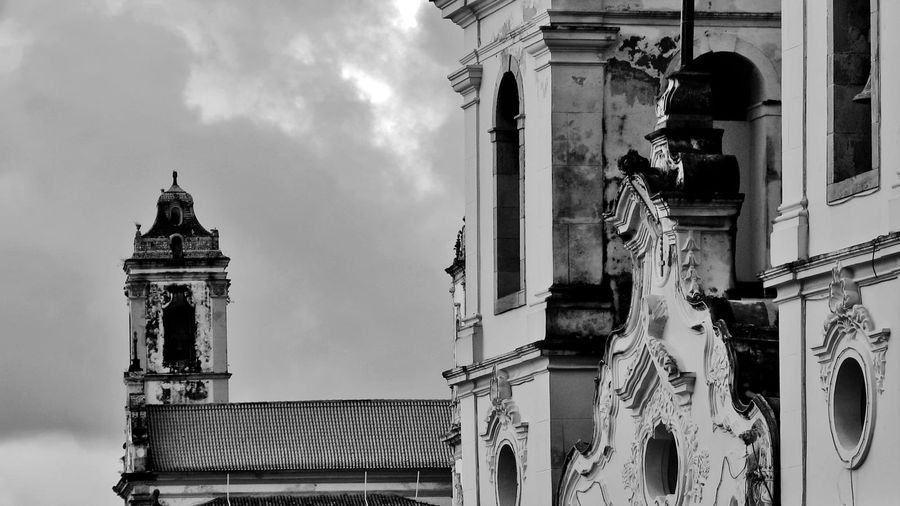
Salvador is warm every month of the year, so the real question is not temperature but rain, festivals and crowds. The driest, sunniest window runs from September to March, which is prime time for the beaches and open-air music. Come in February for the world-famous Carnival if you can handle peak prices, or in the quieter, cheaper wet months from April to July if you would rather have Pelourinho to yourself.
Perched on a peninsula above the Bay of All Saints, Salvador sits close to the equator, and its weather reflects that. There is no winter to plan around and no month that is genuinely cold — daytime highs hover in the high twenties to low thirties Celsius from January to December. What does change through the year is how much rain falls, how busy the city feels, and which of Bahia's great celebrations are on. Getting the timing right in Brazil's first capital is mostly about matching those variables to the trip you actually want.
What is the short version of when to visit Salvador?
Aim for the drier half of the year, September to March, for reliable beach weather and comfortable sightseeing. Layer festivals on top: February for Carnival, early February for the Iemanjá offerings at Rio Vermelho, and mid-January for the washing of the Bonfim church. If budget and quiet matter more than events, the wetter April-to-July stretch is the calmest and cheapest time to go.
- Best all-round weather: September to March — drier, sunny, and ideal for the coast and for walking tours
- Biggest festivals: late December through February, culminating in Carnival — thrilling but expensive and crowded
- Quietest and cheapest: April to July — more rain but shorter showers, lower prices, and far fewer visitors
- Book well ahead for: Carnival, New Year, and the January and February festival weeks, when rooms and guides sell out first
What is Salvador's dry season like (September to March)?
This is Salvador at its most welcoming. Rainfall drops, the sun holds for long stretches, and the sea warms to the point where a full beach day at Porto da Barra or Farol da Barra feels effortless. It is the best window for unhurried walks through the colonial centre and for open-air performances, though December onward brings rising prices as the festival season builds.
From September the skies clear and the humidity becomes easier to live with, opening the finest months for exploring on foot. The steep cobblestones of the historic centre are far more pleasant when they are dry, and the golden light on the pastel facades of Pelourinho is at its best in the late afternoon. This is also the season when the city's beaches come into their own: the urban sands at Porto da Barra, sheltered inside the bay, are calm enough for swimming, and sunset gatherings by the Barra lighthouse draw locals and visitors alike.
The catch is that the dry season overlaps with the busiest and priciest part of the calendar. From the New Year's Eve celebrations on the beaches through Carnival, demand for rooms and English-speaking guides climbs steadily. If your priority is good weather without the festival crush, target September to November — the sweet spot of reliable sun, moderate crowds and prices that have not yet spiked.
Should you plan your trip around Carnival and Salvador's festivals?
Only if the spectacle is the point. Salvador's Carnival is a colossal street party built around trio elétrico sound trucks rather than a ticketed stadium parade, and it is genuinely one of the largest in the world. That energy comes at a cost: sky-high prices, packed streets and guides booked out months in advance. The city's smaller January and February festivals offer much of Bahia's spirit with a fraction of the strain.
Salvador's Carnival, usually falling in February in the days before Lent, is the headline event — a days-long, largely free street celebration where enormous trio elétrico trucks roll through neighbourhoods trailing crowds that can number in the hundreds of thousands. It is exhilarating, but it is not a relaxing introduction to the city, and everything from flights to a simple Pelourinho walking tour should be reserved months ahead.
For a deeper cultural experience without Carnival's intensity, consider timing your visit to one of Bahia's quieter traditions:
- Lavagem do Bonfim (mid-January) — On the second Thursday of January, Baiana women in white ceremonially wash the steps of the Church of Nosso Senhor do Bonfim, one of the most photographed religious events in Brazil and a vivid meeting of Catholic and candomblé devotion.
- Festa de Iemanjá (2 February) — At Rio Vermelho, offerings of flowers and gifts are carried out to sea in honour of Iemanjá, the candomblé goddess of the ocean — a moving, colourful day best experienced alongside a knowledgeable local.
- Réveillon (31 December) — New Year's Eve fills the beaches with music and fireworks, a warm-up act for the Carnival season that follows.
What about visiting Salvador in the wet season (April to July)?
Do not write it off. Bahia's rains are heaviest between April and July, but they usually arrive as short, intense afternoon downpours rather than all-day grey. The reward is a noticeably calmer, cheaper city, with lower room rates and guides who have the time to tailor a slower, more personal tour. A flexible itinerary and a light rain jacket are all it really takes.
The months from April to July see Salvador's highest rainfall, yet the pattern matters as much as the total: showers tend to be brief and heavy, clearing to leave humid but bright afternoons. With careful planning — indoor visits to churches and museums timed for the wettest hours, beach and walking time saved for the clear spells — the rain rarely derails a trip. What you gain is space. Hotel prices ease, the historic centre feels unhurried, and cultural sites that heave during Carnival are quiet enough for real conversation.
This is when a good guide earns their keep most. With fewer visitors competing for attention, a local can read the sky, reshuffle the day's plan around a passing squall, and steer you toward the covered capoeira rodas and live-music bars that keep Bahia's rhythm going whatever the weather.
How should you choose your Salvador tours by season?
The core experiences run year-round, but the season should shape how you weight them. A guided walk through Pelourinho suits any month, cultural tours built around capoeira and Bahian cooking are perfect for rainy afternoons, and beach-focused or full-day itineraries make the most of the dry season's reliable sun. Whatever the month, prioritise a guide for both context and safety in the old town.
Salvador's layered Afro-Brazilian history rewards guided exploration, and the main tour formats work across the calendar with a little seasonal steering:
- Pelourinho walking tours — The essential introduction to the UNESCO-listed old town runs about R$100–150 ($20–30) per person and works in any season, though dry-season footing on the cobbles is easier. A guide unlocks the layered story behind Pelourinho's colourful facades and churches.
- Cultural tours (capoeira and cuisine) — At roughly R$200–350 ($40–70), these capoeira, candomblé and Bahian-food experiences are the ideal way to spend a wet-season afternoon, since most of the action happens under cover.
- Half-day private tours — Around R$500–700 ($100–140), a private guide can combine the historic centre with a ride on the landmark Elevador Lacerda and a stop at the Bonfim church, adapting the route to the day's weather.
- Full-day private tours — At about R$800–1,100 ($160–220), a full day lets you pair the old town with the beaches and viewpoints of the Barra district, which is why it shines most in the sunny months.
How does timing affect your Salvador budget?
The calendar is the single biggest lever on cost. Carnival, New Year and the January and February festival weeks are when hotels charge the most and sell out earliest. The wet season from April to July is the cheapest, and the September-to-November shoulder gives you dry-season weather before the festive-season price surge. Guided-tour rates stay broadly stable, so most of your savings come from accommodation and flights.
Prices in Salvador swing hard with the festival calendar. A room that is affordable in May can triple during Carnival week, and the same is true of New Year's Eve on the beaches. If you are watching costs, the April-to-July wet season delivers the lowest rates, while September to November offers the best value for money in the dry season — good weather without the late-December-onward spike. Guide fees themselves move far less across the year than hotel and flight prices do, so booking a knowledgeable local is a fixed, reliable line in your budget whenever you travel. As with anywhere in Brazil, carry some reais in cash for smaller vendors and confirm current tour prices when you book, since exchange rates shift over time.
What local logistics should you know for Salvador?
A few practicalities hold true whenever you visit. The city splits into an upper and a lower town linked by the historic Lacerda elevator; a metro line and extensive buses cover the wider area; and ride-share apps are the safest way to move after dark. Wear sturdy shoes for the cobbles, keep valuables out of sight in the old town, and pack for heat and sudden rain in equal measure.
Salvador is built on two levels — the Cidade Alta (upper city) of the historic centre and the Cidade Baixa (lower city) by the port — connected by the Elevador Lacerda, a century-old public elevator that doubles as a viewpoint over the Bay of All Saints. Getting around is straightforward with a little local knowledge:
- Metro and buses — A metro line links the airport and outer districts to the centre, and buses reach almost everywhere for a low fare, though routes can baffle first-timers without help.
- Ride-share apps — Uber and 99 run reliably and are the recommended option at night, when they are safer and clearer on price than flagging a taxi.
- On foot in the old town — Pelourinho is best explored walking, but the cobbled streets are steep and uneven, so wear proper shoes, stick to busy areas, and keep phones and valuables tucked away.
- Pack for the climate — Whatever the month, bring light, breathable clothing, strong sun protection and plenty of water; add a compact rain jacket if you are travelling between April and July.
Choose your month honestly. Come in the sunny stretch from September to March for beaches and blue skies, brave the February crowds for Carnival's once-in-a-lifetime energy, or slip in during the quiet wet months for lower prices and a city that feels like your own — and let what you most want from Bahia, rather than the dates on the calendar, decide when you go.
Frequently Asked Questions
When is the best time to visit Salvador?
September to March is the driest, sunniest stretch and the best window for beach days and long walks through the historic centre. December to February adds the biggest festivals but the highest prices and crowds.
What months are the rainy season in Salvador?
The wetter months run roughly from April to July, when short, heavy afternoon downpours are common. Rain rarely lasts all day, and these are the quietest and cheapest months to visit.
Is Salvador worth visiting during Carnival?
Yes, if you want spectacle over calm. Salvador's February street Carnival is one of the largest in the world, but accommodation and guides book out months ahead and prices peak. Choose another month for a quieter, more affordable trip.
How hot does Salvador get?
Salvador is warm all year, with daytime highs usually between 28 and 32 degrees Celsius and high humidity. There is no cold season, so pack light clothing, sun protection and water whenever you go.