Country guide
What makes Brazil a must-visit destination?
Brazil is South America's largest country, offering extraordinary diversity: from the Amazon rainforest containing 10% of Earth's biodiversity to the iconic beaches of Rio, colonial architecture in Salvador, thundering Iguazu Falls, and the vibrant rhythm of samba and carnival.
With Portuguese as the official language and limited English outside major tourist areas, English-speaking guides are essential for deeper cultural understanding. They navigate safety concerns, decode local customs, and reveal authentic Brazil beyond the stereotypes.
- Language
- Portuguese Widely spoken across Brazil
- Currency
- Brazilian real (R$) Legal tender across Brazil
- Time zone
- UTC−2 to −5 Local time in Brazil
- Power plugs
- Types C, N · 127/220V Sockets used across Brazil
- Getting around
- Domestic flights & buses Getting between Brazil's cities
- Best months
- Mar, Apr, May, Jun, Jul, Aug, Sep, Oct, Nov Averaged across Brazil's city ratings
Brazil timeline
-
Portuguese landfall
Cabral reached the coast, beginning the colonial period behind Salvador, Rio, and coastal heritage.
-
Independence proclaimed
Brazil became independent as an empire, a distinct path visible in monuments and civic museums.
-
Slavery abolished
The Golden Law ended slavery and remains central to understanding Afro-Brazilian history and memory sites.
-
Brasilia inaugurated
The new capital expressed modernist ambition and shifted the national map inland.
-
Citizen constitution
The post-dictatorship constitution reframed civic institutions, rights, and federal identity.
-
Rio hosts the Olympics
The Games added a modern event layer to Rio de Janeiro's beach, port, and transit story.
Local context
Culture and travel signals
Argentina is the single largest source of Brazil's foreign visitors
International arrivals rebounded strongly after the pandemic, with neighbouring Argentina reliably the top source market and Rio de Janeiro and São Paulo the busiest gateways, even though Brazil still draws far fewer visitors than its continental scale might suggest
The Amazon Rainforest spans 5.5 million square kilometers
About 60% of the Amazon lies within Brazil's borders, holding an estimated 390 billion individual trees across some 16,000 species and discharging roughly 20% of the world's river water into the ocean
23 UNESCO World Heritage Sites — the most in South America
Brazil's inscribed properties range from the colonial centre of Salvador da Bahia and the modernist capital Brasília to natural reserves like the Pantanal and the Fernando de Noronha archipelago
Carnival in Rio draws around 2 million people a day to street parties
The pre-Lenten celebration spans roughly five days, and while the ticketed Sambadrome parades are its televised centrepiece, it is the hundreds of free blocos winding through the neighbourhoods that pull the biggest crowds
Iguaçu Falls fans out into around 275 separate cascades
Straddling the Brazil–Argentina border and protected as a UNESCO World Heritage site since 1986, Iguaçu National Park shelters a chain of waterfalls stretching nearly 3 kilometres, with drops reaching about 80 metres at the Devil's Throat
Source: tour-guide.com — Free to cite with attribution
Season planner
A year in Brazil
Use this best time to visit snapshot as a country-wide average, then check the city guides for local timing.
Mar-May
Spring
Spring holds up well for guided travel in Brazil, averaging Mar-May (4/5).
Jun-Aug
Summer
Summer holds up well for guided travel in Brazil, averaging Jun-Aug (4/5).
Sep-Nov
Autumn
Autumn holds up well for guided travel in Brazil, averaging Sep-Nov (4/5).
Dec-Feb
Winter
Winter stays workable in Brazil at Dec-Feb (3/5), so lean on city-by-city timing.
Where should you go in Brazil?
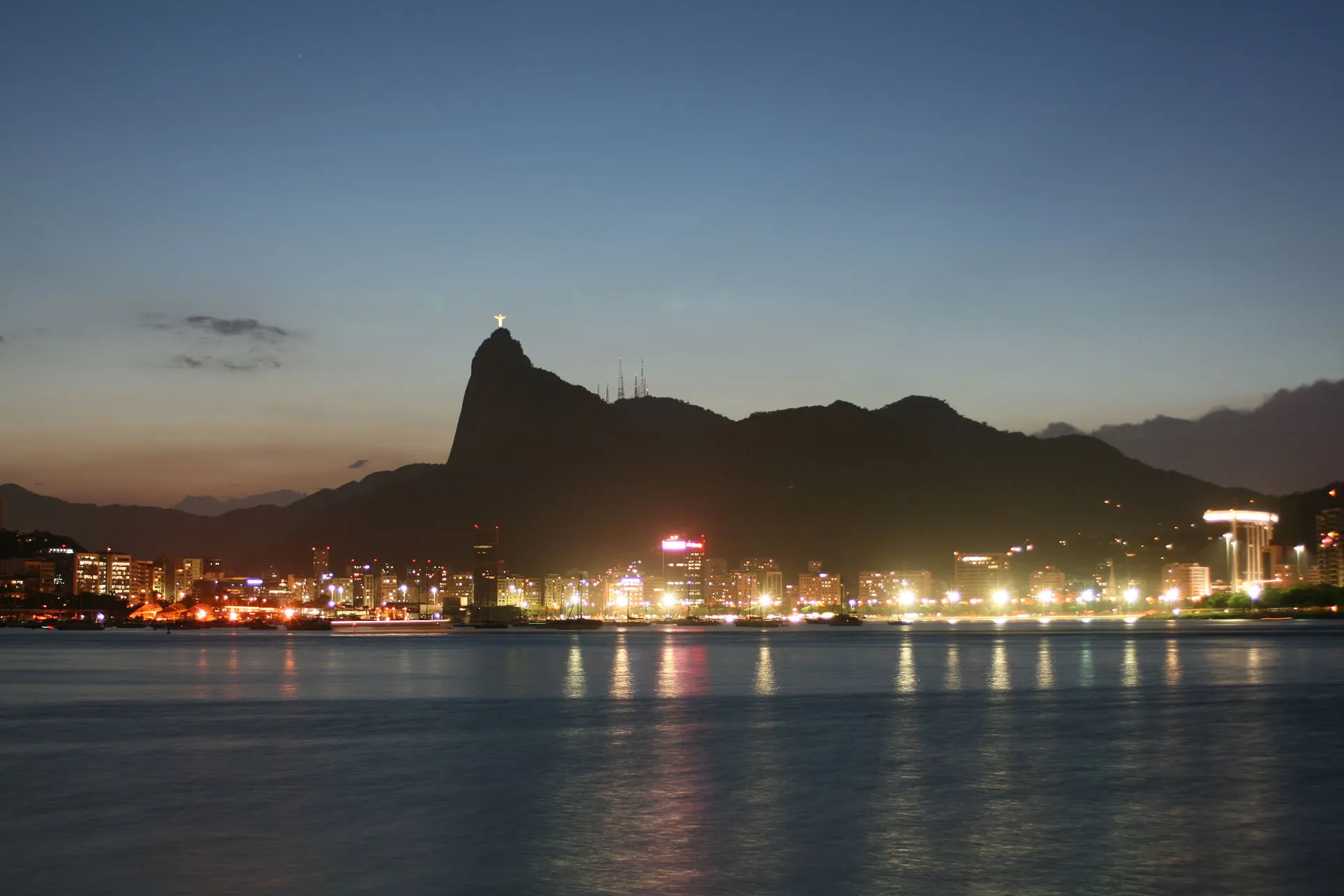
Rio de Janeiro earns its nickname as the Marvelous City the moment Christ the Redeemer appears above the clouds, arms outstretched over Copacabana's crescent beach and the granite dome of Sugarloaf.
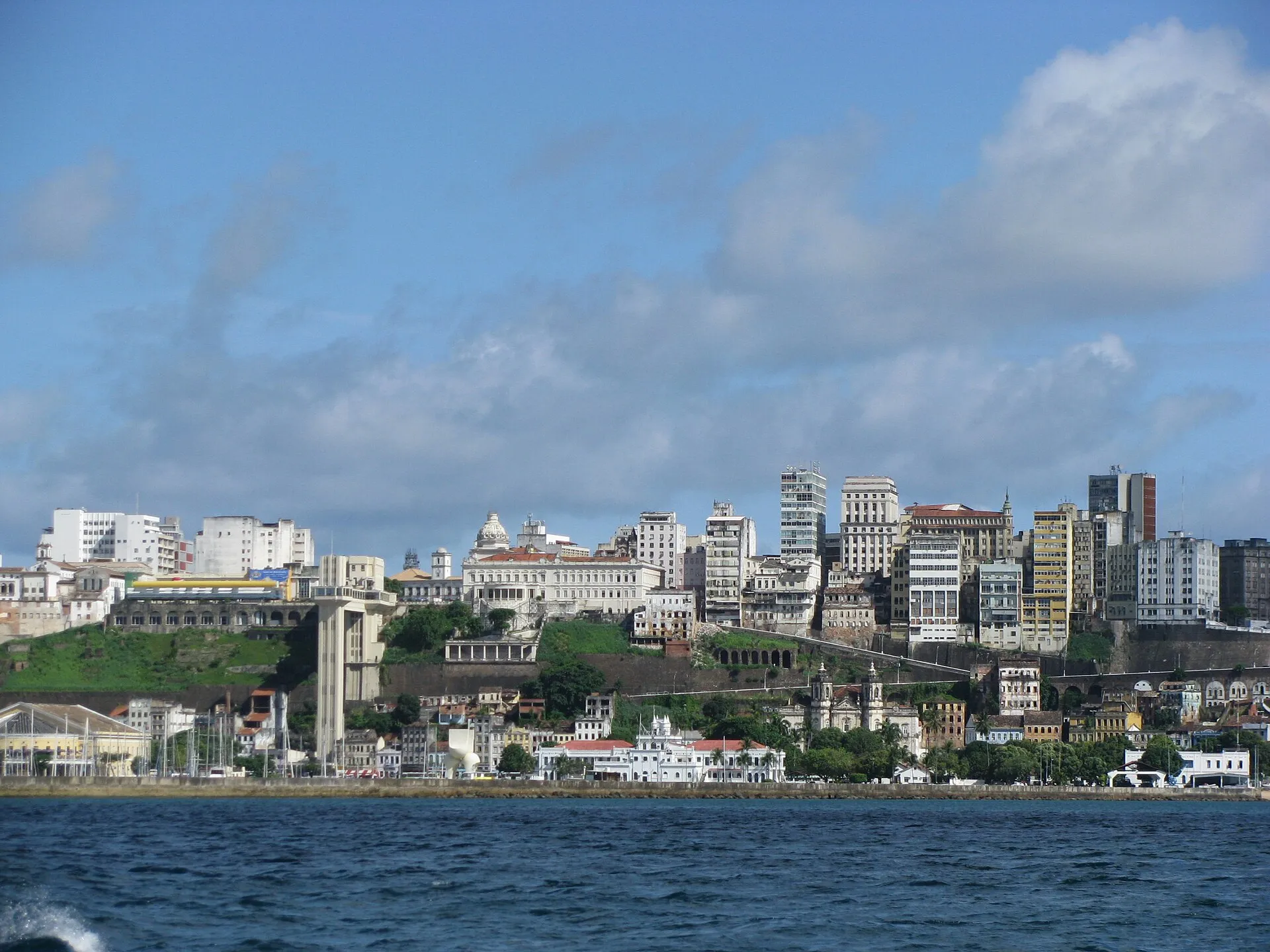
Salvador, further up the coast, beats to a different rhythm entirely — Afro-Brazilian drumming echoes through the pastel colonial facades of Pelourinho, and Carnival here carries a raw energy that predates Rio's sequined parades.
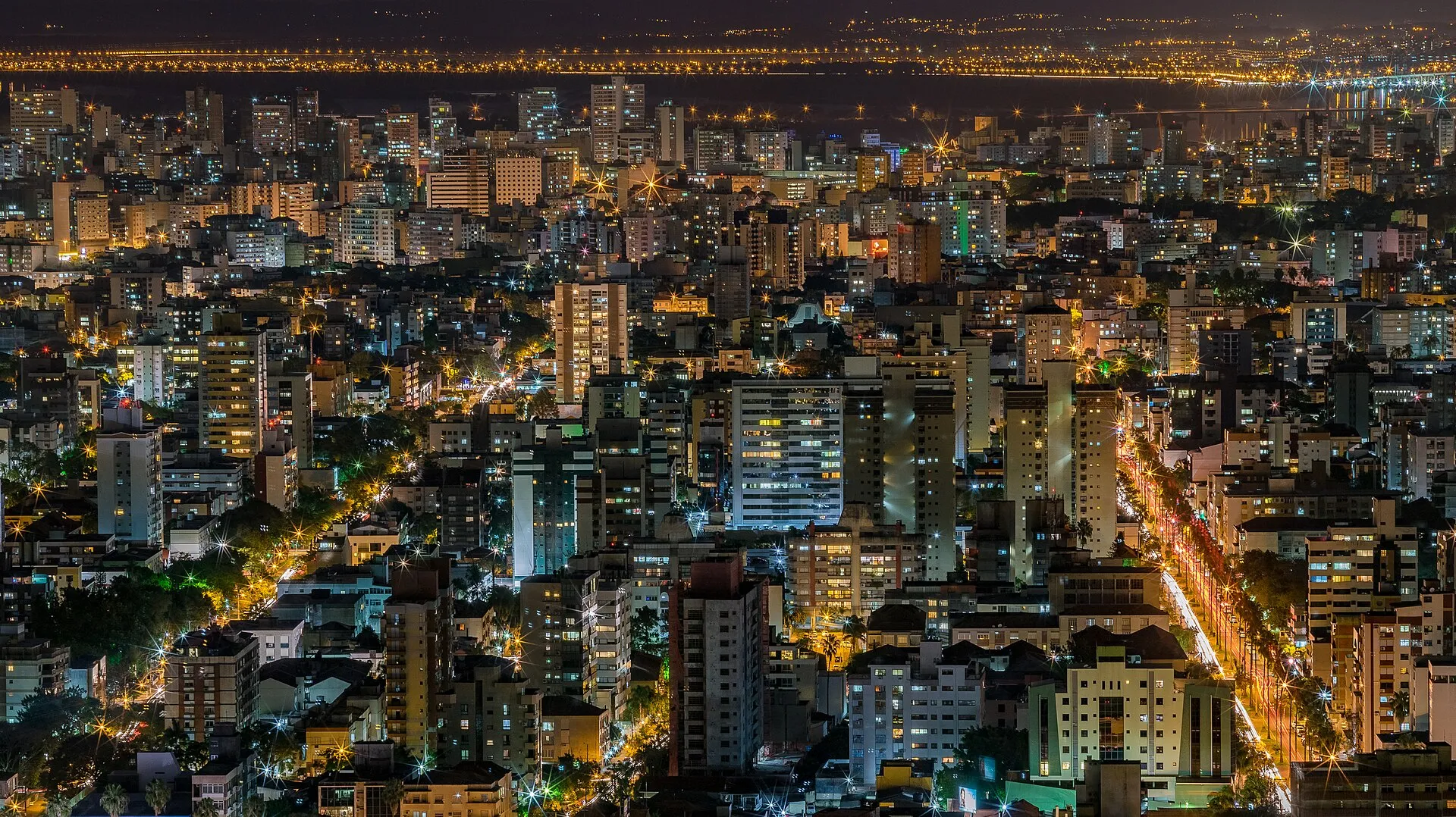
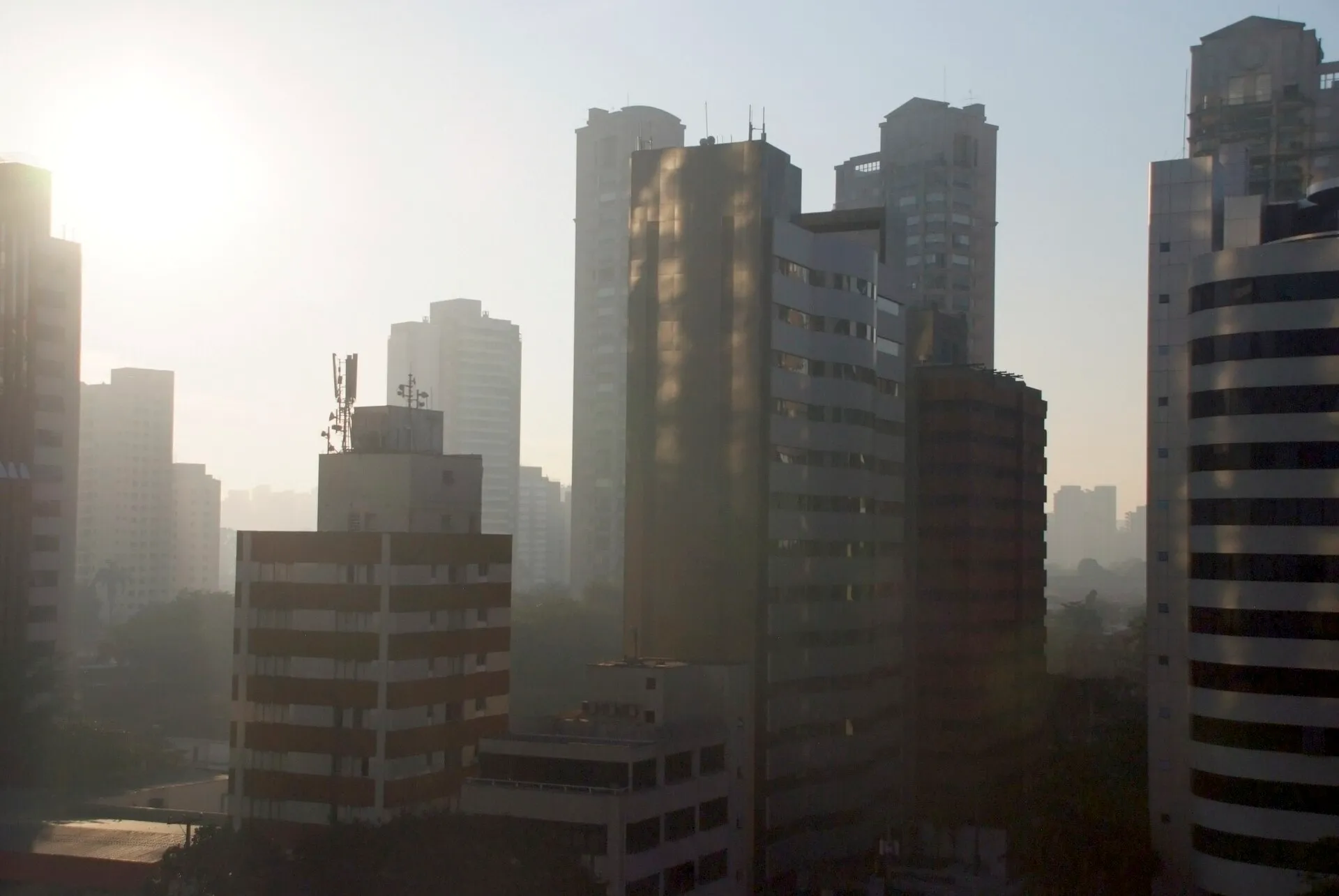
São Paulo trades postcard scenery for cultural muscle, housing the acclaimed MASP collection along Paulista Avenue and the sprawling green refuge of Ibirapuera Park, all surrounded by a restaurant scene that ranks among the most inventive in the Southern Hemisphere.
Must-see attractions across Brazil
From coast to capital, here are the places worth building a Brazil itinerary around — and the kind of detail a guide fills in on site.
What do visitors need to know about Brazil?
Finding a Guide
- CADASTUR-certified guides — look for the official Brazilian tourism registry certification for quality and safety assurance
- Gray Line Brazil, Rio Cultural Secrets, and Viator-verified operators employ vetted English-speaking guides
- Trusted hotels maintain relationships with reliable guides — especially important for safety in Rio
- Eco-lodges — for Amazon, Pantanal, or Atlantic Forest experiences, book through established lodges with naturalist guides
Typical Costs
| Tour Type | Price Range |
|---|---|
| Group walking tour | R$80–150 ($16–30) per person |
| Private half-day guide | R$400–700 ($80–140) |
| Private full-day guide | R$700–1,200 ($140–240) |
| Ethical favela tour (local guides) | R$150–250 per person |
| Amazon naturalist guide | R$500–800 per day |
Must-See Experiences
- Christ the Redeemer — iconic monument with panoramic views over Rio
- Sugarloaf Mountain — cable car ride and unforgettable sunset viewpoints
- Copacabana & Ipanema — beach culture and carioca lifestyle
- Amazon Rainforest — multi-day jungle expeditions with naturalist guides
- Iguazu Falls — one of the world's most spectacular waterfalls
- Pelourinho, Salvador — colonial architecture and Afro-Brazilian culture
- Samba & Carnival — Lapa nightlife and music traditions in Rio
Tips for Visitors
- Safety first — use trusted guides, especially in Rio; avoid displaying valuables and follow guide instructions
- Language barrier — English proficiency varies; confirm your guide's fluency when booking
- Carnival planning — book guides 4–6 months ahead for the February carnival period
- Amazon logistics — multi-day tours require advance planning; lodges handle guide arrangements
- Yellow fever — vaccination recommended for Amazon and Pantanal regions
- Currency — carry reais (R$); credit cards are widely accepted in cities but cash is needed elsewhere
Frequently Asked Questions
What is the best time of year to visit Brazil?
Rio de Janeiro is a year-round destination, though December through March is hot and rainy. For Carnival (usually February), book guides four to six months ahead. The dry season from May through September is best for the Amazon and Iguazu Falls. Southern Brazil (Sao Paulo) is coolest from June to August.
How much does a private tour guide cost in Brazil?
For a group experience — say a favela community walk or a Copacabana historical stroll — budget R$80–150 ($16–30) per person. Hiring a private guide for a half day costs R$400–700 ($80–140), which is well worth it for navigating Rio de Janeiro's diverse neighborhoods or arranging tastings at São Paulo's best restaurants.
Do I need to speak the local language to travel in Brazil?
With Portuguese as the official language and limited English outside major tourist areas, English-speaking guides are essential for deeper cultural understanding. In Rio de Janeiro, they navigate favela safety protocols and decode carioca slang; in Salvador, they explain the Candomblé rituals and African rhythms that pulse through the Pelourinho quarter.
Is it safe to travel in Brazil as a tourist?
Millions of visitors travel Brazil safely each year, but big cities reward street smarts. Stick to well-populated areas, leave passports and expensive jewellery in the hotel safe, and use ride-hailing apps or a licensed taxi after dark rather than walking unfamiliar streets. In Rio de Janeiro, a local guide is genuinely useful for reading which neighbourhoods and beaches are relaxed and which are not — especially for any favela visit, which should only ever be done with a community-based operator. Guides certified by the national CADASTUR tourism registry are a reliable baseline for vetted operators.
How do I get around Brazil between cities?
Brazil is continental in scale — São Paulo to Salvador is roughly 1,500 km — so domestic flights are the practical way to cover long distances, with LATAM, GOL, and Azul linking every major hub. For shorter hops, Brazil's long-distance buses (ônibus) are comfortable and frequent, and leito overnight services have reclining sleeper seats. Within a city, a guide will steer you toward the metro in Rio de Janeiro and São Paulo and away from rush-hour gridlock.