

Rio de Janeiro timeline
-
Rio de Janeiro founded
Portuguese forces founded the city at Guanabara Bay during the campaign to expel a French colony from the bay.
-
Colonial capital moves
Rio became capital of Portuguese America, concentrating ports, churches, and administration.
-
Royal court arrives
The Portuguese court fled Napoleon to Rio, turning the city into the capital of an empire.
-
Capital moves to Brasília
After nearly two centuries at the centre of national power, Rio ceded the capital to the new inland city of Brasília.
-
UNESCO World Heritage
UNESCO inscribed Rio's mountain-and-sea setting as the "Carioca Landscapes" cultural landscape.
-
Olympic city
The Summer Olympics added modern transit, port redevelopment, and global event infrastructure.
Cited city facts
Key facts for visiting Rio de Janeiro
Carioca Landscapes inscribed by UNESCO in 2012
Rio became the first place recognised for an urban cultural landscape when UNESCO inscribed the "Carioca Landscapes between the Mountain and the Sea," spanning Corcovado, Sugarloaf, the Tijuca Forest, and the bay-side beaches
2 million spectators during Carnival
Rio's Carnival draws roughly two million people a day to the Sambadrome parades and the hundreds of free street blocos each February, generating over US$1 billion for the local economy
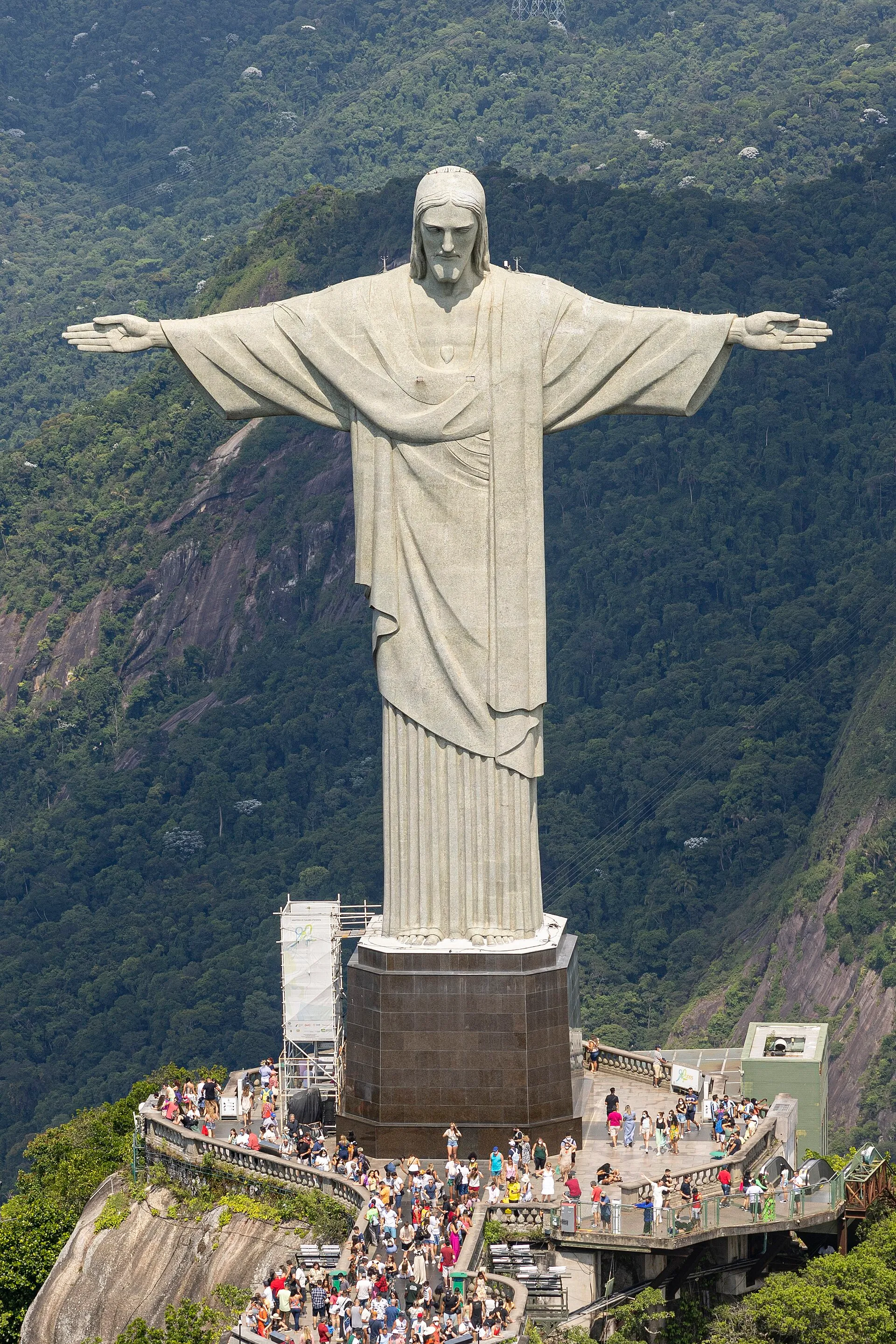
38 metres tall, 28 metres wide
Christ the Redeemer's outstretched arms span 28 metres atop Corcovado Mountain at 710 metres elevation, making the Art Deco statue — one of the New Seven Wonders of the World — visible from almost every neighbourhood
Tijuca Forest: 32 km² of replanted urban rainforest
Rio wraps around the world's largest hand-planted urban forest, replanted from the 1860s after coffee plantations stripped the slopes, and now protected within Tijuca National Park
Capital of Brazil for nearly two centuries
Rio served as capital of Portuguese America from 1763, of the transplanted Portuguese empire after the royal court arrived in 1808, and of independent Brazil until the title passed to Brasília in 1960
90+ beaches along 75 km of coastline
The municipality of Rio de Janeiro stretches along more than 75 kilometres of Atlantic coastline, offering over ninety distinct beaches from Barra da Tijuca to Grumari
Source: tour-guide.com — Free to cite with attribution
Things to see
What are the top attractions in Rio de Janeiro?
Rio's signature sights divide neatly between its two great viewpoints and its beach-and-forest life at sea level:
- Christ the Redeemer at sunrise — the 38-metre Art Deco statue on Corcovado draws the fewest crowds and the clearest light in the first hour after the 8 AM opening
- Sugarloaf Mountain at sunset — the two-stage cable car, running since 1912, frames the whole bay in golden hour; pair it with Christ in the morning for a classic single-day double
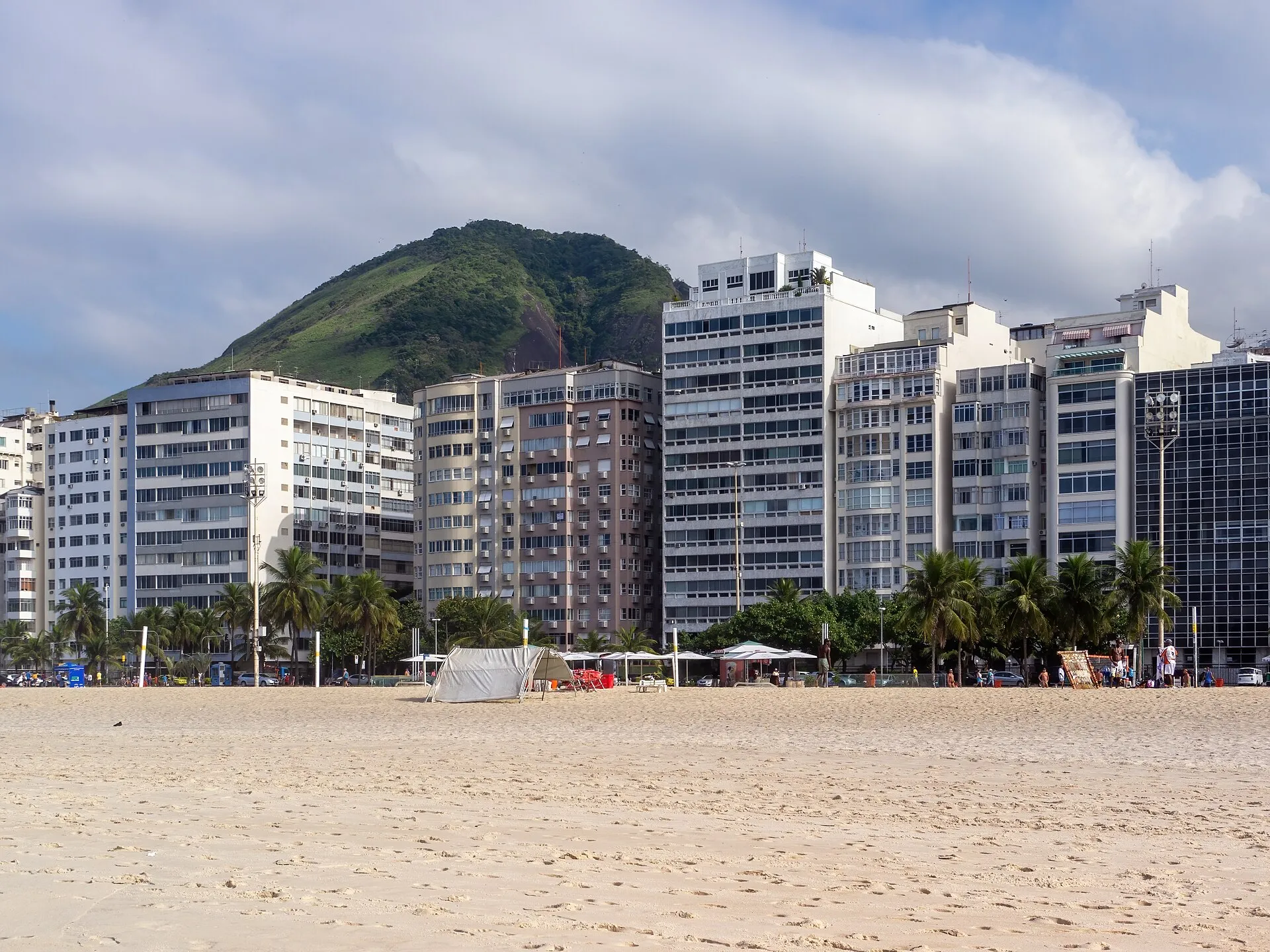
- Beach culture on Copacabana and Ipanema — futevôlei, fresh água de coco, and the Burle Marx wave promenade define the carioca outdoor living room
- Ethical favela tours — community-led walks in Rocinha or Vidigal, run with resident guides rather than the poverty-tourism model
- Lapa nightlife — the aqueduct arches, samba clubs, and Friday–Saturday street parties beneath the Santa Teresa hill
- Tijuca Forest — hikes to waterfalls and the Vista Chinesa lookout inside the world's largest hand-planted urban rainforest
🛐 Christ the Redeemer
Rio's iconic statue atop Corcovado Mountain
🏞️ Copacabana Beach
Iconic 4km curve of carioca beach culture
🏞️ Sugarloaf Mountain
Cable car to breathtaking Rio views

Guide planning
How much does a tour guide cost in Rio de Janeiro?
| Tour Type | Price | Details |
|---|---|---|
| Group Tours | R$100-180 ($20-35) | Per person |
| Christ + Sugarloaf | R$500-800 ($100-160) | Private |
| Favela Tours | R$200-300 ($40-60) | Ethical tours |
| Full-Day Private | R$800-1,200 ($160-240) | — |
Book a Local Guide
The guides below are independent local businesses we recommend purely on editorial merit. We don't sell placement and we earn no commission when you book with them — see our booking and affiliate disclosure.

Rio Hiking
Rio Hiking has been running guided outdoor adventures in and around the city since 2002, covering the Tijuca Forest trails, the Pedra da Gávea summit, the Corcovado approach on foot, and the Sugarloaf circuit. Their guides are certified mountain professionals who combine detailed knowledge of the Atlantic Forest ecosystem with Rio's social and urban geography — essential context for a city where nature and neighbourhood life are inseparably intertwined.

Be a Local Tours Rio
Be a Local connects travellers with Rio-born guides for neighbourhood walks through Santa Teresa, Lapa, and the Zona Sul that combine local knowledge with a genuine understanding of the city's social dynamics. Their favela tour — run in partnership with community organisations — presents a nuanced picture of life in Rio's hillside communities, far removed from the poverty-tourism model that leaves visitors with the wrong takeaway. A thoughtful way to engage with the real city.
Season planner
When is the best time to visit Rio de Janeiro?
- Best months — April–June and August–October bring mild, drier weather and thinner crowds; the dry winter also gives the clearest views from Christ the Redeemer and Sugarloaf
- Peak heat — December–March is hot and humid, with frequent afternoon thunderstorms that can shroud the summits; book summit tickets days ahead
- Carnival (February or early March) — the city's defining event; the Sambadrome parades and hundreds of free street blocos fill every neighbourhood, and guides and hotels sell out four to six months ahead
- Réveillon (31 December) — more than two million people in white gather on Copacabana for the New Year fireworks and offerings to the sea-goddess Iemanjá
- Festa de São Sebastião (20 January) honours the city's patron saint, and in alternate years the biennial Rock in Rio festival (September) fills the Olympic Park in Barra
On the ground
How do you get around Rio de Janeiro?
The MetrôRio subway (single fare around R$6.50) covers the South Zone from Copacabana through Botafogo to Centro, with Line 4 extending west to Barra da Tijuca. In the revived downtown and port district the modern VLT light-rail tram links the ferry terminal, the cruise port, and Santos Dumont airport, while the restored Santa Teresa tram (bondinho) still clatters across the Lapa aqueduct into the bohemian hillside.
Ride-share apps like 99 and Uber are widely used and the safest option for evening travel and reaching hilltop sites like Christ the Redeemer. Local buses are cheap and extensive but confusing for visitors — a guide helps navigate routes. Stick to well-trafficked areas after dark, avoid displaying expensive cameras or phones openly, and use ride-share rather than hailing taxis on the street. Tipping 10–15% is appreciated for guides and good service.
Frequently Asked Questions
How many days do you need in Rio de Janeiro?
Three to four days is the sweet spot for Rio. Give the iconic viewpoints their own mornings — Christ the Redeemer at sunrise and Sugarloaf at sunset both reward good light — then balance them with unhurried afternoons on Copacabana and Ipanema. A third day covers a hike in the Tijuca rainforest or an ethical community-led favela tour, and an evening of live samba in Lapa. The extra day gives breathing room, since Rio's weather and traffic reward a flexible rather than packed schedule.
What is the best time to visit Rio de Janeiro?
April–June and August–October are the sweet spots — mild, relatively dry weather, thinner crowds, and the clearest panoramas from Christ the Redeemer and Sugarloaf. December–March is hot and humid, with afternoon thunderstorms that often hide the summits, so book timed summit tickets several days ahead in that window. If you are coming for Carnival (February or early March), reserve guides and hotels four to six months in advance; for the Réveillon New Year fireworks on Copacabana, expect the year's single biggest crowd.
How much does a tour guide cost in Rio de Janeiro?
Costs depend on how private you go:
- Group tours — R$100–180 ($20–35) per person for a shared half-day.
- Christ the Redeemer + Sugarloaf — R$500–800 ($100–160) for a private guide with transport, on top of the attraction tickets.
- Ethical favela tours — R$200–300 ($40–60) with community-based operators.
- Full-day private guide — R$800–1,200 ($160–240).
Look for guides certified by Brazil's national CADASTUR tourism registry as a baseline for vetted, insured operators.
How do you get around Rio de Janeiro?
The metro covers the South Zone from Copacabana through Botafogo to Centro, with Line 4 extending to Barra da Tijuca. Ride-share apps like 99 and Uber are the safest option for evening travel and reaching hilltop sites. The restored Santa Teresa tram offers a scenic ride through the bohemian hillside district.
Which Rio de Janeiro neighborhoods are worth exploring?
Treat Rio as a set of distinct districts rather than one postcard. The beachfront Zona Sul links Copacabana, Ipanema, and upscale Leblon, with the quiet fishing pocket of Urca tucked beneath Sugarloaf Mountain. Hillside Santa Teresa is a maze of cobbled lanes, studios, and colonial mansions above the samba bars and arches of Lapa. Downtown Centro holds the colonial churches, the revived port district, and most of the museums, while Barra da Tijuca to the west is the modern beach-and-mall suburb built up for the 2016 Olympics.
Is Rio de Janeiro safe, and how should I approach a favela tour?
Millions of visitors enjoy Rio each year, but it rewards street smarts: keep valuables off the beach, use ride-share after dark, and favour the well-populated Zona Sul and Centro corridors a guide can map for you.
The city's favelas (hillside communities) are home to a large share of cariocas, and a visit should only ever be made with a community-based operator that employs resident guides and returns money to the neighbourhood — never a drive-through "poverty tour." A good guide reads which areas and beaches are relaxed on a given day far better than any guidebook.