
Best Time to Visit Venice: When the City Belongs to You
Venice crowds and acqua alta make timing critical. This guide tells you exactly when to visit for manageable crowds, dry canals.
Read the full guideUpdated · 9 min read
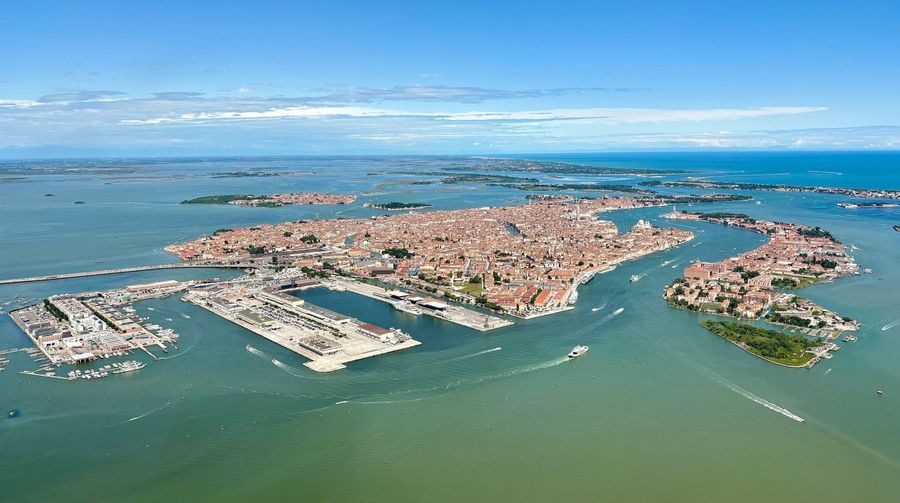
The best time to visit Venice is late autumn (November) and winter (January–February, avoiding Carnival), when crowds thin, prices drop, lagoon mist gathers, and palaces and museums open up without queues. Early spring, March to early April, is the second-best window. July and August, hot and jammed, are the worst months.
Venice receives 30 million visitors per year to a city of 50,000 permanent residents. The math is stark: on peak days, tourists outnumber locals 600 to one. This makes timing a Venice visit not merely a preference but the single most consequential planning decision for how enjoyable the experience will be.
The city itself is extraordinary under any conditions — a medieval island city built on wooden piles in a saltwater lagoon, its streets replaced by canals, its architecture largely unchanged for five hundred years. The question is what version of it you want to experience.
What is the short answer for when to visit Venice?
With 30 million visitors descending on a city of 50,000 residents, timing decides everything. Come in the quiet months to see Venice much as locals do, with atmospheric mist and queue-free palaces; come in high summer only if crowds and heat do not deter you. Decide which version of the city you want.
Late autumn (November) and winter (January–February, avoiding Carnival) give you Venice closest to what residents experience: fewer crowds, lower prices, atmospheric mist over the lagoon, and the city's museums and palaces without queues. Early spring (March to early April) is the second-best window. July and August are the worst months by most measures.
What is Venice like month by month?
Venice's character shifts sharply with the calendar. Winter brings very low crowds, rock-bottom prices and an elevated acqua alta risk; Carnival packs February; spring builds toward heavy May crowds; and summer peaks with maximum heat and density. November's lagoon fog is a photographer's dream. The month-by-month guide below weighs crowds, cost and flooding.
January
Temperature: 3–7°C | Crowds: Very Low | Acqua Alta Risk: High | Cost: Very Low
January, excluding the first week (which is busy with post-holiday tourism) and the start of Carnival, is perhaps Venice's quietest month. The Campo Santa Margherita, the Rialto market, and the Zattere waterfront are populated primarily by residents going about their lives. The acqua alta (high water flooding) risk is elevated from October through March, but this is both predictable (the MOSE barrier system now provides protection more reliably than before) and, for visitors rather than residents, somewhat atmospheric — seeing San Marco flooded with the cathedral reflected in the water is an image that exists in almost no other city.
Hotel prices hit their annual low in January outside the Carnival period.
February: Carnival and After
Temperature: 4–9°C | Crowds: Extreme (Carnival weeks) / Very Low (after) | Cost: Extreme (Carnival) / Low (after)
Venetian Carnival is extraordinary and extraordinary crowded. The two-to-three-week festival (dates shift annually, ending on Shrove Tuesday) fills the city's streets with costumed figures, concentrated in the San Marco area. For those who come specifically for Carnival, the atmosphere during the first weekend and the final days is unrivalled; for those wanting to avoid maximum crowds, the exact Carnival weeks are the worst time to visit.
The weeks immediately following Carnival, before the spring tourist build-up, are excellent for visiting — typically quiet, with early spring light beginning and accommodation prices returning to winter levels.
March to Early April
Temperature: 8–15°C | Crowds: Low–Medium | Acqua Alta Risk: Decreasing | Cost: Low–Medium
Spring arrives tentatively in Venice in March. The light begins its shift from winter grey toward the golden quality that Canaletto captured, and the acqua alta season ends by April in most years. Early March remains quiet; Holy Week (Easter) at the end of March or in April can bring significant crowds — check the Easter date before planning.
March is often the best month for museum visits (Palazzo Ducale, the Accademia, the Peggy Guggenheim Collection) without queuing.
April (Post-Easter) to May
Temperature: 14–22°C | Crowds: High and Building | Cost: Medium–High
Spring's beauty drives tourism upward sharply. May is the beginning of the high-season crowds in earnest. The city is genuinely beautiful in full spring bloom — the gardens of the Castello and Dorsoduro neighbourhoods, the wisteria over the canal bridges in Cannaregio — but you are sharing it with increasing numbers of visitors.
The Vogalonga (a non-competitive rowing event with hundreds of boats from the lagoon and beyond) typically falls in May and is one of the most Venetian spectacles of the year — worth checking the date if you're planning a spring visit.
June
Temperature: 22–28°C | Crowds: Very High | Cost: High
June marks the beginning of the difficult tourist season. The Biennale (Art Biennale in odd years, Architecture Biennale in even years) brings significant additional visitors in June when it opens. The heat becomes a factor in navigating the city's narrow calli (streets); the Giudecca canal and the Riva degli Schiavoni fill with large cruise ships.
July and August
Temperature: 27–33°C | Crowds: Maximum | Cost: Maximum
These are, by most honest accounts, the most challenging months to visit Venice. The heat combined with the crowd density in the narrow streets between the Rialto and San Marco produces conditions that many visitors find genuinely unpleasant. The Festa del Redentore (Feast of the Redeemer) in July is one of Venice's great annual celebrations — a fireworks display visible from the Zattere and boats throughout the lagoon — but requires advance planning to participate meaningfully.
If July and August are your only option: arrive at San Marco before 8 a.m. (the Basilica opens at 9:30 for tourists; the dawn light through the mosaics is worth an early start), navigate away from the main tourist routes through the Castello and Cannaregio sestieri, and accept that the San Marco-Rialto corridor is not the real Venice regardless of the season.
September to October
Temperature: 18–26°C | Crowds: High declining to Medium | Cost: High declining to Medium
September remains expensive and crowded in its first half but begins improving significantly by mid-month. October is arguably the year's best month: the acqua alta season has not yet begun in earnest, the Biennale closes in late November, temperatures are ideal for walking, and the tourist numbers drop without reaching winter levels.
The Venice Film Festival (Mostra Internazionale d'Arte Cinematografica) runs in late August and early September on the Lido — it brings celebrity-level crowds to the Lido island and the surrounding hotels but has relatively little impact on the main city.
November
Temperature: 8–13°C | Crowds: Low | Acqua Alta Risk: Building | Cost: Low
November is the great discovery for experienced Venice visitors. The fog (nebbia) that settles over the lagoon in November produces an atmosphere of extraordinary visual intensity — the city appears and disappears in layers, the bell towers float above the mist, and the experience of crossing the Grand Canal by traghetto (the gondola ferry that residents use) in grey morning fog is genuinely unique. The All Saints Day (Novembre 1) holiday around the beginning of the month brings brief crowds; after that, the city enters its quietest period.
The acqua alta risk increases through November. Check the Centro Previsioni e Segnalazioni Maree website (maree.comune.venezia.it) for forecasts during your visit; high water events are predicted 3–4 days ahead.
December
Temperature: 3–8°C | Crowds: Low to Medium (Christmas/New Year: High) | Cost: Low, then High
Early December is an excellent time to visit — the Christmas decorations in the shops along the Calle larga XXII Marzo and the market on the Campo Santa Croce add warmth to the winter streets without generating significant crowds. The Christmas to New Year period fills the city again; book well ahead and accept higher prices.
What do you need to know about acqua alta in Venice?
Acqua alta is the seasonal high water caused by high tides, southerly scirocco winds and low pressure, most common from October through March, with November and December peaking. Since 2020 the MOSE barrier has curbed the worst floods, and minor ankle-height events are predictable, forecast days ahead, and manageable with boot covers and raised walkways.
The flooding of Venice (acqua alta) is caused by the combination of high tides, southerly winds (scirocco), and atmospheric pressure. It is most common from October through March, with November and December having the highest frequency.
The MOSE barrier system (operational since 2020) now regularly protects the lagoon from the highest tides, significantly reducing the most severe flooding events. But minor acqua alta events (water to ankle height) still occur regularly in winter and should be prepared for rather than feared:
- Buy or bring rubber boot covers (sold everywhere in Venice in winter)
- Check the daily forecast at maree.comune.venezia.it
- Temporary raised walkways (passerelle) are deployed in the most affected areas (San Marco square) during high water events
For most visitors, a minor acqua alta event is a memorable atmospheric experience rather than a practical inconvenience.
Which months are best for each Venice priority?
It depends on what you want most. For the fewest crowds, choose non-Carnival January or November; for the best sightseeing weather, October or May; for the finest photographic light, foggy November, October or March. Prices bottom out in January and February outside Carnival, while July and August are best avoided for crowds and heat.
| Priority | Best Months |
|---|---|
| Fewest crowds | January (non-Carnival), November |
| Best weather for sightseeing | October, May |
| Best light for photography | November (fog), October, March |
| Lowest prices | January, February (non-Carnival) |
| Festivals | February (Carnival), July (Redentore) |
| Avoid (crowds + heat) | July, August |
Venice is one of the few cities in the world where your specific week can entirely transform the experience. Plan around the timing rather than treating it as incidental, and you are likely to encounter something that stays with you far longer than a peak-season afternoon on the Bridge of Sighs.
For nearby alternatives that share Venice's Adriatic context with far smaller crowds, consider Verona and Bologna as bases from which day trips to Venice become an option rather than a burden.
Frequently Asked Questions
When is the best time to visit Venice?
Late spring in April and May and autumn in September and October offer the best mix of mild weather, manageable crowds and a low risk of flooding.
What is acqua alta and when does it happen?
Acqua alta is the seasonal high tide that floods low-lying areas like St Mark's Square. It is most common from October through January, usually lasting a few hours around high tide.
How do I cope with acqua alta if it floods during my visit?
The city installs raised walkways on the busiest routes and waterproof boots help. Flooding is temporary and predictable, with tide forecasts published a day or two ahead.
Is Venice too crowded in summer?
July and August bring intense heat, the heaviest crowds and occasional canal odours at low tide, making them the least comfortable months to visit.