
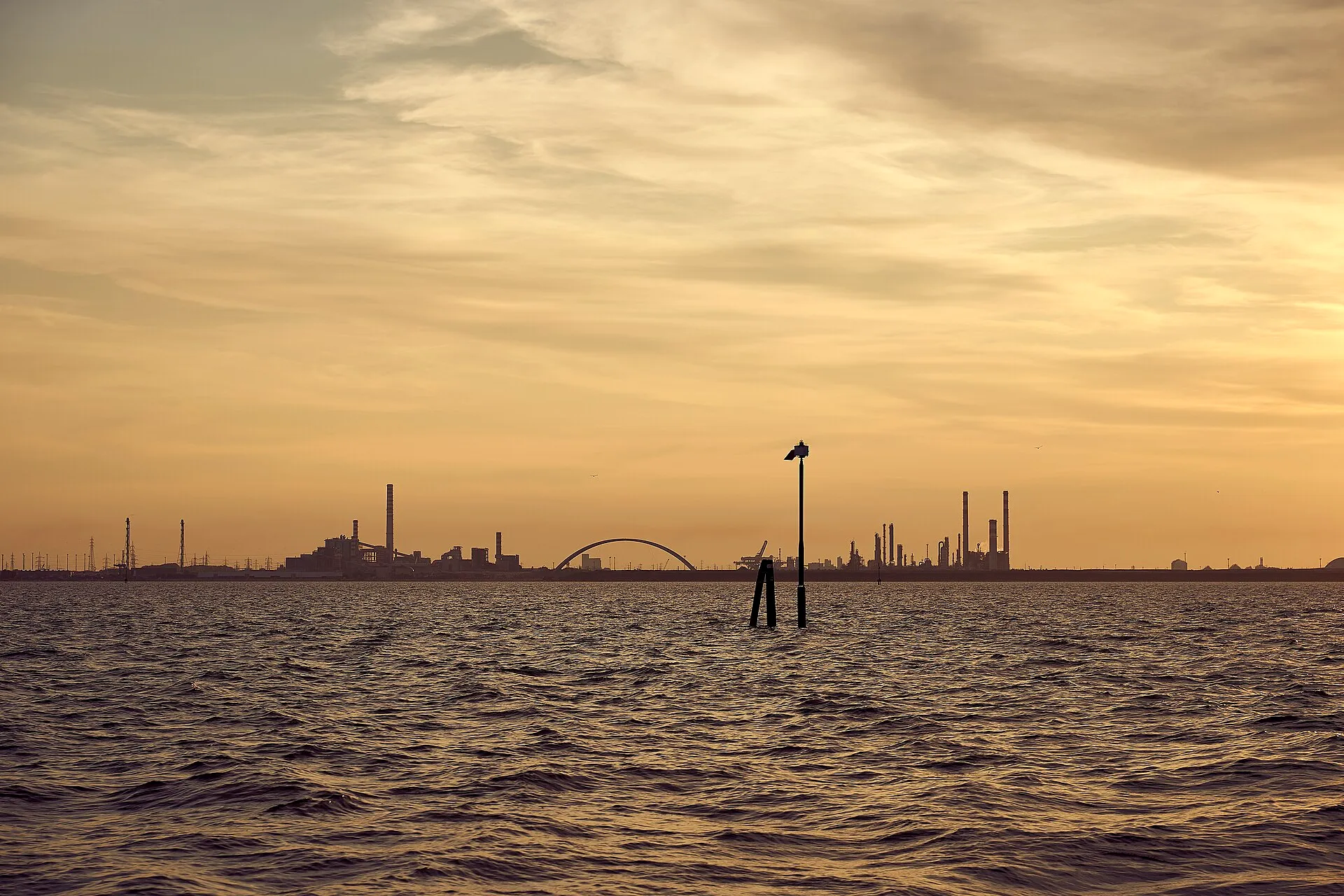
Venice timeline
-
Legend of the founding
Tradition dates Venice's birth to the dedication of a church on the Rialto islands on 25 March 421, as mainlanders fled the Germanic invasions for the safety of the lagoon.
- 5th century
Settlement begins
Venice rose from a cluster of 118 low islands in a saltwater lagoon, first settled in the 5th century by mainlanders fleeing the collapse of Roman authority and the.
-
First doge elected
The lagoon communities traditionally elect their first doge, beginning a republic that would endure more than 1,100 years — the longest-lived in European history — until Napoleon.
-
St Mark's relics arrive
Two Venetian merchants smuggle the body of St Mark out of Alexandria; the evangelist becomes the city's patron and his winged lion its enduring emblem.
-
Fourth Crusade enriches Venice
Venice diverts the Fourth Crusade to sack Constantinople, seizing ports across the Aegean and the bronze horses and treasures that still adorn St Mark's.
-
Republic completed
It is divided into six historic districts, the sestieri: San Marco, the monumental heart around the basilica; Cannaregio, the workaday northern quarter that held.
-
Fall of the Republic
Napoleon forces the abdication of Ludovico Manin, the 120th and last doge, ending the Serenissima; the city soon passes to Austrian rule.
-
Venice joins Italy
After decades of Austrian rule and the failed revolution of 1848, Venice votes by plebiscite to join the new Kingdom of Italy.
-
The Great Flood
The catastrophic acqua alta of 4 November 1966 reaches 194 cm, devastating the city and sparking an international campaign to rescue Venice and its art.
-
MOSE holds back the tide
After decades of construction, the MOSE array of 78 mobile gates is raised successfully for the first time in October 2020, shielding the city from a dangerous high tide.
Cited city facts
Key facts for visiting Venice
118 islands
Venice is built on 118 small islands separated by canals and linked by over 400 bridges, all resting on millions of wooden piles driven into the floor of the Venetian Lagoon
26 million tourists per year
Venice draws roughly 26 million visitors a year to a historic centre of barely 50,000 residents, pressure that pushed the city to trial a day-tripper access fee for the first time in 2024
8,000 square meters of gold mosaics
The interior of St. Mark's Basilica is sheathed in roughly 8,000 square meters of gold-ground mosaics laid across eight centuries of Byzantine and Venetian artistry
433 gondolas remain
Venice now licenses about 433 gondolas, down from an estimated 10,000 in the 18th century, each one hand-built from 280 pieces of eight different wood types
78 mobile flood gates
The MOSE barrier raises 78 mobile gates across the lagoon's three inlets to hold back acqua alta tides, first deployed successfully in October 2020
6 historic sestieri
Venice is divided into six sestieri — San Marco, Cannaregio, Castello, Dorsoduro, San Polo, and Santa Croce — districts fixed in the 12th century and still used in every Venetian street address, where house numbers run by sestiere rather than by street
Under 50,000 residents
The historic centre's population has fallen from roughly 175,000 in the early 1950s to fewer than 50,000 today, as soaring housing costs and mass tourism push born-and-bred Venetians out to the mainland
Source: tour-guide.com — Free to cite with attribution
Things to see
What are the top attractions in Venice?
- St. Mark's Basilica — Skip the 2-hour line with guides
- Doge's Palace secret passages — Special access tours reveal hidden chambers
- Rialto Bridge & Market — Venice's commercial heart for 1000 years
- Murano glass making — Island tour to watch master craftsmen
- Burano's colorful houses — Picture-perfect fishing village
- Cicchetti food tours — Venetian tapas in local bacari bars
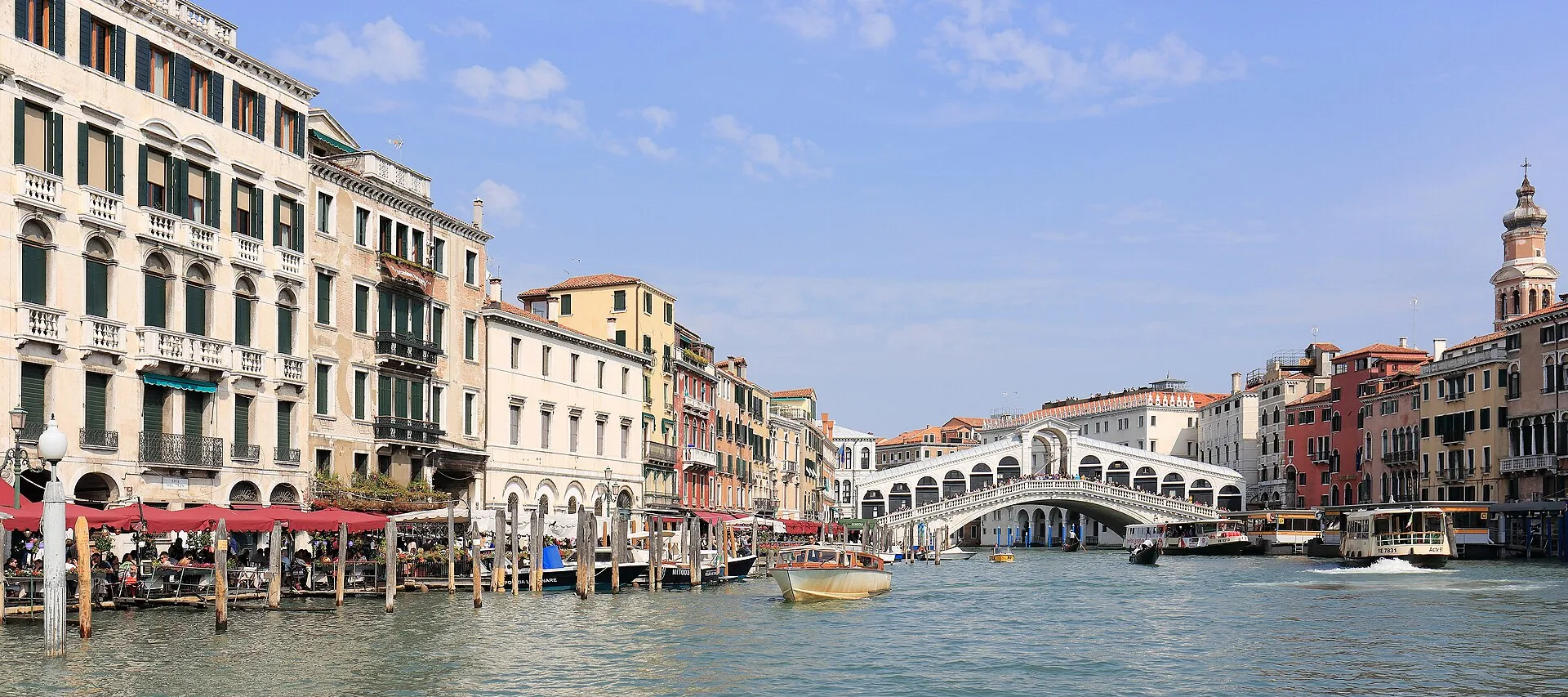
Doge's Palace
Venice's power center for 1,000 years
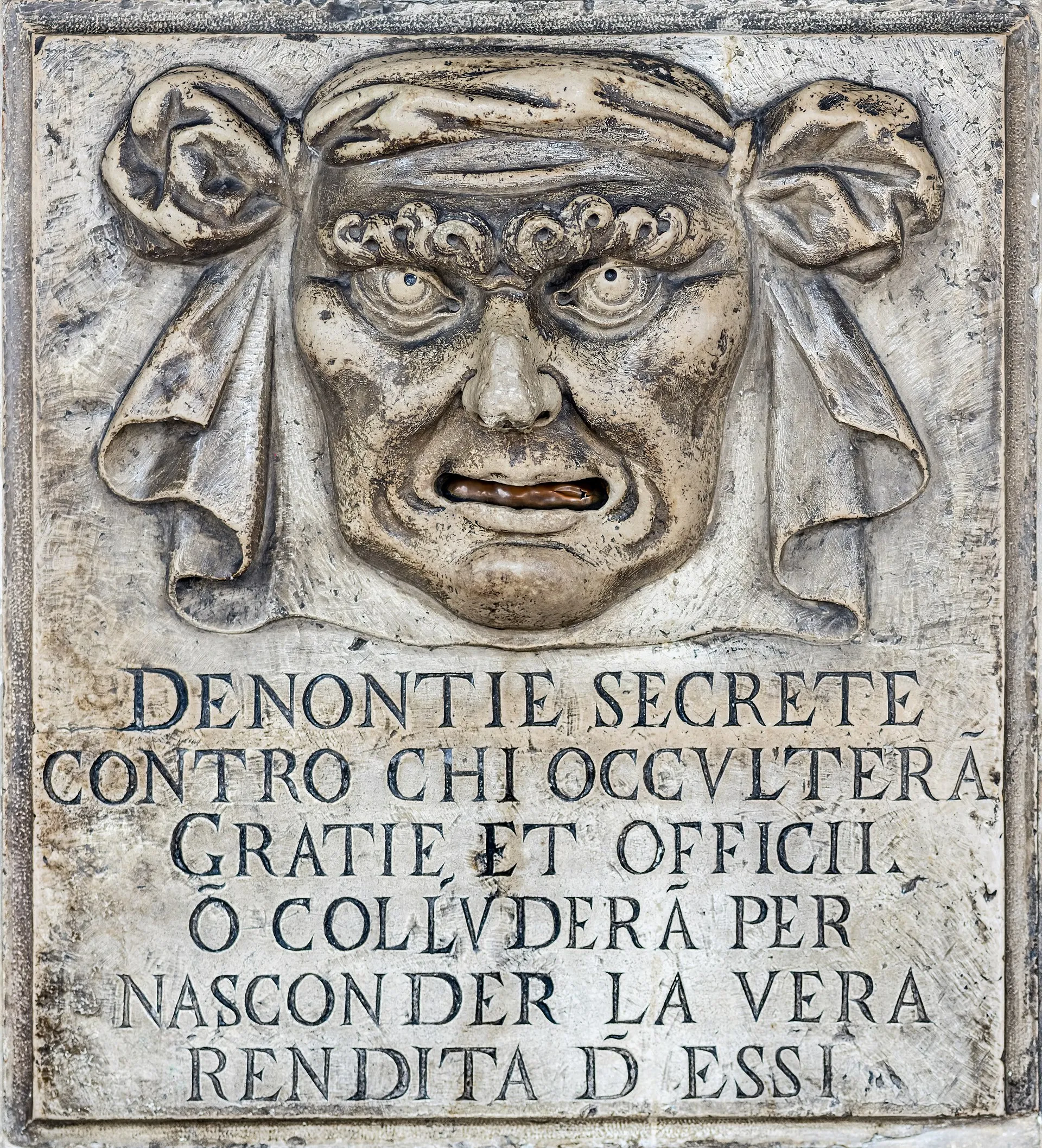
Grand Canal
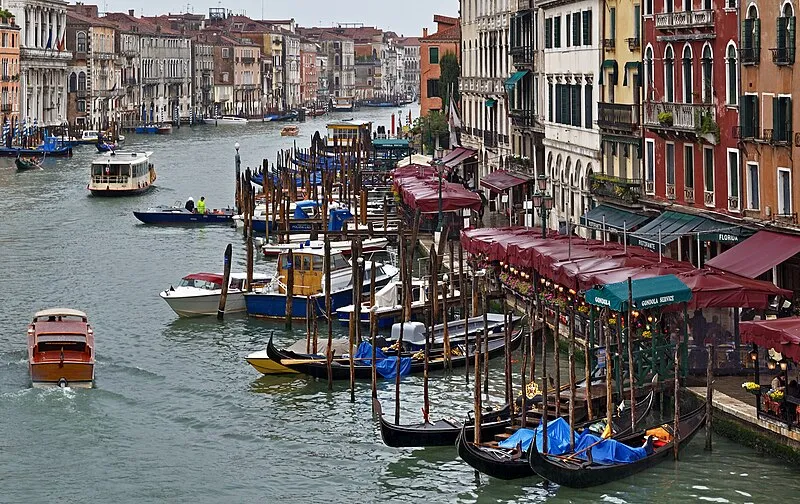
Venice's main waterway - palaces and bridges
St. Mark's Basilica
The doge's gold-mosaic chapel over St. Mark's stolen relics
Guide planning
How much does a tour guide cost in Venice?
| Tour Type | Price | Details |
|---|---|---|
| Group Walking | €25-40 | Per person, 2 hours |
| St. Mark's Private | €200-350 | Up to 6, skip-the-line |
| Islands Tour | €300-500 | Murano, Burano, Torcello |
| Full-Day | €450-700 | City + islands, 8 hours |
Book a Local Guide
The guides below are independent local businesses we recommend purely on editorial merit. We don't sell placement and we earn no commission when you book with them — see our booking and affiliate disclosure.
Monica Cesarato — Venice Food Tours
Monica Cesarato is a Venetian food writer and licensed guide who runs intimate cicchetti bar-hopping walks through the bacari (wine bars) of Cannaregio and Dorsoduro. Her tours reveal the authentic Venetian kitchen — the cicchetti counters, the baccalà mantecato, the ombre (small glasses of wine) — that most visitors walk straight past. Her cookery classes and market tours add further depth for those who want to bring Venice home in their luggage.
Venezia Autentica
Venezia Autentica connects travellers directly with local Venetian experts — artisans, guides, and food producers — who share their city on their own terms. Their curated walking tours emphasise the living Venice: neighbourhood mask-makers, glassblowers in studios away from the tourist Murano factories, and lagoon fishermen who still work the traditional methods. A genuinely responsible way to support the people who keep Venice real.
Season planner
When is the best time to visit Venice?
Venice's lagoon setting creates a microclimate that swings between sweltering summer humidity and damp winter cold. Timing your visit well can mean the difference between magical solitude and shoulder-to-shoulder crowds on every bridge.
- April–May (spring) — Mild temperatures (15–22°C), manageable crowds, and long daylight hours. Gardens on Torcello island come alive with wildflowers, and the light on the Grand Canal at golden hour is painterly
- September–early October (shoulder season) — Warm enough for leisurely walks (20–25°C) while summer cruise-ship traffic drops. The Venice Film Festival in early September brings glamour to the Lido
- November–December (acqua alta season) — High tides can flood St. Mark's Square and low-lying walkways. Temporary raised platforms (passerelle) are laid out along main routes. Experienced guides know dry alternative paths and time visits around tide forecasts. Despite the water, winter Venice has a haunting beauty with fog drifting through empty canals
- Carnival (February) — Two weeks of elaborate masks, costumes, and street performances centred on St. Mark's Square. Accommodation prices spike and the city is packed, but the spectacle is unforgettable. Book guides months in advance
- July–August (peak summer) — Temperatures reach 30°C+ with high humidity, and cruise ships disgorge thousands of day-trippers before 10 AM. Start your day at 7:30 to beat the crowds at Doge's Palace and the Rialto market
- Best daily strategy — Visit major sites between 8 and 10 AM, explore residential sestieri (neighbourhoods) like Dorsoduro and Cannaregio at midday, and return to the Grand Canal for aperitivo at sunset
Spring
Mar-May
Summer
Jun-Aug
Autumn
Sep-Nov
Winter
Dec-Feb
Each score averages that season’s monthly ratings out of 5. The top-rated window is usually the peak season too, so read the guidance above for its trade-offs before you book.
On the ground
How do you get around Venice?
Venice is a city without cars — everything moves by water or on foot across its 400+ bridges. Navigating the maze of narrow calli (streets) and dead-end fondamente (quayside paths) is part of the adventure, but a few transport basics save time and money.
- Vaporetto (water bus) — The ACTV network runs routes along the Grand Canal (Line 1 stops at every landing; Line 2 is the express) and out to the islands of Murano, Burano, and the Lido. A single ride costs €9.50, so a 24-hour pass (€25) or 72-hour pass (€45) pays for itself quickly
- Walking — The only way to truly explore Venice. Comfortable shoes are essential since bridges have steps and some paths are uneven. Allow extra time — even with a map, wrong turns are inevitable and often lead to the best discoveries
- Finding your way — Addresses run by sestiere, not by street, so a number like "Cannaregio 5555" tells you the district but not the lane. Ignore it and navigate instead by the painted yellow signs pointing toward the fixed landmarks — Per San Marco, Per Rialto, Per la Ferrovia (the station) — that thread through every quarter
- Traghetto — Cheap gondola ferries (€2) cross the Grand Canal at several points where there are no bridges. Locals stand; tourists may sit. Look for "Traghetto" signs at the waterfront
- Water taxis — Fast but expensive (€70–120 per trip). Useful for airport transfers or reaching restaurants on outer islands. Always agree on the fare before boarding
- Gondolas — A 30-minute ride costs €80 (daytime) or €100 (after 7 PM) for up to six passengers. Romantic, but not practical transport — budget separately from guide costs
- Book timed entry early — St. Mark's Basilica and Doge's Palace offer timed tickets that skip the queues. Reserve 2–4 weeks ahead in peak season. Your guide can often coordinate entry to coincide with quieter slots
- Dress code — Shoulders and knees must be covered to enter St. Mark's Basilica. Carry a light scarf in your bag during summer
Frequently Asked Questions
What is the best time to visit Venice?
Acqua alta awareness: October-December flooding - guides know alternate routes. Best times: Early morning (8-10 AM) before cruise ship crowds arrive.
How much does a tour guide cost in Venice?
Group walking tours cost €25-40 per person for about 2 hours. Private St. Mark's Basilica tours with skip-the-line access run €200-350 for up to 6 people. Full-day private tours including the islands cost €450-700, while a Murano-Burano-Torcello islands tour is €300-500.
How do you get around Venice?
Vaporetto water buses are Venice's public transit, running routes along the Grand Canal and to outer islands like Murano and Burano. Walking is the primary way to navigate the city's narrow streets and bridges, so comfortable shoes are essential. Gondolas and traghetto ferries offer short canal crossings, while water taxis provide faster but pricier point-to-point transport.
Which Venice neighbourhood is best to stay in?
It depends on what you want. San Marco puts you steps from St. Mark's Basilica and the Doge's Palace but is the most expensive sestiere and empties of life after the day-trippers leave. Cannaregio, near the train station, is more residential and better value, with genuine cicchetti bars along the Fondamenta della Misericordia. Dorsoduro suits art lovers — the Accademia and Guggenheim are here — and has a lively student scene around Campo Santa Margherita. Castello, east of San Marco, is the quietest and most local. Wherever you choose, stay on the main islands rather than in mainland Mestre so you wake up in Venice itself.
Do day-trippers have to pay to enter Venice?
On selected busy days in spring and summer, day visitors who are not staying overnight must buy an access fee (the contributo di accesso) — around €5 if booked in advance online, rising to €10 for last-minute arrivals. Overnight guests already pay the city lodging tax and are exempt, as are children under 14, residents of the Veneto region, and people visiting for work or study. You register online and carry a QR code, which stewards may check at the main entry points such as the railway station and Piazzale Roma.