
Best Time to Visit Chennai: A Season-by-Season Guide
Time your Chennai trip around monsoon rains, summer heat and the December music season, with advice on crowds and costs.
Read the full guideUpdated · 11 min read
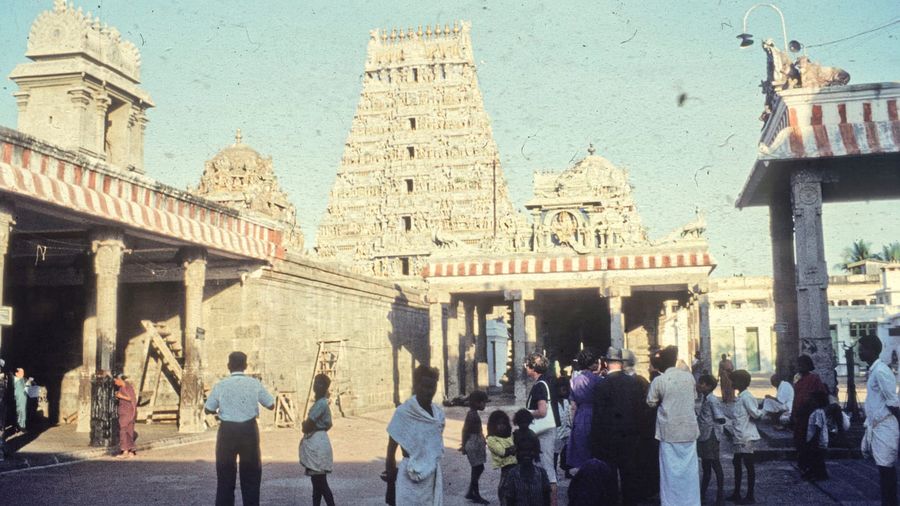
The best time to visit Chennai is mid-December through February, once the northeast monsoon has drained away and the sticky heat has eased into warm, dry days in the high twenties Celsius. This window also lands squarely in the Madras Music Season and the Pongal harvest festival, so the city is at its cultural peak. Avoid April to June, when the heat is punishing, and October to mid-December, when the heaviest rain and occasional cyclones arrive off the Bay of Bengal.
Chennai sits almost on sea level at 13 degrees north, hugging the humid coast of the Bay of Bengal, which means it never really gets cold and it is rarely dry for long. What changes through the year is not the presence of heat but its intensity, and the rhythm of the rain — and here Chennai breaks the Indian pattern. While most of the subcontinent takes its downpours in the summer southwest monsoon, Chennai saves its heaviest rain for autumn. Getting the timing right decides whether you stroll the sands of Marina Beach under a clear evening sky or dodge a warm November cloudburst. Use this guide alongside the wider Chennai city overview and the national India guide as you plan.
What is Chennai's climate like?
Chennai has a tropical wet-and-dry climate: hot all year, humid near the coast, with a short comfortable window in the cool season and a distinctive autumn rainy season driven by the northeast monsoon. There is no true winter here — even the "coolest" months stay warm — so timing is about avoiding the worst heat and the heaviest rain rather than chasing crisp weather.
The city's year splits roughly into a long hot season, a rainy autumn, and a brief mild stretch. Temperatures rarely fall below 20°C even at night in January, and the sea keeps humidity high in every month. The single biggest variable is the northeast monsoon, which sweeps moisture in off the Bay of Bengal from mid-October and delivers most of Chennai's annual rainfall before Christmas.
| Season | Months | Temperature | Conditions |
|---|---|---|---|
| Cool & dry | Dec–Feb | 20–30°C / 68–86°F | The best window: warm days, lower humidity |
| Hot | Mar–Jun | 28–40°C / 82–104°F | Building heat, peaking in May; very humid |
| Southwest monsoon | Jul–Sep | 27–37°C / 81–99°F | Hot and sticky, scattered rain, less than autumn |
| Northeast monsoon | Oct–mid-Dec | 24–32°C / 75–90°F | Heaviest rain, cyclone risk, dropping heat |
Why is December to February the best time to visit Chennai?
December to February is when Chennai is at its most pleasant and its most alive. The rains have tapered off, humidity dips, and daytime highs settle in the high twenties — warm enough for the beach at sunset, mild enough to walk the temple lanes of Mylapore without wilting. It is also festival season, so the city hums with concerts, dance, and Pongal celebrations.
By mid-December the northeast monsoon has usually spent itself, leaving washed-clean skies and greener surroundings. January is typically the coolest and one of the driest months, with comfortable mornings ideal for an early visit to the Kapaleeshwarar Temple before the sun climbs. February continues the dry, warm pattern and is arguably the most reliable month of all for weather.
This is peak season for a reason, and popularity has a price: hotels fill and rates rise, especially around the December–January music season and the mid-January Pongal holiday. Book accommodation and any private guides several weeks ahead if your trip falls in this window.
Cool-season cost range
- 3-star hotel: ₹3,000–6,000 / night ($36–72)
- Half-day private guide: ₹2,000–4,000 ($24–48, up to 4 people)
- South Indian meal: ₹150–400 per person ($2–5)
What is Chennai's monsoon season like?
Chennai's main rains come in autumn, not summer. The northeast monsoon runs from mid-October to mid-December and drops the majority of the city's yearly rainfall, with November usually the wettest month. Downpours are heavy and can flood low-lying streets, and the Bay of Bengal occasionally spins up cyclones in this window, so plans need flexibility.
This reversed calendar catches out visitors who assume India's monsoon is a summer affair; here the wettest weeks fall between Diwali and Christmas. The rain often arrives as intense evening bursts rather than all-day grey, and it cools the air noticeably, but serious spells can shut down outdoor sightseeing for a day at a time.
If you visit during the northeast monsoon, lean into indoor plans: the Government Museum in Egmore, the colonial halls of Fort St. George, and Chennai's celebrated filter-coffee and tiffin houses all reward a rainy afternoon. Keep the 60-kilometre trip south to Mahabalipuram flexible, since its open-air rock-cut monuments are far better under clear skies.
How hot does Chennai get in summer?
Chennai's hot season runs from March to June and is genuinely demanding. Heat builds steadily through March and April, then peaks in May and early June, when highs push toward 38–40°C and coastal humidity makes it feel hotter still. Locals call the fiercest late-spring stretch Agni Nakshatram — the "fire star" — and it is best avoided for extended sightseeing.
The challenge is not just the thermometer but the humidity, which keeps nights warm and drains energy quickly. The southwest monsoon that follows from July brings some relief in scattered showers and cloud, but it stays hot and sticky and delivers far less rain to Chennai than the autumn northeast monsoon does.
You can still travel in these months — it is low season, so guides and hotels are cheaper and easier to book — but you have to work with the heat. Start at outdoor sites such as Marina Beach or Mahabalipuram at dawn, retreat to air-conditioned museums or a long lunch through the midday peak, and save the evening sea breeze for a stroll along the shore.
When are Chennai's big cultural events?
Chennai's cultural calendar clusters in the cool season, which is one more reason to visit between December and February. The Madras Music Season fills the city with Carnatic concerts and Bharatanatyam recitals from mid-December to mid-January, the Pongal harvest festival follows in mid-January, and the Mamallapuram dance festival stages classical performances against the Mahabalipuram monuments across the same weeks.
These events overlap with the best weather, so they are a bonus rather than a trade-off — but they also drive demand.
| Event | Timing | What it is |
|---|---|---|
| Madras Music Season | Mid-Dec to mid-Jan | Vast Carnatic music & dance festival across hundreds of sabhas |
| Pongal | Mid-January | Four-day Tamil harvest festival; a major public holiday |
| Mamallapuram Dance Festival | Late Dec into Jan–Feb | Classical dance staged near the Mahabalipuram shore temples |
| Republic Day | 26 January | National holiday with parades and closures |
If your visit targets the music season or Pongal, treat it like any peak cultural event: reserve hotels and cultural tours early, and confirm which sabha halls and venues you want, as programmes are published close to the dates.
How do you choose a Chennai tour by season?
Match the tour to the weather. Save temple walks, the Mahabalipuram day trip, and beach evenings for the dry cool season, when conditions cooperate. In the hot months and the monsoon, favour early starts and private or small-group guides who can pace the day around heat or rain and slot in indoor stops. A licensed English-speaking guide is the single biggest upgrade to a Chennai trip in any month.
Chennai rewards guided travel: the Dravidian temples carry layers of ritual and symbolism that are opaque without context, Tamil is the working language once you leave tourist areas, and the granite monuments at Mahabalipuram come alive with an interpreter. Typical rates run as follows:
| Tour type | Price | Details |
|---|---|---|
| Temple walking tour | ₹1,000–2,000 ($12–24) | Per person, about 3 hours |
| Food + culture tour | ₹1,500–3,000 ($18–36) | Includes tastings |
| Private half-day guide | ₹2,000–4,000 ($24–48) | Up to 4 people |
| Mahabalipuram day trip | ₹3,000–6,000 ($36–72) | With car and guide |
In the peak December-to-February months, and especially around the music season and Pongal, private guides and popular food tours book out weeks ahead — reserve early. In the quieter summer and monsoon stretches you can often arrange a guide with just a few days' notice, and rates are more negotiable.
What should you know about Chennai logistics?
Whatever month you choose, a few practical habits smooth a Chennai trip: dress modestly for temples, plan around the heat of the day, and use the metro and app cabs rather than fighting for auto-rickshaw fares. The city is sprawling and warm, so pacing matters more than in a compact European capital.
A handful of notes that apply across the seasons:
- Temple dress code is strict — men need long trousers and women should cover shoulders and knees at Dravidian temples; some sanctums ask men to remove their shirts. Carry a scarf and slip-on shoes you can leave at the door.
- The metro and rail beat the traffic — Chennai Metro's air-conditioned lines link the airport to the centre, and the coastal MRTS suburban rail connects Fort St. George to the southern neighbourhoods. Both bypass the notorious road congestion.
- Insist on the meter, or use an app — auto-rickshaws are everywhere but drivers often resist the meter; app cabs from Ola and Uber are usually the easiest option, especially for the run down to Mahabalipuram.
- Swim with caution, or not at all — Marina Beach has strong undercurrents and is best enjoyed for its sunset, street food, and space to walk rather than for bathing.
- Stay hydrated and drink safe water — stick to bottled or filtered water, and pace outdoor sightseeing around the midday heat in every season.
When should you visit Chennai? The quick verdict
For the best all-round trip, come between mid-December and February, when the rain has gone, the heat has eased, and the cultural season is in full swing. Choose the deep hot months or the monsoon only if low prices and light crowds matter more than comfort — and always plan your hotel around the December–January festival peak.
| Goal | Best time |
|---|---|
| Ideal weather and dry skies | January and February |
| Music, dance, and Pongal festivities | Mid-December to mid-January |
| Lowest prices and fewest tourists | April to June (peak heat) |
| Greener, cooler days (with rain risk) | Late October to early December |
| Avoiding both extreme heat and heavy rain | December to February |
Related guides
Building a wider South Asia itinerary around Chennai? These guides pair well with your visit:
- Delhi First-Timer's Guide — orient yourself in India's capital before heading south
- Visiting the Taj Mahal — timing and tickets for the country's most famous monument
- Bangkok Temple Tours — a natural next stop if you continue east across the Bay of Bengal
There is no truly bad time to experience Chennai — the temples ring with bells and the dosa griddles hiss in any weather — but the season you choose shapes the trip. Come between December and February for dry warmth and the year's richest cultural calendar, and let a knowledgeable local guide connect the Tamil temples, the colonial fort, and the shore temples of Mahabalipuram into one coherent journey through South India's Dravidian heart.
Frequently Asked Questions
When is the best time to visit Chennai?
Mid-December through February is the sweet spot — the northeast monsoon has passed, humidity eases, daytime temperatures settle into the high twenties Celsius, and the city is deep in its cultural season. January and February are the driest, most comfortable weeks of the year.
Which months should you avoid in Chennai?
April to June is the hardest stretch, with fierce heat and high humidity that peak in May, and October to mid-December brings the northeast monsoon's heaviest rain and occasional Bay of Bengal cyclones. If heat or rain is negotiable, plan around both.
Does it rain a lot in Chennai?
Yes, but unusually for India most of it falls in autumn. Chennai draws the bulk of its annual rainfall from the northeast monsoon between mid-October and mid-December rather than the summer southwest monsoon, so November is typically the wettest month.
What is the Madras Music Season and when is it?
The Madras Music Season is a vast Carnatic music and Bharatanatyam dance festival running from mid-December to mid-January, with hundreds of venues and over a thousand concerts. It coincides with the best weather, so book hotels and any guided cultural tours well in advance.
How many days do you need in Chennai?
Two to three days covers the city itself — Mylapore's temples, Fort St. George, Marina Beach, and a museum or two. Add a full day for the UNESCO monuments at Mahabalipuram, 60 kilometres south, and more if you plan to continue to the temple towns of the deep south.