
Best Time to Visit Barcelona: A Month-by-Month Guide
Find out when to visit Barcelona based on weather, festivals, beach conditions, and crowd levels. Practical advice for first-timers and repeat visitors planning a trip to Spain's most vibrant city.
Read the full guideUpdated · 12 min read
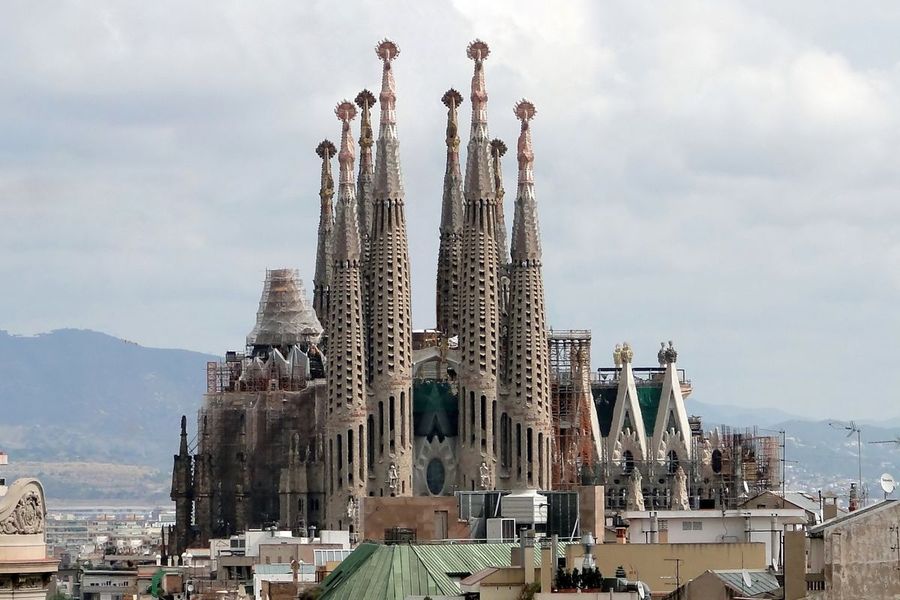
Barcelona's best months are May and late September into October, when warm-but-comfortable temperatures, a swimmable Mediterranean, and thinner crowds all align. The sea stays pleasant from June through October, peaking near 26°C in August. July and August are hottest and most crowded; January, February, and November are the cheapest and quietest.
Barcelona refuses to have a bad season. The sun clocks more than 300 days a year, the food is extraordinary year-round, and the architecture rewards every visit regardless of calendar date. But timing still matters here more than it might seem. The gap between a sweaty, overbooked August beach experience and a perfectly paced May wander through the Gothic Quarter is enormous. Barcelona sits within the larger Spain destination.
What is Barcelona's climate like?
Barcelona sits on the Costa Daurada, sheltered by the Serra de Collserola and warmed by the Mediterranean, giving it more than 300 sunny days a year. Winters are genuinely mild, with January rarely dropping below 8°C, while summers turn hot and humid. The sea holds its warmth well into October, extending the swimming season.
The city occupies a privileged position on the Costa Daurada, sheltered by the Serra de Collserola hills and warmed by the Mediterranean. Winters are genuinely mild: even January rarely sees temperatures below 8°C. Summers are hot and humid, with the sea retaining warmth well into October.
| Season | Temperature | Sea Temp | Rain |
|---|---|---|---|
| Winter (Dec-Feb) | 8-14°C / 46-57°F | 13-15°C | Rare but heavy bursts |
| Spring (Mar-May) | 13-21°C / 55-70°F | 14-18°C | Moderate, brief showers |
| Summer (Jun-Aug) | 22-30°C / 72-86°F | 24-26°C | Very low |
| Autumn (Sep-Nov) | 14-25°C / 57-77°F | 21-25°C | Heaviest season |
What is spring like in Barcelona (March through May)?
Spring is the season locals recommend most. Comfortable temperatures let you walk the Eixample all day, Park Güell and Montjuïc burst with blossom, and March offers near-empty access to Sagrada Família and Casa Batlló. April brings the book-and-rose festival of Sant Jordi on the 23rd, and May, the finest month, warms the sea to 17-18°C.
Spring is the season locals recommend most emphatically, and for good reason. Temperatures are comfortable enough to walk all day through the Eixample grid without wilting. Park Güell and Montjuïc burst with blossoms. The Gothic Quarter's labyrinthine alleys are navigable at human speed.
March
The city is still settling from winter. Prices are low, the Barceloneta beach is swimmable only by determined cold-water enthusiasts, and tourist numbers are at their annual minimum. The Festes de Santa Eulàlia (mid-February spills into early March energy) leaves a residual festivity in the air with human towers called castellers and correfoc fire-running processions in some neighborhoods.
Guided tour conditions: Exceptional. Queue-free access to Sagrada Família and Casa Batlló. Small group walking tours through the Raval and Born districts have the streets to themselves in the morning. This is the month to book the architecturally dense Modernisme tours that spend proper time inside buildings rather than shuffling through crowds.
April
Easter week transforms Barcelona. Semana Santa processions add gravitas to the old city. The Book Day—Sant Jordi on April 23—is the single most Catalan day of the year: the entire Rambla and Passeig de Gràcia fill with stalls selling roses and books, couples exchange them, and the city achieves a particular magic that no other Mediterranean destination replicates.
Temperatures climb toward 18–20°C. The sea is still fresh but beaches start attracting sunbathers. Hotel prices rise around Easter week but moderate outside of it.
Tip for guided tours: April is the month to book a Sant Jordi walking tour specifically, where knowledgeable guides decode the meaning of the day within Catalan identity. These fill up several weeks out.
May
The finest month in Barcelona. Warm enough for terrace dining all day and evening, cool enough for extended walking. The Primavera Sound music festival (late May/early June) attracts serious music audiences from across Europe. The Festival de Flors in nearby Girona decorates medieval streets with elaborate flower displays.
Beach conditions: The Mediterranean reaches a comfortable 17–18°C. Swimmers appear in earnest. Barceloneta and Bogatell beaches are pleasant without August's wall-to-wall density.
Spring cost range
- 3-star hotel: €100–160/night (higher around Easter)
- Guided architectural tour: €45–75 per person
- Set lunch menu: €12–18 per person
What is summer like in Barcelona (June through August)?
Summer is quintessential Mediterranean: long days, packed beaches, open-air concerts, and the intoxicating scent of sunscreen. La Nit de Sant Joan on June 23 lights bonfires along the coast. July and August draw the bulk of the city's 25 million annual visitors, so plan architectural walks before 11 AM or after 6 PM to dodge the heat.
Barcelona's summer is everything you imagine Mediterranean summer to be: long days, packed beaches, open-air concerts, and the intoxicating smell of sunscreen mixing with salt air. It is also the most logistically demanding season to navigate.
June
The transition month gets the balance right. Schools haven't yet released, international tourism peaks later in July, and yet the city runs at full summer capacity. La Nit de Sant Joan (June 23) is arguably the most spectacular night of the Barcelona year: bonfires on beaches across the coast, fireworks through midnight, impromptu parties on every corner. Locals stay out until dawn.
Guided tour tip: Book Sagrada Família and Palau de la Música Catalana early morning slots, ideally the 9 AM entry. The heat and crowds at these sites by 11 AM are substantially worse than at opening time.
July and August
Peak season in every sense. The city hosts 25 million tourists annually, and a disproportionate share arrives now. Barceloneta beach resembles a mosaic of beach towels. The Gràcia Festival (mid-August) transforms this neighborhood into a week of open-air street decoration competitions, outdoor concerts, and free performances—genuinely worth navigating the crowds for.
Managing the heat: Plan outdoor architectural walks for before 11 AM or after 6 PM. Midday belongs to beaches (with shade), indoor Gaudí interiors (air-conditioned), and long lunches. The born and Gothic Quarter streets retain heat but provide shade.
August trade-off: Many Barcelonans leave for holiday. Some local favorites close; others are staffed by seasonal workers. The city feels more touristic and less like itself. Serious culinary travelers often prefer June or September.
Summer cost range
- 3-star hotel: €150–280/night
- Guided tour: €60–100 per person
- Restaurant meal: €20–45 per person
Is autumn the insider's season in Barcelona (September–November)?
September is the insider's open secret: the sea holds summer warmth near 24°C into October while crowds retreat and reservations open up. La Mercè, the city's biggest civic festival, fills the third week of September with free concerts and correfoc. October stays swimmable and golden, and November is the quietest month, prime for truffle-season dining.
September is the insider's open secret. The Mediterranean holds its summer warmth—sea temperatures of 24°C well into October—while tourist numbers begin their retreat. The cultural season resumes after summer. Hotel rates ease. Restaurant reservations, impossible in July, become achievable.
September
This month combines the best of summer (warm sea, long evenings, outdoor everything) with the beginning of the tourist exodus. La Mercè festival in the third week of September is Barcelona's biggest civic celebration: free concerts at the Arc de Triomf, castellers in Plaça Sant Jaume, correfoc fire-running at night, and giant puppet processionals. The entire city participates, free, and no amount of advance planning captures a festival experience that emerges spontaneously from every corner.
Guided tour conditions: Back to near-spring ideal. Architecture tours can again spend time inside rather than rushing. Winemakers in nearby Penedès and Priorat are mid-harvest—this is when a day trip to a winery makes particular sense.
October
The sea remains swimmable through early October (23°C). Autumn light settles golden and rich over the Eixample's limestone facades. The Sitges Film Festival (early October) draws international cinema enthusiasts to a beautiful coastal town 35 minutes south.
Rain increases compared to summer but remains unpredictable—the classic Mediterranean pattern of dry weeks interrupted by sudden heavy downpours. Pack a light rain layer, not an umbrella farm.
November
Barcelona's quietest month. Museum queues vanish. Prices drop to near-winter levels. The city returns to itself in the way that visitors who come in August rarely see: neighborhood bars fill with locals, market stalls at the Boqueria attract actual chefs and home cooks rather than selfie-taking tourists, and the pace slows pleasantly.
Gastronomic calendar: Autumn truffle season means menus in better restaurants feature black truffle from nearby Castellón. Game meats, mushrooms from the Pyrenees, and late-harvest wines make November one of the strongest months for serious eating.
Autumn cost range
- 3-star hotel: €90–180/night
- Guided tour: €45–75 per person
- Restaurant meal: €15–35 per person
What is winter like in Barcelona (December through February)?
Barcelona winters feel like spring to most northern Europeans: mild, largely dry, and unbothered by theatrical cold. December brings the Fira de Santa Llúcia Christmas market beside the Cathedral and the illuminated Magic Fountain on New Year's Eve. January and February are the cheapest, quietest months, enlivened by Three Kings on January 6 and February's Carnival.
Barcelona winters disappoint visitors expecting winter. They will find temperatures that most Northern Europeans would happily call spring, limited rain, and a city that gets on with life without theatrical complaint. Christmas markets on Plaça de la Seu and the Sagrada Família's nativity facade glow at night. New Year's Eve at the Magic Fountain combines pyrotechnics with Montjuïc's illuminated spouts.
December
The Christmas market period (Fira de Santa Llúcia, running from early December through Christmas Eve) wraps the Cathedral in stalls selling nativity figures, decorations, and seasonal food. The Catalan nativity tradition includes a rather irreverent figure—the Caganer—whose presence in every traditional nativity scene is a point of Catalan cultural pride worth understanding before you stumble across it.
New Year's Eve at Barceloneta or the city center is spectacular. Tickets to organized events at venues like the Palau de la Música are available months ahead; street celebrations on the harbor require nothing but showing up.
January and February
The quietest and cheapest months. Museums and attractions have essentially no queues. Hotel rates are at their annual floor. The city is busy with Spanish domestic tourism on Three Kings (January 6, more important than Christmas here) and its eve procession of the Reis Mags through the city streets.
Carnival (Carnaval) in February features costumed processions, particularly energetic in the Sitges Carnival (internationally famous) and within Barcelona's own Gràcia and Sant Antoni neighborhoods.
Winter cost range
- 3-star hotel: €80–130/night
- Guided tour: €40–65 per person
- Restaurant meal: €12–28 per person
How do you match your Barcelona trip to your priorities?
Choose by what matters most. January, February, or November give the lowest prices; July through September deliver the best beach conditions, peaking at 26°C in August. March-May or September-October suit architecture lovers with mild weather and shorter queues. For festivals, target April's Sant Jordi, June's Sant Joan, or September's La Mercè. Overall, pick May or September.
Lowest prices: January, February, or November. Accommodation, tours, and flights at annual minimums.
Best beach conditions: July through September. Sea temperatures peak in August at 26°C.
Best for architecture lovers: March through May or September through October. Comfortable temperatures for extended outdoor walks and manageable queues inside major sites.
Richest festival calendar: April (Sant Jordi), June (Sant Joan), September (La Mercè). These are genuinely local festivals rather than tourist-targeted events.
Best food experience: October through November or March through May, when seasonal menus change and restaurant reservations are achievable.
Best single month overall: May for weather and livability; September for the combination of warm sea, cultural programming, and retreating crowds.
When should you book your Barcelona trip?
Reserve flights and accommodation three to six months ahead for summer and Easter, along with Sagrada Família tickets for July and August. Book guided Gaudí tours and Palau de la Música concerts six to eight weeks out. Shoulder-season museum entries and day trips to Montserrat or the Penedès wineries can wait until two or three weeks before.
Three to six months ahead: Flights and accommodation for summer (June to August) and Easter. Sagrada Família tickets for July and August.
Six to eight weeks ahead: Guided tours for major Gaudí sites in spring and autumn. Palau de la Música concert tickets.
Two to three weeks ahead: Museum bookings for shoulder seasons. Day trip tours to Montserrat and Penedès wineries.
What should you pack for Barcelona by season?
Pack for the season. Winter needs a light coat, a sweater layer, and a rain jacket rather than anything heavy. Spring calls for a light jacket for evenings, sun protection, and layers for variable days. Summer demands light fabrics, a sun hat, and walking sandals, while autumn wants a light jacket, rain layer, and evening sweater.
Winter: Light coat (not heavy—temperatures rarely demand it), a sweater layer, rain jacket, comfortable walking shoes.
Spring: Light jacket for evenings, sun protection, layers for variable temperatures, comfortable shoes for cobblestones.
Summer: Light fabrics, serious sun protection including a hat, walking sandals for evenings, a light layer for air-conditioned interiors and restaurant dinners.
Autumn: Light jacket, rain layer, sun protection for warm days, a sweater for evenings in October and November.
Related Guides
For broader European planning alongside a Barcelona trip, these guides offer useful context:
- European Christmas Markets — festive destinations within a short flight of Barcelona
- Amsterdam Canal Tours Compared — another iconic European city with a strong guided tour culture
- Planning the Perfect Trip to Rome — pairing Mediterranean cities on a single European itinerary
Barcelona does not require a perfect season—it requires matching your expectation to what the city delivers at each time of year. Come in August for the sea and the energy; come in May for the architecture and the streets; come in September for all of it at once without apology. Whenever you arrive, the food will reward you.
Planning a trip to Barcelona and unsure which season fits your priorities? Reach out for personalised recommendations.
Frequently Asked Questions
What is the best month to visit Barcelona?
May and late September to October offer the best balance, with warm but comfortable temperatures, a swimmable sea and smaller crowds than the July and August peak.
Is the sea warm enough for swimming outside summer in Barcelona?
The Mediterranean stays pleasant for swimming from roughly June through October, peaking in August. May and late October are borderline and suit only cold-tolerant swimmers.
When is Barcelona most crowded and expensive?
July and August see the highest crowds and hotel prices, so booking several months ahead is essential for summer travel.
Are Barcelona's attractions open in winter?
Yes, major sites like the Sagrada Familia and Park Guell stay open year-round with shorter hours, and winter brings mild weather and noticeably thinner queues.