
Best Time to Visit Santa Marta
Santa Marta is hot all year, so timing is about rain, trade winds, park closures and crowds rather than temperature. Here is how to pick the right months for Tayrona, the Lost City trek and the coast.
Read the full guideUpdated · 9 min read
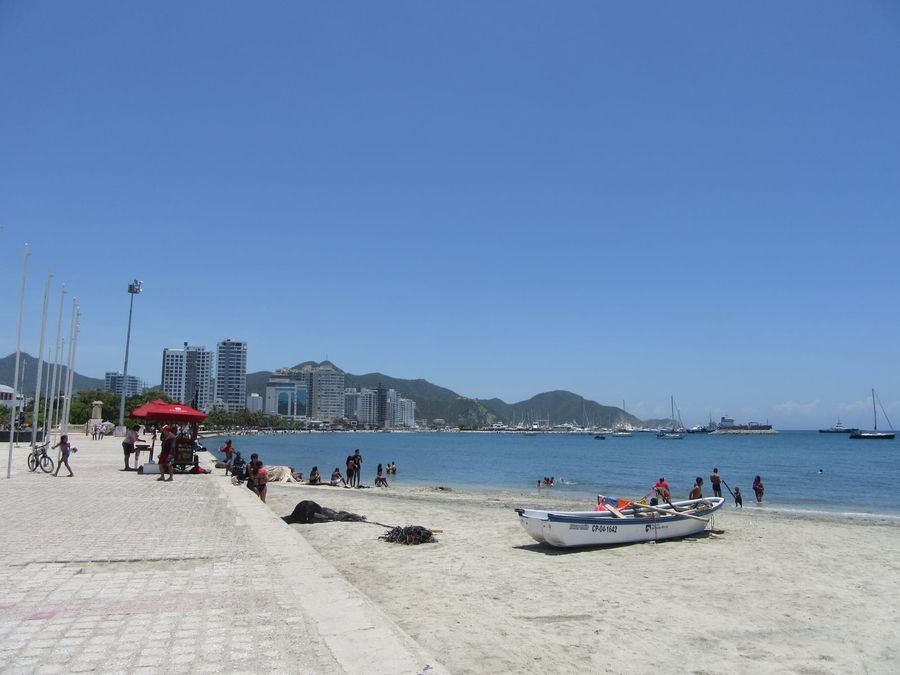
Santa Marta is hot every month of the year, so the real decision is about rain, wind, park closures and crowds rather than temperature. The driest, breeziest window runs from December to March, which is prime time for the beaches, Tayrona and the Lost City trek. Come in the wetter months for lower prices and a quieter coast, but always work around September, when the Lost City trail and parts of Tayrona typically close.
Wedged between the Caribbean and the highest coastal mountains on Earth, Santa Marta has a climate all its own. The Sierra Nevada wrings moisture out of the sky before it reaches the city, making this one of the drier corners of Colombia's Caribbean coast — but "drier" is relative, and the year still splits into distinct wet and dry rhythms. There is no cold season to plan around and no month that is genuinely cool; what changes is how much rain falls on the trails, how hard the trade winds blow, which parks are open, and how many other travellers you share the beaches with. Getting the timing right in Colombia's oldest city is mostly about matching those variables to the trip you actually want.
What is the short version of when to visit Santa Marta?
Aim for December to March if you want the surest weather for the coast and the big treks, accept some rain for lower prices the rest of the year, and never book the Lost City around its September closure without checking dates first. The region's two headline adventures — Tayrona National Park and the Lost City trek — are what most people build a visit around, so their seasons matter more than the city's beaches alone.
- Best all-round weather: December to March — dry, breezy, and ideal for hiking and the coast
- Quietest and cheapest: May and September to November — more rain, but far fewer visitors and lower rates
- Book well ahead for: Christmas, New Year and Colombian school holidays (late December to mid-January), when rooms and treks sell out first
- Plan carefully around: early September, when the Lost City trail usually closes, and the two or three yearly maintenance closures at Tayrona
What is Santa Marta's dry season like (December to March)?
This is Santa Marta at its most reliable and its most popular. Rainfall drops to its lowest, the skies stay clear for long stretches, and steady northeasterly trade winds take the edge off the humidity — the single biggest reason these months feel so comfortable despite highs in the low thirties. The Sierra Nevada trails firm up, the Caribbean is calm and swimmable, and the light on the bay at sunset is at its best. It is the finest window for a beach-and-trek trip, and the calendar reflects it: the city's monthly ratings peak from January through March.
The trade-off is company and cost. The dry season overlaps with the Colombian summer holidays, so from mid-December through early January the beaches, the historic centre and the Tayrona campsites run at their busiest, and hotel rates climb to their annual high. If you want dry-season conditions without the festive crush, target late January to March, when the winds still blow, the rain still holds off, and the holiday crowds have gone home. The wind is worth noting for one group in particular: it can whip up sand and chop on the more exposed beaches, so windier afternoons are better spent on a guided walk through the old town or up in the cooler hills of Minca.
What about the rainy months (May to November)?
Do not write them off — the rain here is seasonal and uneven, not a constant grey. A first, lighter wet spell tends to arrive around May, then eases into a drier window in June and July that locals call the veranillo, or "little summer," before the heaviest rains build from September to November. October is usually the wettest month of all, when jungle trails turn muddy and rivers on the Lost City route swell. Across this half of the year the pattern matters more than the totals: showers often come as intense late-afternoon downpours that clear to leave bright, humid mornings.
What you gain in exchange is space and value. Room rates ease, the Sierra Nevada is at its greenest, birdlife around Minca is active, and coffee and cacao farms in the hills are lush. The veranillo of June and July is an underrated sweet spot — noticeably drier than the months on either side, yet far quieter and cheaper than the December peak. With a flexible plan and a light rain jacket, even the wetter months work: save museums, the cathedral and the hacienda where Simón Bolívar died for the wettest hours, and keep beach and hiking time for the clear spells.
When should you plan the Lost City trek and Tayrona visits?
The region's two marquee experiences have their own calendars, and they should anchor your dates. The Lost City trek is a demanding four-to-five-day hike involving eight to ten hours of walking a day through humid jungle, and it is best attempted in the December-to-March dry season, when river crossings are lower and the trail is firmer. Crucially, the Ciudad Perdida trail normally closes for roughly the first weeks of September each year while the Indigenous Kogi, Wiwa, Arhuaco and Kankuamo communities who steward the site carry out maintenance and spiritual ceremonies — confirm the exact dates with a licensed operator before you lock in flights.
Tayrona has its own quirk: the national park closes two or three times a year, usually for a few weeks at a time, so the ecosystem and its Indigenous custodians can recover. Those closures shift from year to year, so check the current schedule before planning a beach day at Cabo San Juan. Whenever you go, both experiences require licensed guides, and the dry season's popularity means the best operators book out early — reserve a Lost City trek well in advance for any December-to-March departure.
How should you choose your Santa Marta tours by season?
The core tours run whenever the parks are open, but the season should shape how you weight them. Beach-focused Tayrona trips and the Lost City trek reward the dry months, while hill towns and cultural sites shine as rainy-day alternatives. These are the typical formats and rates:
| Tour Type | Price | Best season |
|---|---|---|
| Tayrona day trip | COP 150,000–250,000 ($37–60) per person, with transport | December–March, park permitting |
| Lost City trek (4–5 days, all-inclusive) | COP 1,200,000–1,800,000 ($300–450) per person | December–March; avoid the September closure |
| Minca day trip | COP 120,000–200,000 ($30–50) per person | Year-round; a strong rainy-day choice |
| Private full-day guide | COP 350,000–600,000 ($85–150) | Year-round |
A Tayrona day trip is at its best in the dry season, when the sea is calm enough for swimming at Cabo San Juan and the coastal path is dry underfoot. The Lost City trek is the flagship multi-day adventure and belongs firmly in the drier months. Minca, by contrast, is the ideal wet-weather pivot: a short moto-taxi ride up into the cloud forest reaches waterfalls, birding trails and small-batch coffee farms that are green and atmospheric even under drizzle. A private full-day guide is the most flexible option in any season, since a good local can read the sky each morning and reshuffle the plan around a passing squall or a windy afternoon.
How does timing affect your Santa Marta budget?
The calendar is the single biggest lever on what you pay. Christmas, New Year and the Colombian school holidays from late December to mid-January are when hotels charge the most and sell out earliest, followed by a smaller bump around Easter. The wetter months from May and September to November deliver the lowest room rates, while the June–July veranillo offers a rare combination of decent weather and off-peak prices. Guided-tour rates, by contrast, stay broadly stable across the year, so most of your seasonal savings come from accommodation and flights rather than the guides themselves.
That stability makes a knowledgeable local a fixed, dependable line in your budget whenever you travel — well worth it in a region where English is rarely spoken outside upmarket hotels. As anywhere in Colombia, carry Colombian pesos in cash for smaller vendors, moto-taxis and rural farms, and confirm current tour prices when you book, since exchange rates shift over time. For multi-day trek guides, a tip of around COP 20,000–50,000 per day is standard and appreciated.
What local logistics should you know for Santa Marta?
A few practicalities hold true whenever you visit. Santa Marta has its own airport, Simón Bolívar International, with frequent flights from Bogotá and Medellín, and the compact historic centre around the Camellón waterfront and the cathedral is easily walkable. Beyond the city, the geography does the planning for you: Tayrona lies east along the coast, Minca climbs into the Sierra Nevada foothills to the south, and the Lost City trailhead is a bumpy transfer inland.
- Getting around town — The old town is best on foot; taxis and ride-hail apps cover the wider bay, and shared vans run to Tayrona's main entrance at El Zaino.
- Up to Minca — Moto-taxis are the standard, thrilling ride up the mountain; shared 4x4s are the sturdier option in the rain.
- Pack for heat and sudden rain — Bring light, breathable clothing, strong sun protection and water year-round, plus a compact rain jacket from May onward and proper footwear for the trails.
- Book parks and treks ahead — Tayrona camping and the Lost City trek need advance reservations, especially from December to January, and both depend on the parks being open on your dates.
Choose your month honestly. Come in the breezy dry stretch from December to March for the surest weather and the big treks, slip in during the veranillo of June and July for a quieter, cheaper trip with decent skies, or brave the green, rainy months for the lowest prices — and let what you most want from the Sierra Nevada and the Caribbean, rather than the dates on the calendar, decide when you go.
Frequently Asked Questions
When is the best time to visit Santa Marta?
December to March is the driest, breeziest stretch and the best all-round window for the beaches, Tayrona and the Lost City trek. The trade winds keep the heat bearable and the trails firm, though prices and crowds peak around Christmas and New Year.
What months are the rainy season in Santa Marta?
The wettest months run from September to November, with October usually the peak. A shorter, lighter rainy spell often arrives in May, broken by a drier window around June and July that locals call the veranillo.
When is the Lost City trek closed?
The Ciudad Perdida trail normally closes for roughly the first weeks of September each year, when the Indigenous communities who steward the site carry out maintenance and spiritual ceremonies. Always confirm dates with a licensed operator before booking flights.
How hot does Santa Marta get?
Santa Marta is hot and humid year-round, with daytime highs usually between 28 and 32 degrees Celsius and no cool season. The December-to-March trade winds are the main relief, which is part of why those months feel the most comfortable.