
Best Time to Visit Split: A Season-by-Season Guide
When to visit Split for warm seas, running ferries, and a walkable Diocletian's Palace without the July crush. Practical month-by-month advice on weather, crowds, island-hopping, guide costs, and local logistics.
Read the full guideUpdated · 9 min read
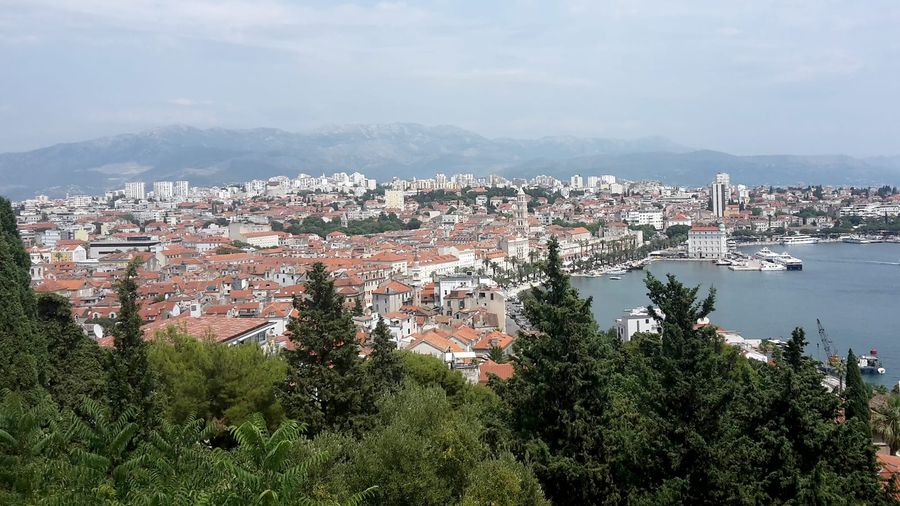
The best time to visit Split is late May through June and September into early October, when the Adriatic is warm, island ferries run full schedules, and Diocletian's Palace stays walkable rather than gridlocked. July and August deliver the beach heat and the fullest energy but also the worst crowds and prices; winter hands the city back to its residents.
Split is two destinations layered on one another: a living 4th-century Roman palace where 3,000 people still reside, and the busiest ferry gateway to the Dalmatian islands. That double identity is exactly why timing matters here. A September morning in the Peristyle courtyard and a mid-August scrum through the same lanes are barely the same place. Get the month right and Split rewards you with warm stone, running boats, and room to breathe.
What is the short answer on when to visit Split?
For most travellers, aim for the shoulder months: late May to June, or September to early October. You get swimmable water, complete ferry timetables, and comfortable walking temperatures without the peak-season crush.
Split's calendar splits cleanly. The shoulder season balances everything a visitor actually wants. July and August maximise heat, sea warmth, and nightlife, but also queues, prices, and ferry-terminal chaos. April and late October to November trade some warmth for near-empty Roman streets and low prices. Winter is for travellers who want a working Dalmatian city rather than a resort. If you are combining Split with island time on Hvar, Brač, or Vis, weight your choice toward late June or September, when catamarans run daily but the harbour has not yet reached its August frenzy.
What is Split's weather like month by month?
Split has a hot-summer Mediterranean climate: hot, dry summers and mild, wetter winters. The sea lags the air, staying warm well into October, which stretches the swimming season past the crowd season.
Summer afternoons routinely reach the low 30s°C with little rain, while the surrounding Dinaric mountains hold back the worst of the continental cold in winter. Autumn is the wettest stretch, but rain tends to arrive in short, heavy bursts rather than all-day drizzle.
| Season | Air temp | Sea temp | Rain | Feel |
|---|---|---|---|---|
| Winter (Dec–Feb) | 5–12°C | 13–15°C | Frequent, heaviest bursts | Quiet, local, cheap |
| Spring (Mar–May) | 12–23°C | 14–18°C | Moderate, brief showers | Warming, uncrowded |
| Summer (Jun–Aug) | 26–33°C | 22–25°C | Very low | Hot, busy, full ferries |
| Autumn (Sep–Nov) | 14–26°C | 18–24°C | Rising through the season | Warm sea, thinning crowds |
The city's own month ratings single out September and October as the standout months — warm sea, soft evening light on Roman stone, and manageable numbers.
How do crowds and cruise ships shape the calendar?
Split's crowding is driven as much by cruise arrivals and island day-trippers as by overnight visitors, so the palace can feel packed even in shoulder months during the middle of the day.
Cruise ships dock a short walk from the old town, and their passengers concentrate inside Diocletian's Palace from roughly 10am to 4pm. The practical fix works in any season: visit the palace cellars at the 9am opening and walk the Peristyle early or after 6pm, when the day-trippers have re-embarked and the low light is at its best. Overnight crowds peak hard in July and August, when the Riva, the ferry terminal, and every konoba terrace run at capacity. By late September the overnight numbers ease noticeably, though sunny weekends still fill the waterfront. Climbing Marjan Hill is the reliable escape valve whatever the month — the forested peninsula thins out fast a few minutes above the old town.
When should you visit for island-hopping and ferries?
If islands are the point of your trip, travel between late June and mid-September, when Jadrolinija and Krilo run their fullest catamaran schedules to Hvar, Brač, Korčula, and Vis. Outside that window, sailings drop to a skeleton timetable.
Split is the central hub of the Dalmatian ferry network, and the timetable is seasonal in a way that catches people out. High-summer frequency makes spontaneous day trips easy; a shoulder-season visit still works but rewards checking departures in advance and booking any car ferry ahead. The table below sketches the rhythm.
| Period | Catamaran frequency | Booking pressure | Notes |
|---|---|---|---|
| Jun–early Sep | Multiple daily to major islands | High for car ferries | Book Jadrolinija car ferries well ahead; passenger catamarans sell out on Hvar and Vis |
| Late Sep–Oct | Reduced but reliable daily sailings | Moderate | Ideal island weather with far fewer passengers |
| Nov–Mar | Sparse, mainly resident services | Low | Some island routes run only a few times a day; confirm return times |
For a first-time island run, the fast catamaran to Hvar (about an hour) is the classic Split day trip. In peak weeks, buy tickets the day before rather than gambling on the morning queue.
What do Split tours and guides cost across the seasons?
Guided options run from tip-based free walks to specialist archaeology tours, and prices hold fairly steady year-round; availability, not cost, is what changes with the season.
Licensed guides certified by the Croatian Ministry of Tourism are required for guided access to the palace's underground cellars, so booking a reputable guide is both a legal and a quality point. In peak summer, popular walks and small-group island trips sell out days ahead; in winter, some operators pause and you may need to arrange a private guide directly.
| Tour type | Typical price | Best booked |
|---|---|---|
| Free walking tour (tip-based, ~90 min) | €10–12 customary tip | Same day, from the Peristyle |
| Small-group palace walk | €25–40 per person | 1–3 days ahead in summer |
| Private half-day (palace, cellars, cathedral, up to 6) | €100–160 | A week ahead in peak season |
| Specialist archaeology guide (half-day) | €150–250 | Well ahead; limited availability |
| Island day trip with Split orientation | €50–90 per person | Days ahead Jun–Sep |
Whatever the season, a knowledgeable guide is what turns the palace from a photogenic backdrop into a legible 1,700-year story — from Diocletian's abdication to the mausoleum's conversion into the Cathedral of St Domnius.
How much does a Split trip cost by season?
Accommodation is where the season hits your budget hardest: a room that costs €80 in November can triple in the first week of August. Tours, meals, and ferries move far less.
Split's hotel and apartment prices swing sharply with demand, so shifting a trip by three or four weeks either side of peak can meaningfully change the total. The ranges below are indicative for a mid-range traveller.
| Item | Shoulder (May–Jun, Sep–Oct) | Peak (Jul–Aug) | Winter (Nov–Mar) |
|---|---|---|---|
| 3-star hotel / night | €90–150 | €160–280 | €55–90 |
| Konoba dinner | €18–30 | €22–35 | €16–28 |
| Catamaran day return to Hvar | €15–30 | €20–35 | Limited service |
| Guided palace walk | €25–40 | €25–40 | €25–40 |
Peak-season accommodation is the single line worth planning around: book two to three months ahead for July and August, and you will both secure a place inside or near the old town and avoid the worst of the price spike.
How do you get around Split, and when?
The historic core is entirely walkable in any season; the seasonal variable is how far the buses and ferries reach and how crowded the terminals get.
The old town — Diocletian's Palace and the surrounding lanes — is compact and car-free, and the marble Riva waterfront runs along its southern edge as the city's open-air living room. City buses reach Bačvice beach and the Meštrović Gallery year-round, and bus line 37 runs to the UNESCO-listed town of Trogir every 20 minutes along the coast. In summer, allow extra time at the ferry terminal and the main bus station, both of which back up midday; in winter, plan around thinner ferry timetables and shorter museum hours. Tipping stays consistent all year: €10–12 for a free walking tour, around 10% for a private guide, and rounding up in cafés.
Which season matches your travel priority?
Choose by what you most want. Beach and islands point to summer; culture and value point to the shoulder months; solitude and low prices point to winter.
| Priority | Best window |
|---|---|
| Warm sea and full ferry schedules | Late June to early September |
| Fewest crowds with warm weather | Late September to early October |
| Lowest prices | November to March |
| Uncrowded Roman sites | April, late October |
| The city as locals live it | Winter |
Split does not demand a perfect season so much as an honest match between the calendar and what you came for. If that means one thing, make it late September: the sea is still warm from summer, the ferries to Hvar and Brač are still running, the light on the Peristyle turns gold by early evening, and you can finally hear your own footsteps in the palace. For a wider Croatian itinerary, pair Split with Dubrovnik to the south or the Istrian pair of Pula and Rovinj to the north — all of which share the same shoulder-season sweet spot across Croatia's Adriatic coast.
Related guides
- Planning a Trip to Pula — Roman Istria as a northern counterpoint to Split's palace
- Getting Around Rovinj — practical transport for a quieter Istrian base
- Best Time to Visit Venice — timing another Adriatic city on the same trip
Weighing up when to see Split and how to fit the islands around it? Reach out for tailored, season-specific advice.
Frequently Asked Questions
When is the best time to visit Split?
Late May to June and September into early October give the best balance of warm sea, full ferry schedules, and thinner crowds than the July and August peak. October keeps the sea swimmable while prices fall sharply.
Is the sea warm enough to swim outside high summer in Split?
The Adriatic around Split is comfortably swimmable from roughly June through October, peaking near 25°C in August. Late September and early October still suit most swimmers; May is bracing but fine for the determined.
When are Split and its ferries most crowded?
July and August bring the heaviest crowds, the fullest ferry terminals, and the highest prices. Cruise-ship days concentrate day-trippers in Diocletian's Palace between mid-morning and late afternoon year-round.
Is Split worth visiting in winter?
Yes, if you want the real city rather than beach weather. Winter empties the Riva of tourists, fills the Pazar market with locals, and cuts hotel prices, though island ferry schedules thin out and many beach-season businesses close.