
Best Time to Visit London: Month-by-Month Guide
When to visit London month by month — weather, crowds, costs and events. Why May and September win, and January, February and November are cheapest.
Read the full guideUpdated · 13 min read
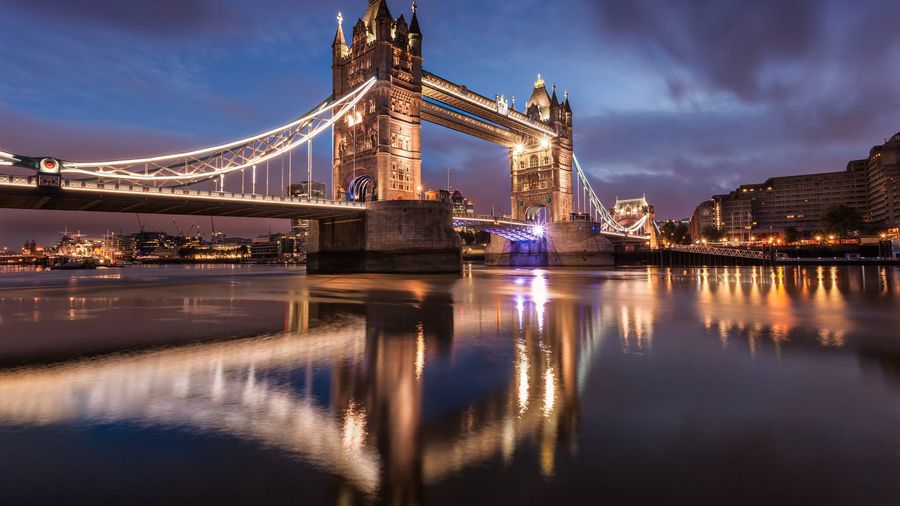
The best time to visit London is late spring (May to early June) and September, when mild weather, long daylight, and manageable crowds line up. May is statistically the driest month, while September pairs near-summer warmth with prices that soften as families head home. For the cheapest, quietest trip, choose January, February, or November.
London gets a worse reputation for weather than it deserves. The capital collects roughly 600mm of rain a year — less than New York, Sydney, or Rome — but spreads it across more days, so the drizzle feels constant even when the totals are modest. What genuinely reshapes a trip is not rain but daylight, and timing your visit around your priorities (budget, weather, culture, or crowd avoidance) makes more difference here than in almost any other European capital. This month-by-month guide sits alongside our wider London planning pages and the England overview.
What is London's climate like?
London has a mild, changeable maritime climate: temperatures rarely drop below freezing or climb past 25°C, and rain arrives as frequent light drizzle rather than all-day downpours. The variable that reshapes every itinerary is daylight, which swings from barely eight hours around the December solstice to more than sixteen in mid-June, deciding how much you can fit into a single day.
Sitting at 51 degrees north — further north than Calgary or Kyiv — London trades away the light early: a December afternoon fades by 4 PM, while a June evening stays bright past 9. That single fact drives how locals plan, and it is why guided walking tours cluster in the long-daylight months. The seasonal figures below are the ones worth building an itinerary around.
| Season | Temperature | Daylight | Rain |
|---|---|---|---|
| Winter (Dec-Feb) | 2-8°C / 36-46°F | 7-9 hours | Frequent drizzle |
| Spring (Mar-May) | 8-17°C / 46-63°F | 12-16 hours | Decreasing |
| Summer (Jun-Aug) | 14-24°C / 57-75°F | 16-17 hours | Occasional showers |
| Autumn (Sep-Nov) | 7-19°C / 45-66°F | 9-13 hours | Increasing |
Is spring the sweet spot for visiting London?
Yes — spring (March through May) is the strongest all-round window, balancing thawing weather, blossoming parks, and prices that stay below the summer peak outside Easter. May is statistically London's driest month, and the Royal Parks look their best, making it prime season for outdoor walking tours before the July and August crowds descend on the headline sights.
Cherry blossoms reach Greenwich Park and Kew Gardens by April, and by May the eight Royal Parks are at their most photogenic — the moment London's Blue Badge guides, the city's officially qualified tour guides, fill their outdoor calendars.
What spring opens up
This is prime season for outdoor walking tours: Notting Hill's pastel facades, Camden Market's chaotic energy, East End street-art circuits. The weather cooperates without the summer crush, and royal palace tours (Kensington Palace, Hampton Court) benefit from blooming gardens and manageable queues.
March bridges winter and spring. St. Patrick's Day festivities liven things up. The Oxford-Cambridge Boat Race on the Thames draws crowds along the riverbank. Prices are still transitional, making it a good value month outside of Easter.
April brings Easter celebrations and the London Marathon atmosphere. Cherry blossoms peak. Hotel prices spike during Easter week specifically, but the rest of April offers a pleasant middle ground between budget and weather.
May rewards that dry spell with the year's fullest outdoor calendar. The Chelsea Flower Show (late May, tickets sell out months ahead) draws garden enthusiasts from around the world. FA Cup Final weekend energizes Wembley and the pubs. Two bank holiday weekends push prices up but add a festive atmosphere.
Guided tour conditions: Ideal. Tour guides have energy and availability. Small group outdoor tours are at their best. Book Kew Gardens and Hampton Court Palace day trips now to combine spring gardens with expert historical commentary.
What is summer like in London?
Summer (June through August) delivers London at its liveliest: daylight past 9 PM, an outdoor dining and festival calendar running at full tilt, and every headline event from Wimbledon to Notting Hill Carnival packed into three months. The cost is peak pricing, hour-long queues, and sweltering Tube carriages, so book skip-the-line tours weeks ahead and save midday for shaded parks.
Note the practical catch that surprises first-timers: the deep Tube lines have no air conditioning, so a July heatwave turns the Central and Bakerloo lines into saunas. Locals shift their sightseeing to early morning and long, bright evenings and leave the middle of the day for the parks.
June highlights
Trooping the Colour (the official celebration of the King's Birthday) fills the Mall with pageantry in early June. Wimbledon begins late in the month. Pride London (usually late June) transforms central London. Open-air cinema and theater seasons launch across the city's parks.
Evening tours make strategic sense in summer. With sunset after 9 PM, guided walks along the Thames or through Whitechapel (Jack the Ripper territory) take advantage of golden-hour light while avoiding midday heat and crowds.
July and August
Peak international tourism. The BBC Proms classical music series fills the Royal Albert Hall through summer. Hampton Court Palace Flower Show runs in early July. Buckingham Palace opens its State Rooms to visitors (summer only, a rare chance to see the working rooms of the monarchy).
August's headline event: Notting Hill Carnival on the late August bank holiday weekend is Europe's largest street festival: two million people, steel drums, Caribbean food stalls, elaborate costumes. A local guide who knows the neighborhood is genuinely useful here, both for finding the best viewing spots and for navigating safely through massive crowds.
Surviving summer crowds
Book all skip-the-line tours four to six weeks ahead. Tower of London, Westminster Abbey, and Churchill War Rooms tours are essential to avoid two-hour-plus waits. Consider early morning or late afternoon time slots for major attractions. Midday is for parks, markets, and lunch.
Why do insiders recommend autumn in London?
Autumn (September through November) is the locals' pick because it keeps summer's rewards while shedding its crowds and prices. September holds near-summer warmth as families leave, October gilds the Royal Parks, and November trades daylight for Bonfire Night fireworks, the first Christmas lights, and hotel rates that begin their annual slide. Walking-tour conditions are at their comfortable best.
If you ask a London guide when they would tell a friend to come, most say September — and the reasons stack up month by month below.
September stands apart
If you can visit only once, September is the strongest all-around choice. Weather is mild and often sunny, schools resume and thin the family crowds, and hotel prices drop from summer peaks. The theater, opera, and concert seasons launch with fresh programs, London Fashion Week (mid-September) adds glamour, and the Open House Festival — spread across several September days — unlocks free access to some 800 normally private buildings, from Brutalist towers to Georgian townhouses.
Guided tour conditions at their best. Guides aren't exhausted from summer volume. Outdoor walking tours are comfortable. Day trips to Stonehenge, Bath, and Windsor operate without summer congestion.
October's atmosphere
Autumn foliage in Hyde Park, Regent's Park, and Greenwich is stunning. The London Film Festival (early to mid-October) screens premieres across the city. Halloween events at the Tower of London and Hampton Court add theatrical edge. Theater season hits full stride.
Ghost walks and Jack the Ripper tours reach their atmospheric peak. The early darkness and autumn mist add authenticity that summer evening tours simply can't replicate.
November quiets down
Crowds thin to winter levels. Bonfire Night (November 5) lights up the sky across London with fireworks displays from Battersea Park to Alexandra Palace. The Lord Mayor's Show (a parade through the City) runs mid-month. Christmas lights switch on across Oxford Street, Regent Street, and Covent Garden.
Food tours and pub walks become especially appealing as the weather turns properly British. A guided pub crawl through historic London pubs (Ye Olde Cheshire Cheese, The Lamb and Flag, The George Inn) is a warming antidote to November drizzle.
Is winter a good time to visit London?
Winter (December through February) is the value season: hotel rates fall 30-40% below peak, theater tickets open up, and museums empty out for unhurried guided visits. December glows with Christmas markets and ice rinks, while January and February are the quietest, cheapest months of the year. The trade-off is short daylight and a near-total shutdown on 25 December, when the Underground does not run at all and most attractions close.
The season's payoff is atmosphere the summer never offers: Christmas markets, outdoor ice rinks, West End shows, and museums that are a genuine pleasure once the tour buses thin out.
December's dual personality
Early December is Christmas market season. Winter Wonderland fills Hyde Park with rides, market stalls, and ice skating from mid-November through early January, while Somerset House and the Tower of London both host elegant outdoor rinks and festive lights draw evening crowds along Oxford Street and Regent Street. Christmas lights walking tours and historical Christmas-tradition tours are among the most-booked guided experiences of the year, so reserve weekend dates well ahead.
The week between Christmas and New Year offers a hidden window. Many attractions reopen on 27 December, hotels slash rates, and the city is oddly quiet. Boxing Day sales begin on 26 December for determined shoppers, and the New Year's Eve fireworks on the Thames are ticketed and spectacular.
January and February: The bargain months
Hotel rates drop 30-40% below peak. Theater tickets are readily available at discount. Major museums and galleries are nearly empty, making guided tours an unhurried pleasure: a British Museum or National Gallery walk with an expert who can spend real time on individual works rather than rushing through crowds.
London's January sales (the tail end of Boxing Day through the month) offer genuine bargains at department stores and boutiques. Burns Night (January 25) brings Scottish celebrations to London's pubs and restaurants.
February is arguably the quietest month of the year. Chinese New Year celebrations in Chinatown (date varies) are colorful and festive. BAFTA season adds film-world energy. Valentine's Day gives London an excuse for romantic atmosphere.
Tower of London and Churchill War Rooms tours are particularly worthwhile in winter: small groups, unhurried guides, and no queue-induced fatigue.
What will a London trip cost by season?
Budget swings hardest on accommodation: a 3-star room runs £150-250 a night at the summer peak but drops to £70-130 in winter, while guided tours and meals move in a narrower band. The table below sets typical per-person and per-night ranges side by side so you can weigh a season's atmosphere against its price.
| Season | 3-star hotel/night | Guided tour (pp) | Restaurant meal (pp) |
|---|---|---|---|
| Spring (Mar-May) | £100-180 (higher at Easter) | £50-75 | £18-35 |
| Summer (Jun-Aug) | £150-250 | £60-90 | £20-40 |
| Autumn (Sep-Nov) | £70-180 (Sept high, Nov low) | £45-75 | £15-35 |
| Winter (Dec-Feb) | £70-130 (higher Christmas week) | £45-65 | £15-30 |
Blue Badge day rates sit above the group-tour figures above — budget roughly £200-300 for a private half-day and £400-600 for a full day, split across your party — but for first-time visitors juggling the Tower, Westminster, and a museum in limited daylight, a qualified guide often saves more time than it costs.
How do you match your London trip to your priorities?
Pick your month by what matters most: January, February, or November for the lowest prices and fewest crowds; May, June, or September for the best weather; and September, October, or December for the richest cultural calendar. If you can only commit to one all-round month, September wins — mild weather, dispersing crowds, moderating prices, and a fresh cultural season.
| Your priority | Best months | Why |
|---|---|---|
| Lowest prices | Jan, Feb, Nov | Hotels at their cheapest, uncrowded sights, easy theater tickets |
| Best weather | May, Jun, Sep | Driest, mildest stretch with long daylight for all-day walking |
| Fewest crowds | Jan, Feb, Nov | Museums and galleries quiet enough for unhurried, thoughtful visits |
| Best for families | Apr (post-Easter), Aug | School holidays ease logistics; summer programming runs outdoors |
| Richest cultural season | Sep, Oct, Dec | Autumn arts seasons launch; Christmas traditions peak in December |
The single strongest month overall is September: the weather holds, summer crowds disperse, prices moderate, and the cultural season begins in earnest.
When should you book your London trip?
Book the highest-demand elements three to six months ahead — summer, Easter, or Christmas flights and hotels, plus Wimbledon ballots, the Chelsea Flower Show, and hit West End shows. Reserve skip-the-line attractions and small-group tours four to eight weeks out, and leave standard tickets, Thames cruises, and day trips to Stonehenge or Bath for the final two to three weeks.
| Book this far ahead | What to lock in |
|---|---|
| 3-6 months | Summer, Easter, or Christmas flights and hotels; Wimbledon ballot; Chelsea Flower Show; hit West End shows |
| 4-8 weeks | Skip-the-line tickets (Tower of London, Westminster Abbey); small-group guided tours; top restaurant tables |
| 2-3 weeks | Standard attraction tickets; Thames cruises; day trips to Stonehenge, Bath, or Windsor Castle |
What should you pack for London by season?
Whatever the month, pack a compact umbrella and one more layer than the forecast suggests — London weather turns fast. Winter demands a warm waterproof coat with thermals; spring and autumn call for a light-to-medium jacket over layers and waterproof shoes; summer needs breathable layers for cool mornings plus sun protection for long, bright evenings.
Winter: Warm waterproof coat, thermal layers, scarf, gloves, hat, waterproof boots, compact umbrella.
Spring: Light hooded jacket, layering pieces, waterproof shoes, light scarf, umbrella.
Summer: Light layers (mornings and evenings cool off), comfortable walking shoes, sunglasses, sun hat, light rain jacket.
Autumn: Medium-weight jacket, layering pieces, waterproof shoes, scarf, reliable umbrella. Add light gloves from late October onward.
Related Guides
For more London travel planning resources, check out:
- European Christmas Markets - London's Winter Wonderland in the context of Europe's best festive markets
- NYC for First-Time Visitors - Compare London and New York as first-timer destinations
- Amsterdam Canal Tours Compared - Planning the next leg of your European city-break
There is no bad time to visit London. The city delivers world-class museums, history layered into every street, and Europe's most diverse cultural scene regardless of the calendar. What changes is the texture of the experience: summer's endless twilight versus December's fairy-lit streets, September's perfect walking weather versus January's empty galleries and bargain hotel rates. Match the season to your priorities, pack a layer more than you think you'll need, and bring an umbrella no matter what the forecast says — then let a local guide fill the gaps between the Tower of London, the British Museum, and whatever the season happens to be celebrating.
Frequently Asked Questions
What is the best time of year to visit London?
Late spring, from May to early June, offers long days, blooming parks and milder weather before the heaviest summer crowds and higher prices arrive.
Does it really rain all the time in London?
London's reputation for rain is overstated. It tends to come as light, intermittent drizzle rather than all-day downpours, and annual totals are lower than many European capitals, though an umbrella is always wise.
When are London hotels and flights cheapest?
January and February, outside the New Year period, are the cheapest months, with the lowest demand and frequent attraction discounts.
Is Christmas a good time to visit London?
December is festive and atmospheric with markets and lights, but note that many attractions and most public transport close or run limited hours on 25 December.