Best Time to Visit Marseille: A Season-by-Season Guide
When to visit Marseille for warm seas, open Calanques trails, and a walkable Vieux-Port without the August heat. Month-by-month advice on weather.
Read the full guideUpdated · 9 min read
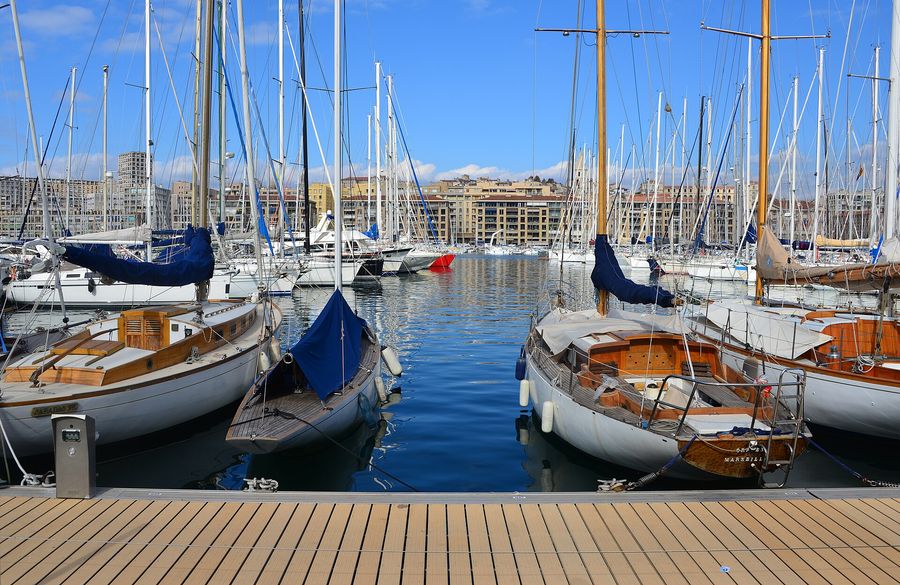
The best time to visit Marseille is May–June and September–October, when the Mediterranean is warm enough to swim, the Calanques are open for hiking, and neither the summer heat nor the crowds have peaked. July and August deliver the hottest weather and the liveliest waterfront but also the strictest fire closures; winter hands the city back to its residents at the lowest prices of the year.
Marseille rewards timing more than most French cities because it is really two destinations sharing one bay: a 2,600-year-old port with a dense, walkable centre, and a wild stretch of limestone coast that operates on its own seasonal rules. A June morning swimming beneath the cliffs and a scorching August afternoon locked out of the massif are barely the same trip. Get the month right and the Vieux-Port, the hills, and the sea all line up.
What is the short answer on when to visit Marseille?
For most travellers, aim for late spring or early autumn — roughly May to June, or September into early October — when you get swimmable water, open trails, and mild walking weather without the peak-season crush.
Marseille's calendar divides cleanly. The shoulder months balance everything at once. July and August maximise heat, sea warmth, and festival energy, but bring the worst crowds, the highest prices, and the most Calanques closures. April and late October to November trade some warmth for near-empty streets and low costs. Winter suits travellers who want a real working Mediterranean city rather than a beach. The city's own month ratings single out May through September as the strongest stretch.
What is Marseille's weather like month by month?
Marseille has a hot-summer Mediterranean climate — hot, dry summers and mild, changeable winters — and it is one of the sunniest cities in France, averaging around 2,800 hours of sunshine a year. The sea lags the air, holding its warmth into October and stretching the swimming season past the busiest weeks.
Summer afternoons routinely climb into the low 30s°C with almost no rain, while winter rarely turns truly cold. Autumn is the wettest stretch, though rain tends to arrive in short, heavy bursts rather than all-day grey.
| Season | Air temp | Sea temp | Feel |
|---|---|---|---|
| Winter (Dec–Feb) | 6–13°C | 13–14°C | Quiet, cheap, Mistral-prone |
| Spring (Mar–May) | 12–22°C | 13–18°C | Warming, uncrowded, breezy |
| Summer (Jun–Aug) | 24–31°C | 20–25°C | Hot, busy, fire closures |
| Autumn (Sep–Nov) | 14–25°C | 18–23°C | Warm sea, thinning crowds |
How does the Mistral wind change your plans?
The Mistral — a cold, dry northwesterly that funnels down the Rhône valley — is Marseille's defining weather quirk, blowing on roughly a hundred days a year and hardest in winter and spring.
The Mistral scrubs the sky a brilliant blue and drops humidity, which is why Marseille's light is so prized, but it also chills the air sharply and whips up the sea. On strong Mistral days, Calanques boat tours and ferries to the Frioul islands and Château d'If are often cancelled, and exposed clifftop hikes turn unpleasant. It rarely lasts more than a few days at a stretch. Pack a windproof layer even in summer, keep boat trips flexible with a spare day, and treat a clear, still morning as the moment to head out to sea.
When can you actually hike and swim the Calanques?
The single most important piece of Marseille timing is the Calanques fire regulation: from 1 June to 30 September the national park restricts access to the massif based on daily fire risk, and on the most dangerous days the trails close completely.
Access is decided each evening for the following day and depends on wind and drought. Green and yellow days allow normal hiking; on orange days you must be out by mid-morning; on red and black days the massif is shut. Because the Mistral drives fire risk, a windy August week can lock the trails for days. The practical fix is simple: check the park's daily access map the night before, start early, and carry your own water, since there are no fountains on the trail. Outside that window — April, May, and October — the trails stay open all day and the walking weather is at its best. For the sea itself, swimming is comfortable from June through October, peaking near 24–25°C in late summer.
What do Marseille tours and guides cost?
Guided options run from group walking tours to private day charters, and prices hold fairly steady year-round; what changes with the season is availability, not the rate.
A licensed guide is what turns the Vieux-Port, the alleys of Le Panier, and the hilltop Notre-Dame de la Garde from a photogenic backdrop into a legible story spanning Greek Massalia to the modern MuCEM. In peak summer, small-group walks and Calanques boat trips sell out days ahead; in winter, some operators pause and a private guide is the reliable route.
| Tour type | Typical price | Best booked |
|---|---|---|
| Group walking tour (2–3 hrs) | €15–25 per person | 1–2 days ahead in summer |
| Calanques boat tour (2–4 hrs) | €25–45 per person | Several days ahead Jun–Sep |
| Private half-day (up to 6) | €180–300 | A week ahead in peak season |
| Private full-day (up to 6) | €350–550 | Well ahead; limited availability |
How much does a Marseille trip cost by season?
Accommodation is where the calendar hits your budget hardest: a room that costs €70 in November can nearly double in the first weeks of summer, while meals, tours, and transit barely move.
Marseille is generally cheaper than Nice or Paris, but demand still swings with the season, so shifting a trip a few weeks either side of the July–August peak can meaningfully change the total. The ranges below are indicative for a mid-range traveller.
| Item | Shoulder (May–Jun, Sep–Oct) | Peak (Jul–Aug) | Winter (Nov–Mar) |
|---|---|---|---|
| 3-star hotel / night | €90–150 | €150–240 | €65–110 |
| Bistro dinner | €20–32 | €24–38 | €18–28 |
| Ferry to Frioul / Château d'If | €12–18 | €12–18 | Reduced service |
| Guided walking tour | €15–25 | €15–25 | €15–25 |
Peak-season accommodation is the single line worth planning around: book two to three months ahead for July and August to secure a place near the old town and dodge the worst of the price spike.
What festivals fill the Marseille calendar?
Marseille's events cluster in summer and early autumn, so the same months that bring heat and crowds also bring the city's liveliest street life.
June's neighbourhood festival in Le Panier fills the oldest quarter with music and open studios, and the summer jazz festival, Marseille Jazz des Cinq Continents, draws international acts in July. Bastille Day on 14 July lights fireworks over the bay. Autumn brings the Fiesta des Suds music festival in October, and as the year closes, the Foire aux Santons — the traditional fair of hand-painted Provençal nativity figurines — lines the Vieux-Port through Advent, a low-key highlight of the quiet season. Whatever the month, the daily fish market on the quay is the city's most dependable free spectacle.
How do you get around Marseille?
The historic core is walkable in any season; the seasonal variable is how far the ferries reach and how hot the climb to the viewpoints gets.
Two metro lines and three tram lines run by RTM link the Vieux-Port, the Saint-Charles train station, and the outer neighbourhoods, with buses filling the gaps across a sprawling city. Ferries from the old port cross to the Frioul islands and Château d'If, subject to Mistral cancellations. The Calanques are the exception: public transit reaches only the edges, so a car, a shuttle bus to the trailheads, or a boat tour is usually needed. In summer, tackle the walk up to Notre-Dame de la Garde early before the heat builds; in winter, plan around thinner ferry timetables. Marseille sits three hours from Paris by TGV, making it an easy anchor for a wider trip across the south of France.
Which season matches your travel priority?
Choose by what you most want. Beaches and boat trips point to summer; culture and value point to the shoulder months; solitude and low prices point to winter.
| Priority | Best window |
|---|---|
| Warm sea and boat tours | July to early September |
| Open Calanques trails with cool walking | April, May, and October |
| Fewest crowds with warm weather | Late September to mid-October |
| Lowest prices | November to March |
| The city as locals live it | Winter |
Marseille does not demand a perfect season so much as an honest match between the calendar and what you came for. If it has to be one month, make it September: the sea is still warm from summer, the Calanques trails have reopened for the day, the light off the water turns gold by early evening, and you can finally hear your own footsteps on the quay. Pair it with the wider France coast, and the shoulder season carries you well beyond Marseille.
Related guides
- Best Time to Visit Barcelona — another Mediterranean port with a similar shoulder-season sweet spot
- Best Time to Visit Split — timing a warm-sea, boat-heavy coastal city
- Best Time to Visit Venice — planning around crowds and water on another southern-European trip
Weighing up when to see Marseille and how to fit the Calanques around it? Reach out for tailored, season-specific advice.
Frequently Asked Questions
What is the best month to visit Marseille?
May, June, and September are the standout months, with warm water, comfortable walking temperatures, open Calanques trails, and lighter crowds than the July and August peak.
Is the sea warm enough to swim outside high summer in Marseille?
The Mediterranean here is comfortably swimmable from roughly June through October, peaking near 24-25°C in August and September. Late May is bracing but fine for the determined, while winter water sits around 13°C.
Why are the Calanques sometimes closed in summer?
From June to September the Calanques National Park restricts access on high fire-risk days, usually decided the previous evening. On red or black wind-and-drought days the massif trails close entirely, so always check the daily map before planning a hike.
Is Marseille worth visiting in winter?
Yes, if you want the working city rather than beach weather. Winter empties the Vieux-Port of tourists, cuts hotel prices, and brings the Christmas santon fair, though the Mistral can blow cold and some coastal boat tours pause.