
Best Time to Visit Luxor: A Season-by-Season Guide
When to visit Luxor for comfortable temple weather, thinner crowds or lower prices.
Read the full guideUpdated · 9 min read
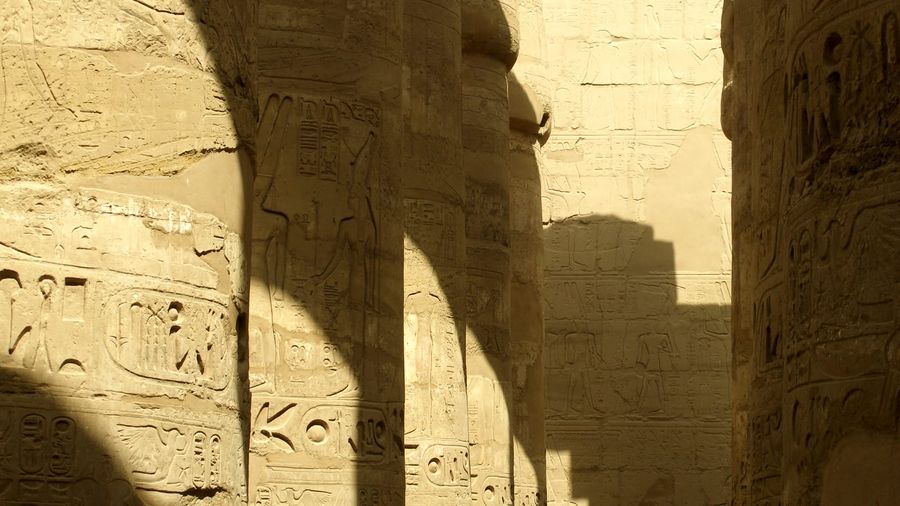
The best time to visit Luxor is November through February, when daytime highs settle into the low-to-mid 20s Celsius and the desert nights turn cool enough for a jacket. March and October are warm but manageable shoulder months; May through September regularly climbs past 42°C, turning the open-air tombs and temples into an endurance test best tackled at dawn. Winter brings the finest weather but also the highest prices and biggest crowds.
Luxor is built on the site of ancient Thebes, and almost everything worth seeing here happens outdoors and in full sun — the columns of Karnak Temple, the painted tombs cut into the cliffs of the Valley of the Kings, the floodlit colonnades of Luxor Temple. That makes timing more consequential here than in most cities. The difference between a January morning strolling Karnak and a July afternoon in the Theban hills is the difference between a highlight and a heatstroke risk.
What is the short answer on when to visit Luxor?
If you can only go once, aim for the cool season between late November and February: comfortable temperatures, long clear days, and the full run of guides, cruises and evening shows operating. If budget matters more than comfort, the shoulder edges of March, April, and October deliver softer prices with heat you can still work around.
Upper Egypt has essentially two seasons that matter to a traveller — a mild winter and a fierce summer — and the calendar swings hard between them. Winter is why the town is busy; summer is why it is cheap. Everything else is a shoulder-season compromise between the two.
How does the Nile Valley climate shape your trip?
Luxor sits deep in the Sahara-fringed Nile Valley, so it is hot, dry, and almost rainless year-round. The practical planning variable is not rain but heat: how many hours of the day you can comfortably spend standing on exposed limestone.
The town keeps sightseeing-friendly temperatures for only about half the year. From October through March daytime highs generally range between the low 20s and low 30s Celsius, while from April onward the mercury climbs steeply and summer highs routinely exceed 42°C. Nights in December and January can drop below 10°C, so pack a layer for early starts and felucca sails after sunset.
| Season | Typical daytime high | Feel |
|---|---|---|
| Winter (Dec–Feb) | 22–26°C | Ideal for touring; cool evenings |
| Spring (Mar–Apr) | 29–35°C | Warm; start early, ease off by noon |
| Summer (May–Sep) | 39–42°C+ | Punishing; dawn-only sightseeing |
| Autumn (Oct–Nov) | 29–35°C → 26°C | Cooling fast; November excellent |
What is Luxor like month by month?
The cool-season months of November through February are the clear winners, earning top marks for comfort; March and October are solid shoulder choices, and the deep-summer stretch of June to August is for heat-hardened, dawn-disciplined travellers only.
The table below pairs each month's approximate daytime high with a plain verdict, so you can weigh weather against the crowds and prices that track it.
| Month | Approx. high | Verdict |
|---|---|---|
| January | 23°C | Peak conditions; busiest and priciest |
| February | 25°C | Excellent weather, still busy |
| March | 29°C | Warm, very good; crowds easing |
| April | 35°C | Hot by midday; early starts essential |
| May | 39°C | Heat sets in; sites quiet |
| June–August | 41–42°C+ | Extreme; dawn touring only, lowest prices |
| September | 39°C | Still very hot; beginning to ease |
| October | 35°C | Warm shoulder; good value |
| November | 29°C | Superb; the season reopens in earnest |
| December | 24°C | Peak conditions; holiday crowds |
When are the crowds thinnest and the prices lowest?
The calm-and-cheap window is the exact inverse of the ideal-weather one. Prices for hotels, Nile cruises, and private guides fall through the hot months of May to September, when the tombs and temples are at their emptiest — you simply trade comfort for the discount.
December and January are the high-season peak: the finest weather draws the largest numbers, cruise ships fill the docks, and popular sites like the Valley of the Kings and the timed-entry Tomb of Nefertari see their longest queues. Shoulder months — March, April, and October — are the value sweet spot, offering meaningfully lower rates while the heat is still something an early start can defeat. If you visit in high summer, you will often have Karnak's Great Hypostyle Hall nearly to yourself at opening time, which is its own kind of luxury. Whenever you come, arriving at the 6 AM opening buys you cooler air and thinner crowds than any other single decision.
What does a Luxor guide cost, and how do you choose one?
Luxor's density of monuments makes a licensed Egyptologist close to essential, and Egyptian law requires guides at archaeological sites to hold an Egyptology degree and a government badge. Costs are modest relative to what the guiding adds, but site tickets and transport are almost always separate.
Match the format to your time and budget using the ranges below; note that entry tickets are extra, and prices in Egyptian pounds shift often, so confirm current rates before you go.
| Tour format | Typical cost | Best for |
|---|---|---|
| Group tour, single site | US$20–35 per person | Budget travellers, solo visitors |
| Half-day private (one bank) | US$40–80 | A focused East- or West-Bank morning |
| Full-day private (both banks) | US$80–150 | Seeing the highlights in one long day |
| Multi-day package with felucca | Varies; better value | Slow, unhurried exploration |
West Bank specialists are worth seeking out for the necropolis, where a good guide reads the hieroglyphs, explains the funerary rituals, and knows which tombs currently reward the separate photography fee. If you are arriving by Nile cruise from Aswan, your ship likely carries its own onboard Egyptologist for shore excursions. Budget for baksheesh on top of tour fees — customarily EGP 50–100 for tomb guards and 10–15% for a private guide.
How do you plan each day around the heat?
Whatever month you choose, the winning rhythm is the same: front-load the day. Start at first light, spend the punishing midday hours indoors or resting, and save the softer late afternoon and floodlit evening for the East Bank temples.
A few logistics make or break a Luxor day. Local ferries and motorboats shuttle across the Nile between the East and West Banks for a few Egyptian pounds, while ride-hailing apps like Uber and Careem operate in town for point-to-point trips; on the West Bank, a hired car or organized minibus simplifies the spread-out sites. Give the Valley of the Kings, Hatshepsut's mortuary temple, and the Colossi of Memnon a full, early morning rather than an afternoon. Carry at least two litres of water per person — dehydration and heat exhaustion are the most common visitor emergencies here — and dress in lightweight long sleeves that shade you from the sun and suit the occasional mosque. Closed-toe shoes handle the sandy, uneven ground far better than sandals.
Which events are worth timing a trip around?
Luxor's event calendar clusters in the cool months, which only reinforces winter's appeal. The year-round Karnak sound-and-light show is a fine evening anytime, but the town's marathons, cultural festivals, and peak visitor energy all land between roughly November and March.
The Karnak Sound and Light Show runs in the evenings throughout the year, narrating three thousand years of Theban history across the illuminated complex — a good use of the hours after the daytime heat breaks. Beyond that, Luxor's endurance races and cultural festivals are scheduled for the temperate winter and early spring, when standing or running in the open air is bearable; dates shift annually, so check the current programme before you build a trip around one. High season also means the town itself is at its liveliest, with the calèches, markets, and riverfront cafés humming in a way the empty summer months cannot match. For a wider Egypt itinerary, pairing Luxor with the pharaonic sights around Cairo works best in this same October-to-April window.
How do you match your Luxor trip to your priorities?
Choose by what matters most to you. For the best weather, come in December or January; for the best value, target the summer or the shoulder months; to dodge crowds, avoid the winter holidays. The table below sums it up.
| Priority | Best timing |
|---|---|
| Most comfortable temperatures | December–February |
| Warm weather with fewer crowds | March, October |
| Lowest prices | May–September |
| Emptiest sites | Deep summer (Jun–Aug), at dawn |
| Cool-season events and full-town energy | November–March |
| Avoiding peak crowds and prices | Skip late December to early January |
Related Guides
For a broader Egypt trip alongside your Luxor days, these guides add useful context:
- Guided Tours in Aswan — the next stop upriver, and a natural Nile-cruise pairing
- Cairo & Giza Pyramids Practical Guide — planning the capital's headline sights
- Planning a Trip to Cairo — logistics for the city most Luxor itineraries begin or end in
Luxor does not really have a bad season so much as a demanding one. Come between November and February for the gentlest weather and the fullest experience; come in the shoulder months or high summer for lower prices and quieter tombs, and simply build your days around the dawn. Whenever you arrive, the reward is the same — the largest open-air museum on Earth, waiting on both banks of the Nile.
Planning a Luxor trip and unsure which season fits your priorities? Reach out for personalised recommendations.
Frequently Asked Questions
What is the best time of year to visit Luxor?
November through February is the sweet spot, when daytime highs sit in the low-to-mid 20s Celsius and evenings turn cool. March and October are warm but workable shoulder months, while May to September regularly tops 40°C and makes midday sightseeing genuinely punishing.
Is it too hot to visit Luxor in summer?
Not impossible, but demanding. Summer highs routinely exceed 42°C, so a summer trip only works if you tour the Valley of the Kings and Karnak at dawn, rest through the afternoon, and carry plenty of water. The trade-off is the lowest prices and emptiest sites of the year.
How many days do you need in Luxor?
Two full days is the comfortable minimum — one for the East Bank (Karnak and Luxor Temple) and one for the West Bank (Valley of the Kings and the mortuary temples). A third day lets you slow down, add a felucca sail, and avoid cramming the tombs into the hottest hours.
How much does a licensed guide cost in Luxor?
A licensed Egyptologist runs roughly US$40–80 for a half-day on one bank and US$80–150 for a full-day private tour of both, usually excluding site tickets and transport. Group tours of a single site start around US$20–35 per person.
Does Luxor get crowded in high season?
Yes. December and January are the busiest and priciest months, and popular tombs and the Karnak sound-and-light show fill up. Booking guides and Nile cruises a few weeks ahead is wise, and arriving at opening time still buys you relative calm.