
Self-Guided or Guided in Aswan: How to Decide
Compare independent Aswan visits with guided temple tours: Philae boats, Abu Simbel transfers, Nile outings, entry tickets and what to book separately.
Read the full guideUpdated · 7 min read
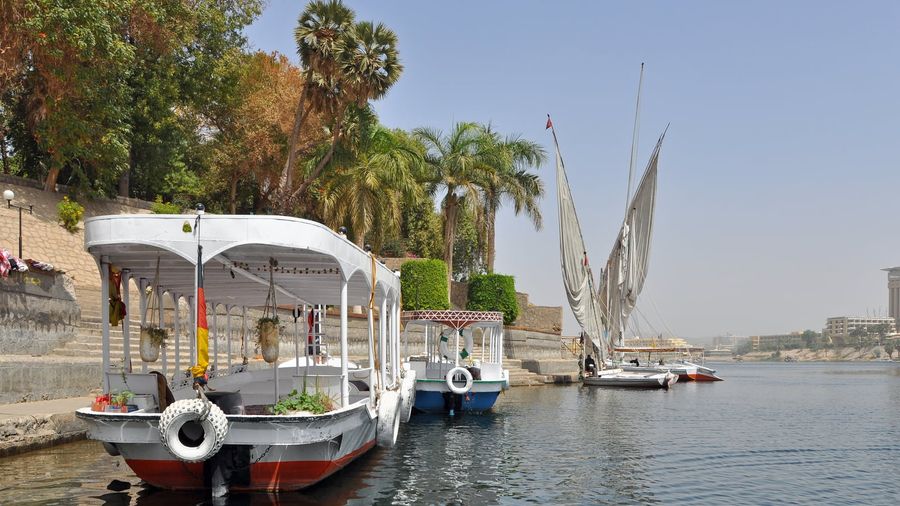
Book the journey before deciding who will explain the ruins. In Aswan, a boat to Philae, a felucca captain and a return transfer to Abu Simbel solve different problems from hiring an Egyptologist. You can visit the temples independently; pay for guiding when you want help reading the reliefs and understanding the history.
The Aswan city guide is the place to start for a stay on the Nile. Here, the decision is narrower: which parts of a river-and-temple itinerary need transport, which benefit from interpretation, and which can be left unplanned? Philae sits on an island, the Unfinished Obelisk lies in a quarry within town, and Abu Simbel requires a substantial journey south. Give each a separate place in your budget rather than assuming a single tour package is necessary.
Explore the river and town at your own pace
The souk and Nubia Museum fit an independent day; a Nile sail needs a boat and captain, rather than a sightseeing guide.
Leave time to browse the spice stalls and hibiscus sellers without an itinerary to keep. At the Nubia Museum, work through the displays at your own pace before heading back to the waterfront. For a felucca outing, agree the duration, route, total boat price and return point before boarding; wind and river conditions can affect the trip. A visit to a Nubian village is also possible without a city tour, but a crossing is not an invitation into private homes. Arrange any hosted meal or activity with the people providing it and ask before taking photographs.
Hire for interpretation, not permission to enter
You can explore Philae and Abu Simbel independently after arranging admission and transport. Add a licensed guide when you want help understanding what you see.
At Philae Temple, an Egyptologist can make the carved scenes easier to follow and explain why the sanctuary was moved. That is a reason to choose guided interpretation, not a legal obligation attached to an ordinary visit. Egypt's official tourism FAQ describes licensed guides as available for private and group visits. Check the site's current visitor rules, and ask a guide about their licence, language and archaeological specialism before booking.
Abu Simbel presents a different decision. A driver or transport operator handles the long return journey; guiding adds the account of Ramesses II, Nefertari and the temples' relocation. Some excursions bundle both, while others sell only a transfer. Read the inclusions carefully and confirm how much time you get at the site, where any explanation takes place, and who is responsible for the return pickup.
Match the booking to the stop
Arrange crossings and return journeys even when you choose to explore without commentary. The independent options below separate access from the explanation a guide provides.
| Stop | Independent option | What a guide adds |
|---|---|---|
| Felucca sail | Hire a captain and agree the boat price | Optional commentary; the captain handles the sailing |
| Souk and Nubia Museum | Walk and visit the displays at your own pace | A focused introduction to local trade and Nubian history |
| Philae Temple | Buy admission and arrange the return boat | Interpretation of the sanctuary and its carved scenes |
| Abu Simbel | Arrange return transport and buy admission | Historical explanation alongside the transport plan |
| Nubian village | Agree the crossing and any hosted activities | Language help and an introduction arranged with local hosts |
| Unfinished Obelisk | Visit the compact quarry site independently | An explanation of the stone-cutting and engineering evidence |
If you have only one guided slot, choose the subject you most want explained. Someone fascinated by temple imagery may spend it at Philae; someone primarily worried about the Abu Simbel journey may be better served by a reliable transfer and a book. Those are separate purchases.
Separate admission, boats and guide fees
Ask for an itemised quote. The cheapest advertised excursion can cost more once admission, the island boat and return transfers are added.
Use the official site pages for current admission categories and opening information. Ticket rates vary by nationality, student eligibility and, at Abu Simbel, special sun-alignment dates; a guide's quote is not a substitute for checking those conditions.
| Expense | What to check before paying |
|---|---|
| Philae admission | Official ticket page; confirm the boat separately |
| Abu Simbel admission | Ministry site information, including special-date rates |
| Unfinished Obelisk admission | Ministry ticket information |
| Felucca or Philae boat | Total boat price, passenger count, duration and return arrangement |
| Private guide | Rough planning range: US$40–80 half day or US$80–150 full day; request a current quote |
| Abu Simbel transfer | Pickup, return, site time, admission and guiding inclusions |
A private guide's fee is often shared across a group, whereas monument admission is charged per visitor. Boat pricing may be per vessel or part of an excursion package. Confirm which applies before comparing offers, and keep transport and any optional gratuity visible in your total. Removing the guide from a booking does not remove the cost of getting to the site.
Plan the temple days around heat and distance
An early start matters most on a long Abu Simbel day; leave enough time to rest rather than adding every Aswan sight to the same excursion.
October to March generally offers more comfortable walking conditions than summer. Check the forecast before committing to exposed quarry or temple visits, carry water, and keep the hottest part of the day for shade or an indoor stop. Road excursions to Abu Simbel often start before dawn, but departure times depend on the service: confirm the pickup with the operator rather than assuming every trip follows one timetable. If you choose to fly, check the actual flight and ground-transfer schedule before booking other activities.
The Ministry's Abu Simbel page identifies 22 February and 22 October as the sun-alignment dates. Expect different ticket rates and additional demand then. Decide whether that event is the reason for your journey, or whether a quieter ordinary-day visit would suit you better.
Choose the person for the job
When hiring a guide, ask about the specific sites and language you need; when hiring transport, ask about the vehicle or boat and the return arrangements.
A hotel or guesthouse can introduce you to local guides and captains, but request the same written inclusions you would from an online operator. For the temples, ask for a licensed guide with a relevant archaeological specialism. For a village visit, ask who will host you and whether the activities support the people you meet. A helpful booking confirmation names the service, meeting point, duration, total price and cancellation terms without turning every free afternoon into a scheduled tour.
Related Guides
- Aswan city guide — attractions, seasonal notes and practical tips for the wider stay
- Egypt country guide — planning a longer trip along the Nile
- Cairo & Giza Pyramids Practical Guide — planning the capital and the pyramids
- Getting Around Alexandria — navigating Egypt's Mediterranean city
Frequently Asked Questions
Is Aswan better self-guided or with a guide?
Combine independent time on the Nile and in the souk with a guide where you want archaeological interpretation. Philae and Abu Simbel do not require you to buy a guided tour as a condition of an ordinary visit. A licensed guide can explain the temples, while a boat or road transfer is a separate service you still need to arrange.
How much does a tour guide cost in Aswan?
Budget roughly US$40–80 for a private half-day guide or US$80–150 for a full day, then request a dated quote. Ask whether admission, the Philae boat, hotel transfers and gratuities are included. Site tickets and transport are still costs when you explore independently; compare the total itinerary price rather than the guiding fee alone.
Can you visit Abu Simbel from Aswan without a guide?
Yes. You can arrange return transport and visit the temples independently, or add a licensed guide for interpretation. Road excursions often leave before dawn and involve several hours each way. Confirm pickup, time at the temples, ticket inclusions and the return journey; a transfer-only booking is different from a guided excursion.
What can you do on your own in Aswan?
Browse the souk, visit the Nubia Museum, or arrange a sail with a felucca captain. You can also plan your own temple visits with tickets and the necessary transport. For a Nubian village visit, agree the crossing and any hosted activities in advance and ask before entering homes or photographing residents.
When is the best time to visit Aswan?
The cooler months from October to March are usually more comfortable for walking and temple visits. Start early in hot weather and leave time for water and shade. Abu Simbel's sun alignments on 22 February and 22 October attract extra demand, so confirm transport and the special-date ticket price well ahead.